Rudbeckia Laciniata (Cutleaf Coneflower)
Rudbeckia laciniata, commonly known as Cutleaf Coneflower, is a stunning, resilient, and versatile perennial plant that has gained popularity among.
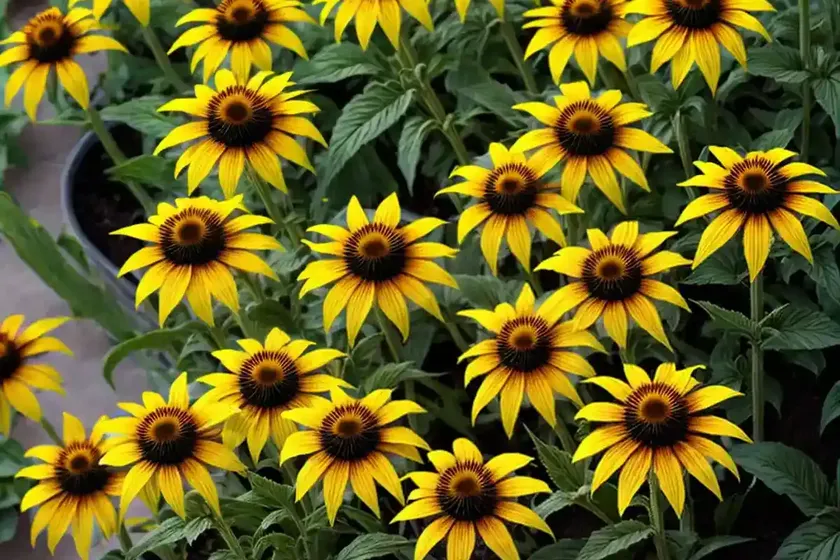
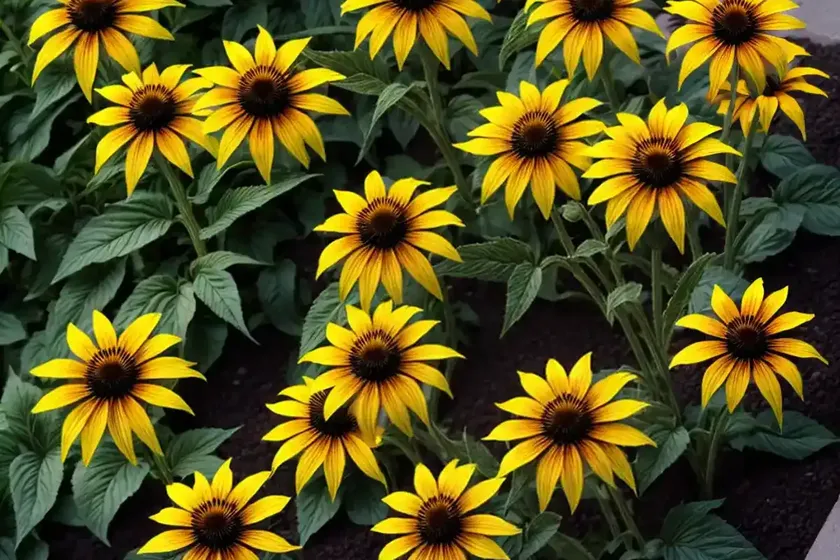

Rudbeckia laciniata, commonly known as Cutleaf Coneflower, is a stunning, resilient, and versatile perennial plant that has gained popularity among gardeners and landscape enthusiasts. Recognized for its bright yellow flowers and attractive foliage, R. laciniata is a valuable addition to any garden or natural landscape. In this comprehensive guide, we will delve into the culture, uses, care tips, and maintenance of the Rudbeckia laciniata, providing you with all the information you need to cultivate and appreciate this remarkable plant.
What is Rudbeckia laciniata?
Rudbeckia laciniata, a member of the Asteraceae family, is a native North American perennial plant with a distinctive appearance. Also known by common names such as Cutleaf Coneflower, Green-headed Coneflower, and Tall Coneflower, this herbaceous plant typically thrives in moist habitats and can reach impressive heights, often exceeding six feet. The defining features of Rudbeckia laciniata include its deep yellow, sunflower-like blooms and large, deeply cut, coarse leaves, which contribute to its visual appeal and make it a standout in any garden setting.
Gardeners and nature enthusiasts are drawn to R. laciniata for its ability to attract pollinators and its adaptability to a wide range of growing conditions. Whether cultivated in home gardens, naturalistic landscapes, or mixed perennial borders, the Cutleaf Coneflower consistently impresses with its resilience and striking aesthetic.
In the following sections, we will explore the culture, uses, care tips, and maintenance of Rudbeckia laciniata, allowing you to gain a comprehensive understanding of this incredible plant and how to incorporate it into your garden or landscape design.
Key Takeaways – Rudbeckia laciniata (Cutleaf Coneflower)
Before we dive into the specific aspects of Rudbeckia laciniata’s cultivation and care, let’s outline the key takeaways of this beautiful plant.
Rudbeckia laciniata (Cutleaf Coneflower) Key Takeaways
- Botanical Name: Rudbeckia laciniata
- Common Names: Cutleaf Coneflower, Green-headed Coneflower, Tall Coneflower
- Family: Asteraceae
- Native Range: North America
- Type: Herbaceous perennial
- Features: Large yellow flowers, deeply cut leaves, tall growth habit
- Ideal Growing Conditions: Moist, well-drained soil, full to partial sunlight
- Uses: Garden ornamental, pollinator attractant, landscape plant
- Adaptability: Tolerant of a wide range of soil types and moisture levels
- Maintenance: Low maintenance, minimal pruning required, resilient to pests and diseases
These key takeaways provide a snapshot of the essential characteristics and growing preferences of Rudbeckia laciniata. As we progress, we will delve deeper into each aspect to equip you with the knowledge needed to successfully cultivate and appreciate this remarkable plant.
Culture of Rudbeckia laciniata
Understanding the cultural requirements of Rudbeckia laciniata is fundamental to its successful cultivation. By exploring its preferences for water, sunlight, soil, and other environmental factors, we can create an optimal growing environment for this stunning perennial plant.
Water
Rudbeckia laciniata thrives in moist soil conditions, making it an excellent choice for areas with consistent or periodic moisture. While it can tolerate some dry spells once established, providing adequate water is essential, particularly during its initial establishment period and during prolonged dry periods. For optimal growth and flowering, aim to keep the soil consistently moist, but not waterlogged. Regular watering, especially during the hot summer months, can ensure that your Cutleaf Coneflower remains vibrant and healthy.
Sunlight
As a sun-loving plant, Rudbeckia laciniata flourishes in full sun to partial shade. When grown in full sun, it typically produces more robust and prolific blooms, enhancing its visual impact in the garden or landscape. However, it can also adapt to partial shade conditions, making it a versatile choice for various growing environments. When selecting a location for your R. laciniata, prioritize areas with ample sunlight to promote healthy growth and abundant flowering.
Soil
Rudbeckia laciniata exhibits adaptability to different soil types, thriving in moist, well-drained soil with a slightly acidic to neutral pH. While it can tolerate clay and loamy soils, providing fertile, humus-rich soil can further enhance its growth and flowering performance. Prior to planting, amending the soil with organic matter can improve its texture and fertility, creating an ideal foundation for the establishment and development of the Cutleaf Coneflower.
Uses of Rudbeckia laciniata
Rudbeckia laciniata serves various practical and ornamental purposes, contributing to the beauty and functionality of gardens, naturalistic landscapes, and other outdoor spaces. By exploring its uses, we can appreciate its value and versatility in different settings.
Garden Ornamental
With its bright yellow flowers, attractive foliage, and tall, commanding presence, Rudbeckia laciniata serves as a captivating garden ornamental. Whether utilized as a focal point in perennial beds, mixed borders, or wildflower meadows, its visual appeal elevates the aesthetic quality of any landscape. Its ability to attract pollinators further enhances its ornamental value, creating a dynamic and vibrant environment within the garden.
Pollinator Attractant
The abundant nectar and pollen produced by the flowers of Rudbeckia laciniata make it a popular choice for pollinator-friendly gardens. Bees, butterflies, and other beneficial insects are drawn to its blooms, supporting the ecological balance and biodiversity within the landscape. By incorporating R. laciniata into garden designs, you can actively contribute to the conservation of pollinators and enjoy the dynamic interaction between the plant and its visiting wildlife.
Landscape Plant
In addition to its role in home gardens, Rudbeckia laciniata is also an exceptional landscape plant, particularly in naturalistic or native plantings. Its tall, upright growth habit and graceful appearance make it well-suited for enhancing the visual interest of large-scale landscapes, such as parks, nature reserves, and commercial properties. Its adaptability to varying moisture levels further positions it as a valuable component of sustainable and low-maintenance landscape designs.
Rudbeckia laciniata Care Tips
Caring for Rudbeckia laciniata involves implementing practical strategies to promote its health, vigor, and flowering performance. By following these care tips, you can ensure that your Cutleaf Coneflower thrives and continues to enrich your outdoor spaces.
Fertilizer
Rudbeckia laciniata generally does not require heavy fertilization, especially when grown in fertile soil. However, incorporating a balanced, slow-release fertilizer during the early stages of growth can provide the plant with essential nutrients for robust development. If the soil is particularly poor or depleted, a light application of fertilizer in spring can support healthy foliage and flowering. Always follow the specific guidelines and recommendations provided by the fertilizer manufacturer to avoid overfeeding the plant.
Pruning
One of the attractive attributes of Rudbeckia laciniata is its minimal pruning requirements. As a low-maintenance plant, it generally does not necessitate extensive pruning or deadheading. However, removing spent flower heads can encourage continuous blooming and prevent self-seeding in cultivated landscapes. Additionally, trimming back any damaged or diseased foliage can maintain the plant’s vigor and aesthetic appeal. Overall, minimal intervention is necessary, allowing the plant to retain its natural form and exuberance.
Propagation
Propagation of Rudbeckia laciniata can be achieved through various methods, including division, seed sowing, and stem cuttings. As a perennial plant, it tends to form robust clumps over time, making division an effective means of creating new plantings. Dividing the clumps in early spring or late fall can rejuvenate the plant and yield additional specimens for expansion or sharing with fellow gardeners. Collecting and sowing seeds from mature flower heads can also generate new growth, providing an opportunity to witness the unique traits of seed-grown R. laciniata.
Container Popularity
While Rudbeckia laciniata is predominantly grown in garden beds and naturalistic landscapes, it also demonstrates suitability for container gardening. Its robust growth habit and vibrant flowers make it an appealing choice for large containers and planters, adding vertical interest and visual impact to outdoor patios, decks, and other urban or restricted spaces. When cultivating R. laciniata in containers, ensure that the containers provide ample room for root development and drainage to prevent waterlogged soil.
Common Diseases of Rudbeckia laciniata
Rudbeckia laciniata, like many plants, may encounter certain diseases under unfavorable growing conditions or environmental stressors. Understanding the common diseases and their potential management strategies is crucial for safeguarding the health and vitality of the Cutleaf Coneflower.
Disease Diagnosis
-
Powdery Mildew: A fungal disease that manifests as a powdery, white coating on the leaves and stems. It can impede photosynthesis and weaken the plant’s overall vigor. Implementing proper air circulation and avoiding overhead watering can mitigate the risk of powdery mildew. Fungicidal treatments may be necessary in severe cases.
-
Septoria Leaf Spot: Characterized by dark, water-soaked lesions with a lighter center on the foliage, septoria leaf spot can compromise the plant’s aesthetic appeal and vitality. Removing and disposing of infected plant debris and practicing good sanitation can prevent the spread of the disease. Fungicidal treatments may be considered for severe infestations.
-
Root Rot: Excessive moisture or poorly drained soil can lead to root rot, causing the plant to exhibit wilting, yellowing foliage, and stunted growth. Improving soil drainage and avoiding overwatering can help prevent this detrimental condition. Application of fungicidal drenches can aid in managing root rot and promoting plant recovery.
By recognizing the symptoms and addressing potential disease threats promptly, you can maintain the health and resilience of Rudbeckia laciniata, ensuring its continued vitality and ornamental value in the garden.
Common Pests Affecting Rudbeckia laciniata
In addition to diseases, Rudbeckia laciniata may also encounter pests that can impact its growth and visual appeal. Identifying the common pests and implementing appropriate pest control measures is essential for safeguarding the plant’s well-being.
Common Pests
-
Aphids: These small, soft-bodied insects can cluster on the undersides of leaves, sucking sap and causing deformities in the foliage. Rinsing the plant with a strong stream of water can dislodge aphids, and applications of insecticidal soap or horticultural oil can offer effective control.
-
Japanese Beetles: Recognized by their metallic green bodies, Japanese beetles can feed on the foliage, creating lacy patterns and weakening the plant. Handpicking and disposing of the beetles can help reduce their population, while using pheromone traps and insecticidal sprays can offer additional management options.
-
Slugs and Snails: These mollusks can cause visible damage to Rudbeckia laciniata by consuming the leaves and tender shoots. Implementing physical barriers, such as copper tape or diatomaceous earth, can deter slugs and snails from reaching the plant, protecting it from potential feeding damage.
By regularly monitoring the plant for signs of pest activity and deploying targeted control methods, you can mitigate the impact of common pests and sustain the health and attractiveness of Rudbeckia laciniata.
Botanist’s Tips for Cultivating Rudbeckia laciniata
Drawing from botanical knowledge and practical experience, botanists offer valuable insights and tips for successfully cultivating Rudbeckia laciniata. Their expertise and recommendations can guide gardeners and enthusiasts in maximizing the potential of this exceptional perennial plant.
Botanist’s Tips
-
Developing Strong Root Systems: Prioritize providing the young plants with ample moisture and nutrients during their establishment phase to encourage robust root development, which can contribute to their long-term health and resilience.
-
Promoting Air Circulation: Ensuring adequate spacing between Rudbeckia laciniata specimens can improve air circulation around the plants, reducing the risk of foliar diseases and promoting overall vigor.
-
Observing Wildlife Interactions: Take note of the pollinators and beneficial wildlife attracted to R. laciniata, appreciating the ecological value it provides and the dynamic connections it fosters within the garden ecosystem.
By incorporating these botanist-recommended practices into the cultivation of Rudbeckia laciniata, you can optimize its growth, vitality, and ecological significance within the landscape.
Fun Facts About Rudbeckia laciniata
Delve into the intriguing and delightful facts about Rudbeckia laciniata, uncovering its unique attributes, ecological significance, and historical connections. These fun facts provide an engaging perspective on the Cutleaf Coneflower, enriching your appreciation of this remarkable plant.
Fun Facts
-
Symbolism of Courage: In some cultural contexts, Rudbeckia laciniata is associated with the symbolism of courage and fortitude, reflecting its resilient nature and ability to thrive in diverse environments.
-
Traditional Medicinal Uses: Certain indigenous communities have recognized the medicinal properties of R. laciniata, incorporating its roots and other plant parts into herbal remedies for various ailments and health conditions.
-
Ecological Restoration Champion: Due to its adaptability and wildlife-supporting qualities, Cutleaf Coneflower is often utilized in ecological restoration projects aimed at enhancing biodiversity and habitat conservation.
Exploring these fun facts about Rudbeckia laciniata adds depth to your understanding of the plant’s significance and cultural relevance, highlighting the multifaceted contributions it makes to both natural and human-influenced landscapes.
Links to External Resources
Further expand your knowledge of Rudbeckia laciniata by exploring external resources that offer detailed information, illustrations, and practical insights about this captivating plant. Whether you are a seasoned gardener, a landscape professional, or an enthusiastic nature lover, these resources can enhance your understanding and appreciation of the Cutleaf Coneflower.
- Missouri Botanical Garden – Rudbeckia laciniata
- North Carolina State University – Rudbeckia laciniata
- Lady Bird Johnson Wildflower Center – Rudbeckia laciniata
- University of Wisconsin-Madison Arboretum – Rudbeckia laciniata
- Royal Horticultural Society – Plant Profile: Rudbeckia laciniata
By engaging with the resources provided, you can gain valuable insights, imagery, and research-based information about Rudbeckia laciniata, enriching your knowledge and enabling you to make informed decisions when cultivating or encountering this remarkable plant.
Conclusion
Rudbeckia laciniata, known commonly as Cutleaf Coneflower, exemplifies the beauty, resilience, and ecological value of native North American plants. Its vibrant yellow flowers, attractive foliage, and adaptability make it a standout choice for gardens, landscapes, and conservation efforts. By understanding its cultural requirements, uses, care tips, and ecological significance, we can fully appreciate the multifaceted contributions of this exceptional perennial plant.
As you embark on your journey of cultivating and enjoying Rudbeckia laciniata, remember to prioritize its water and sunlight needs, promote its ornamental and pollinator-attracting qualities, and remain vigilant in safeguarding its health from potential diseases and pests. Through careful observation, thoughtful maintenance, and a deep appreciation for the plant’s ecological connections, you can create a dynamic and vibrant outdoor environment that celebrates the enduring beauty of the Cutleaf Coneflower.
References:
Missouri Botanical Garden. (n.d.). Rudbeckia laciniata. Missouri Botanical Garden. https://www.missouribotanicalgarden.org/PlantFinder/PlantFinderDetails.aspx?taxonid=277702&isprofile=0&
North Carolina State University. (n.d.). Rudbeckia laciniata. North Carolina State University. https://plants.ces.ncsu.edu/plants/rudbeckia-laciniata/
Lady Bird Johnson Wildflower Center. (n.d.). Rudbeckia laciniata. Lady Bird Johnson Wildflower Center. https://www.wildflower.org/plants/result.php?id_plant=RULA3
University of Wisconsin-Madison Arboretum. (n.d.). Rudbeckia laciniata. University of Wisconsin-Madison Arboretum. https://arboretum.wisc.edu/plants/cutleaf-coneflower/
Royal Horticultural Society. (n.d.). Rudbeckia laciniata. Plant Profile. https://www.rhs.org.uk/Plants/16258/i-Rudbeckia-laciniata-i/Details