Rudbeckia Hirta ‘Sonora’ (Black-Eyed Susan)
Rudbeckia hirta ‘Sonora’ is a delightful variety of the Black-Eyed Susan, a native North American wildflower that has found its way into gardens and.

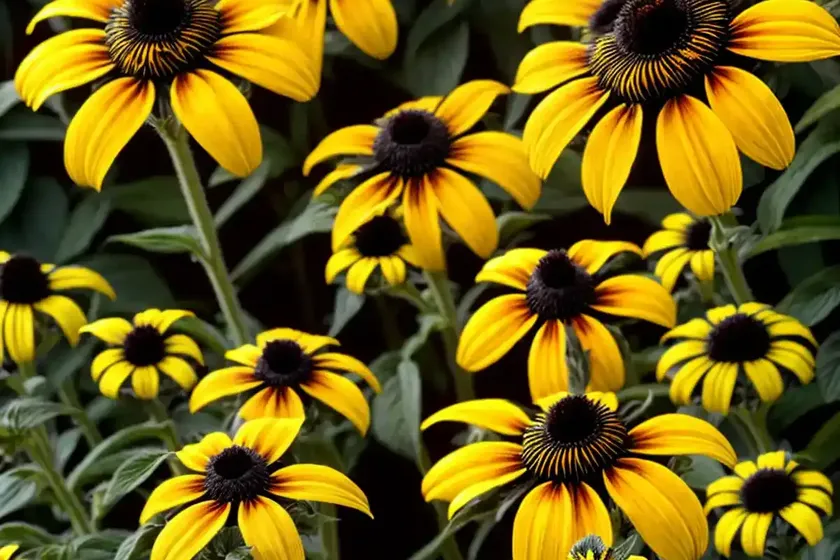
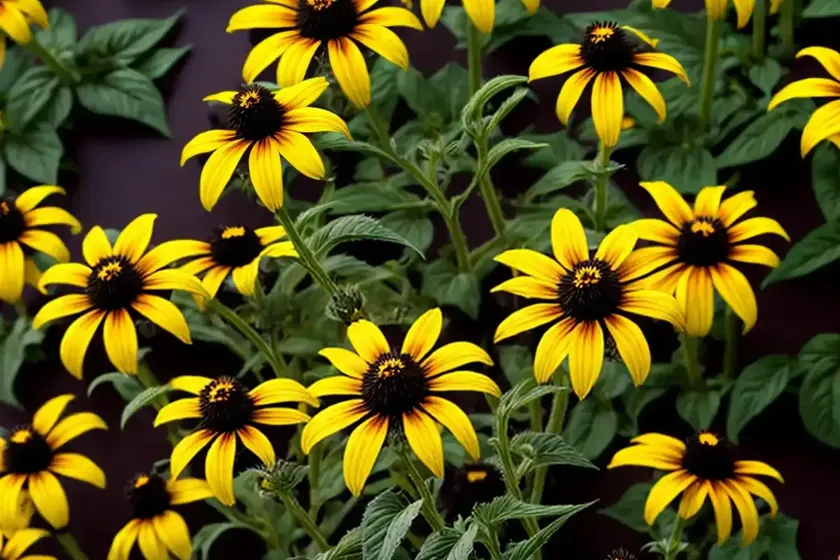
Rudbeckia hirta ‘Sonora’ is a delightful variety of the Black-Eyed Susan, a native North American wildflower that has found its way into gardens and landscapes worldwide. With its bright and cheery yellow flowers and impressive adaptability, this plant has become a favorite among gardeners and landscapers alike. In this comprehensive guide, we will dive deep into the characteristics, cultivation, and maintenance of Rudbeckia hirta ‘Sonora’, providing valuable insights to help you successfully grow and care for this beautiful plant.
What is Rudbeckia hirta ‘Sonora’?
Rudbeckia hirta, commonly known as Black-Eyed Susan, is a species of flowering plant in the family Asteraceae. ‘Sonora’ is a specific variety of the species, valued for its striking appearance and vigorous growth habits. As a member of the Asteraceae family, Rudbeckia hirta ‘Sonora’ is related to other well-known plants such as sunflowers, daisies, and asters.
Key Takeaways – Rudbeckia hirta ‘Sonora’
Here are the key characteristics and takeaways regarding Rudbeckia hirta ‘Sonora’:
- Botanical Name: Rudbeckia hirta ‘Sonora’
- Common Name: Black-Eyed Susan ‘Sonora’
- Plant Type: Herbaceous perennial
- Flower Color: Bright yellow with a dark brown or black center
- Sunlight Requirements: Full sun to partial shade
- Watering Needs: Moderate; well-drained soil
- Mature Height: 24-36 inches
- Maintenance: Low to moderate
- Attracts: Bees, butterflies, and other pollinators
- Uses: Borders, containers, cut flowers, wildlife gardens
Culture
Uses
Rudbeckia hirta ‘Sonora’ is a versatile and attractive plant with a range of uses in gardens and landscapes. Here are some common applications of this plant:
- Borders and Edging: The bright, eye-catching flowers of Rudbeckia hirta ‘Sonora’ make it an excellent choice for border plantings, where it can create vibrant and welcoming edges in garden beds.
- Wildlife Gardens: Due to its ability to attract bees, butterflies, and other pollinators, ‘Sonora’ is a valuable addition to wildlife-friendly gardens, contributing to the overall biodiversity of the area.
- Cut Flowers: The long stems and enduring blooms of Rudbeckia hirta ‘Sonora’ make it a popular choice for cut flower arrangements, bringing a touch of sunshine indoors.
- Container Planting: This variety of Black-Eyed Susan thrives in containers, allowing homeowners with limited space to enjoy its beauty on patios, balconies, or other outdoor areas.
- Mixed Perennial Borders: ‘Sonora’ can be integrated into mixed perennial borders, where its cheerful flowers complement a wide range of other flowering plants.
Water
Rudbeckia hirta ‘Sonora’ has moderate water needs and thrives in well-drained soil. Here are some key points to consider when watering this plant:
- Watering Frequency: During the growing season, ‘Sonora’ benefits from regular watering, especially during extended periods of drought. However, it is essential to allow the soil to dry out slightly between waterings to prevent waterlogged conditions, which can lead to root rot.
- Established Plants: Once established, Rudbeckia hirta ‘Sonora’ demonstrates good drought tolerance, making it suitable for low-maintenance landscapes.
Sunlight
As a sun-loving plant, Rudbeckia hirta ‘Sonora’ thrives in full sun to partial shade. When positioning this plant in the landscape, consider the following guidelines related to sunlight requirements:
- Optimal Sun Exposure: To ensure the best flowering performance, provide ‘Sonora’ with at least 6-8 hours of direct sunlight per day. However, it can tolerate some light shade, particularly in hot climates where partial shade may provide relief from intense afternoon sun.
- Soil and Moisture: In regions with hot, intense sunlight, it is crucial to monitor soil moisture levels, as the combination of high temperatures and sunlight exposure can lead to increased water needs for the plant.
Fertilizer
Rudbeckia hirta ‘Sonora’ does not have excessive fertilizer requirements but can benefit from light fertilization to support healthy growth and abundant flowering. Here are some considerations when fertilizing ‘Sonora’:
- Timing: Apply a balanced, all-purpose fertilizer in early spring as new growth emerges. Reapply the fertilizer in midsummer if the plant appears to benefit from an additional nutrient boost.
- Dosage: Use a general-purpose fertilizer at half strength to avoid over-fertilization, which can lead to excessive foliage growth at the expense of flowering.
- Soil Testing: Consider conducting a soil test to assess the nutrient levels in the planting area. This can help determine if any specific deficiencies need to be addressed with targeted fertilizer applications.
Soil
One of the factors contributing to the widespread appeal of Rudbeckia hirta ‘Sonora’ is its adaptability to various soil types. However, the following soil considerations can help maximize the performance of this plant:
- Well-Drained Soil: ‘Sonora’ thrives in well-drained soil and is susceptible to root rot in waterlogged conditions. Incorporating organic matter into heavy clay soils can improve drainage and provide a more hospitable environment for the plant.
- Soil pH: While ‘Sonora’ can tolerate a wide range of soil pH levels, it typically performs best in slightly acidic to neutral soil (pH 6.0-7.0).
- Mulching: Applying a layer of organic mulch around the base of the plant can help conserve soil moisture, regulate soil temperature, and suppress weed growth.
Pruning
Rudbeckia hirta ‘Sonora’ exhibits a relatively low-maintenance growth habit and does not require extensive pruning. Nonetheless, light pruning and deadheading can enhance the plant’s appearance and overall health. Consider the following tips when pruning ‘Sonora’:
- Deadheading: Removing spent flowers as they fade can promote continuous blooming and prevent the plant from allocating energy to seed production.
- New Growth: If the plant begins to look tired or overgrown, lightly trimming back the stems can encourage fresh growth and rejuvenate the plant’s appearance.
- End-of-Season Cleanup: In late fall or early spring, consider cutting back the foliage to ground level to tidy up the planting area and prepare for the next growing season.
Propagation
Rudbeckia hirta ‘Sonora’ can be propagated through several methods, including division, seed sowing, and stem cuttings. Here are specific techniques for propagating ‘Sonora’:
- Division: Divide mature clumps of ‘Sonora’ in early spring or fall, ensuring that each division has both roots and shoots. Replant the divisions in well-prepared soil and water them thoroughly to encourage establishment.
- Seed Sowing: Collect seeds from mature flowerheads and sow them in a well-prepared seedbed in the fall or early spring. Keep the soil consistently moist until the seedlings are established and ready for transplanting.
- Stem Cuttings: Take softwood cuttings from new growth in early summer and place them in a propagating medium to encourage root development. Once rooted, the cuttings can be potted up or transplanted into the garden.
Container Popularity
Rudbeckia hirta ‘Sonora’ is highly popular for container gardening, thanks to its compact growth habit, vibrant flowers, and adaptability to container environments. When growing ‘Sonora’ in containers, consider the following points for successful cultivation:
- Container Size: Select a container with sufficient depth and drainage holes to accommodate the plant’s root system and prevent waterlogging.
- Soil Mix: Use a well-draining potting mix designed for outdoor container plants to provide the necessary support and nutrition for ‘Sonora’.
- Watering: Containers can dry out more quickly than garden soil, so monitor the moisture levels regularly and water as needed to keep the soil consistently moist but not waterlogged.
Common Diseases
Like many plants, Rudbeckia hirta ‘Sonora’ is susceptible to certain diseases, especially in conditions of poor air circulation and excessive moisture. Familiarize yourself with the following common diseases that can affect ‘Sonora’ and consider proactive measures to prevent or address these issues:
- Powdery Mildew: A fungal disease characterized by white, powdery growth on the foliage. Provide adequate spacing between plants to promote air circulation, and consider applying fungicides preventatively in humid conditions.
- Septoria Leaf Spot: Identified by brown or black spots on the leaves, this disease can be managed by promptly removing and disposing of affected plant material and avoiding overhead watering to prevent the spread of spores.
Disease Diagnosis
Accurately diagnosing plant diseases is crucial for implementing effective control measures. When confronted with potential diseases affecting Rudbeckia hirta ‘Sonora’, consider the following diagnostic steps:
- Visual Inspection: Examine the plant for symptoms such as discolored or distorted leaves, powdery or slimy coatings on the foliage, and any unusual growth patterns.
- Symptom Identification: Identify the specific symptoms exhibited by the plant and compare them to known signs of common diseases affecting Rudbeckia species.
- Consultation: If in doubt, seek the expertise of a local horticultural extension service, garden center, or plant health specialist to accurately diagnose the issue and receive tailored recommendations for disease management.
Common Pests
Several insect pests can pose a threat to Rudbeckia hirta ‘Sonora’, potentially causing damage to the foliage, flowers, and overall plant health. Stay vigilant for the following common pests and consider appropriate pest management strategies when necessary:
- Aphids: These tiny, soft-bodied insects can cluster on the undersides of leaves and cause distortion and discoloration of the foliage. Consider using insecticidal soap or horticultural oil to control aphid populations.
- Leafhoppers: Leafhoppers can cause stippling and discoloration of the leaves and may transmit plant diseases. Implementing cultural controls and physical removal of leafhoppers can help manage their populations effectively.
Botanist’s Tips
As a plant scientist, I want to share some valuable tips to help you successfully grow Rudbeckia hirta ‘Sonora’ and make the most of its unique characteristics:
- Companion Planting: Pair ‘Sonora’ with other sun-loving perennials such as Echinacea (coneflower), Salvia, or ornamental grasses to create dynamic and visually appealing combinations.
- Wildlife Benefits: Embrace ‘Sonora’ as a valuable addition to wildlife-friendly landscapes, contributing to the habitat and nutrition of pollinators and supporting the overall health of the ecosystem.
- Seasonal Interest: As a long-blooming perennial, Rudbeckia hirta ‘Sonora’ can provide vibrant color and visual interest throughout the summer and into the fall, enhancing the beauty of the landscape.
- Drought Tolerance: With its moderate water needs and good drought tolerance once established, ‘Sonora’ is an excellent choice for gardens in regions with hot, dry summers.
- Garden Design Element: Incorporate ‘Sonora’ into garden designs as a focal point or as part of mixed plantings to introduce a bold and cheerful aesthetic to the landscape.
Fun Facts
To further appreciate the beauty and appeal of Rudbeckia hirta ‘Sonora’, consider the following fun and intriguing facts about this delightful plant:
- Native Habitat: ‘Sonora’ is native to North America, where it can be found in meadows, prairies, and open woodlands, adding a touch of brightness to natural landscapes.
- Beneficial Insects: The nectar and pollen of ‘Sonora’ attract a variety of beneficial insects, including bees, butterflies, and predatory insects that contribute to the overall ecological balance.
- Medicinal Uses: Historically, some Native American tribes used parts of the Black-Eyed Susan plant for medicinal purposes, including remedies for a variety of ailments.
- Winter Interest: After the flowers have faded, the distinctive seed heads of Rudbeckia hirta ‘Sonora’ can add visual interest to the winter garden and provide food for overwintering birds.
Links to External Resources
To further expand your knowledge and understanding of Rudbeckia hirta ‘Sonora’ and its cultivation, consider exploring the following external resources:
- Rudbeckia hirta ‘Sonora’ Plant Profile – Missouri Botanical Garden
- Black-Eyed Susan: Rudbeckia hirta – The Old Farmer’s Almanac
- Rudbeckia hirta ‘Sonora’ Care Guidelines – Royal Horticultural Society
- Planting and Growing Black-Eyed Susans – HGTV
- Insect Pests of Ornamental Plants – University of California Statewide Integrated Pest Management Program
By delving into these resources, you can gain valuable insights, actionable tips, and in-depth knowledge to support your experiences in growing and caring for Rudbeckia hirta ‘Sonora’, enriching your gardening journey with this beloved plant.
In conclusion, Rudbeckia hirta ‘Sonora’ stands as a captivating and resilient addition to gardens, lending its bright and cheerful presence to outdoor spaces and attracting a wealth of beneficial wildlife. With an understanding of its cultural requirements, unique uses, and maintenance considerations, you can confidently cultivate and enjoy the beauty of ‘Sonora’ in your own garden. Embrace the sunny disposition and enduring charm of this beautiful Black-Eyed Susan variety, and let it brighten your landscape with its golden blooms and undeniable appeal.
Thank you for joining me on this exploration of Rudbeckia hirta ‘Sonora’. May your gardening endeavors be enriched by the joy and beauty of this remarkable plant.
Gardening with passion and science,
[Your Name]
Plant Scientist