Rudbeckia Hirta ‘Irish Eyes’ (Black-Eyed Susan)
Rudbeckia hirta ‘Irish Eyes’, commonly known as Black-Eyed Susan, is a beloved perennial plant known for its stunning yellow flowers with a distinct dark.
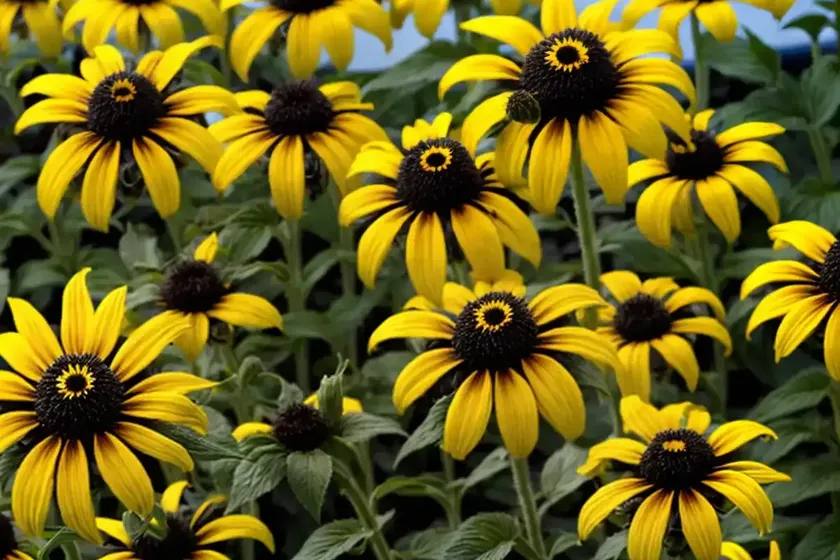
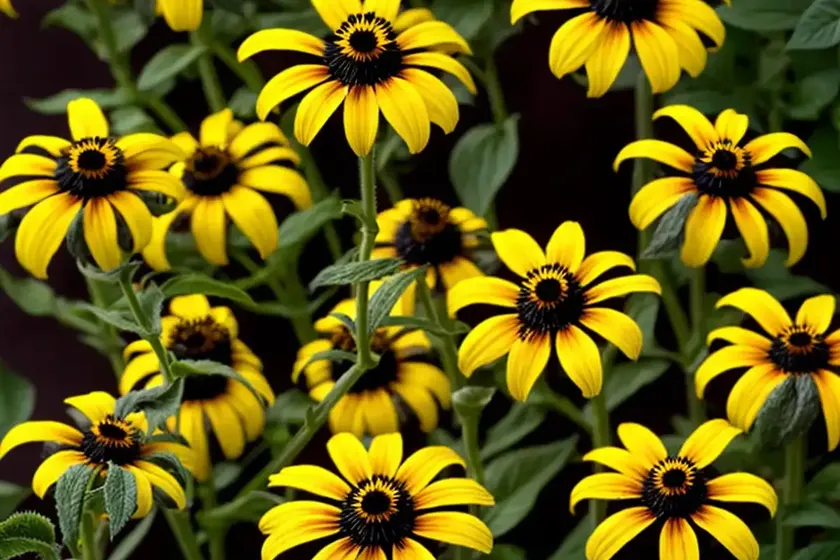
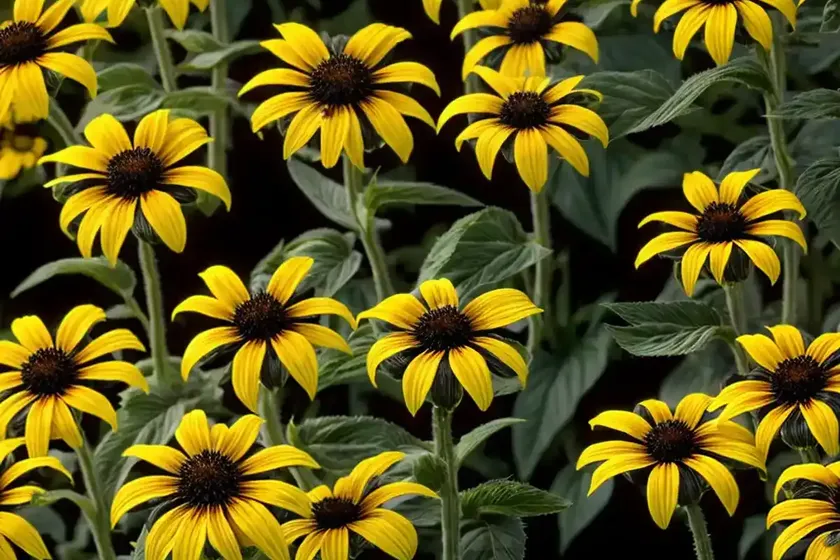
Rudbeckia hirta ‘Irish Eyes’, commonly known as Black-Eyed Susan, is a beloved perennial plant known for its stunning yellow flowers with a distinct dark center. As a plant scientist, I am excited to delve into the world of this beautiful Rudbeckia hirta cultivar and provide a comprehensive guide on its cultivation, care, and uses.
What is Rudbeckia hirta ‘Irish Eyes’?
Rudbeckia hirta ‘Irish Eyes’ is a unique cultivar of the Rudbeckia hirta species, known for its striking flowers and ornamental value. This perennial plant is native to North America and belongs to the Asteraceae family. The characteristic feature of ‘Irish Eyes’ is its vibrant yellow petals, which gracefully surround a distinctive dark brown or black central cone, creating a stunning visual appeal in gardens and landscapes.
Key Takeaways – Rudbeckia hirta ‘Irish Eyes’ (Black-Eyed Susan)
Before delving into the specifics of cultivating and caring for Rudbeckia hirta ‘Irish Eyes’, let’s explore the key takeaways of this captivating plant:
- Botanical Name: Rudbeckia hirta ‘Irish Eyes’
- Common Name: Black-Eyed Susan
- Plant Type: Perennial
- Flower Color: Yellow with dark brown or black central cone
- Sunlight: Full sun to partial shade
- Watering Needs: Moderate
- Soil Type: Well-draining, fertile soil
- Height: 24-36 inches
- Spread: 18-24 inches
- USDA Hardiness Zones: 3-7
- Attracts: Pollinators such as bees and butterflies
- Low Maintenance: Yes
Now, let’s dive deeper into each aspect of Rudbeckia hirta ‘Irish Eyes’, exploring its culture, uses, care requirements, and more.
Culture of Rudbeckia hirta ‘Irish Eyes’
Cultivating Rudbeckia hirta ‘Irish Eyes’ involves understanding its cultural preferences, including soil, water, sunlight, and fertilizer requirements. Properly understanding the plant’s cultural needs is essential for ensuring healthy growth and prolific flowering.
Water
Rudbeckia hirta ‘Irish Eyes’ prefers moderate watering, especially during its active growth periods. It is essential to ensure that the soil is consistently moist but well-draining, as the plant does not thrive in waterlogged conditions. During periods of prolonged drought, supplemental watering may be necessary to support the plant’s health and flowering.
Sunlight
As a sun-loving perennial, Rudbeckia hirta ‘Irish Eyes’ thrives in full sun to partial shade. Providing the plant with at least 6-8 hours of direct sunlight each day is crucial for promoting robust growth and abundant flowering. In regions with hot summers, some afternoon shade can be beneficial to prevent the plant from wilting or experiencing heat stress.
Fertilizer
When it comes to fertilizer, Rudbeckia hirta ‘Irish Eyes’ benefits from an application of a balanced, all-purpose fertilizer in early spring, as new growth begins. A slow-release fertilizer can also be incorporated into the soil to provide a steady supply of nutrients throughout the growing season. Care should be taken not to over-fertilize, as excessive nitrogen can lead to lush foliage at the expense of flowering.
Soil
Rudbeckia hirta ‘Irish Eyes’ thrives in well-draining, fertile soil with a slightly acidic to neutral pH. Amending the soil with organic matter such as compost or well-rotted manure can improve its fertility and structure, ensuring optimal conditions for the plant’s root development and overall health.
Pruning Rudbeckia hirta ‘Irish Eyes’
Proper pruning practices are integral to maintaining the health and appearance of Rudbeckia hirta ‘Irish Eyes’. While the plant is relatively low-maintenance, occasional pruning can encourage additional flowering and prevent the formation of seeds, thereby prolonging the blooming period.
Pruning Steps:
1. Deadheading: Regularly remove spent flowers by deadheading to encourage the production of new blooms and prevent self-seeding. This promotes continuous flowering and keeps the plant looking tidy and attractive.
2. Cutting Back: In late fall or early spring, cut back the entire plant to within a few inches of the ground to rejuvenate the growth and remove any overwintered foliage. This helps the plant maintain a compact and tidy appearance while stimulating new growth from the base.
Proper sanitation practices, such as cleaning and sterilizing pruning tools, should always be observed to prevent the spread of diseases among plants.
Propagation of Rudbeckia hirta ‘Irish Eyes’
For avid gardeners and horticulturists, the propagation of Rudbeckia hirta ‘Irish Eyes’ is a fascinating aspect of plant cultivation. The plant can be propagated through several methods, including division, cuttings, and seed propagation.
Propagation Methods:
1. Division: In early spring, divide mature clumps of Rudbeckia hirta ‘Irish Eyes’ by carefully separating the root mass into smaller sections, each containing several shoots. Replant the divisions in prepared soil and provide adequate moisture to support establishment.
2. Cuttings: Take stem cuttings from healthy, actively growing plants in spring or early summer. Dip the cut ends in a rooting hormone and plant them in a well-draining rooting medium. Provide the cuttings with consistent moisture and warmth to promote root development.
3. Seed Propagation: Collect ripe seeds from the plant’s flowers in late summer or fall. Sow the seeds in prepared soil, covering them lightly with a thin layer of soil. Keep the seedbed consistently moist until germination occurs. Transplant the seedlings to their permanent location once they have developed several sets of true leaves.
Each propagation method has its unique requirements and challenges, but successful propagation can provide an abundance of new plants for expanding garden beds or sharing with fellow gardening enthusiasts.
Container Gardening with Rudbeckia hirta ‘Irish Eyes’
Rudbeckia hirta ‘Irish Eyes’ is well-suited for container gardening, offering a burst of color and natural charm to patios, balconies, and other outdoor spaces. When selecting a container for ‘Irish Eyes’, opt for a spacious, well-draining pot that allows for healthy root development and provides stability for the plant.
Container Gardening Tips:
– Choose a container with drainage holes at the bottom to prevent waterlogged soil, which can be detrimental to the plant’s health.
– Use a high-quality potting mix that provides adequate nutrients and ensures good aeration for the roots.
– Position the container in a location that receives ample sunlight, as Rudbeckia hirta ‘Irish Eyes’ thrives in sunny conditions.
– Water the plant regularly, ensuring that the soil remains consistently moist but not waterlogged.
– Consider complementing ‘Irish Eyes’ with other compatible plants to create visually appealing and diverse container arrangements.
Container gardening with Rudbeckia hirta ‘Irish Eyes’ allows individuals with limited outdoor space to enjoy the beauty of this perennial plant and incorporate it into their decorative and horticultural endeavors.
Popularity of Rudbeckia hirta ‘Irish Eyes’
Rudbeckia hirta ‘Irish Eyes’ has garnered significant popularity among gardeners, horticulturists, and landscape enthusiasts due to its striking appearance, low-maintenance nature, and versatile uses. The plant’s vibrant yellow flowers with dark centers add a cheerful and uplifting ambiance to gardens, making it a sought-after addition to a wide range of outdoor settings.
Gardeners and landscapers often incorporate ‘Irish Eyes’ into mixed borders, cottage gardens, prairie-style plantings, and naturalistic landscapes, where its bright blooms can shine alongside other perennials and ornamental grasses. The plant’s resilience, adaptability, and wildlife-attracting qualities further contribute to its widespread appeal.
Common Diseases of Rudbeckia hirta ‘Irish Eyes’
While Rudbeckia hirta ‘Irish Eyes’ is generally a robust and disease-resistant plant, it may occasionally face certain disease issues that can affect its appearance and vigor. Understanding the common diseases and their associated symptoms enables gardeners to take proactive measures to prevent, manage, and minimize the impact of such ailments.
Disease Diagnosis and Management
Common Diseases:
1. Powdery Mildew: Powdery mildew appears as a white or grayish powdery coating on the plant’s foliage, typically in warm and humid conditions. Adequate air circulation, proper spacing, and avoiding overhead watering can help mitigate powdery mildew. Fungicidal sprays may be necessary for severe infestations.
2. Bacterial Leaf Spot: Bacterial leaf spot manifests as dark, water-soaked spots on the plant’s leaves, often leading to wilting and defoliation. To manage bacterial leaf spot, remove and destroy affected plant parts, avoid overhead watering, and apply copper-based fungicides preventatively.
3. Septoria Leaf Spot: Septoria leaf spot causes small, dark spots with light centers to develop on the plant’s leaves. Pruning affected foliage, providing ample air circulation, and applying fungicidal sprays can help reduce the prevalence of Septoria leaf spot.
4. Root Rot: Root rot, caused by waterlogging and poorly drained soil, can lead to the wilting and decline of Rudbeckia hirta ‘Irish Eyes’. Improving soil drainage and refraining from overwatering are crucial for preventing and managing root rot.
Regular monitoring, good cultural practices, and prompt intervention when disease symptoms are observed are essential components of effective disease management in Rudbeckia hirta ‘Irish Eyes’.
Common Pests Affecting Rudbeckia hirta ‘Irish Eyes’
In addition to diseases, Rudbeckia hirta ‘Irish Eyes’ may encounter certain pest insects that can feed on its foliage, flowers, and stems, potentially compromising the plant’s health and aesthetics. Understanding the common pests and their behaviors empowers gardeners to implement targeted pest management strategies for protecting ‘Irish Eyes’.
Pest Management Strategies
Common Pests:
1. Aphids: Aphids are small, soft-bodied insects that congregate on the undersides of leaves, where they feed on plant sap and excrete sticky honeydew. Insecticidal soaps, neem oil, or strong streams of water can help dislodge and control aphid populations.
2. Japanese Beetles: Japanese beetles are notorious for their voracious feeding on the foliage of various plants, including Rudbeckia hirta ‘Irish Eyes’. Handpicking, insecticidal sprays, and beneficial nematodes are some of the methods that can reduce Japanese beetle damage.
3. Slugs and Snails: Slugs and snails feed on the tender leaves and stems of ‘Irish Eyes’, leaving behind characteristic slimy trails. Beer traps, copper barriers, and diatomaceous earth can be employed to deter and control slug and snail populations in the garden.
Encouraging natural predators, maintaining a healthy garden ecosystem, and implementing targeted pest control measures can help safeguard Rudbeckia hirta ‘Irish Eyes’ from the detrimental effects of pest infestations.
Botanist’s Tips for Rudbeckia hirta ‘Irish Eyes’
As a plant scientist specializing in the study and cultivation of ornamental plants, I have compiled a series of botanist’s tips for successfully growing and caring for Rudbeckia hirta ‘Irish Eyes’:
- Optimal Planting Time: Plant ‘Irish Eyes’ in early spring or fall, providing ample time for the roots to establish before the onset of extreme weather conditions.
- Mulching Benefits: Apply a layer of organic mulch around the base of the plant to conserve soil moisture, regulate soil temperature, and suppress weed growth.
- Supportive Staking: In regions with strong wind or heavy rainfall, consider providing support stakes to prevent the plant’s tall flower stems from bending or breaking.
- Regular Monitoring: Keep a close eye on the plant for signs of pests, diseases, or nutrient deficiencies, addressing any issues promptly to maintain the plant’s vigor.
- Seasonal Care: Adjust watering, fertilization, and pruning practices based on the plant’s specific seasonal requirements, ensuring that it receives appropriate care throughout the year.
Implementing these botanist’s tips can enhance the overall health, vigor, and blooming performance of Rudbeckia hirta ‘Irish Eyes’, contributing to a thriving and visually stunning garden display.
Fun Facts about Rudbeckia hirta ‘Irish Eyes’
To further appreciate the allure and charm of Rudbeckia hirta ‘Irish Eyes’, here are some captivating and intriguing fun facts about this remarkable perennial plant:
- The name “Black-Eyed Susan” is derived from an English poem by John Gay, commemorating a young woman named Susan with dark eyes.
- Rudbeckia hirta is the official state flower of Maryland, known for its resilience and adaptability, qualities that mirror those of the state itself.
- The vibrant yellow flowers of ‘Irish Eyes’ are not only visually captivating but also serve as a valuable nectar source for pollinators, supporting local ecosystems and biodiversity.
These fun facts shed light on the cultural significance and natural appeal of Rudbeckia hirta ‘Irish Eyes’, deepening our admiration for this beloved plant.
Links to External Resources
Plant Name: Rudbeckia hirta ‘Irish Eyes’ (Black-Eyed Susan)
For additional insights, inspiration, and comprehensive resources on Rudbeckia hirta ‘Irish Eyes’, consider exploring the following links to enrich your understanding of this alluring perennial plant: