Rudbeckia Hirta ‘Prairie Sun’ (Black-Eyed Susan)
Rudbeckia hirta ‘Prairie Sun’, commonly known as Black-Eyed Susan, is a stunning flowering plant that belongs to the sunflower family, Asteraceae. This.
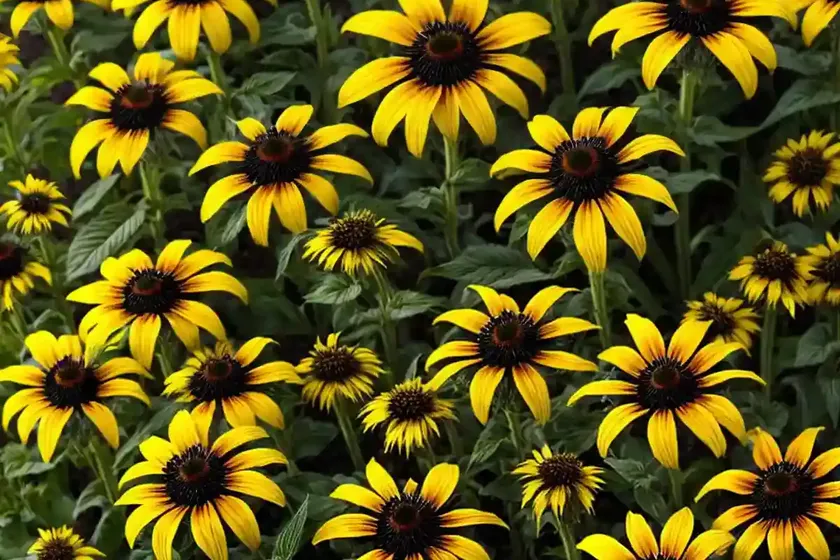
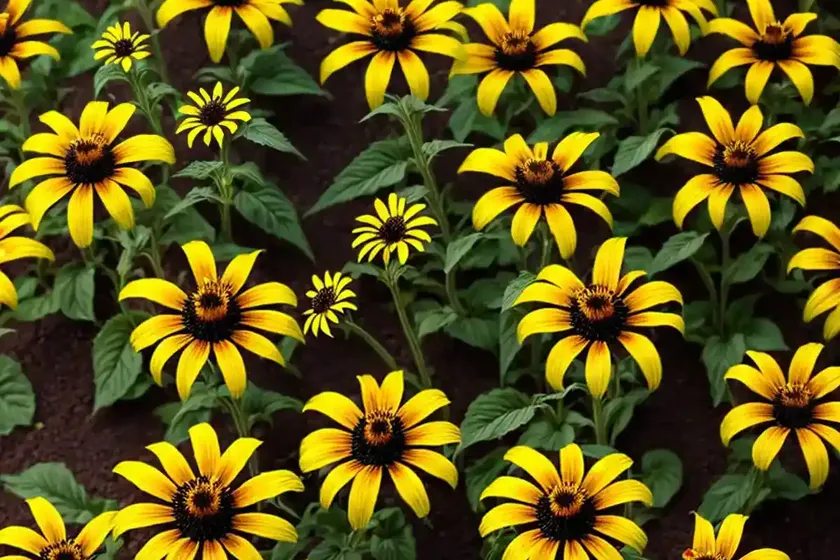
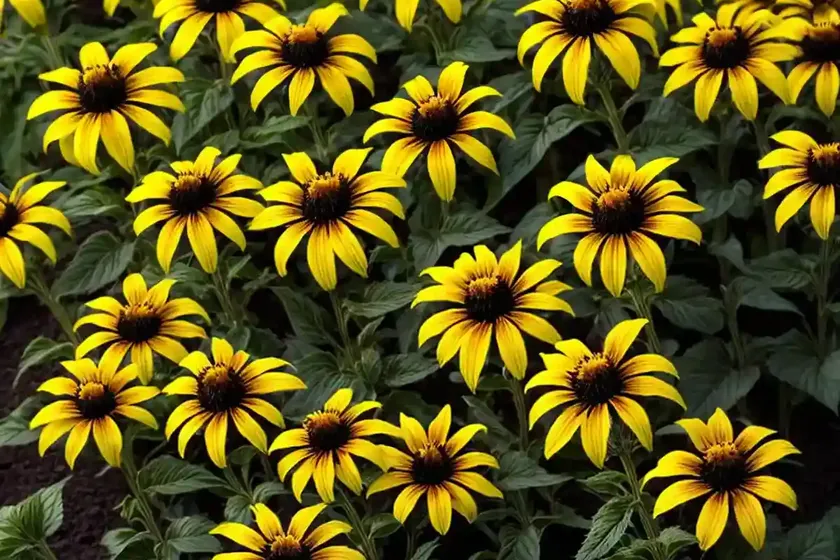
Rudbeckia hirta ‘Prairie Sun’, commonly known as Black-Eyed Susan, is a stunning flowering plant that belongs to the sunflower family, Asteraceae. This vibrant species is a native plant to North America and is widely celebrated for its striking golden petals with a dark brown center. The ‘Prairie Sun’ variety is a cultivar of the native species, Rudbeckia hirta.
In this comprehensive guide, we will delve into the various aspects of Rudbeckia hirta ‘Prairie Sun’. From its cultural requirements to maintenance and propagation, we will explore every facet of this marvelous plant. Whether you are an experienced gardener or a novice enthusiast, this guide will equip you with valuable insights into growing and caring for Rudbeckia hirta ‘Prairie Sun’.
Key Takeaways – Rudbeckia hirta ‘Prairie Sun’
Before we immerse ourselves in the intricate details of Rudbeckia hirta ‘Prairie Sun’, let’s outline the key takeaways:
- Scientific Name: Rudbeckia hirta ‘Prairie Sun’
- Common Name: Black-Eyed Susan
- Plant Type: Herbaceous flowering perennial
- Sunlight Needs: Full sun to partial shade
- Watering: Moderate watering needs
- Soil Type: Well-drained, fertile soil
- Height: 18-24 inches
- Spread: 12-18 inches
- USDA Hardiness Zones: 4-9
- Bloom Time: Summer to early fall
- Attracts: Pollinators, butterflies
- Uses: Borders, containers, cut flowers, wildlife gardens
Now, let’s embark on a detailed exploration of Rudbeckia hirta ‘Prairie Sun’ and unravel the secrets to successfully growing and nurturing this enchanting plant.
What is Rudbeckia hirta ‘Prairie Sun’?
Rudbeckia hirta, commonly known as Black-Eyed Susan, is a beloved species of flowering plants in the genus Rudbeckia. The ‘Prairie Sun’ variety is a cultivated form of Rudbeckia hirta and is celebrated for its captivating golden and yellow blooms with a dark eye, enhancing the visual appeal of gardens and landscapes.
As a herbaceous perennial, Rudbeckia hirta ‘Prairie Sun’ exhibits a robust growth habit, producing a profusion of daisy-like flowers atop sturdy stems. The plant’s lush green foliage serves as an excellent backdrop to the vibrant blossoms, adding to its overall allure.
Culture
Water
Rudbeckia hirta ‘Prairie Sun’ demonstrates moderate water requirements and is well-suited to average moisture conditions. It is essential to maintain consistent soil moisture, particularly during the plant’s establishment phase and throughout the blooming period. However, it’s crucial to avoid overwatering, as excessively wet soil can lead to root rot and other detrimental conditions.
Sunlight
This radiant beauty thrives in full sun to partial shade, exhibiting its best growth and blooming potential when provided with ample sunlight. When selecting a planting location, prioritize areas that receive at least 6-8 hours of sunlight daily to ensure the plant’s vigor and prolific flowering.
Fertilizer
When it comes to fertilization, Rudbeckia hirta ‘Prairie Sun’ benefits from periodic feedings of a balanced, all-purpose fertilizer. Apply the fertilizer in early spring as new growth emerges, and refrain from excessive use of high-nitrogen fertilizers, as this can lead to vigorous foliage growth at the expense of flower production.
Soil
The ideal soil for Rudbeckia hirta ‘Prairie Sun’ is well-drained, rich, and loamy, offering the perfect foundation for the plant to establish its root system and thrive. Prior to planting, ensure that the soil is amended with organic matter to enhance its fertility and drainage capabilities.
Pruning
Pruning is a crucial aspect of maintaining the health and appearance of Rudbeckia hirta ‘Prairie Sun’. It is recommended to deadhead the plant regularly, removing spent blooms to encourage continuous flowering and prevent the formation of seeds. Additionally, pruning back the stems after the blooming season can maintain a tidy appearance and stimulate the production of new growth.
Propagation
Rudbeckia hirta ‘Prairie Sun’ can be propagated through various methods, including division, seeds, and cuttings:
- Division: Divide mature clumps of the plant in early spring or fall, ensuring that each division contains sufficient roots and shoots to support its growth.
- Seeds: Collect mature seeds from the flower heads and sow them in well-prepared seed-starting trays indoors. Transplant the seedlings into the garden once they have developed sufficient size and vigor.
- Cuttings: Root cuttings can also be taken from the plant in early spring, using healthy, non-flowering stems to propagate new plants.
Container Popularity
Rudbeckia hirta ‘Prairie Sun’ is well-suited for container cultivation, adding a splash of radiant color to patios, decks, and balconies. The compact growth habit of this variety makes it an excellent choice for container gardening, allowing enthusiasts to enjoy its captivating blooms up close.
Common Diseases
Rudbeckia hirta ‘Prairie Sun’ is relatively resistant to diseases, but there are a few potential issues that may arise, including:
- Powdery Mildew: This fungal disease can affect the foliage of the plant, resulting in a powdery white coating. Providing adequate air circulation and spacing plants appropriately can help prevent this condition.
- Septoria Leaf Spot: Characterized by the formation of dark spots on the leaves, this fungal disease can be managed through proper sanitation and the removal of affected plant tissue.
Disease Diagnosis
When diagnosing potential diseases affecting Rudbeckia hirta ‘Prairie Sun’, carefully inspect the plant for symptoms such as abnormal discoloration, wilting, or the presence of unusual coatings on the foliage. If disease symptoms are observed, promptly address the issue through appropriate cultural practices, and consider the targeted application of fungicides if the condition persists.
Common Pests
While Rudbeckia hirta ‘Prairie Sun’ is relatively resistant to pest infestations, it may occasionally attract certain pests, such as:
- Aphids: These small, sap-sucking insects can cluster on the tender growth of the plant, causing distortion and discoloration of foliage. Manual removal and the application of insecticidal soap can effectively control aphid populations.
- Japanese Beetles: These voracious feeders can devour the foliage and petals of Rudbeckia hirta ‘Prairie Sun’. Consider employing physical exclusion techniques or organic insecticides to manage Japanese beetle populations.
Botanist’s Tips
To ensure the optimal growth and performance of Rudbeckia hirta ‘Prairie Sun’, consider the following botanist’s tips:
- Regular Deadheading: Deadheading the plant promotes continuous flowering, prolonging the visual appeal of the blooms and preventing self-seeding.
- Supportive Structures: In regions with strong winds or heavy rainfall, provide support to the stems of Rudbeckia hirta ‘Prairie Sun’ using stakes or rings to prevent lodging and damage.
Fun Facts
- The common name “Black-Eyed Susan” is derived from the dark, disc-shaped center of the flower, resembling a black eye.
- Rudbeckia hirta ‘Prairie Sun’ is a valuable nectar source for butterflies and various pollinators, contributing to the ecological diversity of gardens and natural habitats.
Links to External Resources
To further explore the world of Rudbeckia hirta ‘Prairie Sun’, consider referring to the following external resources:
- The Spruce – Growing Black-Eyed Susan (Rudbeckia) Flowers
- University of Maryland Extension – Rudbeckia for the Garden
- Royal Horticultural Society – Rudbeckia hirta ‘Prairie Sun’
In the next segment, we will delve into the specific characteristics, growing conditions, and unique attributes of Rudbeckia hirta ‘Prairie Sun’, providing a comprehensive understanding of this enchanting plant.
This is the first half of the blog post. Let me continue with the next sections.