All About Rudbeckia hirta ‘Goldilocks’ (Black-Eyed Susan)
Rudbeckia hirta, also known as Black-Eyed Susan, is a delightful and charming flowering plant that is cherished by gardeners for its bright and cheery blooms. Among the various cultivars of Rudbeckia hirta, the ‘Goldilocks’ variety stands out for its unique characteristics and ease of cultivation. In this comprehensive guide, we will delve into the world of Rudbeckia hirta ‘Goldilocks’, exploring every aspect from its cultural requirements and propagation to its landscape uses and fun facts.
What is Rudbeckia hirta ‘Goldilocks’?
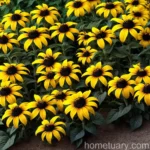
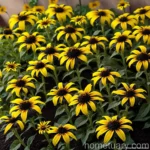
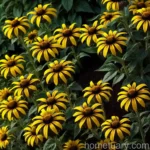
Rudbeckia hirta ‘Goldilocks’ is a cultivar of the species Rudbeckia hirta, which is a member of the Asteraceae family. It is native to North America and is widely cultivated for its ornamental value. The ‘Goldilocks’ variety is distinguished by its golden-yellow flowers with a prominent dark brown or black center, which gives it the classic “black-eyed” appearance.
Key Takeaways – Rudbeckia hirta ‘Goldilocks’
Before we delve into the details, let’s take a quick look at the key takeaways of Rudbeckia hirta ‘Goldilocks’:
- Plant Type: Herbaceous perennial
- Height: 12-24 inches
- Spread: 12-18 inches
- Sunlight: Full sun to partial shade
- Water: Moderate to low
- Soil: Well-drained, fertile soil
- Hardiness Zone: 3-7
- Bloom Time: Summer to early fall
- Uses: Borders, mass plantings, containers, cut flowers, wildlife gardens
Now that we have an overview, let’s dive deeper into the various aspects of growing and caring for Rudbeckia hirta ‘Goldilocks’.
Culture
Rudbeckia hirta ‘Goldilocks’ is known for its easy-going nature and ability to thrive in a variety of growing conditions. Here are some cultural considerations when it comes to this delightful plant:
-
Hardiness Zone: Rudbeckia hirta ‘Goldilocks’ is well-suited for hardiness zones 3-7, making it an ideal choice for a wide range of regions.
-
Soil: It prefers well-drained, fertile soil. Amending the soil with organic matter such as compost can enhance its growth and flowering.
-
Water: While established plants have good drought tolerance, consistent moisture is beneficial for optimal growth and flowering. However, it is important to avoid waterlogged conditions, as this can lead to root rot.
-
Sunlight: Full sun is ideal for Rudbeckia hirta ‘Goldilocks’, as it promotes abundant flowering and sturdy plant growth. However, it can tolerate partial shade, especially in regions with hot summers.
Uses
The versatility of Rudbeckia hirta ‘Goldilocks’ makes it a popular choice for various uses in the garden and landscape. Here are some of its primary uses:
-
Borders: The bright and cheerful blooms of Rudbeckia hirta ‘Goldilocks’ make it a wonderful addition to garden borders, where it can create stunning visual impact and attract pollinators.
-
Mass Plantings: When planted en masse, this cultivar can form a spectacular display, especially when grown in drifts or large clusters.
-
Containers: Its compact growth habit makes it suitable for container gardening, allowing you to enjoy its vibrant blooms on patios, balconies, or any outdoor space with adequate sunlight.
-
Cut Flowers: The long-lasting blooms of Rudbeckia hirta ‘Goldilocks’ are excellent for cut flower arrangements, bringing a touch of warmth and radiance to indoor spaces.
-
Wildlife Gardens: Its nectar-rich flowers attract bees, butterflies, and other beneficial pollinators, making it a valuable addition to wildlife-friendly gardens.
Water
When it comes to watering Rudbeckia hirta ‘Goldilocks’, it is important to strike a balance that provides adequate moisture without leading to waterlogged conditions. Here are some watering tips for this delightful plant:
-
Established Plants: Once established, Rudbeckia hirta ‘Goldilocks’ demonstrates good drought tolerance and can thrive with minimal supplemental watering. However, during prolonged dry spells, providing moderate water can support its overall health and flowering.
-
Young Plants: Newly planted or young Rudbeckia hirta ‘Goldilocks’ may benefit from slightly more frequent watering to aid in the establishment of their root systems. However, it is important to avoid overwatering, as this can be detrimental to their growth.
-
Avoid Waterlogged Conditions: Overly wet soil can lead to root rot and other issues. Therefore, it is essential to ensure that the soil has good drainage, especially in regions with heavy rainfall.
Sunlight
Proper sunlight is essential for the lush growth and abundant flowering of Rudbeckia hirta ‘Goldilocks’. Here are some considerations regarding its sunlight requirements:
-
Full Sun: This cultivar thrives in full sun, receiving at least 6-8 hours of direct sunlight per day. In such conditions, it produces an abundance of bright, golden-yellow blooms that serve as a beacon for pollinators.
-
Partial Shade: While Rudbeckia hirta ‘Goldilocks’ prefers full sun, it can tolerate partial shade, especially in regions with intense summer heat. However, it is important to ensure that it still receives an adequate amount of sunlight to support healthy growth and flowering.
-
Shade Considerations: In partially shaded areas, it is essential to monitor the plant for signs of stretching or reduced flowering, as this could indicate insufficient light.
Fertilizer
Proper fertilization can support the vigor and blooming of Rudbeckia hirta ‘Goldilocks’. Here are some guidelines for fertilizing this delightful plant:
-
Timing: Apply a balanced, all-purpose fertilizer in early spring as new growth emerges. This initial application provides essential nutrients for the plant’s development and upcoming flowering.
-
Subsequent Feedings: As a low-maintenance plant, Rudbeckia hirta ‘Goldilocks’ does not have high fertility requirements. However, a light application of a balanced fertilizer in early summer can offer an additional boost for continuous blooming.
-
Avoid Over-Fertilization: Excessive fertilization can lead to overly lush growth and reduced flowering. It is important to follow the recommended application rates and avoid applying fertilizer to dry soil, as this can cause root burn.
-
Organic Options: Organic fertilizers, such as compost or well-aged manure, can be beneficial for enriching the soil and supplying a slow-release source of nutrients.
Soil
The right soil conditions play a crucial role in the growth and overall health of Rudbeckia hirta ‘Goldilocks’. Here’s what you need to know about its soil preferences:
-
Well-Drained Soil: Rudbeckia hirta ‘Goldilocks’ thrives in well-drained soil that prevents water from pooling around the roots. This is particularly important in regions with heavy or clay soils, where amendments such as perlite or compost can improve drainage.
-
Fertile Soil: While this cultivar is adaptable to different soil types, it performs best in fertile soil enriched with organic matter. Amending the soil with compost or aged manure can provide the necessary nutrients for robust growth and abundant flowering.
-
pH Level: Rudbeckia hirta ‘Goldilocks’ prefers slightly acidic to neutral soil with a pH range of 6.0-7.0. Regular soil testing can help ensure that the pH levels are within the optimal range for this delightful plant.
Pruning
Pruning plays a key role in maintaining the appearance and vitality of Rudbeckia hirta ‘Goldilocks’. Here are some essential pruning tips for this cultivar:
-
Deadheading: Regular deadheading, which involves removing spent blooms, can prolong the flowering period of Rudbeckia hirta ‘Goldilocks’. This simple practice helps redirect the plant’s energy towards producing new blooms, ensuring a continuous display of color.
-
Cutting Back: In late fall or early spring, cutting back the spent foliage and stems can rejuvenate the plant and promote healthy regrowth. Removing any dead or damaged growth also helps maintain its overall appearance.
-
Division: Every 3-4 years, dividing mature clumps of Rudbeckia hirta ‘Goldilocks’ can help rejuvenate the plant, prevent overcrowding, and promote better flowering. This is typically done in spring or early fall.
Propagation
Propagating Rudbeckia hirta ‘Goldilocks’ can be a rewarding endeavor, allowing you to expand your collection of these charming plants. Here are the primary methods of propagation for this cultivar:
-
Division: Dividing established clumps in early spring or early fall is a reliable way to propagate Rudbeckia hirta ‘Goldilocks’. Each division should have a good portion of roots and healthy shoots to ensure successful establishment.
-
Seeds: Collecting and sowing seeds from mature Rudbeckia hirta ‘Goldilocks’ plants can yield new seedlings for your garden. Sow the seeds in well-prepared soil in early spring or fall, ensuring consistent moisture for germination.
-
Root Cuttings: While less common, Rudbeckia hirta ‘Goldilocks’ can also be propagated from root cuttings. This method involves carefully taking root sections and propagating them in a suitable growing medium to develop new plants.
Container Popularity
Rudbeckia hirta ‘Goldilocks’ is well-suited for container gardening, offering a burst of vibrant color and visual interest in outdoor spaces. Its compact growth habit and bright blooms make it an excellent choice for various container arrangements, from standalone planters to mixed compositions with complementary companions.
Container Considerations:
-
Size: Choose a container that provides ample room for the plant’s roots and accommodates its mature size. A depth of at least 12 inches is typically recommended for Rudbeckia hirta ‘Goldilocks’.
-
Drainage: Ensure that the container has adequate drainage holes to prevent waterlogging, as this can be detrimental to the plant’s health.
-
Growing Medium: Select a high-quality potting mix that offers good drainage and aeration. Adding a slow-release fertilizer to the growing medium can provide essential nutrients for the plant’s growth.
-
Sunlight: Place the container in a location that receives plenty of sunlight, as this is crucial for the plant’s overall health and blooming.
-
Watering: Container-grown Rudbeckia hirta ‘Goldilocks’ may require more frequent watering, especially during hot and dry periods. However, it is important to avoid overwatering, as this can lead to root rot.
Common Diseases
While Rudbeckia hirta ‘Goldilocks’ is generally resistant to most diseases, it can occasionally encounter certain issues that affect its health and appearance. Here are some common diseases and potential preventive measures:
Common Diseases:
| Disease | Symptoms | Management |
|---|---|---|
| Powdery Mildew | White powdery patches on leaves and stems | Improve air circulation, avoid overhead watering, fungicides |
| Leaf Spot | Circular dark spots on leaves | Remove infected foliage, promote good air circulation |
| Root Rot | Wilting, yellowing leaves, stunted growth | Ensure well-drained soil, avoid overwatering, proper drainage |
Disease Diagnosis:
-
Powdery Mildew: This fungal disease presents as white, powdery patches on the upper surfaces of leaves and stems. It thrives in humid conditions and can be managed through cultural practices that improve air circulation, such as pruning to open up the plant canopy, and avoiding overhead watering. Fungicidal treatments may be warranted in severe cases.
-
Leaf Spot: Circular, dark spots on the foliage may indicate the presence of leaf spot diseases. Promptly removing and disposing of affected leaves can help limit the spread of the disease. Additionally, promoting good air circulation and avoiding overhead irrigation can reduce the risk of infection.
-
Root Rot: Symptoms of root rot include wilting, yellowing leaves, and stunted growth. To prevent this issue, it is crucial to ensure well-drained soil and avoid overwatering. Proper drainage practices and moderation in watering can help safeguard against root rot.
Common Pests
Rudbeckia hirta ‘Goldilocks’ can attract a variety of pests, though it is generally less susceptible compared to other plants. Here are some common pests that may affect this cultivar:
-
Aphids: These small, soft-bodied insects can cluster on the undersides of leaves, sucking sap from the plant. Natural predators such as ladybugs and lacewings can help keep aphid populations in check.
-
Slugs and Snails: These mollusks can feed on the foliage of Rudbeckia hirta ‘Goldilocks’, leaving behind ragged edges on the leaves. Utilizing physical barriers and applying organic slug and snail baits can help protect the plants.
-
Spider Mites: These tiny pests can cause stippling and webbing on the leaves, leading to reduced vigor and discolored foliage. Regularly spraying the plant with a strong jet of water can help control spider mite infestations.
-
Preventive Measures: To minimize pest issues, promoting overall plant health through proper cultural practices, including adequate watering and fertilization, is essential. Additionally, monitoring the plants regularly for pest activity allows for early intervention if necessary.
Botanist’s Tips
As a botanist who appreciates the beauty and resilience of plants, here are some additional tips to foster the successful growth and enjoyment of Rudbeckia hirta ‘Goldilocks’:
-
Companion Planting: Pairing Rudbeckia hirta ‘Goldilocks’ with other pollinator-friendly plants such as echinacea, salvia, and lavender can create an attractive and beneficial environment for garden visitors.
-
Naturalizing: Allowing Rudbeckia hirta ‘Goldilocks’ to naturalize in suitable areas of the garden can create captivating displays and contribute to the overall biodiversity of the landscape.
-
Wildlife Habitat: Embracing the wildlife-attracting qualities of this cultivar can enrich the garden ecosystem, attracting a diverse array of pollinators and contributing to the preservation of native flora and fauna.
Fun Facts
- The species name “hirta” is derived from the Latin word for “hairy,” a reference to the hairy stems and leaves of the plant.
- Rudbeckia hirta ‘Goldilocks’ is a popular choice for butterfly gardens, with its nectar-rich flowers serving as a valuable food source for these winged beauties.
- Native American tribes historically used various parts of Rudbeckia hirta for medicinal purposes, including treatments for ailments such as colds and flu.
As we conclude our exploration of Rudbeckia hirta ‘Goldilocks’, I hope you have gained valuable insights into the cultivation, care, and remarkable qualities of this delightful plant. Whether you are a seasoned gardener or a budding enthusiast, the ‘Goldilocks’ variety offers a wealth of beauty and opportunity for creating vibrant, pollinator-friendly landscapes.
Links to External Resources
For further information and resources on Rudbeckia hirta ‘Goldilocks’, you can explore the following links:
- Rudbeckia hirta ‘Goldilocks’ – Missouri Botanical Garden
- Growing Black-Eyed Susans – University of Vermont Extension
- Rudbeckia hirta – NC State Extension
- Black-Eyed Susan ‘Goldilocks’ – The Ohio State University
I hope these resources further enrich your knowledge and appreciation for the captivating Rudbeckia hirta ‘Goldilocks’.
As we’ve explored the remarkable attributes and cultivation of Rudbeckia hirta ‘Goldilocks’, I hope this guide serves as a valuable resource for fellow plant enthusiasts and gardeners. Whether you’re seeking to enhance your garden borders, attract pollinators, or bring a touch of natural beauty into your outdoor space, this cultivar offers an abundance of joy and visual splendor. Embracing the elegance and resilience of plants such as Rudbeckia hirta ‘Goldilocks’ allows us to cultivate not only gardens but also a deeper appreciation for the natural world. Happy gardening!
Keywords: Rudbeckia hirta varieties, Goldilocks Black-Eyed Susan, Rudbeckia hirta cultivars, Black-Eyed Susan Goldilocks variety, Rudbeckia hirta ‘Goldilocks’ characteristics, Growing Rudbeckia hirta ‘Goldilocks’, Rudbeckia hirta ‘Goldilocks’ care tips, Black-Eyed Susan hybrids, Rudbeckia hirta ‘Goldilocks’ planting guide, How to propagate Rudbeckia hirta ‘Goldilocks’, Rudbeckia hirta ‘Goldilocks’ flower features, Black-Eyed Susan ‘Goldilocks’ benefits, Rudbeckia hirta ‘Goldilocks’ bloom time, Rudbeckia hirta ‘Goldilocks’ disease resistance, Rudbeckia hirta ‘Goldilocks’ companion plants, Black-Eyed Susan ‘Goldilocks’ landscape ideas, Best soil for Rudbeckia hirta ‘Goldilocks’, Rudbeckia hirta ‘Goldilocks’ watering needs, Rudbeckia hirta ‘Goldilocks’ sun requirements, Black-Eyed Susan ‘Goldilocks’ garden design, Rudbeckia hirta ‘Goldilocks’ perennial qualities, Rudbeckia hirta ‘Goldilocks’ wildlife attraction, Black-Eyed Susan ‘Goldilocks’ planting season, Rudbeckia hirta ‘Goldilocks’ pollinator-friendly, How to care for Black-Eyed Susan ‘Goldilocks’, Rudbeckia hirta ‘Goldilocks’ medicinal uses, Rudbeckia hirta ‘Goldilocks’ native habitat, Black-Eyed Susan ‘Goldilocks’ seed saving tips, Rudbeckia hirta ‘Goldilocks’ cutting flowers, Rudbeckia hirta ‘Goldilocks’ garden maintenance, Black-Eyed Susan ‘Goldilocks’ drought tolerance, Rudbeckia hirta ‘Goldilocks’ garden pests, Rudbeckia hirta ‘Goldilocks’ container gardening, Rudbeckia hirta ‘Goldilocks’ naturalizing, Black-Eyed Susan ‘Goldilocks’ flower arrangement, Rudbeckia hirta ‘Goldilocks’ seasonality, Rudbeckia hirta ‘Goldilocks’ pruning tips, Rudbeckia hirta ‘Goldilocks’ winter care, Black-Eyed Susan ‘Goldilocks’ hardiness zone, Rudbeckia hirta ‘Goldilocks’ landscape uses, Rudbeckia hirta ‘Goldil