Syringa vulgaris ‘Albert F. Holden’ (Lilac): A Complete Guide
Syringa vulgaris ‘Albert F. Holden’ is a beautiful and fragrant cultivar of the common lilac. This stunning flowering shrub is prized for its colorful and aromatic blooms, making it a popular choice for gardens and landscapes. In this comprehensive guide, we’ll explore everything you need to know about the Syringa vulgaris ‘Albert F. Holden’ – from its description and care requirements to its uses, propagation, and common diseases. Whether you’re a seasoned gardener or a novice plant enthusiast, this guide will provide you with valuable insights into cultivating and enjoying this delightful plant.
What is Syringa vulgaris ‘Albert F. Holden’?
Syringa vulgaris, commonly known as the common lilac, is a deciduous shrub belonging to the family Oleaceae. It is native to the Balkan Peninsula and is widely cultivated for its ornamental and fragrant flowers. ‘Albert F. Holden’ is a specific cultivar of Syringa vulgaris, known for its distinctive characteristics and appeal.
Description
The Syringa vulgaris ‘Albert F. Holden’ features:
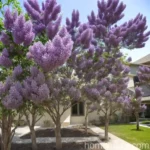
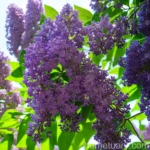
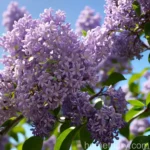
- Flowers: The flowers are tubular and bloom in compact, showy clusters known as panicles. They are known for their exquisite fragrance and come in various shades of purple, lilac, and white.
- Foliage: The leaves are heart-shaped and rich green, providing an attractive backdrop to the colorful blossoms.
- Growth Habit: This lilac cultivar typically grows into a large, spreading shrub with an upright form, reaching heights of 8 to 15 feet.
- Fragrance: One of the most distinctive features of ‘Albert F. Holden’ is its intoxicating fragrance, which fills the air with a sweet and floral aroma, attracting pollinators and delighting garden enthusiasts.
Key Takeaways – Syringa vulgaris ‘Albert F. Holden’
Before delving into the specifics of cultivation and care, let’s explore the key takeaways associated with Syringa vulgaris ‘Albert F. Holden’ to provide a comprehensive overview of its characteristics.
Culture
- Botanical Name: Syringa vulgaris ‘Albert F. Holden’
- Common Name: Lilac
- Type: Deciduous shrub
- Hardiness Zones: 3 to 7
- Mature Height: 8 to 15 feet
- Mature Spread: 6 to 12 feet
- Bloom Time: Late spring to early summer
- Sunlight: Full sun to partial shade
- Soil: Well-draining, fertile soil
- Water: Regular watering, especially during dry periods
- Fertilizer: Balanced, slow-release fertilizer in spring
Uses
- Landscape Ornamental: ‘Albert F. Holden’ is commonly used as a focal point in landscapes, often planted as a specimen shrub or in groupings for a stunning display of color and fragrance.
- Cut Flowers: The fragrant blooms are popular for cutting and using in floral arrangements, bringing the beauty and scent of the garden into homes and events.
- Wildlife Attraction: The fragrant flowers of ‘Albert F. Holden’ attract pollinators like bees and butterflies, adding a lively charm to the garden.
Now, let’s delve deeper into the specific care requirements for cultivating and nurturing Syringa vulgaris ‘Albert F. Holden’.
Water
Proper watering is essential for the health and vitality of Syringa vulgaris ‘Albert F. Holden’. Here are some key points to consider when it comes to watering this beautiful shrub:
- Regular Watering: Lilacs, including ‘Albert F. Holden’, benefit from consistent moisture, especially during dry periods. Adequate watering supports healthy growth and robust flowering.
- Established Plants: Once established, ‘Albert F. Holden’ is moderately drought-tolerant. However, it’s important to monitor soil moisture during prolonged dry spells.
- Avoid Waterlogging: While ‘Albert F. Holden’ appreciates moist soil, it’s crucial to ensure that the planting site has well-draining soil to prevent waterlogging, which can lead to root rot.
Sunlight
The right amount of sunlight is crucial for promoting healthy growth and abundant flowering in Syringa vulgaris ‘Albert F. Holden’:
- Full Sun: ‘Albert F. Holden’ thrives in full sun, receiving at least 6 to 8 hours of direct sunlight per day. Adequate sunlight encourages robust blooming and helps prevent issues such as powdery mildew, a common problem in shaded, damp conditions.
- Partial Shade: While ‘Albert F. Holden’ prefers full sun, it can tolerate partial shade, especially in regions with intense afternoon sun or during exceptionally hot summers.
Fertilizer
Proper fertilization plays a key role in providing the necessary nutrients for Syringa vulgaris ‘Albert F. Holden’ to flourish:
- Fertilizer Type: Use a balanced, slow-release fertilizer formulated for flowering shrubs in early spring before new growth begins. Avoid excessive nitrogen, as it can lead to lush foliage at the expense of flower production.
- Application Rate: Follow the manufacturer’s recommendations for application rates based on the size and age of the shrub.
The right soil conditions are essential for the health and vitality of Syringa vulgaris ‘Albert F. Holden’:
- Well-Draining Soil: ‘Albert F. Holden’ thrives in well-draining, fertile soil with a slightly acidic to neutral pH (pH 6.5 to 7.0).
- Amendments: Incorporating organic matter, such as compost or well-rotted manure, into the planting site enhances soil structure, fertility, and moisture retention.
Pruning
Pruning is an essential aspect of maintaining the health, shape, and flowering performance of Syringa vulgaris ‘Albert F. Holden’:
- Pruning Time: Prune ‘Albert F. Holden’ immediately after flowering to promote the development of next year’s blooms. Late pruning can remove the forming flower buds.
- Deadheading: Removing spent flowers not only enhances the plant’s appearance but also encourages reblooming and prevents the formation of seeds that can divert energy away from flower production.
Propagation
For gardeners interested in propagating Syringa vulgaris ‘Albert F. Holden’, there are several methods to consider:
- Cuttings: Propagation from semi-hardwood cuttings taken in mid-summer is a common and effective technique for creating new ‘Albert F. Holden’ plants.
- Division: Dividing mature shrubs in early spring before new growth appears can also be used to propagate ‘Albert F. Holden’, resulting in clones of the parent plant.
Container Popularity
‘Albert F. Holden’ is a popular choice for container gardening, offering a burst of fragrance and color in a compact form:
- Container Selection: Choose a large container with adequate drainage holes and space for the shrub’s roots to grow.
- Soil Mix: Use a well-draining potting mix formulated for shrubs and incorporate organic matter to promote healthy root development.
Common Diseases
As with any plant, Syringa vulgaris ‘Albert F. Holden’ is susceptible to certain diseases and pests:
- Powdery Mildew: This fungal disease can affect lilacs, especially in shaded, damp conditions. To prevent powdery mildew, ensure proper spacing and ventilation around ‘Albert F. Holden’ plants.
Disease Diagnosis
Early detection and proper identification of diseases are crucial for implementing effective control measures:
- Symptoms of Powdery Mildew: Look for white powdery patches on the leaves and stems, which can distort growth and lead to premature leaf drop.
Common Pests
Several pests can potentially affect Syringa vulgaris ‘Albert F. Holden’:
- Lilac Borer: The larvae of the lilac borer can tunnel into the stems of ‘Albert F. Holden’, causing damage and weakening the shrub.
Botanist’s Tips
To ensure the success of your ‘Albert F. Holden’ and other lilacs, consider the following tips from botanists and gardening experts:
- Moderate Pruning: While pruning is important, avoid excessive or severe pruning, as it can reduce flowering in the following season and compromise the shrub’s aesthetics.
- Mulching: Apply a layer of organic mulch around ‘Albert F. Holden’ to conserve moisture, suppress weeds, and insulate the soil, promoting overall plant health.
Fun Facts
- Historical Significance: Lilacs have a rich history and cultural significance, being cherished for centuries for their beauty and fragrance. They are often associated with love, romance, and the arrival of spring.
- Fragrance Variations: While ‘Albert F. Holden’ is known for its sweet and floral fragrance, individual plants can exhibit slight variations, with some being more intense or subtle in their aroma.
Now that we’ve covered the essential aspects of cultivating and caring for Syringa vulgaris ‘Albert F. Holden’, let’s explore additional resources and external links for further information and guidance.
Links to External Resources
Plant Name: Syringa vulgaris ‘Albert F. Holden’ (Lilac)
- The Spruce – How to Grow and Care for Lilac Shrubs
- Royal Horticultural Society – Lilacs: Planting and Care
- University of Minnesota Extension – Common Lilac (Syringa vulgaris)
- American Society for the Prevention of Cruelty to Animals – Toxic and Non-Toxic Plants: Lilac
The diverse range of resources available offers insights on various aspects of growing, nurturing, and enjoying Syringa vulgaris ‘Albert F. Holden’. Whether you’re seeking practical care tips, historical and cultural information, or detailed botanical descriptions, these resources are valuable references for enthusiasts and horticultural enthusiasts alike.
In conclusion, Syringa vulgaris ‘Albert F. Holden’ (Lilac) is a captivating and rewarding shrub that adds beauty, fragrance, and vitality to gardens and landscapes. By understanding its care requirements, uses, and characteristics, gardeners can fully appreciate and cultivate this cherished plant. Whether used as a focal point in a garden, a source of cut flowers, or a habitat for pollinators, ‘Albert F. Holden’ continues to enchant and inspire with its timeless allure.
By following the guidelines outlined in this complete guide, plant enthusiasts can cultivate thriving ‘Albert F. Holden’ shrubs and revel in the charm and splendor of lilacs for years to come.