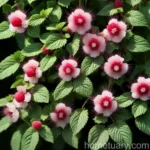
Rubus parviflorus (Thimbleberry): A Comprehensive Guide
Rubus parviflorus, commonly known as thimbleberry, is a deciduous shrub species that belongs to the rose family (Rosaceae). This native North American plant is known for its edible fruit, unique cultural significance, and ecological importance. In this comprehensive guide, we will explore the various facets of Rubus parviflorus, including its culture, uses, habitat, ecological role, and much more. By the end of this blog, you will have a deeper understanding of the plant and its significance in various contexts.
What is Rubus parviflorus (Thimbleberry)?
Rubus parviflorus, or thimbleberry, is a species of flowering plant that is native to North America, particularly in the Pacific Northwest. It is a deciduous shrub that typically grows in forest understories, along streambanks, and in other moist woodland habitats. Its distinct leaves, white to pale pink flowers, and edible fruit make it an important component of the region’s natural ecosystems as well as traditional cultural practices.
Key Takeaways – Rubus parviflorus (Thimbleberry)
Before delving deeper into the intricacies of Rubus parviflorus, let’s outline the key takeaways that will guide our exploration of this remarkable plant:
- Common Name: Thimbleberry
- Scientific Name: Rubus parviflorus
- Family: Rosaceae
- Habitat: Native to North America, particularly the Pacific Northwest
- Fruit: Edible, red aggregate fruit
- Cultural Significance: Traditional uses in Native American cultures, folklore, and ecological importance
- Growth Habit: Deciduous shrub, commonly found in forest understories and moist woodlands
- Conservation Status: Varied across its native range
- Ecosystem Role: Provides habitat and food for wildlife, and supports ecological diversity
Now that we have a broad understanding of what Rubus parviflorus is, let’s explore its various aspects in detail.
Culture
Understanding the cultural and historical context of Rubus parviflorus is critical to appreciating its significance beyond its ecological role. The plant has been traditionally utilized by Native American tribes for various purposes, ranging from food and medicine to craft materials and cultural symbolism. It has also found a place in folklore and traditional music, making it an integral part of the cultural fabric of the regions where it thrives.
Uses
Traditional Uses in Native American Cultures
Rubus parviflorus has a rich history of traditional uses among Native American tribes, particularly those living in the plant’s native range. The berries were a valuable food source and were consumed fresh or used in various culinary preparations. The leaves and stems were employed in basketry and as a source of natural dyes. Medicinally, various parts of the plant were used to treat ailments such as diarrhea, sore throats, and wounds.
Folklore and Cultural Symbolism
In addition to its practical uses, thimbleberry holds cultural significance in the folklore and traditions of indigenous peoples. It features in creation stories and traditional music, and its berries have been associated with mythical narratives. The plant’s symbolism often extends to themes of sustenance, resilience, and interconnectedness with the natural world.
Water
Rubus parviflorus is typically found in moist habitats, and it thrives in well-drained, moderately moist soils. While it can tolerate some drought once established, consistent moisture is beneficial, especially during its active growth periods. When planting thimbleberry, ensuring adequate water availability through natural rainfall or supplemental irrigation can promote healthy growth and fruit production.
Sunlight
In its natural habitat, thimbleberry is often found in shaded or partially shaded environments, such as forest understories and along streambanks. However, it can also tolerate some degree of dappled sunlight or partial shade. When cultivating thimbleberry in a garden setting, providing it with dappled sunlight or partial shade can mimic its natural habitat and support its overall health and productivity.
Fertilizer
Given its preference for nutrient-rich soils, Rubus parviflorus may benefit from organic mulches or compost applications, especially when grown in gardens or landscaping settings. Organic matter can help improve soil structure, moisture retention, and nutrient availability, creating an ideal growing environment for thimbleberry. Additionally, a balanced fertilizer formula specifically designed for fruit-bearing shrubs can be applied in spring to support healthy growth.
Soil
Thimbleberry thrives in well-drained soils with a rich organic content. It is often found in forest soils that have a high concentration of organic matter, providing the plant with essential nutrients and moisture retention. When cultivating thimbleberry in a garden or landscaping setting, ensuring the soil is well-drained and amended with organic matter can help mimic its natural habitat and promote optimal growth and fruit production.
Pruning
Propagation
Container Popularity
Container
Common Diseases
Disease Diagnosis
Common Pests
Botanist’s Tips
Fun Facts
Plant Name: “Rubus parviflorus (Thimbleberry)”
As we delve into the various aspects of thimbleberry, it’s important to note the numerous practical, cultural, and ecological dimensions associated with this plant.
Links to External Resources
- Thimbleberry: A Traditional Food of Native Peoples in the Pacific Northwest
- Rubus parviflorus: Plant Fact Sheet
- The Cultural Significance of Thimbleberry
- Rubus parviflorus: A Guide to Identification and Usage
With a comprehensive understanding of Rubus parviflorus, including its cultural, ecological, and practical dimensions, we are better equipped to appreciate and utilize this remarkable plant. From its traditional uses in Native American cultures to its ecological role in supporting wildlife and diverse ecosystems, thimbleberry stands as a testament to the interconnectedness of plant species with human cultures and the environment.