What is the Roseshell Azalea (Rhododendron prinophyllum)?
The Roseshell Azalea, scientifically known as Rhododendron prinophyllum, is an enchanting flowering shrub that belongs to the Ericaceae family. Endemic to North America, this beautiful plant is cherished for its stunning blooms, fragrant flowers, and its ability to thrive in woodland settings. As a plant scientist, I could not be more thrilled to delve into the captivating world of the Roseshell Azalea and share insights into its culture, uses, maintenance, and much more.
Key Takeaways – Roseshell Azalea (Rhododendron prinophyllum)
Before we explore the details of the Roseshell Azalea, let’s take a moment to highlight some key takeaways that we will delve into in this comprehensive guide:
- Culture: Understanding the ideal growing conditions and cultural requirements.
- Uses: Exploring the various uses and applications of the Roseshell Azalea.
- Water: Addressing the specific watering needs and considerations.
- Sunlight: Unveiling the optimal sunlight requirements.
- Fertilizer: Explaining the role of fertilization in maintaining the health of the plant.
- Soil: Investigating the soil preferences and characteristics.
- Pruning: Delving into the best practices for pruning this delightful shrub.
- Propagation: Exploring the methods for propagating the Roseshell Azalea.
- Container Popularity: Understanding its suitability for container gardening.
- Common Diseases: Identifying prevalent diseases and preventive measures.
- Common Pests: Addressing common pest concerns and control strategies.
- Botanist’s Tips: Providing expert tips and recommendations for cultivating this species.
- Fun Facts: Uncovering intriguing and lesser-known facts about the Roseshell Azalea.
Now, let’s embark on an enriching journey to explore the enchanting world of the Roseshell Azalea, covering crucial aspects such as its characteristics, cultivation, care, and maintenance.
Plant Name: “Roseshell Azalea (Rhododendron prinophyllum)”
Scientific Name: Rhododendron prinophyllum
Common Name: Roseshell Azalea
Family: Ericaceae
USDA Hardiness Zones: 4-7
In the subsequent sections, we will unravel the remarkable attributes of the Roseshell Azalea and provide valuable insights into its care and cultivation.
Culture of Roseshell Azalea
Cultivating the Roseshell Azalea involves understanding its specific cultural requirements to ensure optimal growth and thriving blooms. Let’s explore the crucial cultural aspects that contribute to the successful cultivation of this delightful flowering shrub.
Uses
The Roseshell Azalea holds significant value in various settings, from home gardens to natural landscapes. Its uses extend beyond its aesthetic appeal, encompassing ecological significance and horticultural applications.
Water
Watering is a pivotal aspect of Roseshell Azalea care, influencing its overall health and flowering performance. Understanding its water requirements is essential for nurturing healthy and vibrant plants.
Sunlight
The sunlight preferences of the Roseshell Azalea are integral to its growth and flowering. Adequate exposure to sunlight is essential for promoting lush foliage and abundant blooms.
Fertilizer
Fertilization plays a crucial role in supporting the growth, vitality, and flowering capacity of the Roseshell Azalea. Discovering the appropriate fertilization approach is vital for sustaining the plant’s health and vigor.
Soil
The soil characteristics and composition significantly impact the growth and well-being of the Roseshell Azalea. Understanding its soil preferences is fundamental for creating the ideal growing environment.
Pruning
Pruning is an essential horticultural practice that influences the form, flowering, and overall vigor of the Roseshell Azalea. Adopting proper pruning techniques is pivotal for maintaining its beauty and health.
Propagation
Understanding the methods for propagating the Roseshell Azalea is valuable for expanding its presence in gardens and landscapes. Exploring propagation techniques unveils opportunities for multiplying this charming shrub.
Container Popularity
The Roseshell Azalea’s suitability for container gardening offers versatile opportunities for incorporating its beauty in diverse outdoor settings. Evaluating its container preferences and care requirements is beneficial for container gardening enthusiasts.
Common Diseases and Pest Control
The Roseshell Azalea, like many plants, is susceptible to certain diseases and pest infestations. Recognizing common diseases and pests, along with effective control measures, is essential for preserving the plant’s health and beauty.
Common Diseases
Understanding prevalent diseases, their symptoms, and preventative measures is critical for safeguarding the Roseshell Azalea from debilitating conditions.
Disease Diagnosis
Accurately diagnosing plant diseases is essential for implementing targeted treatment and preventive strategies. Gaining insights into disease diagnosis empowers gardeners to effectively manage potential health issues.
Common Pests
Identifying common pests that can afflict the Roseshell Azalea is essential for prompt intervention and control. Recognizing pest threats is vital for preserving the plant’s well-being.
Pest Control
Implementing effective pest control measures is crucial for mitigating pest damage and ensuring the sustained health of the Roseshell Azalea. Exploring pest control strategies is instrumental in preserving the plant’s vitality.
Botanist’s Tips and Fun Facts
As we immerse ourselves in the captivating world of the Roseshell Azalea, I am excited to share expert tips and intriguing facts that enrich our understanding and appreciation of this remarkable plant.
Botanist’s Tips
Drawing on botanical expertise, I will provide valuable tips and recommendations to guide enthusiasts in successfully cultivating and caring for the Roseshell Azalea.
Fun Facts
Unveiling fascinating and lesser-known facts about the Roseshell Azalea promises to captivate readers and deepen their admiration for this enchanting shrub.
Links to External Resources
To enrich the reader’s experience and facilitate further exploration, I will incorporate links to reputable external resources offering valuable insights, guidance, and visual references related to the cultivation and care of the Roseshell Azalea.
Stay tuned for the enlightening and enriching journey that awaits as we delve into the captivating world of the Roseshell Azalea!
Rhododendron prinophyllum Cultural Care Guide
The Roseshell Azalea, scientifically known as Rhododendron prinophyllum, is a remarkable flowering shrub that captivates with its vibrant blooms and delightful fragrance. Cultivating this enchanting plant in home gardens or natural landscapes is an enriching endeavor that necessitates an understanding of its specific cultural requirements. In this comprehensive cultural care guide, we will embark on a journey to explore the optimal conditions and key considerations for nurturing thriving Roseshell Azaleas.
Roseshell Azalea Characteristics
Understanding the distinctive characteristics of the Roseshell Azalea is instrumental in creating an environment that caters to its unique needs and enhances its aesthetic appeal. Let’s unveil the captivating characteristics that define this charming flowering shrub.
-
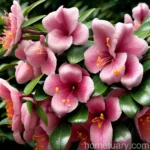
Flower Colors: The Roseshell Azalea graces gardens with an array of captivating flower colors, ranging from delicate shades of pink to vibrant hues of magenta. The enchanting blooms imbue the landscape with a captivating burst of color and visual allure.
-
Fragrance: A notable feature of the Roseshell Azalea is its delightful fragrance, which adds an aromatic dimension to outdoor spaces. The alluring scent of its blooms enriches the sensory experience and contributes to the plant’s allure.
-
Wildlife Value: Beyond its ornamental value, the Roseshell Azalea holds ecological significance, attracting pollinators and contributing to the biodiversity of natural habitats. Its blooms and foliage offer valuable resources to wildlife, underscoring its importance in supporting local ecosystems.
-
Autumn Foliage Color: In addition to its captivating blooms, the Roseshell Azalea offers an autumn foliage display characterized by stunning color variations. The transition to vibrant autumn hues further enriches the plant’s seasonal appeal.
-
Growth Habits: Understanding the growth habits of the Roseshell Azalea, including its form, size, and branching patterns, is essential for planning and managing its placement in the landscape.
-
Color Variations: The Roseshell Azalea exhibits captivating color variations in its blooms and foliage, presenting an ever-changing tapestry of hues throughout the growing season. Understanding these color variations enhances the visual impact of the plant in outdoor settings.
With an appreciation of the captivating characteristics that define the Roseshell Azalea, we are primed to delve into the cultural care aspects that are integral to its successful cultivation and sustained well-being.
Growing Roseshell Azalea: Cultivation and Care Insights
Cultivating the delightful Roseshell Azalea involves a nuanced approach that caters to its specific needs and preferences. As we embark on this enriching journey, we will delve into the optimal practices for growing and caring for this enchanting flowering shrub, encompassing crucial considerations such as its soil requirements, sunlight preferences, watering regimen, fertilization schedule, and more. Join me in exploring the essential insights that underpin the successful growth and flourishing of the Roseshell Azalea.
Roseshell Azalea Soil Requirements
The soil composition and characteristics play a pivotal role in supporting the health, vitality, and overall well-being of the Roseshell Azalea. Understanding its soil requirements and implementing appropriate soil management practices are fundamental for nurturing vibrant and thriving plants.
-
Soil Type: The Roseshell Azalea thrives in well-draining, acidic soils with rich organic content. A soil type characterized by good drainage and acidity promotes optimal root development and overall plant health.
-
Soil pH Preference: The ideal soil pH for the Roseshell Azalea ranges from 4.5 to 6.0, reflecting its preference for acidic growing conditions. Monitoring and maintaining the soil pH within this range is essential for supporting robust growth and blooming.
-
Soil Amendments: Incorporating organic matter, such as peat moss or compost, into the soil can enhance its structure, fertility, and moisture retention capacity. Amending the soil with organic materials contributes to creating a conducive growing environment for the Roseshell Azalea.
-
Mulching: Applying a layer of organic mulch around the base of the Roseshell Azalea helps conserve soil moisture, suppresses weed growth, and moderates soil temperature. Mulching contributes to maintaining optimal soil conditions for the plant’s well-being.
Roseshell Azalea Sunlight Needs
Sunlight is a vital factor that profoundly influences the growth, flowering, and overall vigor of the Roseshell Azalea. Understanding its sunlight requirements and optimizing its exposure to sunlight are essential for promoting strong, healthy plants with abundant blooms.
-
Light Exposure: The Roseshell Azalea thrives in partial shade to dappled sunlight conditions, appreciating protection from intense midday sun. Providing the plant with an environment characterized by filtered light and gentle sunlight exposure is conducive to its flourishing.
-
Site Selection: Choosing a suitable site with the right balance of sunlight and shade is pivotal for accommodating the Roseshell Azalea’s preferences. Selecting locations that offer gentle morning sun and filtered afternoon sun is advantageous for promoting optimal growth and flowering.
-
Shade Considerations: Partial shade conditions with protection from harsh, direct sunlight during the hottest part of the day are ideal for nurturing healthy and vibrant Roseshell Azalea plants.
Roseshell Azalea Watering Tips
Watering constitutes a fundamental aspect of Roseshell Azalea care, directly impacting its hydration, root health, and blooming performance. Adhering to appropriate watering practices is essential for sustaining the plant’s well-being and vitality.
-
Moisture Requirements: Providing consistent moisture is crucial for the Roseshell Azalea, particularly during its active growth and blooming periods. Maintaining evenly moist, but not waterlogged, soil conditions supports healthy root development and lush foliage.
-
Watering Frequency: Monitoring the soil moisture levels and adjusting the watering frequency based on environmental conditions is key to preventing drought stress and promoting optimal growth. While ensuring ample hydration, it is essential to avoid prolonged soil saturation.
-
Watering Considerations: Watering the Roseshell Azalea in the morning allows foliage to dry before evening, reducing the risk of fungal diseases. Directing water to the base of the plant and avoiding overhead irrigation promotes efficient water uptake and minimizes foliage wetness.
-
Drought Tolerance: While the Roseshell Azalea appreciates consistent moisture, it also exhibits a degree of drought tolerance once established. Striking a balance in watering practices and adapting to the plant’s changing needs contributes to its resilience and vigor.
With insights into the soil requirements, sunlight preferences, and watering regimen that are integral to the Roseshell Azalea’s cultivation, we are poised to delve into the role of fertilization in supporting its growth, vitality, and blooming capacity.
Roseshell Azalea Fertilization Schedule
Fertilization plays a pivotal role in providing the Roseshell Azalea with the essential nutrients required for robust growth, vibrant blooms, and overall health. Understanding its fertilization needs and implementing a suitable fertilization schedule is instrumental in supporting the plant’s nutritional requirements.
-
Nutrient Requirements: The Roseshell Azalea benefits from a balanced, acid-forming fertilizer designed for ericaceous plants, as it caters to its specific nutritional needs. The formulation typically emphasizes nitrogen, phosphorus, and potassium, complemented by micronutrients essential for plant health.
-
Fertilization Timing: Applying fertilizer in early spring, prior to the onset of new growth, and again after flowering concludes in late spring or early summer supports the plant’s nutrient uptake and utilization during critical growth stages.
-
Application Techniques: Evenly broadcasting the fertilizer around the base of the plant, avoiding direct contact with the stems, and gently incorporating it into the soil surface promotes efficient nutrient distribution and uptake by the Roseshell Azalea’s root system.
-
Organic Fertilizer Options: Organic fertilizers, such as compost or well-rotted manure, can serve as valuable alternatives for enriching the soil and providing gradual, natural nutrient release to the Roseshell Azalea.
Roseshell Azalea Pruning Techniques
Pruning is a fundamental horticultural practice that influences the form, flowering, and overall health of the Roseshell Azalea. Adopting proper pruning techniques is pivotal for maintaining its beauty, promoting air circulation, and managing its growth habits.
-
Pruning Objectives: Pruning aims to remove dead, damaged, or diseased branches, shape the plant, and encourage the development of new growth and flowering wood. It also plays a role in managing the size of the plant and enhancing its aesthetic appeal.
-
Pruning Timing: Conducting pruning activities immediately after flowering concludes allows the Roseshell Azalea to recover and initiate new growth in preparation for the following blooming season. Pruning at this time minimizes interference with the plant’s flowering capacity.
-
Pruning Method: Employing clean, sharp pruning tools to make precise cuts, removing undesirable wood, and shaping the plant according to aesthetic and structural considerations contributes to promoting the Roseshell Azalea’s health and vigor.
-
Thinning and Shaping: Thinning the interior of the plant to improve air circulation and light penetration, as well as shaping its form to accentuate its natural beauty, are key objectives of pruning the Roseshell Azalea.
Equipped with insights into the optimal approaches for fertilizing the Roseshell Azalea and pruning it to promote its health and aesthetic appeal, let’s shift our focus to the propagation methods that enable enthusiasts to propagate and expand the presence of this delightful flowering shrub.
Roseshell Azalea Propagation Methods
Expanding the presence of the captivating Roseshell Azalea in gardens and landscapes involves embracing effective propagation methods that facilitate the generation of new plants. Exploring the art of propagating this enchanting shrub offers valuable opportunities for multiplying its beauty and enchantment.
-
Propagation Techniques: Propagating the Roseshell Azalea through methods such as stem cuttings and layering presents viable approaches for generating new plants that faithfully embody the desirable traits of the parent plant.
-
Stem Cuttings: Selecting healthy, non-flowering shoots, preparing the cuttings with precision, and providing optimal rooting conditions enable the successful propagation of the Roseshell Azalea through stem cuttings.
-
Layering: Encouraging the development of roots on a low-growing, flexible branch by applying a rooting hormone and maintaining conducive moisture and soil contact promotes successful propagation through layering.
-
Nurturing Seedlings: Propagating the Roseshell Azalea from seeds involves nurturing the seedlings through suitable growing conditions, ensuring adequate moisture, light, and nutrients to foster their healthy development.
-
Selection of Propagation Material: The careful selection of propagation material, adherence to proper techniques, and dedication to creating optimal rooting environments are foundational to successful propagation of the Roseshell Azalea.
With insights into the soil requirements, sunlight preferences, watering regimen, fertilization schedule, pruning techniques, and propagation methods that are integral to the Roseshell Azalea’s cultivation and care, we are well-prepared to embark on nurturing these enchanting flowering shrubs to their full potential.
Roseshell Azalea Disease Prevention and Pest Control
Ensuring the sustained health and beauty of the Roseshell Azalea necessitates proactive disease prevention and effective pest control measures. Identifying common diseases, implementing preventive strategies, recognizing prevalent pests, and employing control measures are essential for safeguarding the well-being of this delightful flowering shrub.
Roseshell Azalea Disease Prevention
Preventing diseases is pivotal for preserving the health and vitality of the Roseshell Azalea, underscoring the significance of implementing measures to mitigate disease risks and maintain plant vigor.
-
Cultural Practices: Embracing cultural practices that promote air circulation, minimize moisture retention on foliage, and maintain plant hygiene contributes to reducing the risk of fungal diseases and other health issues.
-
Site Selection: Choosing well-drained, airy sites with suitable sunlight and soil conditions from the onset creates a favorable environment for the Roseshell Azalea, supporting its resistance to disease pressures.
-
Early Detection: Vigilant monitoring for signs of disease, such as leaf discoloration, wilting, or unusual growth patterns, enables early intervention and minimizes the potential impact of diseases on the plant’s health.
-
Sterilization: Ensuring the use of clean, sterilized gardening tools and equipment prevents the inadvertent spread of pathogens and contributes to maintaining a disease-free environment for the Roseshell Azalea.
Roseshell Azalea Pest Control
Effectively controlling pests, such as aphids, lace bugs, or caterpillars, is crucial for preventing damage and preserving the beauty and vitality of the Roseshell Azalea. Adopting targeted control measures mitigates pest pressures and supports the sustained health of the plant.
-
Pest Monitoring: Regular monitoring for signs of pest infestations, such as distorted foliage, stippling, or the presence of insects, allows for early detection and prompt intervention, preventing pest damage from escalating.
-
Natural Predators: Encouraging the presence of natural predators, such as ladybugs or lacewing larvae, supports biological pest control and assists in managing pest populations within the