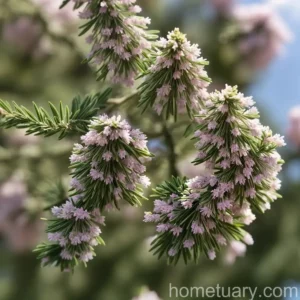
Azalea (Rhododendron ‘Mrs. Furnivall’): A Comprehensive Guide
Azaleas are a delightful and popular choice of flowering shrubs known for their vibrant and abundant blooms. Among the numerous varieties available, the ‘Mrs. Furnivall’ azalea, a member of the Rhododendron family, stands out for its stunning flowers and exceptional characteristics. In this comprehensive guide, we will delve into the culture, uses, care, and maintenance of the ‘Mrs. Furnivall’ azalea. Whether you are an avid gardener or a beginner looking to enhance your plant knowledge, this guide will provide you with the essential information needed to successfully cultivate and care for these beautiful ornamental plants.
What is the ‘Mrs. Furnivall’ Azalea (Rhododendron ‘Mrs. Furnivall’)?
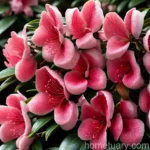
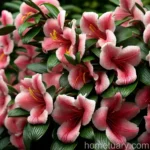
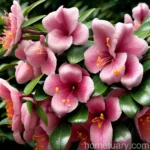
The ‘Mrs. Furnivall’ azalea, scientifically known as Rhododendron ‘Mrs. Furnivall,’ is a deciduous flowering shrub renowned for its showy clusters of orange-yellow, funnel-shaped flowers. This charming azalea variety is a member of the Rhododendron genus, which encompasses a diverse range of species and cultivars valued for their alluring blossoms and lush foliage.
Key Characteristics of the ‘Mrs. Furnivall’ Azalea:
- Flower Color: Orange-yellow
- Flower Shape: Funnel-shaped
- Foliage Type: Deciduous
- Family: Ericaceae
- Height: Up to 6 feet
- Blooming Period: Spring
- USDA Hardiness Zones: 5-8
- Sunlight Requirements: Partial shade to full sun
Now that we have an overview of the ‘Mrs. Furnivall’ azalea, let’s explore the key aspects of its culture, uses, and care requirements.
Culture
Cultivating the ‘Mrs. Furnivall’ azalea requires an understanding of its specific cultural needs, including water, sunlight, soil, and fertilizer preferences. By providing the right growing conditions, you can ensure that this exquisite azalea variety thrives and graces your garden with its vibrant blooms.
Water
Proper watering is essential for the health and vitality of the ‘Mrs. Furnivall’ azalea. These plants prefer consistently moist, well-draining soil, especially during the growing season. However, it’s crucial to avoid waterlogged conditions, as excessive moisture can lead to root rot and other issues.
Watering Guidelines:
- Frequency: Water deeply when the top inch of the soil feels dry to the touch.
- Avoid Overhead Watering: Direct water to the base of the plant to prevent foliage diseases and fungal infections.
- Mulching: Apply a layer of organic mulch around the base of the plant to help retain soil moisture and regulate temperature.
Sunlight
The ‘Mrs. Furnivall’ azalea thrives in partial shade to full sun conditions. When selecting a planting location, consider providing the plant with dappled sunlight or gentle morning sun, especially in warmer climates, to prevent leaf scorch and promote healthy growth.
Sunlight Recommendations:
- Morning Sun: Ideal for promoting flower bud development and overall plant vigor.
- Afternoon Shade: Protects the plant from intense midday sun, particularly during the hottest months.
Fertilizer
Proper fertilization is crucial for supporting the ‘Mrs. Furnivall’ azalea’s growth, flowering, and overall well-being. By understanding the appropriate fertilization methods and schedules, you can ensure that the plant receives the essential nutrients it needs to thrive.
Fertilization Guidelines:
- Acidic Fertilizer: Use a balanced, slow-release fertilizer formulated for acid-loving plants, preferably one specifically designed for azaleas and rhododendrons.
- Timing: Apply fertilizer in early spring before new growth emerges, and avoid late-season fertilization to prevent tender new growth that may be vulnerable to frost damage.
Uses
The ‘Mrs. Furnivall’ azalea offers a range of uses in landscapes and gardens, contributing to its popularity among gardeners, landscapers, and plant enthusiasts. From its ornamental value to its versatility in different settings, this stunning azalea variety has earned its place as a sought-after plant for various applications.
Landscape Ornamentation
With its captivating flowers and attractive foliage, the ‘Mrs. Furnivall’ azalea serves as a captivating ornamental specimen in gardens, parks, and other outdoor spaces. Whether planted as individual specimens, in mixed borders, or as part of woodland gardens, this azalea variety adds color, texture, and visual interest to the landscape.
Container Cultivation
Due to its manageable size and decorative appeal, the ‘Mrs. Furnivall’ azalea is well-suited for container gardening. Whether displayed on patios, terraces, or balconies, container-grown ‘Mrs. Furnivall’ azaleas offer a portable burst of color, making them an excellent choice for urban and small-space gardening.
Hedge and Border Planting
The dense, bushy habit of the ‘Mrs. Furnivall’ azalea lends itself well to use as a hedge or border plant. When planted in multiples, these azaleas can form a stunning living fence or boundary, providing privacy, visual delineation, and seasonal bloom displays.
Pruning
Proper pruning is essential to maintain the health, shape, and flowering performance of the ‘Mrs. Furnivall’ azalea. By employing appropriate pruning techniques, you can enhance the plant’s appearance, encourage new growth, and achieve the desired form for your landscape or garden design.
Pruning Techniques:
- Timing: Perform major pruning immediately after flowering, typically in late spring or early summer, to allow sufficient time for new growth to develop buds for the following year’s blossoms.
- Deadheading: Remove spent flowers promptly to encourage continued blooming and prevent seed formation, directing the plant’s energy towards growth and future flowering.
Propagation
The propagation of the ‘Mrs. Furnivall’ azalea allows enthusiasts and growers to expand their collection, share plants with others, and preserve exceptional cultivars for future generations. Understanding the various propagation techniques enables individuals to propagate these beautiful azaleas successfully.
Propagation Methods:
- Softwood Cuttings: Propagate ‘Mrs. Furnivall’ azaleas from softwood cuttings taken from new, tender growth in late spring or early summer. Use a rooting hormone and provide the appropriate growing conditions for successful rooting.
- Air Layering: Encourage root formation on a stem while still attached to the parent plant by employing the air layering technique. Once roots have developed, the stem can be severed and potted up as a new plant.
Container Popularity
The ‘Mrs. Furnivall’ azalea’s suitability for container cultivation has contributed to its popularity among gardeners and plant enthusiasts. By thriving in containers, these azaleas offer versatility, allowing individuals with limited garden space to enjoy their captivating blooms and vibrant foliage.
Benefits of Container Cultivation:
- Space-Saving: Ideal for small gardens, urban settings, and areas with limited planting space.
- Portability: Easily moved to optimal growing locations based on sunlight and temperature needs.
- Decorative Appeal: Enhances outdoor living spaces and provides seasonal color accents in container displays.
Common Diseases
Like many plants, ‘Mrs. Furnivall’ azaleas are susceptible to certain diseases that can affect their overall health and appearance. Understanding common azalea diseases and their symptoms is crucial for early detection and effective management.
Disease Diagnosis:
- Powdery Mildew: Recognizable by the presence of a powdery white coating on the leaves, this fungal disease can weaken the plant and affect its aesthetics.
- Leaf Spot: Characterized by dark spots or lesions on the leaves, leaf spot can lead to defoliation and reduced plant vigor if left untreated.
- Root Rot: Excessive moisture and poor drainage can lead to root rot, causing the plant to exhibit wilting, yellowing foliage, and eventual decline.
Common Pests
In addition to diseases, ‘Mrs. Furnivall’ azaleas may also be susceptible to attacks from various pests that can compromise their health and vitality. Identifying common azalea pests and implementing appropriate pest management strategies is essential for preserving the plant’s well-being.
Common Pests:
- Azalea Lace Bug: These pests feed on the undersides of azalea leaves, causing stippling and discoloration. Severe infestations can lead to leaf drop and reduced plant vigor.
- Spider Mites: These tiny pests can cause stippling, webbing, and general decline of the plant if left unchecked. Regular monitoring and prompt intervention are crucial for managing spider mite infestations.
- Caterpillars: Certain caterpillar species feed on azalea foliage, potentially causing extensive defoliation if populations are not controlled.
Botanist’s Tips
As a botanist passionate about azaleas and Rhododendron plants, I have gathered a few essential tips for successfully cultivating and caring for the ‘Mrs. Furnivall’ azalea. By following these guidelines, enthusiasts can maximize the plant’s performance and enjoy its breathtaking beauty to the fullest.
Botanist’s Recommendations:
- Soil Testing: Conduct a soil test to determine the pH and nutrient levels in the planting area. Adjust the soil pH as needed to create an optimal growing environment for the ‘Mrs. Furnivall’ azalea.
- Mulching: Apply a layer of organic mulch around the base of the plant, keeping it several inches away from the stem. Mulch helps retain moisture, regulate soil temperature, and suppress weed growth.
- Regular Monitoring: Keep a close eye on the plant for early signs of pests, diseases, or cultural issues. Early intervention is often key to preventing larger problems from developing.
Fun Facts
To further appreciate the allure of the ‘Mrs. Furnivall’ azalea and the fascinating world of azaleas in general, here are a few fun and interesting facts about these remarkable plants:
Did You Know?
- The Azalea Society of America recognizes and promotes the appreciation and cultivation of azaleas, offering resources, publications, and events for enthusiasts.
- Azaleas are part of the Rhododendron genus, which encompasses over 1,000 species and numerous cultivars, reflecting the incredible diversity within the genus.
- Azaleas have historical and cultural significance, with some varieties being associated with specific regions, traditions, and ceremonies in various parts of the world.
Now that we have explored the culture, uses, care, and fun facts about the ‘Mrs. Furnivall’ azalea, it’s essential to provide enthusiasts and growers with additional resources for further learning and reference. Below are links to external resources that offer valuable information on azalea care, cultivation, and related topics.
Links to External Resources
- American Rhododendron Society
- The Azalea Society of America
- United States National Arboretum: Azaleas and Rhododendrons
- Clemson Cooperative Extension: Azalea and Rhododendron Care
With the wealth of information provided in this comprehensive guide, gardeners, enthusiasts, and plant lovers are equipped to embark on a rewarding journey of cultivating and caring for the enchanting ‘Mrs. Furnivall’ azalea. Whether adorning gardens, containers, or landscaped areas, the vibrant flowers and lush foliage of this azalea variety are sure to captivate the senses and bring joy to all who encounter them. Happy growing!