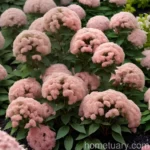
Rose Spirea (Spiraea douglasii): A Comprehensive Guide
In the world of landscaping and gardening, the rose spirea, scientifically known as Spiraea douglasii, is a popular shrub that adds not only beauty but also ecological benefits to outdoor spaces. With its delicate pink flowers and graceful arching branches, the rose spirea has become a staple in gardens and landscapes around the world. In this comprehensive guide, we’ll delve into the key aspects of the rose spirea, including its culture, uses, care tips, propagation, and more. Whether you’re a novice gardener or an experienced horticulturist, this guide will provide you with valuable insights into this charming plant.
What is Rose Spirea (Spiraea douglasii)?
The rose spirea, or Spiraea douglasii, is a deciduous shrub belonging to the Rosaceae family. This beautiful plant is native to western North America, where it can be found in a variety of habitats, including riparian areas, open forests, and mountain slopes. The rose spirea typically reaches a height of 3 to 6 feet and spreads out to form a graceful, arching shape.
One of the most striking features of the rose spirea is its clusters of delicate pink flowers that bloom in late spring to early summer. These flowers, which are rich in nectar, attract a variety of pollinators, making the rose spirea a valuable addition to wildlife gardens. After the flowering period, the shrub produces small, dry fruits that add interest to the plant’s appearance.
Key Takeaways – Rose Spirea (Spiraea douglasii)
Before we delve into the specific aspects of caring for rose spirea, let’s summarize some key takeaways about this charming shrub:
- Scientific Name: Spiraea douglasii
- Common Name: Rose Spirea
- Family: Rosaceae
- Native Habitat: Western North America
- Characteristics: Deciduous, arching shrub with delicate pink flowers
- Wildlife Attraction: Rich in nectar, attracting various pollinators
- Cultural Uses: Landscaping, wildlife gardens, erosion control
With these key points in mind, we can now explore the various elements of caring for and enjoying the beauty of the rose spirea in greater detail.
Culture
The cultural requirements of the rose spirea play a crucial role in ensuring the plant’s health, vigor, and overall attractiveness. From its preferred soil conditions to its growth habits, understanding the cultural aspects of the rose spirea is essential for successful cultivation.
Water
Like many flowering shrubs, the rose spirea thrives in moist, well-drained soil. However, once established, it displays a tolerance for drier conditions, making it a valuable addition to landscapes in various climates. During the plant’s establishment phase, regular watering to keep the soil consistently moist is key. Once the plant has developed a strong root system, it can withstand periods of drought, though regular watering during prolonged dry spells will enhance its performance.
Sunlight
The rose spirea is well-adapted to a range of light conditions, from full sun to partial shade. While it can flourish in full sunlight, it also tolerates light shade, making it a versatile option for different garden settings. To promote optimal flowering and overall plant vigor, aim for a planting location that receives at least 6 hours of direct sunlight per day. In hotter regions, providing some afternoon shade can help protect the plant from excessive heat stress.
Fertilizer
When it comes to fertilizing the rose spirea, a balanced, slow-release fertilizer applied in early spring can provide the plant with the nutrients it needs for robust growth and abundant flowering. Before applying any fertilizer, it’s advisable to conduct a soil test to determine the specific nutrient requirements of the planting site. However, in the absence of a soil test, a general-purpose, granular fertilizer with a balanced NPK ratio can be used. Follow the manufacturer’s recommendations for application rates, and be sure to water the plant thoroughly after fertilization.
Soil
The rose spirea thrives in well-drained, moderately fertile soil with a slightly acidic to neutral pH. Soils with good drainage help prevent waterlogging, which can lead to root rot and other moisture-related issues. Amending heavy or compacted soils with organic matter such as compost can improve drainage and soil structure. Additionally, organic matter enhances the soil’s fertility and promotes a healthy microbial community, which benefits the overall well-being of the rose spirea.
Pruning
Pruning is an important aspect of maintaining the health, shape, and flowering performance of the rose spirea. Proper pruning helps remove dead or damaged wood, encourages new growth, and controls the shrub’s size, making it an essential practice for keeping the plant in optimal condition.
Pruning Time
The ideal time for pruning the rose spirea is in late winter to early spring, before new growth begins. This timing allows for the removal of any winter damage and promotes vigorous regrowth during the upcoming growing season. Additionally, after the plant has finished flowering, spent flower clusters can be removed to tidy up the plant’s appearance and potentially encourage a second flush of blooms.
Pruning Techniques
When pruning the rose spirea, start by removing any dead, damaged, or diseased wood, cutting it back to healthy growth points. To encourage a fuller, more compact form, consider selectively pruning some of the older branches down to the ground, which can stimulate the growth of new, vigorous shoots. Additionally, shaping the plant to maintain its graceful, arching form can be achieved by carefully removing select branches to enhance its natural structure.
Tools for Pruning
To ensure clean, precise cuts and minimize the risk of damage to the plant, use sharp, high-quality pruning tools such as hand pruners, loppers, and pruning saws. Before and after each use, disinfect the cutting blades with a solution of 70% isopropyl alcohol to prevent the spread of diseases between plants. Properly maintaining pruning tools helps promote plant health and ensures the longevity of the tools themselves.
Propagation
For gardeners and horticulturists interested in expanding their collection of rose spirea or sharing the plant with others, propagation methods such as division and softwood cuttings offer means of creating new plants from established ones.
Division
Dividing mature rose spirea plants is a straightforward propagation method that entails separating the plant into smaller sections, each with its own root system. The ideal time for dividing the plant is in early spring, just as new growth begins to emerge. To divide the plant, dig up the entire root ball and carefully separate it into smaller sections, ensuring that each division has a good balance of roots and shoots. Replant the divisions at the same depth as the original plant, and water them in thoroughly to promote establishment.
Softwood Cuttings
Taking softwood cuttings from healthy, actively growing rose spirea shoots can yield new plants that are genetically identical to the parent. To propagate the plant using this method, select young, vigorous shoots and take 4- to 6-inch cuttings just below a leaf node. Remove the lower leaves from the cuttings, dip the cut ends in a rooting hormone, and place them in a well-draining rooting medium. Enclose the cuttings and rooting medium in a clear plastic bag or cover with a clear plastic dome to create a humid environment. Keep the cuttings in a warm, bright location out of direct sunlight, and mist them regularly to maintain humidity. After several weeks, roots should develop, indicating successful propagation.
Container Popularity
In addition to being an excellent choice for landscape plantings, the rose spirea can also thrive in containers, making it a versatile option for small gardens, patios, and balconies.
Container Selection
When selecting a container for planting rose spirea, choose a pot that provides ample space for the plant’s root system to grow. Additionally, the container should have drainage holes to prevent waterlogging, as excessive moisture in containerized plants can lead to root rot and other issues. Consider selecting a container made of a durable, weather-resistant material such as plastic, fiberglass, or concrete, as these materials provide insulation against temperature fluctuations and reduce the need for frequent watering.
Potting Mix
A well-draining potting mix is essential for containerized rose spirea, as it allows excess moisture to drain away from the roots, preventing waterlogged conditions. A high-quality commercial potting mix formulated for shrubs and perennials can provide the necessary balance of aeration, drainage, and moisture retention. Alternatively, you can create a custom mix by combining equal parts peat moss, perlite, and compost, which offers a lightweight, nutrient-rich growing medium for container plants.
Care and Maintenance
Containerized rose spirea requires regular watering to keep the soil evenly moist but not waterlogged. In hot, dry weather, check the soil moisture frequently and water as needed to prevent the plant from drying out. Additionally, containerized plants benefit from a balanced, water-soluble fertilizer applied according to the manufacturer’s recommendations, typically every 4 to 6 weeks during the growing season. Overwintering containerized rose spirea may require additional protection in colder climates, such as wrapping the container with insulation or moving it to a sheltered location.
Common Diseases
While the rose spirea is generally a resilient and low-maintenance plant, it can be susceptible to certain diseases that affect its health and appearance. Familiarizing yourself with the common diseases of the rose spirea and their prevention methods can help you maintain a thriving, disease-free plant.
Disease Diagnosis
The following are some common diseases that may affect rose spirea:
| Disease | Symptoms | Prevention and Management |
|---|---|---|
| Powdery Mildew | White, powdery patches on leaves, usually in late summer and early fall | Plant in a location with good air circulation; apply fungicidal sprays if necessary |
| Leaf Spot | Circular or irregular brown spots on leaves | Remove and destroy affected leaves; avoid overhead watering |
| Fire Blight | Wilting, blackened shoots and leaves, often following spring frost events | Prune out affected branches promptly; avoid excessive nitrogen fertilization |
Disease Prevention
Preventing and managing diseases in rose spirea involves a combination of cultural practices, plant selection, and, if necessary, the judicious use of fungicides or other control measures. Here are some key strategies for preventing common diseases:
- Cultural Practices: Properly spaced and pruned plants, adequate air circulation, and regular removal of dead or diseased plant material can minimize the risk of disease development.
- Plant Selection: Choosing disease-resistant cultivars can reduce the likelihood of disease problems in the landscape.
- Fungicidal Sprays: In severe cases or when preventive measures are insufficient, applying fungicidal sprays according to label instructions can help manage certain diseases and prevent their spread.
By adopting these preventive measures, you can help keep your rose spirea healthy and vibrant, allowing it to thrive with minimal intervention.
Common Pests
In addition to diseases, the rose spirea can also be susceptible to various pests that may affect its growth and appearance. Understanding the potential pests and implementing appropriate control strategies are essential for safeguarding the plant’s health.
Pest Identification
The following are some common pests that may affect rose spirea:
| Pest | Symptoms | Control Measures |
|---|---|---|
| Aphids | Clusters of small, soft-bodied insects on new growth and flower buds | Spray the plant with a strong stream of water to dislodge aphids; apply insecticidal soap or neem oil |
| Spider Mites | Fine webbing, stippling, and discoloration of leaves | Use a miticide to control spider mite infestations; maintain plant vigor through appropriate cultural care |
| Japanese Beetles | Skeletonized leaves, feeding damage on flowers and foliage | Handpick beetles from the plant; use insecticidal sprays if beetle populations are high |
Pest Control
Employing integrated pest management (IPM) practices forms the cornerstone of controlling pests in rose spirea while minimizing the impact on non-target organisms and the environment. Here are some effective pest control strategies:
- Monitor Regularly: Inspect the plant regularly for signs of pest activity, such as distorted growth, stippling, or visible insects.
- Natural Predators: Encourage natural predators of common pests, such as ladybugs and lacewings, by providing habitat and avoiding broad-spectrum insecticides that harm beneficial insects.
- Cultural Tactics: Promote plant health through proper watering, fertilization, and pruning, as healthy plants are better equipped to withstand pest pressures.
By implementing a combination of proactive monitoring, cultural practices, and targeted control measures, you can effectively manage pest issues in your rose spirea while maintaining a balanced, thriving landscape.
Botanist’s Tips
As a plant scientist with a passion for the natural world, I can’t help but share some additional insights and tips to help you fully appreciate and care for the rose spirea in your landscape. These tips stem from both scientific knowledge and a deep appreciation for the beauty and resilience of nature’s creations.
Plant Diversity
While the rose spirea is undoubtedly a captivating plant, consider integrating it as part of a diverse plant community in your garden or landscape. Pairing it with other native or adaptive shrubs, perennials, and grasses not only enhances the aesthetic appeal of the space but also fosters ecological resilience and supports diverse wildlife populations.
Wildlife Habitat
The rich nectar of the rose spirea flowers attracts a variety of pollinators, including butterflies, bees, and hummingbirds, making it a valuable addition to wildlife-friendly landscapes. By incorporating plants like rose spirea that provide food and habitat for pollinators, you contribute to the preservation of essential ecological relationships and the biodiversity of your local ecosystem.
Seasonal Interest
While the delicate pink flowers of the rose spirea are a highlight of the plant, don’t overlook its seasonal interest beyond the flowering period. The plant’s arching habit and small, papery fruits add visual appeal to the landscape, particularly in fall and winter. Embracing and celebrating the plant’s year-round allure adds depth and character to your outdoor spaces.
Native Landscapes
In regions where the rose spirea is native, consider incorporating it into native plant landscapes and naturalistic garden designs. Pairing it with other locally indigenous species establishes a sense of place and contributes to the preservation of regional biodiversity, creating landscapes that are both beautiful and ecologically meaningful.
Fun Facts
To further enhance your appreciation for the rose spirea, here are some fun and fascinating facts about this charming shrub:
- The specific epithet “douglasii” in Spiraea douglasii honors David Douglas, a noted Scottish botanist and explorer who documented numerous plant species in western North America in the 19th century.
- Rose spirea’s graceful, arching form and delicate flowers make it a popular choice for both formal and informal garden designs, adding a touch of elegance to outdoor spaces.
- Beyond its ornamental value, rose spirea has been historically used in traditional Native American medicine for various purposes, showcasing its cultural and medicinal significance.
- In addition to attracting pollinators, rose spirea provides cover and nesting sites for songbirds and other wildlife, contributing to the ecological richness of its habitat.
Links to External Resources
For further exploration of rose spirea and related topics, the following external resources provide valuable information, inspiration, and practical guidance:
- The American Horticultural Society – A comprehensive resource for gardening enthusiasts, offering articles, plant profiles, and educational materials on gardening, horticulture, and sustainable landscaping.
- Native Plant Landscaping Guide – The National Wildlife Federation’s guide to native plant landscaping provides insights into selecting, planting, and maintaining native plants to support wildlife and conserve natural resources.
- Lady Bird Johnson Wildflower Center – An authoritative resource on native plants, featuring plant databases, gardening tips, and research-based information for horticulturists, gardeners, and conservationists.
By exploring these external resources, you can deepen your understanding of rose spirea, expand your horticultural knowledge, and connect with a broader community of plant enthusiasts and conservationists.
In conclusion, the rose spirea, or Spiraea douglasii, is a plant of remarkable beauty, ecological value, and cultural significance. Whether adorning a garden border, providing food for pollinators, or adding grace to a naturalistic landscape, this charming shrub enriches outdoor spaces in a multitude of ways. By understanding its cultural requirements, appreciating its ecological contributions, and incorporating it thoughtfully into garden designs, we can honor and celebrate the enduring allure of the rose spirea.
As you embark on your journey of growing and enjoying the rose spirea, may the insights and tips shared in this guide inspire you to cultivate a deeper connection with this remarkable plant and the natural world at large. Happy gardening!