Rosa, Rosa - English Rose, Rosa - Shrub Rose
Rosa Princess Alexandra Of Kent (English Rose)
Rosa Princess Alexandra of Kent is a stunning English rose known for its exquisite beauty, fragrance, and versatility in garden landscapes. In this.
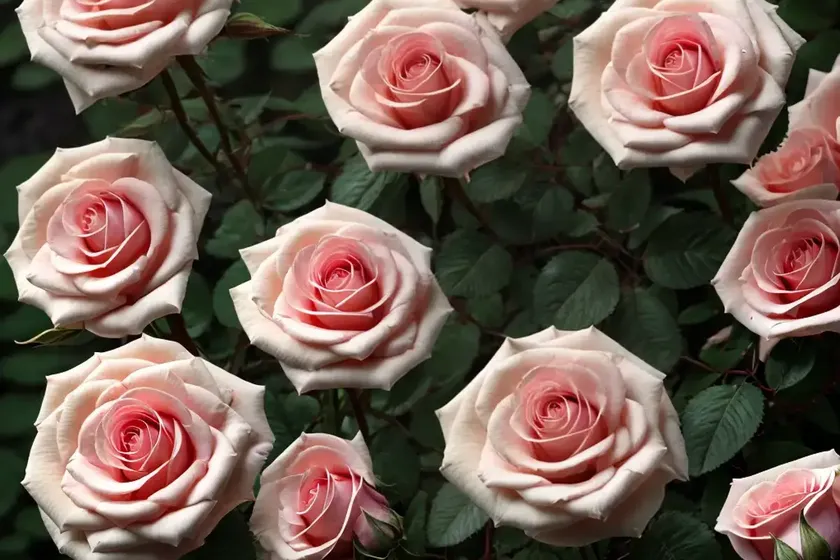
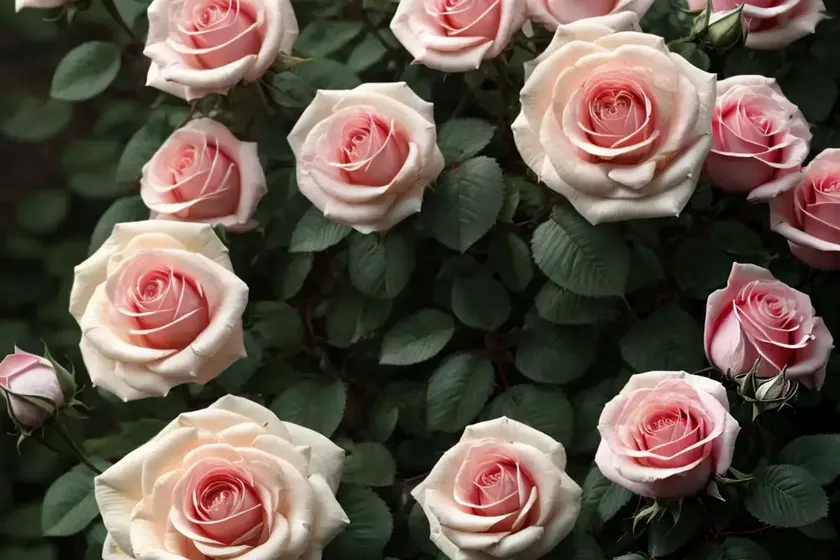
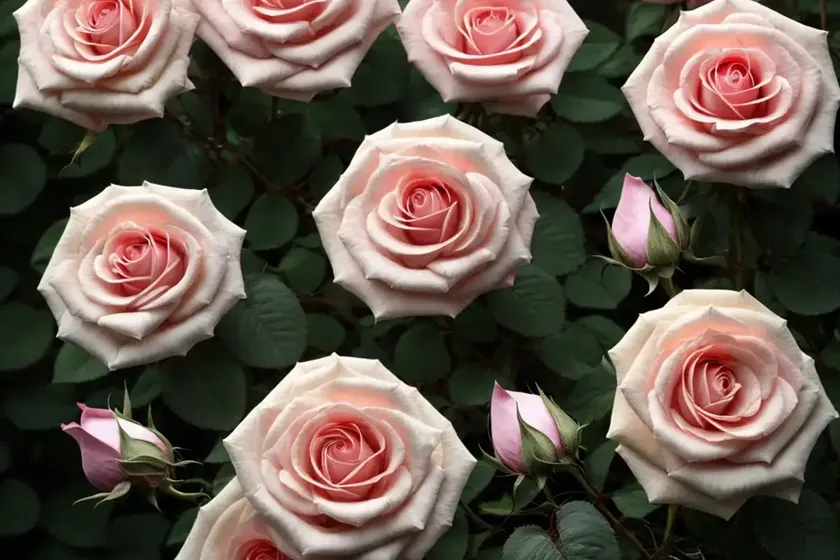
Rosa Princess Alexandra of Kent is a stunning English rose known for its exquisite beauty, fragrance, and versatility in garden landscapes. In this comprehensive guide, we will explore the key characteristics of this cultivar, along with essential tips for its care, maintenance, and propagation. Whether you’re a novice gardener or a seasoned horticulturist, the Rosa Princess Alexandra of Kent is a delightful addition to any garden or landscape.
What is Rosa Princess Alexandra of Kent?
The Rosa Princess Alexandra of Kent is a captivating variety of English rose, renowned for its elegant blooms and alluring fragrance. Developed by famed rose breeder David Austin, this cultivar is a result of meticulous breeding efforts aimed at creating roses with the charm and fragrance of Old Roses, combined with the repeat flowering and wide color range of modern roses.
Key Takeaways – Rosa Princess Alexandra of Kent (English Rose)
Before delving into the specifics of growing and caring for Rosa Princess Alexandra of Kent, let’s highlight some key takeaways about this exquisite English rose variety:
- Cultivar: Rosa Princess Alexandra of Kent
- Type: English Rose (David Austin Rose)
- Characteristics: Exquisite blooms, captivating fragrance, disease resistance
- Growth Habit: Bushy, upright
- Flower Type: Fully double, rosette-shaped
- Fragrance: Strong, fruity fragrance with hints of raspberry and old rose
- Bloom Period: Repeat-flowering throughout the season
- Color: Rich, deep pink with a hint of apricot
- Hardiness Zone: 5-10
- Height: Approximately 4 feet
- Width: 3 feet
- Uses: Borders, mixed perennial beds, containers
Now that we have an overview of the Rosa Princess Alexandra of Kent, let’s explore the specific cultural requirements, uses, and maintenance guidelines for this enchanting English rose.
Culture
The cultural requirements of Rosa Princess Alexandra of Kent play a crucial role in ensuring its optimal growth and flowering. Proper attention to its habitat, water, sunlight, and soil conditions is essential for cultivating healthy and vibrant plants.
Uses
Rosa Princess Alexandra of Kent presents a spectrum of uses in garden landscapes and floral arrangements. Here are some common uses of this enchanting English rose:
- Border Planting: The lush, bushy growth habit of Rosa Princess Alexandra of Kent makes it an ideal choice for border plantings, where its captivating blooms and fragrance can create a charming edge to garden beds.
- Mixed Perennial Beds: When paired with other perennials and flowering plants, the rich pink blooms of this English rose variety add elegance and color to mixed perennial beds, creating visually appealing combinations.
- Containers: The compact nature of Rosa Princess Alexandra of Kent makes it suitable for container gardening, allowing its beauty and fragrance to adorn patios, balconies, and outdoor spaces.
Water
Proper watering is essential for the health and vigor of Rosa Princess Alexandra of Kent. When it comes to watering this English rose variety, here are some key considerations:
- Watering Needs: Moderate
- Frequency: Water deeply and regularly, especially during the growing season, ensuring that the soil remains evenly moist but not waterlogged.
- Avoid Overhead Watering: To minimize the risk of fungal diseases, it’s advisable to water at the base of the plant, avoiding wetting the foliage whenever possible.
Sunlight
Sunlight is an essential factor influencing the growth, flowering, and overall vitality of Rosa Princess Alexandra of Kent. Consider the following guidelines for providing the ideal sunlight conditions for this English rose cultivar:
- Sunlight Requirements: Full sun to partial shade
- Optimal Exposure: Provide at least 6 hours of direct sunlight daily for abundant flowering and healthy growth.
- Shade Tolerance: While Rosa Princess Alexandra of Kent thrives in full sun, it can tolerate partial shade, especially in regions with intense summer heat.
Fertilizer
Fertilization plays a crucial role in providing Rosa Princess Alexandra of Kent with the essential nutrients for robust growth and prolific blooms. Here are some fertilizer recommendations for this English rose variety:
- Fertilizer Type: Use a balanced, slow-release fertilizer specially formulated for roses to provide a steady supply of nutrients without causing excessive flushes of growth that might be susceptible to diseases.
- Application Frequency: Fertilize in early spring, just as the new growth begins, and again in late spring or early summer to support continuous flowering.
- Avoid Excessive Nitrogen: While nitrogen is essential for healthy foliage, excessive nitrogen can lead to reduced flowering and increased susceptibility to diseases. Choose a fertilizer with a balanced NPK ratio, such as 10-10-10 or 5-10-5, suitable for roses.
Soil
The soil condition plays a significant role in ensuring the overall health, vigor, and resilience of Rosa Princess Alexandra of Kent. Understanding the preferred soil type and pH requirements is essential for creating an optimal growing environment for this English rose variety:
- Soil Type: Well-draining, loamy soil enriched with organic matter
- pH Range: Slightly acidic to neutral (pH 6.0-7.0)
- Soil Amendments: Prior to planting, incorporate organic compost or well-rotted manure into the soil to improve its structure, fertility, and moisture retention capabilities.
Pruning
Pruning is an essential aspect of rose maintenance, including the Rosa Princess Alexandra of Kent, and plays a pivotal role in shaping the plant, promoting healthy growth, and encouraging abundant flowering. Here are some pruning guidelines specific to this English rose cultivar:
- Pruning Time: Perform major pruning in late winter or early spring before the new growth emerges. Additionally, conduct light pruning throughout the growing season to remove spent blooms and encourage reblooming.
- Pruning Techniques: Use clean, sharp pruning shears to make angled cuts just above a set of healthy leaves. Aim to create an open, vase-shaped structure that allows for good air circulation and sunlight penetration.
Propagation
The propagation of Rosa Princess Alexandra of Kent allows gardeners to multiply their prized plants and share their beauty with friends and fellow gardening enthusiasts. Here are some common methods for propagating this English rose variety:
- Softwood Cuttings: Propagate Rosa Princess Alexandra of Kent by taking softwood cuttings in late spring or early summer. Select healthy, non-flowering shoots and root them in a suitable rooting medium under controlled, humid conditions.
- Layering: Encourage the development of new roots by layering a flexible, low-growing stem of Rosa Princess Alexandra of Kent. Once roots have developed, the new plant can be separated and transplanted to a new location.
Container Popularity
The compact size and graceful form of Rosa Princess Alexandra of Kent make it a popular choice for container gardening. Consider the following factors when cultivating this English rose in containers:
- Container Size: Choose a container that provides ample space for root development and stability. A minimum container size of 15-20 gallons is recommended to accommodate the robust growth of Rosa Princess Alexandra of Kent.
- Drainage: Ensure that the container has sufficient drainage holes to prevent waterlogging, which can be detrimental to the plant’s health.
- Container Mix: Use a well-draining potting mix enriched with organic matter to provide the necessary nutrients and aeration for the rose roots.
Common Diseases
Despite its resilience, Rosa Princess Alexandra of Kent may be susceptible to certain diseases that commonly affect roses. Understanding these common diseases and proper diagnosis is essential for effective management and prevention.
Disease Diagnosis
When cultivating Rosa Princess Alexandra of Kent, it’s important to be vigilant for signs of common rose diseases, including:
- Black Spot (Diplocarpon rosae): Characterized by black or dark brown spots on the foliage, black spot is a common fungal disease that thrives in humid conditions.
- Powdery Mildew (Podosphaera pannosa): The presence of powdery, white patches on the leaves and stems indicates an infection of powdery mildew, a fungal disease favored by dry, humid conditions.
- Botrytis Blight (Botrytis cinerea): This gray mold disease causes the grayish-brown fuzzy growth on the flowers, stems, and leaves, particularly in cool, moist conditions.
- Downy Mildew (Peronospora sparsa): Downy mildew presents as angular, yellowish lesions on the upper leaf surface, often accompanied by a white, fluffy growth on the lower leaf surface.
Common Pests
In addition to diseases, Rosa Princess Alexandra of Kent may also encounter pests that can affect its health and vigor. Common pests to watch out for include:
- Aphids: These small, soft-bodied insects feed on the sap of the plant, causing stunted growth and distorted foliage.
- Spider Mites: Infestations of spider mites may cause stippled, yellowing leaves and fine webbing on the undersides of the foliage.
- Thrips: Thrips feed on the flower buds and foliage, leaving behind silvery or bronze streaks and causing distorted growth.
- Rose Sawfly: The larvae of rose sawflies feed on the foliage, causing extensive defoliation if left unchecked.
Botanist’s Tips
To ensure successful cultivation and care of Rosa Princess Alexandra of Kent, here are some expert tips from botanists and experienced gardeners:
- Adequate Air Circulation: Provide ample air circulation around the plant to minimize the risk of fungal diseases, such as powdery mildew and black spot.
- Early Intervention: Regularly monitor the plant for signs of pests and diseases, and address any issues promptly to prevent widespread infestations or infections.
- Mulching: Apply a layer of organic mulch around the base of the plant to conserve soil moisture, suppress weeds, and provide a steady supply of nutrients as the mulch decomposes.
Fun Facts
Uncover the fascinating aspects and unique traits of Rosa Princess Alexandra of Kent with these fun facts:
- Royal Connection: This English rose is named after Princess Alexandra of Kent, a member of the British royal family known for her support of charitable causes and patronage of the arts.
- Fragrant Elegance: The captivating fragrance of this rose variety, described as a blend of fruity and old rose scents, adds an enchanting allure to garden spaces and floral arrangements.
- Award-Winning Beauty: With its exceptional beauty and performance, Rosa Princess Alexandra of Kent has received prestigious awards, including the Award of Garden Merit by the Royal Horticultural Society.
Links to External Resources
For further information on growing and caring for Rosa Princess Alexandra of Kent, explore the following external resources:
- Royal Horticultural Society – Growing Roses
- David Austin Roses – English Roses
- American Rose Society – Rose Care and Maintenance
- Missouri Botanical Garden – Plant Finder
With its captivating beauty, alluring fragrance, and adaptability to various garden settings, Rosa Princess Alexandra of Kent holds a special place in the hearts of rose enthusiasts and gardeners alike. By understanding its cultivation requirements and implementing the recommended care practices, you can witness the timeless charm and grace of this exquisite English rose blossoming in your own garden.
Remember, the key to successful cultivation lies in creating a nurturing environment that allows the inherent beauty and resilience of Rosa Princess Alexandra of Kent to flourish.
Disclaimer: The content in this guide is for informational purposes only and does not constitute professional botanic or horticultural advice. Always consult with local experts and gardening resources for specific guidance tailored to your region and growing conditions.


