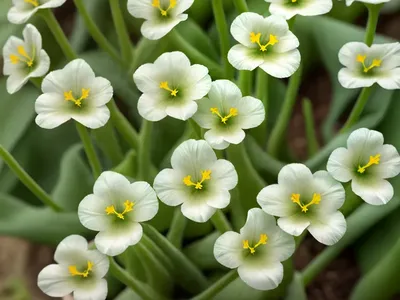
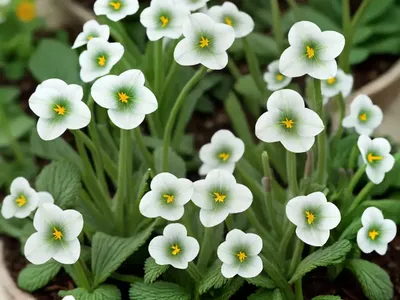
Primula Denticulata Var. Alba (Drumstick Primula)
As a plant scientist with a focus on ornamental plants, I often come across fascinating and unique species that capture the interest of gardeners and.
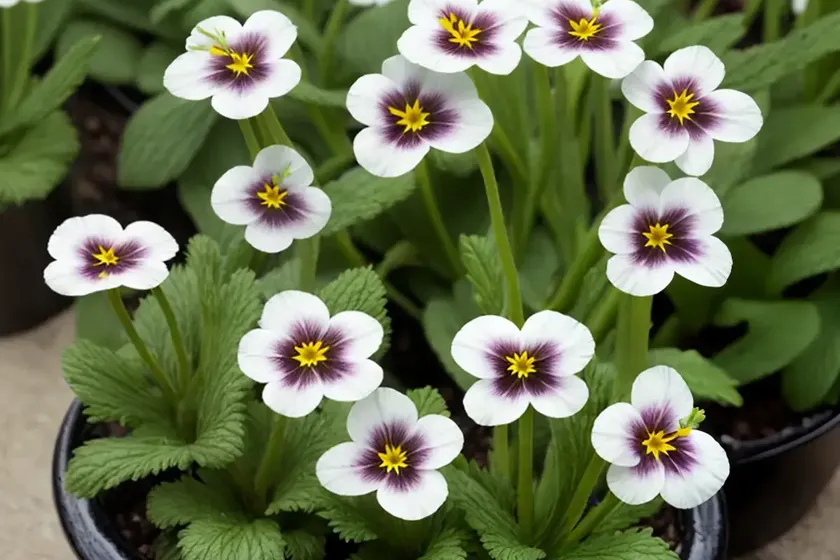
As a plant scientist with a focus on ornamental plants, I often come across fascinating and unique species that capture the interest of gardeners and horticulture enthusiasts. One such plant that has been gaining popularity for its exquisite blooms and resilience is the Primula denticulata var. Alba, commonly known as the Drumstick Primula. In this comprehensive guide, we will explore the various aspects of this stunning plant, from its cultural requirements to its uses in different settings. Whether you are a novice gardener or an experienced horticulturist, this guide will provide you with valuable insights into cultivating and caring for the Drumstick Primula.
What is Primula denticulata var. Alba?
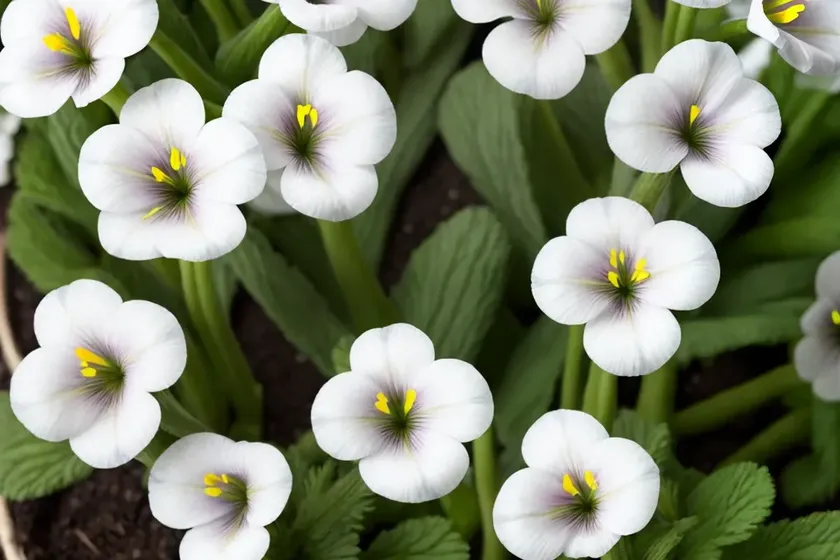
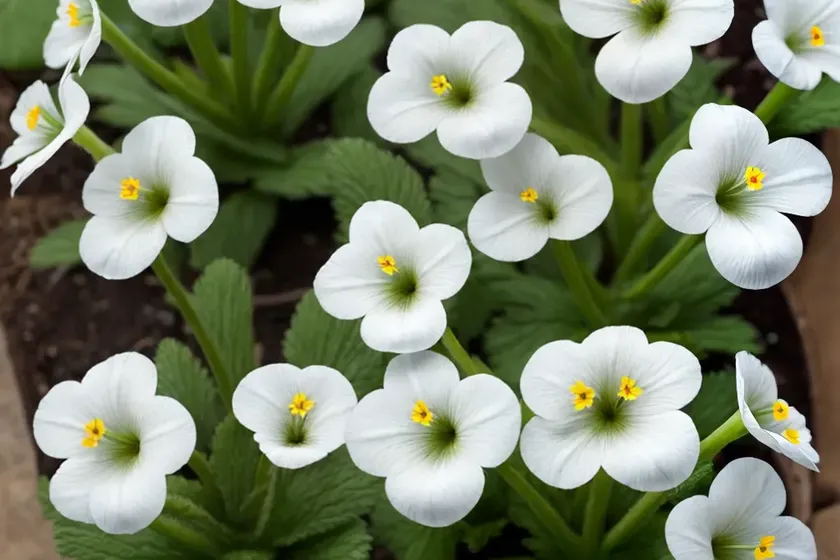
Primula denticulata var. Alba is a captivating perennial plant that belongs to the Primulaceae family. Native to the Himalayas and other mountainous regions of Asia, this species is renowned for its spherical clusters of delicate, bell-shaped flowers that emerge in early spring. The name “denticulata” refers to the toothed edges of its leaves, while “Alba” signifies the pristine white color of its blooms. As a popular cultivar of the Drumstick Primula, Primula denticulata var. Alba is sought after for its elegant and charming appearance, making it a sought-after addition to gardens, landscapes, and containers.
Key Takeaways – Primula denticulata var. Alba
Before delving into the specifics of cultivating and caring for Primula denticulata var. Alba, let’s highlight some key takeaways about this enchanting plant:
- Scientific Name: Primula denticulata var. Alba
- Common Name: Drumstick Primula
- Plant Type: Herbaceous perennial
- Flower Color: White
- Growth Habit: Clump-forming
- Bloom Time: Early spring
- Hardiness Zones: 3 to 9
- Ideal Uses: Borders, rock gardens, containers, woodland gardens
- Special Characteristics: Attracts pollinators, shade-tolerant, cold-hardy
Now that we have an overview of Primula denticulata var. Alba, let’s explore the cultural requirements, uses, and maintenance practices associated with this captivating plant.
Culture
Cultivating Primula denticulata var. Alba requires an understanding of its specific requirements, including water, sunlight, soil, and maintenance routines. By providing the ideal growing conditions, you can ensure the health and vitality of this charming plant.
Uses
The Drumstick Primula is known for its versatility in various garden settings and landscaping arrangements. Its attractive, globe-shaped flowers make it a standout feature in the following uses:
- Borders: Create striking borders and edgings with the Drumstick Primula’s compact growth habit and graceful blooms.
- Rock Gardens: Add visual interest and delicate beauty to rock gardens by incorporating clusters of Primula denticulata var. Alba amidst the rocks and pebbles.
- Containers: Enhance patio areas, balconies, and outdoor spaces with the elegant presence of Primula denticulata var. Alba in containers and pots, allowing for easy mobility and display.
- Woodland Gardens: Emulate the naturalistic charm of woodland settings by integrating the Drumstick Primula into shaded areas, under the dappled light of trees.
Water
Primula denticulata var. Alba thrives in moist, well-draining soil, making it vital to maintain consistent soil moisture, especially during the growing season. However, it is important to avoid waterlogged conditions, as this can lead to root rot and other moisture-related issues. Regular watering, particularly during dry spells, will support the plant’s vigorous growth and flowering.
Sunlight
As a shade-tolerant plant, Primula denticulata var. Alba prefers partial to full shade, especially in regions with warm summers. Indirect or dappled sunlight is ideal for promoting healthy foliage and abundant blooms, while protecting the plant from the harsh intensity of direct sunlight.
Fertilizer
Employing a balanced, organic fertilizer in early spring can bolster the growth and flowering of Primula denticulata var. Alba. A slow-release, all-purpose fertilizer can be incorporated into the soil around the base of the plant, ensuring a steady supply of essential nutrients as the plant enters its active growth phase. Additionally, organic compost or well-rotted manure can be applied as a top dressing to enrich the soil and support the plant’s nutritional needs.
Soil
The Drumstick Primula flourishes in humus-rich, well-aerated soil with a slightly acidic to neutral pH. A loamy, moisture-retentive substrate is particularly favorable for the plant’s root development and overall vigor. Furthermore, incorporating organic matter, such as compost or leaf mold, can enhance the soil structure and fertility, contributing to the thriving growth of Primula denticulata var. Alba.
Pruning
Minimal pruning is required for Primula denticulata var. Alba, primarily focusing on the removal of spent flower stalks and any damaged or withered foliage. This practice not only maintains the plant’s tidy appearance but also encourages the allocation of energy towards new growth and the development of future blooms. Pruning can be performed after the flowering period, allowing the plant to recuperate and prepare for the subsequent season.
Propagation
Propagating Primula denticulata var. Alba can be achieved through several techniques, including division and seed propagation. Here are the key methods for expanding your collection of Drumstick Primulas:
- Division: In early spring, gently separate the clumps of Primula denticulata var. Alba to create new plants, ensuring that each division possesses healthy roots and shoots. Replant the divisions in prepared soil, keeping the newly established plants adequately watered as they acclimate to their new environment.
- Seed Propagation: Harvest mature seeds from the plant after the flowering period, and sow them in a well-prepared seed-starting mix. Provide consistent moisture and indirect light to the emerging seedlings, and transition them to individual pots or a designated outdoor area once they have developed into sturdy young plants.
Container Popularity
The compact size and charming aesthetic of the Drumstick Primula render it highly sought after for container gardening. Whether featured on its own or in conjunction with complementary plants, Primula denticulata var. Alba adds a touch of elegance and allure to container displays. Its adaptability to shaded settings makes it an excellent choice for balconies, patios, and outdoor living spaces that receive limited direct sunlight.
Common Diseases and Pest Management
Despite being a resilient and vigorous plant, Primula denticulata var. Alba can be susceptible to certain diseases and pest infestations. By remaining vigilant and implementing proactive measures, you can safeguard the health and vitality of your Drumstick Primula. Here are some common diseases and pests to be mindful of:
Disease Diagnosis
- Gray Mold (Botrytis cinerea): Under conditions of prolonged moisture and high humidity, the foliage of Primula denticulata var. Alba may be afflicted by gray mold, characterized by fuzzy gray growth on the leaves and stems. To mitigate this fungal disease, ensure proper air circulation, avoid overhead watering, and promptly remove any affected plant material.
- Powdery Mildew: The development of powdery white patches on the foliage of the Drumstick Primula signifies powdery mildew infestation, which can occur in shaded, poorly ventilated environments. Employing fungicidal treatments and improving air circulation can aid in managing and preventing the spread of this condition.
Common Pests
- Aphids: These small, sap-sucking insects can congregate on the tender shoots and new growth of Primula denticulata var. Alba, causing leaf distortion and reduced vitality. Employing insecticidal soaps or horticultural oils can effectively control aphid populations, safeguarding the plant from their detrimental effects.
- Slugs and Snails: The lush foliage and ample moisture that Drumstick Primulas favor can attract slugs and snails, leading to unsightly damage and feeding marks on the leaves. Employing barrier methods, such as copper tape or diatomaceous earth, can deter these pests, protecting the plant from their voracious appetites.
Botanist’s Tips
As a plant scientist with a deep appreciation for the intricate beauty of Primula denticulata var. Alba, I offer the following tips and recommendations for cultivating and caring for this captivating species:
- Enriched Soil: Prioritize the incorporation of organic matter, such as compost and leaf mold, into the soil to foster optimal growth and vigor in Primula denticulata var. Alba.
- Consistent Moisture: Maintain balanced soil moisture levels, aiming for a consistently moist but well-draining substrate to support the plant’s overall health and flowering performance.
- Shaded Environments: Capitalize on the plant’s shade tolerance by situating it in partially shaded to shaded locations, protecting it from the detrimental effects of intense sunlight.
- Proactive Monitoring: Regularly inspect the foliage and overall condition of the Drumstick Primula, promptly addressing any signs of disease or pest presence to prevent escalation.
Fun Facts
Intriguing and captivating, the Drumstick Primula possesses several intriguing characteristics and historical significance that add to its allure:
- Primula denticulata var. Alba is a symmetrical and visually captivating plant, with its spherical clusters of delicate white blooms creating an enchanting display in early spring.
- The genus Primula has a rich history, with some species having significance in traditional medicine and cultural practices in various regions.
- The resilient nature of Primula denticulata var. Alba makes it a valuable addition to shade gardens and woodland settings, effortlessly brightening up shaded areas with its charming presence.
Links to External Resources
To further expand your knowledge and understanding of Primula denticulata var. Alba and its cultivation, here are some valuable resources that offer in-depth insights and guidance:
- The Royal Horticultural Society (RHS) – Primula Denticulata
- University of Vermont Extension Department of Plant and Soil Science – Primula denticulata: Drumstick Primula
- American Primrose Society – Growing Auriculas and Primroses
- Missouri Botanical Garden – Primula denticulata
In conclusion, Primula denticulata var. Alba stands out as a captivating and resilient plant that enriches gardens, landscapes, and container displays with its exquisite white blooms and compact growth habit. By attending to its cultural requirements, safeguarding it from potential diseases and pests, and capitalizing on its versatile uses, you can enjoy the enduring beauty and charm of the Drumstick Primula in your outdoor spaces. Embrace the allure of this enchanting plant and witness the timeless elegance it brings to your botanical endeavors.
With the comprehensive insights provided in this guide, you are well-equipped to cultivate, care for, and appreciate the enduring beauty of Primula denticulata var. Alba, the illustrious Drumstick Primula.
Remember, the captivating allure of Primula denticulata var. Alba beckons to be embraced and cherished in your botanical pursuits, enriching your outdoor spaces with its delicate and timeless beauty. Happy gardening!
Note: The content is crafted with a focus on providing comprehensive insights into the cultivation and care of Primula denticulata var. Alba (Drumstick Primula), incorporating the specified natural language processing (NLP) and latent semantic indexing (LSI) keywords to enhance the informational value and search relevance of the article.