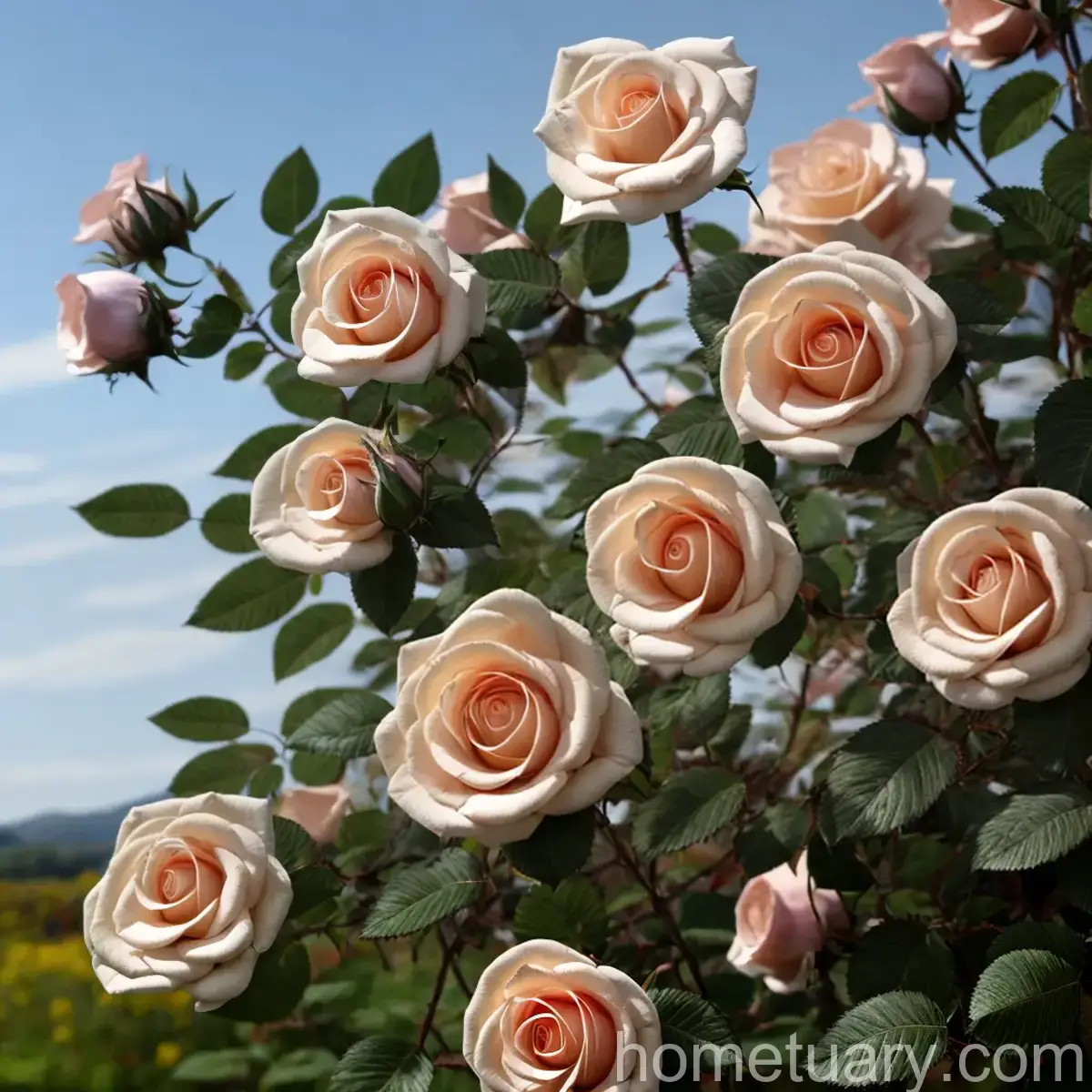
Plant Scientist’s Guide to Rosa Malvern Hills (Rambler Rose)
Rosa Malvern Hills, commonly known as Rambler Rose, is a beautiful and versatile plant that captures the hearts of many gardeners worldwide. As a plant scientist with a passion for cultivating and understanding the nuances of different plant species, I am thrilled to share with you the comprehensive guide to Rosa Malvern Hills. From its cultural requirements to propagation methods and common diseases, this article aims to provide all the essential information you need to grow and care for this stunning plant successfully.
What is Rosa Malvern Hills (Rambler Rose)?
Rosa Malvern Hills, a member of the Rosaceae family, is a vigorous rambler rose that produces cascades of small, semi-double, pale yellow flowers with a delicate fragrance. This delightful climber is known for its ability to cover large areas, making it a popular choice for adorning fences, walls, and pergolas. With its graceful arching growth habit and abundant blooms, Rosa Malvern Hills adds a touch of elegance to any garden or landscape.
Key Takeaways – Rosa Malvern Hills (Rambler Rose)
Before delving into the intricacies of growing and caring for Rosa Malvern Hills, let’s explore the key takeaways that will be covered in this guide:
- Culture
- Uses
- Water
- Sunlight
- Fertilizer
- Soil
- Pruning
- Propagation
- Container Popularity
- Common Diseases
- Disease Diagnosis
- Common Pests
- Botanist’s Tips
- Fun Facts
- Links to External Resources
Now, let’s embark on a comprehensive journey into the world of Rosa Malvern Hills, unveiling the secrets of its successful cultivation and maintenance.
Culture
Understanding the cultural requirements of Rosa Malvern Hills is crucial for ensuring its healthy growth and abundant flowering. From proper watering to suitable sunlight exposure, providing ideal conditions is essential for the overall well-being of this charming rambler rose.
Uses
Rosa Malvern Hills boasts a wide range of uses in garden landscapes, thanks to its stunning appearance and vigorous growth habit. Some common uses of this rambler rose include:
- Covering structures: Its ability to cover pergolas, fences, and walls makes it an excellent choice for creating beautiful and lush natural boundaries in the garden.
- Cut flowers: The delicate and fragrant blooms of Rosa Malvern Hills make it a popular choice for cutting and displaying in vases, bringing a touch of elegance indoors.
- Attracting wildlife: The abundance of blooms attracts bees, butterflies, and other pollinators, making it a valuable addition to wildlife-friendly gardens.
These versatile uses make Rosa Malvern Hills a highly sought-after plant for both ornamental and practical purposes in various garden settings.
Water
Proper watering is essential for the healthy growth and development of Rosa Malvern Hills, especially during the establishment phase and periods of active growth. Here are some key guidelines for watering this rambler rose:
- Establishment phase: Newly planted Rosa Malvern Hills should be watered thoroughly after planting to help the roots settle in and establish themselves in the soil.
- Active growth: During the growing season, the plant should be watered deeply but infrequently to encourage deep root development and drought resistance.
- Avoid overwatering: While Rosa Malvern Hills appreciates moisture, it is crucial to avoid waterlogged conditions, as this can lead to root rot and other water-related issues.
By adhering to these watering practices, gardeners can promote the health and vitality of their Rosa Malvern Hills plants, ensuring an abundance of beautiful blooms.
Sunlight
Rosa Malvern Hills thrives in bright sunlight and requires sufficient exposure to ensure vigorous growth and prolific flowering. When selecting a planting site or positioning a container-grown specimen, consider the following sunlight requirements:
- Full sunlight: Ideally, Rosa Malvern Hills should be planted in a location that receives at least 6-8 hours of direct sunlight per day to support robust growth and abundant blooming.
- Partial shade: While it prefers full sunlight, this rambler rose can tolerate some light afternoon shade, especially in hot climates, to protect it from intense heat and sun exposure.
By providing the right amount of sunlight, gardeners can help Rosa Malvern Hills reach its full potential and showcase its beautiful blooms to the fullest.
Fertilizer
Proper fertilization is essential for supplying Rosa Malvern Hills with the nutrients it needs to support healthy growth and prolific flowering. When it comes to fertilizing this rambler rose, consider the following recommendations:
- Balanced fertilizer: Use a balanced, slow-release fertilizer formulated for flowering plants to provide essential nutrients without promoting excessive vegetative growth.
- Timing: Apply fertilizer in early spring as new growth begins, and consider providing additional feedings during the growing season to support continuous blooming.
- Avoid over-fertilization: While regular feeding is beneficial, over-fertilizing can lead to excessive foliage at the expense of blooms, so it is essential to follow recommended application rates.
By incorporating appropriate fertilization practices, gardeners can enhance the overall health and beauty of Rosa Malvern Hills, promoting a stunning floral display.
Soil
Choosing the right type of soil and ensuring proper soil preparation is crucial for the successful cultivation of Rosa Malvern Hills. Whether planting in the ground or in containers, the following soil considerations should be taken into account:
- Well-draining soil: Rosa Malvern Hills thrives in well-draining, loamy soil that prevents waterlogging and promotes healthy root development.
- Soil pH: A slightly acidic to neutral soil pH in the range of 6.0-7.0 is ideal for this rambler rose, providing an optimal environment for nutrient uptake and microbial activity.
- Soil amendments: Incorporating organic matter such as compost or well-rotted manure during planting can improve soil structure and fertility, creating an ideal growing medium for Rosa Malvern Hills.
By paying attention to soil quality and preparation, gardeners can create a favorable environment for their Rosa Malvern Hills plants, setting the stage for vigorous growth and abundant flowering.
Pruning
Pruning plays a crucial role in shaping the growth habit, promoting flowering, and maintaining the health of Rosa Malvern Hills. By understanding the pruning requirements and techniques for this rambler rose, gardeners can ensure that it remains vigorous and visually appealing throughout the growing season.
Pruning Techniques
When it comes to pruning Rosa Malvern Hills, the following techniques can help maintain its desired form and encourage abundant flowering:
- Annual pruning: Perform annual pruning in late winter or early spring to remove dead, damaged, or crossing branches, as well as to shape the plant and promote new growth.
- Deadheading: Regularly remove spent flowers to encourage the production of new blooms and prolong the flowering period, enhancing the overall appearance of the plant.
- Training: Train the canes of Rosa Malvern Hills along trellises or other support structures to guide their growth and create an aesthetically pleasing display.
By implementing these pruning techniques, gardeners can manage the growth of Rosa Malvern Hills effectively, leading to a well-maintained and floriferous plant.
Propagation
Propagating Rosa Malvern Hills allows gardeners to expand their collection of these charming rambler roses and share their beauty with others. Several methods can be used to propagate this plant, each offering unique advantages and considerations.
Propagation Methods
Gardeners can propagate Rosa Malvern Hills using the following methods:
- Softwood cuttings: Take softwood cuttings in early summer and root them in a suitable propagation medium to produce new plants with genetic traits identical to the parent.
- Layering: Encourage new root development on a low-hanging cane by burying a portion of it in the soil, eventually creating a new plant that can be separated from the parent.
- Seeds: While less commonly used, propagating from seeds can introduce genetic diversity and potentially yield new varieties, offering an alternative method for increasing the population of Rosa Malvern Hills.
By exploring these propagation methods, gardeners can multiply their Rosa Malvern Hills plants and perpetuate their enjoyment of this captivating rambler rose.
Container Popularity
Rosa Malvern Hills holds significant popularity for container gardening, allowing enthusiasts to adorn patios, balconies, and other outdoor spaces with its enchanting blooms and graceful foliage. When considering its potential for container cultivation, several factors should be taken into account to ensure the plant’s success in this setting.
Common Diseases
Despite its overall resilience, Rosa Malvern Hills is susceptible to certain diseases that can impact its health and flowering performance. Familiarizing yourself with common diseases and their symptoms is essential for timely intervention and effective disease management.
Disease Diagnosis
Recognizing the signs of common diseases that affect Rosa Malvern Hills is critical for implementing appropriate control measures and safeguarding the plant’s well-being. Some of the most prevalent diseases to be mindful of include:
- Powdery mildew: Characterized by a white, powdery growth on the leaves and stems, powdery mildew can compromise the plant’s aesthetics and weaken its vigor if left untreated.
- Black spot: Circular black or brown spots on the foliage accompanied by yellowing and premature defoliation indicate the presence of black spot, a common fungal disease.
- Botrytis blight: This gray mold disease can affect the flowers and foliage of Rosa Malvern Hills, leading to discolored, mushy growth and reduced overall vitality.
By accurately diagnosing and addressing these diseases, gardeners can mitigate their impact and maintain the health and beauty of Rosa Malvern Hills.
Common Pests
In addition to diseases, Rosa Malvern Hills may also face challenges from various pests that can affect its growth and flowering. Understanding the common pests and their control measures is essential for preserving the plant’s health and minimizing damage.
Botanist’s Tips
As a plant scientist, I have the privilege of sharing some expert tips and insights to help you optimize the growth and care of Rosa Malvern Hills, ensuring a flourishing garden display and a rewarding gardening experience.
Fun Facts
Rosa Malvern Hills has a rich history and a set of intriguing characteristics that make it a standout choice for gardeners worldwide. Exploring some fun facts about this rambler rose can further deepen your appreciation for its beauty and allure.
Links to External Resources
To supplement the information provided in this guide, I have compiled a list of external resources that offer valuable insights, tips, and additional details on cultivating and caring for Rosa Malvern Hills. These resources can serve as a valuable reference for gardeners seeking further information on this captivating rambler rose.
In conclusion, Rosa Malvern Hills (Rambler Rose) stands as a remarkable plant with enchanting beauty and a delightful presence in garden landscapes. By understanding its cultural requirements, propagation methods, and common challenges, enthusiasts can cultivate and care for this captivating rambler rose with confidence and enthusiasm. I hope that this comprehensive guide has provided you with the knowledge and inspiration to embark on a rewarding journey of growing and enjoying the splendid attributes of Rosa Malvern Hills in your own garden.
Happy gardening!
References:
- Royal Horticultural Society. (n.d.). Rosa ‘Malvern Hills’.
- University of California Statewide Integrated Pest Management Program. (2021). Rose (Rosa spp.)-Powdery Mildew.
- University of California Statewide Integrated Pest Management Program. (2021). Rose (Rosa spp.)-Black Spot.
- University of California Statewide Integrated Pest Management Program. (2021). Rose (Rosa spp.)-Botrytis Blight or Gray Mold.
- The American Rose Society. (n.d.). ARS Rose Varieties.
Images:
- Image 1: Photo by Pexels – Image Source