Rosa ‘Iceberg’ (Floribunda Rose) – A Complete Guide to Care and Cultivation
Rosa ‘Iceberg’, a popular Floribunda Rose, is a beautiful and resilient flowering plant that captivates the hearts of gardeners worldwide. In this comprehensive guide, we will delve into the various aspects of caring for and cultivating this exquisite flower. From its cultural requirements to propagation techniques, we will explore every facet of nurturing the Rosa ‘Iceberg’ to ensure its optimal growth and blooming.
What is Rosa ‘Iceberg’ (Floribunda Rose)?
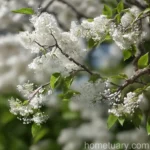
Rosa ‘Iceberg’ is an elegant and vigorous floribunda rose that features clusters of pristine white blooms. It is renowned for its exceptional hardiness, disease resistance, and continuous flowering, making it a favorite among gardeners and landscapers. This cultivar is treasured for its versatility, as it can be grown in various settings, including gardens, containers, and mixed borders. With its alluring fragrance and striking appearance, the Rosa ‘Iceberg’ adds a touch of timeless elegance to any landscape.
Key Takeaways – Rosa ‘Iceberg’ (Floribunda Rose)
Before delving into the specific aspects of caring for the Rosa ‘Iceberg’ (Floribunda Rose), let’s outline the key takeaways that will be covered in this guide:
- Culture
- Uses
- Water
- Sunlight
- Fertilizer
- Soil
- Pruning
- Propagation
- Container Popularity
- Container Common Diseases
- Disease Diagnosis
- Common Pests
- Botanist’s Tips
- Fun Facts
- Links to External Resources
Now, let’s embark upon a journey to explore the intricate care and cultivation requirements of the Rosa ‘Iceberg’ (Floribunda Rose).
Culture
The cultural requirements of Rosa ‘Iceberg’ encompass a wide array of factors that contribute to its overall well-being and vigor. Understanding its cultural preferences is fundamental to fostering a thriving and resplendent specimen.
Uses
Rosa ‘Iceberg’ serves a multitude of purposes in garden landscapes and beyond. Its uses include:
- Garden Beds: The Rosa ‘Iceberg’ flourishes as a bedding plant, adorning garden beds with its luscious white blooms.
- Cut Flowers: Its long-lasting and fragrant blooms make it an exquisite choice for floral arrangements and bouquets.
- Decorative Containers: The compact growth habit of this floribunda rose makes it well-suited for container gardening, adding elegance to patios and balconies.
- Mixed Borders: It integrates seamlessly into mixed borders, complementing a diverse array of companion plants.
The versatility of the Rosa ‘Iceberg’ makes it an invaluable addition to any garden setting, enhancing its aesthetic appeal and charm.
Water
Proper watering is crucial for the health and vitality of Rosa ‘Iceberg’. While it is resilient and can tolerate periods of drought, consistent and adequate moisture is essential, particularly during the growing season and flowering period.
- Frequency: Water deeply and thoroughly, ensuring that the soil is evenly moist. During hot and dry spells, increase the frequency of watering to prevent the soil from drying out excessively.
- Avoid Waterlogged Soil: Ensure that the soil has good drainage to prevent waterlogging, which can lead to root rot and other issues.
Sunlight
Ample sunlight is vital for the optimal growth and blooming of Rosa ‘Iceberg’. As a sun-loving plant, it thrives when provided with the following sunlight requirements:
- Full Sun: Plant Rosa ‘Iceberg’ in a location that receives at least 6-8 hours of direct sunlight per day. Adequate sunlight promotes robust growth and abundant flowering.
- Shade Tolerance: While it prefers full sun, it can tolerate partial shade, especially in regions with intense afternoon sun or during exceptionally hot periods.
Fertilizer
Applying the right nutrients at the appropriate times is essential for supporting the vigorous growth and prolific blooming of Rosa ‘Iceberg’. Utilize a balanced fertilizer specifically formulated for roses to provide the necessary nourishment.
- Application Schedule: Begin fertilizing in early spring as new growth emerges, then continue at regular intervals throughout the growing season. Cease fertilization in late summer to prevent stimulating tender growth that can be susceptible to frost damage.
- Organic Options: Incorporating organic fertilizers, such as compost and well-rotted manure, enriches the soil and promotes overall soil health.
Soil
The soil composition plays a pivotal role in the well-being of Rosa ‘Iceberg’. It thrives in well-draining, fertile soil with a slightly acidic to neutral pH.
- Well-Draining Soil: Ensure that the soil has good drainage to prevent waterlogging, which can lead to root rot. Amending heavy or compacted soil with organic matter, such as compost, improves its structure and drainage.
- Soil pH: Aim for a pH range of 6.0 to 6.5, which is conducive to nutrient uptake and overall plant health.
Pruning
Pruning is a fundamental aspect of rose care, contributing to the plant’s vigor, shape, and flowering performance. For Rosa ‘Iceberg’, precision pruning is crucial to maintaining its health and promoting continuous blooming.
Pruning Techniques
- Deadheading: Regular deadheading of spent blooms encourages the production of new flowers and prolongs the blooming period. Snip the faded blooms just above a set of healthy leaves or a leaflet with five leaflets.
- Thinning: Remove overcrowded or weak stems to improve air circulation and light penetration, reducing the risk of disease and promoting robust growth.
- Winter Pruning: Perform a more comprehensive pruning in late winter or early spring to remove dead or damaged wood, shape the plant, and stimulate vigorous new growth.
Through strategic and attentive pruning, the Rosa ‘Iceberg’ can maintain its compact form, produce abundant blooms, and remain healthy and vibrant.
Propagation
The propagation of Rosa ‘Iceberg’ allows for the expansion of its presence in a garden or the sharing of its beauty with others. Several methods can be employed to propagate this floribunda rose successfully.
Methods of Propagation
- Cuttings: Take semi-hardwood cuttings in late spring or early summer, rooting them in a well-draining medium to establish new plants.
- Layering: Bend a healthy low-growing stem to the ground, creating a small wound where it touches the soil. Encourage root formation at the point of contact before severing the new plantlet from the parent.
Propagation allows for the perpetuation of the unique characteristics of Rosa ‘Iceberg’ while facilitating its proliferation in various settings.
Container Popularity
The compact growth habit and ornamental appeal of Rosa ‘Iceberg’ make it a popular choice for cultivation in containers, adding a touch of elegance and grace to outdoor spaces.
- Container Selection: Choose a spacious container with adequate drainage holes to ensure proper root aeration and drainage.
- Potting Mix: Utilize a high-quality potting mix formulated for roses or ornamental plants, providing the necessary nutrients and good drainage.
- Maintenance: Monitor moisture levels regularly and fertilize as needed to support the plant’s growth and blooming.
Cultivating Rosa ‘Iceberg’ in containers extends its presence to patios, balconies, and other confined spaces, where its beauty can be appreciated up close.
Common Diseases
While Rosa ‘Iceberg’ exhibits exceptional disease resistance, it is not immune to certain common rose afflictions. Understanding these diseases and their potential management is crucial for maintaining the plant’s health.
Disease Diagnosis
- Powdery Mildew: Characterized by a powdery white coating on leaves and stems, powdery mildew can affect the foliage of Rosa ‘Iceberg’. Provide good air circulation, maintain optimum spacing, and employ appropriate fungicidal treatments when necessary.
- Black Spot: This fungal disease presents as circular black spots on the leaves, potentially leading to defoliation. Implementing preventive measures and timely fungicidal treatments can mitigate the impact of black spot.
Regular monitoring and prompt intervention are essential for preventing the escalation of common diseases and preserving the health and beauty of the Rosa ‘Iceberg’.
Common Pests
The resilience of Rosa ‘Iceberg’ against pests is commendable, yet certain insects may pose a threat to its well-being. Monitoring for potential pests and employing preventive measures is imperative for safeguarding the plant.
- Aphids: These small, soft-bodied insects can congregate on the tender shoots and buds of Rosa ‘Iceberg’. Utilize natural predators, such as ladybugs, or apply horticultural oils to manage aphid populations effectively.
- Thrips: Thrips can cause damage to the foliage and flowers, leading to distorted growth and blemished blooms. Employing insecticidal treatments and maintaining overall plant health minimizes thrips infestations.
Vigilance and proactive pest management are vital for preserving the pristine beauty of the Rosa ‘Iceberg’ and ensuring its unimpeded growth.
Botanist’s Tips
To enhance the cultivation and enjoyment of the Rosa ‘Iceberg’, consider the following expert tips:
- Mulching: Apply a layer of organic mulch around the base of the plant to conserve moisture, suppress weeds, and enrich the soil.
- Companion Planting: Pair Rosa ‘Iceberg’ with companion plants, such as lavender, salvia, or catmint, to create visually captivating and harmonious plant combinations in the garden.
- Winter Protection: In regions with harsh winters, provide insulation around the base of the plant and consider mulching to protect the roots from frost.
Incorporating these tips into the care regimen amplifies the health and allure of the Rosa ‘Iceberg’, ensuring a flourishing and resplendent display.
Fun Facts
Delight in these captivating and intriguing facts about the Rosa ‘Iceberg’:
- The Rosa ‘Iceberg’ is celebrated for its vigorous and continuous blooming, showcasing its exquisite white flowers throughout the growing season.
- Its enchanting fragrance evokes the classic and timeless appeal of traditional roses, captivating the senses and creating an atmosphere of nostalgia and grace.
- The remarkable disease resistance of Rosa ‘Iceberg’ solidifies its status as a low-maintenance and reliable garden favorite, requiring minimal intervention to thrive.
These fun facts offer a glimpse into the endearing qualities and captivating nature of the Rosa ‘Iceberg’, affirming its status as a cherished garden icon.
Links to External Resources
For further exploration and insight into the care and cultivation of Rosa ‘Iceberg’, the following external resources provide valuable information and guidance:
- Royal Horticultural Society – Growing Roses
- American Rose Society – Planting and Care
- University of California Agriculture and Natural Resources – Roses: Planting and Care
In conclusion, the Rosa ‘Iceberg’ (Floribunda Rose) embodies timeless elegance and enduring beauty, captivating gardeners and enthusiasts with its alluring charm and remarkable resilience. By adhering to its cultural preferences, addressing its common diseases and pests, and incorporating expert tips, the Rosa ‘Iceberg’ can flourish as a stunning centerpiece in gardens and landscapes, defining attention and adoration. Embrace the enchantment of the Rosa ‘Iceberg’ as it graces outdoor spaces with its ethereal blossoms and evocative presence.
As you embark on your journey with the Rosa ‘Iceberg’, may its enduring allure and grace inspire moments of awe and admiration, perpetuating the legacy of this beloved floribunda rose.
Remember, the cultivation and care of the Rosa ‘Iceberg’ is a labor of love, a testament to the enduring connection between humankind and the timeless beauty of nature.
Enjoy the flourishing splendor of the Rosa ‘Iceberg’, and may its captivating blooms bring joy and enchantment to your garden and your heart.