The Marvelous Bird Cherry (Prunus padus ‘Berg’)
What is Plant: Bird Cherry (Prunus padus ‘Berg’)
Bird cherry, scientifically known as Prunus padus ‘Berg’, is a stunning flowering tree that belongs to the Rosaceae family. It is a European native species that is celebrated for its elegant appearance and cultural significance. Bird cherry is a deciduous tree and is typically known for its white blossoms that grace the landscape in spring. Apart from its ornamental value, bird cherry has a rich cultural history, ecological significance, and various medicinal and practical uses. This blog post will delve into the various aspects of bird cherry, including its culture, uses, care, and maintenance, as well as fun facts and botanist’s tips.
Key Takeaways – Bird Cherry (Prunus padus ‘Berg’)
Before we immerse ourselves in the fascinating world of bird cherry, here are some key takeaways about this enchanting plant:
- Bird cherry (Prunus padus ‘Berg’) is a deciduous flowering tree that belongs to the Rosaceae family.
- The ‘Berg’ variety of bird cherry is particularly renowned for its ornamental value and unique characteristics.
- In addition to its aesthetic appeal, bird cherry has ecological significance and cultural relevance, along with various practical uses.
- Understanding bird cherry’s culture, including its water, sunlight, fertilizer, soil, and pruning requirements, is crucial for its successful cultivation.
- The propagation, container cultivation, common diseases, and pests associated with bird cherry are essential aspects to consider for its healthy growth.
Now, let’s explore the captivating world of bird cherry, from its uses and cultivation to interesting facts and tips for plant enthusiasts.
Culture
Water
Bird cherry, particularly the ‘Berg’ variety, requires consistent moisture, especially during the growing season. Proper watering is essential, especially in the initial stages of establishment and during dry spells. However, it is important to avoid waterlogging, as excessive moisture can lead to root rot and other issues. A balance must be maintained to ensure that the tree’s water needs are met without causing water stress or suffocation of the roots.
Sunlight
When it comes to sunlight, the bird cherry tree thrives in full sun to partial shade. Adequate sunlight is crucial for robust growth and abundant flowering. In locations with hot summers, some protection from the intense midday sun can be beneficial, especially for young trees. Finding the right balance of sunlight exposure is vital for ensuring the tree’s overall health and vigor.
Fertilizer
Bird cherry trees generally respond well to a balanced fertilizer regimen. A slow-release, well-balanced fertilizer can be applied in early spring to support healthy growth and abundant flowering. Additionally, organic mulch can be beneficial for providing essential nutrients, conserving soil moisture, and maintaining an optimal root environment. Care should be taken to avoid excessive fertilization, as this can lead to excessive vegetative growth at the expense of flowering.
Soil
A well-drained, fertile soil is ideal for cultivating bird cherry trees. They prefer slightly acidic to neutral soil pH and thrive in moist but well-drained soil conditions. It is advisable to amend poor soil with organic matter to improve its structure, fertility, and moisture retention. Regular soil testing and amendment can help maintain an optimal growing environment for bird cherry trees.
Pruning
Pruning is an essential aspect of bird cherry tree maintenance, particularly in shaping the tree, removing dead or diseased branches, and promoting a healthy structure. Pruning can be carried out in late winter or early spring to avoid disrupting the tree’s natural growth cycle. Care should be taken to avoid excessive pruning, as this can reduce flowering and disrupt the tree’s natural form.
Uses
Ornamental Value
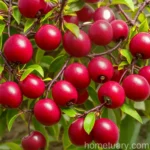
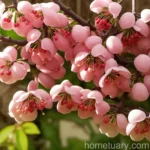
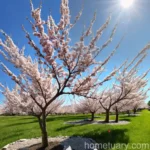
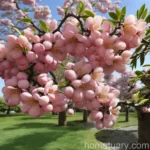
Bird cherry, particularly the ‘Berg’ variety, is highly prized for its ornamental value, thanks to its enchanting clusters of white blossoms that adorn the tree in spring. The delicate, fragrant flowers create a captivating display, attracting pollinators and adding a touch of elegance to any landscape. As the seasons progress, the tree’s foliage transitions through various shades of green, culminating in a stunning display of autumn colors, further enhancing its visual appeal. The ornamental beauty of bird cherry makes it a favored choice for gardens, parks, and urban landscapes.
Ecological Significance
Apart from its aesthetic allure, bird cherry holds significant ecological value. The tree provides a vital food source for various wildlife, including birds and insects. Its nectar-rich flowers attract bees and other pollinators, contributing to the broader ecosystem’s health and biodiversity. Additionally, the tree’s berries serve as a food source for birds, further highlighting its ecological importance.
Medicinal and Practical Uses
Bird cherry has been traditionally utilized for various medicinal and practical purposes. While the tree’s berries are known to be toxic to humans and generally not consumed, they have been used in herbal medicine for their diuretic and laxative properties. Additionally, bird cherry wood has been employed in woodworking, particularly for crafting small items and turning projects.
Cultural Significance
Throughout history, bird cherry has held cultural significance in various contexts. It has been featured in folklore and mythology, often symbolizing different aspects such as rebirth, protection, and love. The tree’s blossoms and fruit have been integrated into traditional customs and celebrations, accentuating its cultural relevance.
Propagation
Seed Propagation
Bird cherry trees can be propagated from seeds, although this method may take several years to yield a mature, flowering tree. The seeds can be collected from ripe berries and sown in well-prepared seedbeds or containers. Stratification, a cold moist period, can aid in breaking seed dormancy and promoting germination. Once established, the seedlings can be transplanted to their permanent locations, allowing them to grow into robust trees over time.
Cuttings
Softwood or hardwood cuttings can be employed to propagate bird cherry, offering a more expedited route to producing new trees. Softwood cuttings, taken in early summer, and hardwood cuttings, taken in late autumn or winter, can be rooted under favorable conditions. Rooting hormone and a well-draining rooting medium can enhance the success rate of cuttings. With appropriate care and nurturing, the cuttings can develop into healthy, independent trees.
Grafting
Grafting presents another propagation method for bird cherry trees, allowing for the reproduction of specific varieties such as the ‘Berg’ cultivar. T-budding or whip-and-tongue grafting can be utilized to join the desired scion onto a compatible rootstock. Grafting ensures that the new tree inherits the desired traits and characteristics of the parent tree, providing a reliable means of propagation for maintaining specific cultivars.
Container Cultivation
Suitable Containers
For enthusiasts with limited garden space or those looking to grow bird cherry in containers, selecting the right container is crucial. Large, sturdy containers with adequate drainage are essential to accommodate the tree’s root system and provide stability. Additionally, choosing containers made of durable materials that can withstand outdoor conditions is advisable.
Growing Medium
A well-draining, nutrient-rich growing medium is necessary for cultivating bird cherry in containers. A blend of quality potting mix, compost, and perlite or vermiculite can provide an ideal growing environment for the tree. Regular monitoring of moisture levels and appropriate watering are essential for container-grown trees, as they may dry out more quickly than those planted in the ground.
Container Care
Containerized bird cherry trees require regular monitoring and care to ensure their health and vitality. Adequate sunlight, appropriate watering, and proper nutrition are essential for fostering robust growth and abundant flowering. Furthermore, occasional root pruning and repotting may be necessary to prevent root-bound conditions and maintain the tree’s well-being.
Popularity
The bird cherry, particularly in its ‘Berg’ variety, has gained popularity among gardeners, landscapers, and nature enthusiasts for its exquisite beauty and diverse uses. Its graceful form, captivating blossoms, and ecological contributions have positioned it as a favored choice for enhancing landscapes and supporting local wildlife. As awareness of its ornamental, ecological, and cultural value continues to grow, the bird cherry remains a beloved and sought-after tree in various gardening and conservation circles.
Common Diseases
Silver Leaf Disease
Silver leaf disease, caused by the fungus Chondrostereum purpureum, is a prevalent ailment that affects numerous species in the Prunus genus, including bird cherry. Infected trees exhibit characteristic silvering of the leaves, followed by wilting and dieback of branches. Pruning tools should be disinfected between cuts, and infected branches should be promptly removed and destroyed to prevent the spread of the disease.
Blossom Blight
Blossom blight, often attributed to fungi such as Monilinia species, can affect bird cherry blossoms, leading to browning, wilting, and the formation of a grayish mold. Regular inspection of the blossoms and proper sanitation methods can help mitigate the spread of this disease. Additionally, applications of fungicides may be warranted in severe cases to manage the condition effectively.
Canker Diseases
Various canker-causing fungi can afflict bird cherry trees, resulting in the formation of sunken, discolored lesions on the bark. Cankers can weaken the affected branches and compromise the tree’s overall health. Pruning out infected branches and promoting vigorous growth through proper care can aid in preventing and managing canker diseases.
Disease Diagnosis
Diagnosing diseases in bird cherry trees involves careful observation of symptoms, noting any changes in the tree’s foliage, blossoms, or overall vigor. Conducting regular inspections and promptly addressing any signs of disease can aid in early detection and management. In cases of uncertainty, consulting with a local plant pathologist or arborist can provide invaluable insights and recommendations for accurate diagnosis and effective treatment.
Common Pests
Aphids
Aphids are often found on bird cherry trees, congregating on the undersides of leaves and tender shoots. These tiny, sap-sucking insects can cause leaf curling, yellowing, and the formation of honeydew, which can attract sooty mold. Natural predators, such as ladybugs and lacewings, can help keep aphid populations in check. If necessary, insecticidal soaps or horticultural oils can be used to manage aphid infestations.
Caterpillars
Caterpillars, including the larvae of various moth species, can feed on the leaves of bird cherry trees, potentially causing defoliation. Vigilant monitoring and manual removal of caterpillars can aid in minimizing their impact on the tree. Bacillus thuringiensis (Bt) and other targeted insecticides can be employed if caterpillar populations pose a significant threat to the tree’s health.
Scale Insects
Scale insects, such as the European fruit lecanium (Parthenolecanium corni), can infest bird cherry trees, attaching themselves to the branches and feeding on the tree’s sap. Their presence can lead to weakened growth, dieback, and the secretion of honeydew. Horticultural oils and systemic insecticides can be utilized to manage scale infestations, ensuring the tree’s vitality and resilience.
Botanist’s Tips
Promoting Pollinators
Creating a pollinator-friendly environment around bird cherry trees can enhance their flowering and fruiting. Planting pollinator-attracting flowers, providing water sources, and minimizing pesticide use can encourage the presence of bees, butterflies, and other beneficial pollinators, ultimately benefiting the tree’s reproductive success and the broader ecosystem.
Monitoring Moisture
Regularly monitoring soil moisture levels, particularly during periods of extended dryness, is essential for supporting the health and vigor of bird cherry trees. Mulching around the base of the tree can help conserve soil moisture, regulate soil temperature, and suppress weed growth, contributing to the tree’s overall well-being.
Integrated Pest Management
Adopting integrated pest management (IPM) practices can help maintain pest populations at manageable levels while minimizing the use of chemical controls. Implementing cultural, biological, and physical control measures, alongside targeted applications of pesticides if necessary, can effectively mitigate pest pressures while promoting a healthy, balanced ecosystem around bird cherry trees.
Fun Facts
-
The bird cherry (Prunus padus ‘Berg’) is native to Europe and has made its way into various cultural traditions and stories throughout history.
-
In some European countries, bird cherry blossoms are associated with the arrival of spring and are celebrated in festivals and gatherings.
-
Bird cherry trees are known for their fragrance, attracting not only pollinators but also nature enthusiasts who appreciate their aromatic blossoms.
-
The tree’s berries, while toxic to humans, serve as a vital food source for birds, contributing to the ecological web of the natural environment.
-
Bird cherry wood possesses unique properties that have made it a valued material for a range of small woodworking projects and artisan crafts.
Let’s continue to celebrate and appreciate the remarkable bird cherry (Prunus padus ‘Berg’), recognizing its beauty and contributions to our natural world.
Links to External Resources
For further information on bird cherry cultivation, care, and related topics, the following resources provide valuable insights and guidance:
-
Royal Horticultural Society (RHS) – Bird Cherry: RHS Bird Cherry
-
The Woodland Trust – Bird Cherry: Woodland Trust Bird Cherry
-
University of Florida IFAS Extension – Bird Cherry: UF IFAS Bird Cherry
-
The Wildlife Trusts – Bird Cherry and Wildlife: Wildlife Trusts Bird Cherry
-
Plantlife – Explore Wildflowers: Plantlife Wildflowers
These resources offer a wealth of information and expert guidance on bird cherry, catering to enthusiasts, horticulturists, and nature lovers alike.
With its captivating blossoms, ecological significance, and cultural resonance, bird cherry (Prunus padus ‘Berg’) stands as a testament to the wonders of the natural world. Whether adorning gardens, supporting wildlife, or inspiring traditions, this remarkable tree continues to enchant and enrich the lives of those who encounter its beauty. As we continue to appreciate and cultivate this extraordinary species, may we also cherish the myriad ways in which it contributes to the tapestry of our natural landscapes.
As an enthusiastic botanist and advocate for sustainable horticulture, I am delighted to share my insights and passion for the remarkable bird cherry. Through this exploration, we have unveiled the diverse facets of its culture, uses, care, and ecological importance, shedding light on its enduring charm and relevance in today’s world. I hope this journey has provided a deeper appreciation for the bird cherry and inspired a sense of wonder for the botanical treasures that grace our planet.