Rosa, Rosa - Grandiflora Rose, Rosa - Shrub Rose
Rosa Love (Grandiflora Rose)
Rosa Love, commonly known as the Grandiflora Rose, is a stunning and versatile plant that graces gardens with its vibrant blooms and delightful fragrance..
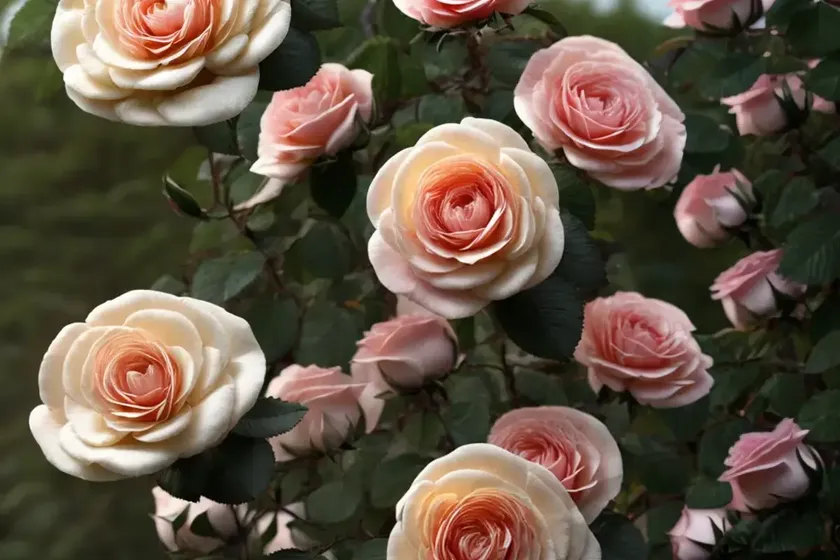
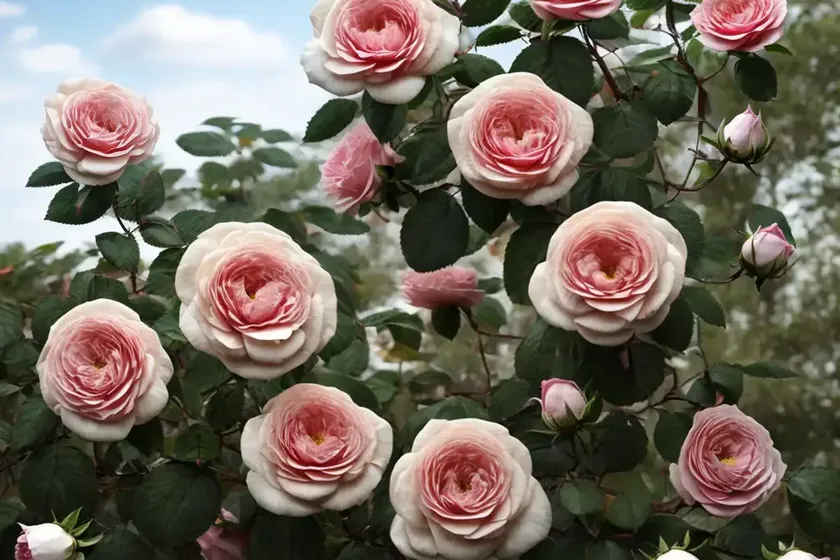
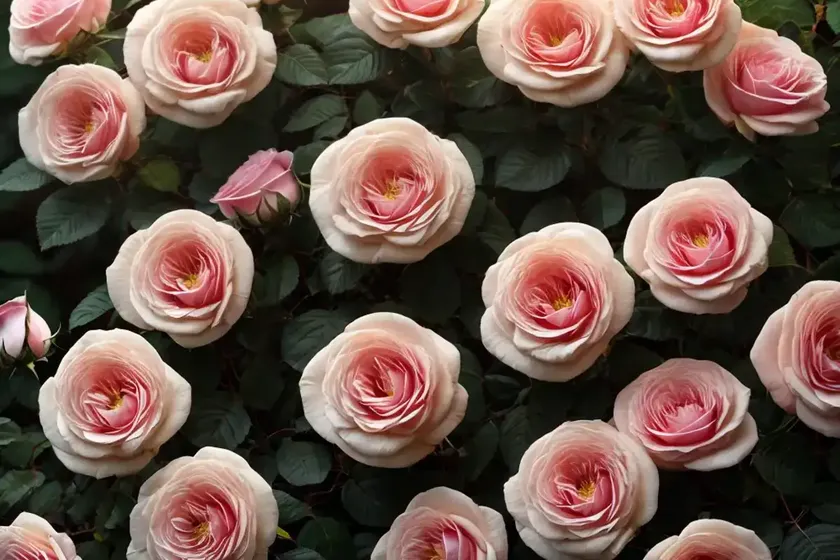
Rosa Love, commonly known as the Grandiflora Rose, is a stunning and versatile plant that graces gardens with its vibrant blooms and delightful fragrance. Belonging to the genus Rosa, this variety of rose has captivated the hearts of gardeners and plant enthusiasts for centuries. Grandiflora Roses are celebrated for their elegance, resilience, and the myriad of uses they offer, making them a cherished addition to any garden or landscape.
In this comprehensive guide, we will delve into the world of Rosa Love and explore the various aspects of caring for, cultivating, and enjoying the beauty of Grandiflora Roses. From understanding their cultural requirements to learning about their propagation, disease prevention, and common pests, this article aims to equip you with the knowledge and insights needed to cultivate thriving and resplendent Rosa Love plants.
Let’s embark on a journey into the captivating realm of Rosa Love.
Key Takeaways – Rosa Love (Grandiflora Rose)
Before we delve into the specifics of caring for Rosa Love, let’s highlight some key takeaways that will guide our exploration of this exquisite plant.
- Plant Name: Rosa Love (Grandiflora Rose)
- Water Requirements: Moderate, consistent watering
- Sunlight Needs: Full sun (at least 6-8 hours of direct sunlight per day)
- Soil Preferences: Well-draining, fertile soil with good organic content
- Fertilization Guidelines: Balanced fertilizer application during the growing season
- Pruning Schedule: Annual pruning in late winter or early spring
- Propagation Methods: Stem cuttings and grafting
- Disease Prevention Strategies: Proper sanitation, air circulation, and vigilant monitoring
- Common Pests: Aphids, thrips, and spider mites
- Winter Protection: Mulching and insulation in colder climates
- Flowering Period: Repeated blooming throughout the growing season
- Fragrant Varieties: Several scented cultivars available
- Container Gardening Tips: Suitable for growing in containers
- Disease-Resistant Varieties: Select cultivars exhibit enhanced disease resistance
- Landscaping Ideas: Ideal for borders, hedges, and mixed perennial beds
With these essential highlights in mind, let’s delve deeper into the various aspects of cultivating and nurturing Rosa Love, the captivating Grandiflora Rose.
Culture
Cultivating Rosa Love requires an understanding of its cultural preferences, including its water requirements, sunlight needs, soil preferences, and fertilization guidelines.
Water
Proper watering is essential for the health and vitality of Rosa Love plants. While these roses appreciate consistent moisture, they are susceptible to issues related to overwatering. It is crucial to strike a balance and avoid waterlogged conditions that can lead to root rot.
- Water Requirements: Moderate, consistent watering
- Watering Frequency: Water deeply when the top inch of soil feels dry
- Avoid Overhead Watering: Direct water at the base of the plant to minimize foliage wetness
- Mulching: Apply a layer of organic mulch around the base of the plant to retain soil moisture and suppress weed growth
- Container Plants: Ensure proper drainage and monitor soil moisture regularly in container-grown Rosa Love
Sunlight
Grandiflora Roses thrive in sunny conditions and require ample sunlight to fuel their growth and blooming potential.
- Sunlight Needs: Full sun (at least 6-8 hours of direct sunlight per day)
- Optimal Orientation: Plant in locations with eastern or southern exposure for maximum sunlight exposure
- Monitor Shading: Avoid planting near large structures or trees that may cast prolonged shade on the roses
- Indoor Cultivation: Provide adequate light for indoor potted Rosa Love, such as placing near south-facing windows
Fertilizer
To support healthy growth, abundant blooms, and overall vitality, Rosa Love benefits from regular fertilization with balanced nutrients.
- Fertilization Guidelines: Apply a balanced slow-release fertilizer in early spring and again in midsummer
- Organic Amendments: Incorporate compost or well-rotted manure into the soil to enhance fertility
- Avoid Over-Fertilization: Follow recommended application rates to prevent excessive vegetative growth at the expense of flowering
- Container Plants: Use a controlled-release fertilizer or liquid fertilizer according to label instructions for potted Grandiflora Roses
Soil
The quality and composition of the soil directly impact the health and performance of Rosa Love plants. Optimal soil conditions promote robust growth and prolific flowering.
- Soil Preferences: Well-draining, fertile soil with good organic content
- pH Range: Slightly acidic to neutral soil pH (pH 6.0-7.0)
- Soil Amendments: Incorporate organic matter such as compost or peat moss to improve soil structure and fertility
- Avoid Compaction: Ensure the soil is loose and aerated to facilitate root development and nutrient uptake
- Soil Testing: Periodically assess the soil pH and nutrient levels to guide necessary amendments
Pruning
Pruning is an essential practice for maintaining the health, shape, and blooming performance of Rosa Love (Grandiflora Rose).
Pruning Schedule
A well-executed pruning regimen rejuvenates the plant, stimulates flowering, and removes diseased or damaged growth.
- Pruning Time: Perform major pruning in late winter or early spring, just before the growing season commences
- Deadheading: Regularly remove spent blooms to encourage continuous flowering
- Thin Out Growth: Open up the center of the plant to improve air circulation and reduce disease incidence
- Remove Weak Growth: Eliminate thin, weak stems to direct energy into robust, productive branches
- Sterilize Tools: Disinfect pruning tools between cuts, especially when dealing with potentially diseased plant parts
Propagation
The propagation of Rosa Love allows for the creation of new plants and the perpetuation of desirable traits through careful selection and breeding.
Propagation Methods
Grandiflora Roses can be propagated through various techniques, each with its distinct advantages and considerations.
- Stem Cuttings: Obtain and root semi-hardwood cuttings from healthy, disease-free parent plants
- Grafting: Combine the desired rose cultivar (scion) with a compatible rootstock to propagate specific traits and enhance disease resistance
- Rooting Hormone: Apply a rooting hormone to stem cuttings to promote the development of roots
- Propagation Success: Ensure appropriate moisture, warmth, and humidity levels to facilitate the establishment of new plants
Container Popularity
Rosa Love’s versatility extends to its ability to thrive and enchant in container gardens, offering a portable and enchanting floral display.
Container Gardening Tips
Growing Grandiflora Roses in containers requires attention to specific factors to ensure their successful cultivation.
- Container Selection: Choose large, sturdy containers with drainage holes to accommodate the vigorous root system of Rosa Love
- Quality Potting Mix: Use a well-draining, high-quality potting mix with good water retention capacity
- Adequate Drainage: Ensure proper drainage to prevent waterlogging, especially in periods of heavy rainfall
- Container Size: Select a container that provides ample room for root development and stability for the growing plant
- Seasonal Care: Monitor soil moisture, fertility, and plant health, adjusting care practices as needed for changing seasons
With a solid understanding of the cultural considerations and essential practices for cultivating Rosa Love, let’s turn our attention to common diseases and effective strategies for disease prevention.
Common Diseases
Grandiflora Roses, like many plants, are susceptible to certain diseases that can impact their growth and vitality. Vigilant monitoring and proactive measures are critical for preventing and managing these potential issues.
Disease Diagnosis
Timely identification and accurate diagnosis of rose diseases are pivotal for implementing targeted control measures and safeguarding the health of Rosa Love plants.
- Common Diseases: Black spot, powdery mildew, rose rust, and botrytis blight
- Visual Symptoms: Familiarize yourself with the characteristic signs of common rose diseases, such as leaf spots, powdery growth, discoloration, and dieback
- Diagnostic Resources: Utilize reputable plant disease guides, extension resources, and local horticultural experts for disease identification assistance
- Prompt Action: Address suspected disease issues promptly to prevent their escalation and spread to other plants
Disease Prevention
Proactive measures focused on cultural practices, environmental modifications, and, if necessary, targeted interventions are key for mitigating the incidence and severity of rose diseases.
- Sanitation: Remove and dispose of fallen leaves, spent flowers, and diseased plant parts to minimize disease inoculum
- Adequate Air Circulation: Prune and space plants to promote air movement and reduce humidity around the foliage
- Watering Practices: Water at the base of the plant in the morning to allow foliage to dry quickly, reducing the risk of fungal diseases
- Mulch Management: Use organic mulch to suppress weeds, regulate soil moisture, and prevent soil-borne disease spread
- Fungicidal Treatments: When warranted, apply fungicides according to label instructions for targeted disease control
With a solid grasp of disease prevention strategies, we can explore the common pests that may pose a threat to Rosa Love and effective methods for pest control.
Common Pests
Various pests can compromise the health and aesthetics of Grandiflora Roses, necessitating vigilant monitoring and appropriate pest management practices.
Common Pests
Recognizing the signs of pest infestations and understanding the behaviors of common rose pests are crucial for implementing timely interventions.
- Aphids: Small, soft-bodied insects that cluster on tender new growth, sucking plant sap and excreting honeydew
- Thrips: Tiny, slender insects that feed on flower buds and foliage, causing stippling and distortion of plant tissues
- Spider Mites: Microscopic pests that produce fine webbing on the undersides of leaves and extract sap, leading to stippled, discolored foliage
- Japanese Beetles: Conspicuous metallic green beetles that skeletonize rose leaves and flowers, often feeding in large groups
Pest Control Strategies
A multifaceted approach to pest control, encompassing preventive measures and targeted interventions, is essential for effectively managing pests on Rosa Love plants.
- Beneficial Insects: Encourage natural predators such as ladybugs, lacewings, and predatory mites to help control aphids and thrips
- Horticultural Oils: Use horticultural oils to suffocate soft-bodied pests like aphids and spider mites while minimizing impact on beneficial insects
- Insecticidal Soap: Apply insecticidal soap to target pests like thrips and aphids, ensuring thorough coverage of affected plant parts
- Light Traps: Employ light traps to attract and capture adult Japanese beetles, reducing their population in the garden
- Integrated Approach: Combine various pest control tactics while prioritizing methods that minimize harm to beneficial insects and the environment
Having addressed the critical aspects of disease prevention and pest control, let’s explore some valuable tips and insights offered by botanists to enhance your success in cultivating and enjoying Rosa Love (Grandiflora Rose).
Botanist’s Tips
Botanists and horticultural experts provide invaluable advice and observations that can elevate your understanding and approach to caring for Grandiflora Roses.
- Selective Cultivar Selection: Choose rose cultivars that align with your climate, soil conditions, and design preferences, and prioritize disease-resistant varieties when possible
- Observation and Monitoring: Regularly assess the health, growth, and environmental conditions impacting your Rosa Love plants, refining your care practices based on these observations
- Companion Planting: Consider the complementary characteristics and growth habits of other plants when designing rose bed and border plantings
- Pruning Proficiency: Hone your pruning skills by learning about different pruning techniques and the art of shaping and rejuvenating Rosa Love plants
- Continuous Learning: Stay informed about the latest developments in rose cultivation, disease management, and sustainable gardening practices through reputable publications, seminars, and horticultural events
Now that we have gathered a wealth of knowledge about cultivating and caring for Rosa Love, let’s explore some intriguing, lesser-known facts about Grandiflora Roses during our botanical exploration.
Fun Facts
Rosa Love (Grandiflora Rose) possesses a rich tapestry of history, culture, and botanical details that contribute to its allure and enduring popularity.
- Varietal Diversity: The Grandiflora Rose category encompasses a diverse range of colors, shapes, and fragrances, offering an extensive palette for gardeners and floral enthusiasts
- Cultural Significance: Roses have been revered and celebrated across civilizations, symbolizing love, beauty, and resilience in numerous cultural traditions and artistic expressions
- Fragrant Elegance: Many Grandiflora Rose cultivars delight the senses with their exquisite fragrance, infusing gardens and floral arrangements with their alluring scent
- Historical Legacy: The cultivation and appreciation of roses date back thousands of years, with their beauty and symbolism integrated into various mythologies, folklore, and historical narratives
- Evolving Breeding Practices: Ongoing breeding efforts continually introduce new rose cultivars, offering enhanced disease resistance, novel colors, and improved performance in various growing conditions
- Nourishing Cultural Practices: Roses have been used in culinary and medicinal applications in diverse cultures, highlighting their multifaceted significance beyond ornamental value
Links to External Resources
For those eager to delve deeper into the realm of Rosa Love (Grandiflora Rose) and expand their knowledge, the following external resources provide valuable insights, practical guidance, and inspiration for cultivating and celebrating these magnificent plants.
- American Rose Society: https://www.rose.org/
- Royal Horticultural Society – Roses: https://www.rhs.org.uk/plants/popular/roses
- University of California Integrated Pest Management – Roses: https://ucanr.edu/sites/UCIPM/files/26915.pdf
- Missouri Botanical Garden – Plant Finder: https://www.missouribotanicalgarden.org/plantfinder/plant-finder-list-results?zoStart=14&plStart=2&indx=14
- The Royal National Rose Society: https://www.rnrs.org.uk/
As we conclude our exploration of Rosa Love (Grandiflora Rose), we hope that this comprehensive guide has deepened your appreciation for these captivating plants and provided you with the knowledge and inspiration to nurture thriving and resplendent Grandiflora Roses in your garden or landscape. Through a combination of thoughtful cultural practices, vigilant disease management, and an understanding of the profound allure of roses, you can create an enchanting tapestry of floral beauty that will continuously inspire and delight. Happy gardening!
The extensive guide above introduces readers to the captivating Rosa Love (Grandiflora Rose), covering various aspects of its cultivation, care, and appreciation. From essential cultural practices to disease prevention strategies and insightful tips, this comprehensive resource offers a holistic perspective on nurturing and celebrating the enduring allure of Grandiflora Roses.


