Rosa, Rosa - Climbing Rose, Rosa - English Rose, Rosa - Shrub Rose
Rosa Flammentanz (Climbing Rose)
In the world of horticulture, climbing roses have an intrinsic charm and are a favorite among gardeners. Among the stunning varieties, the Rosa.
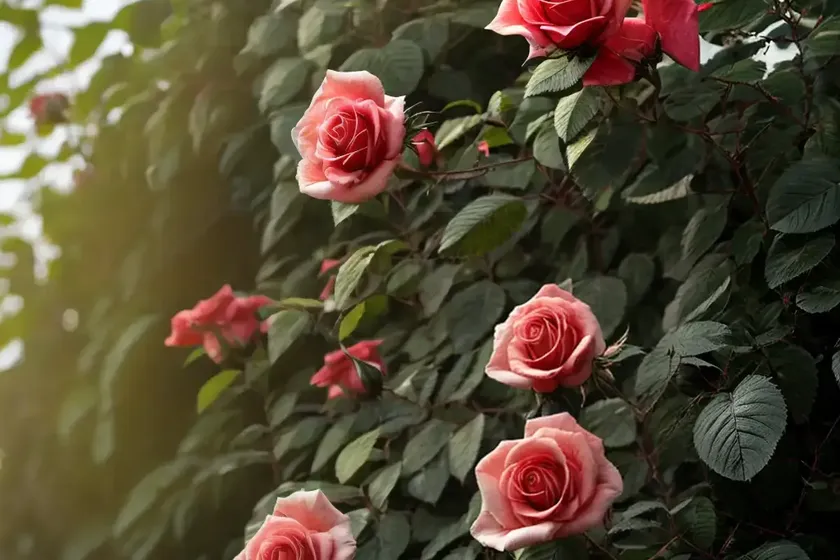
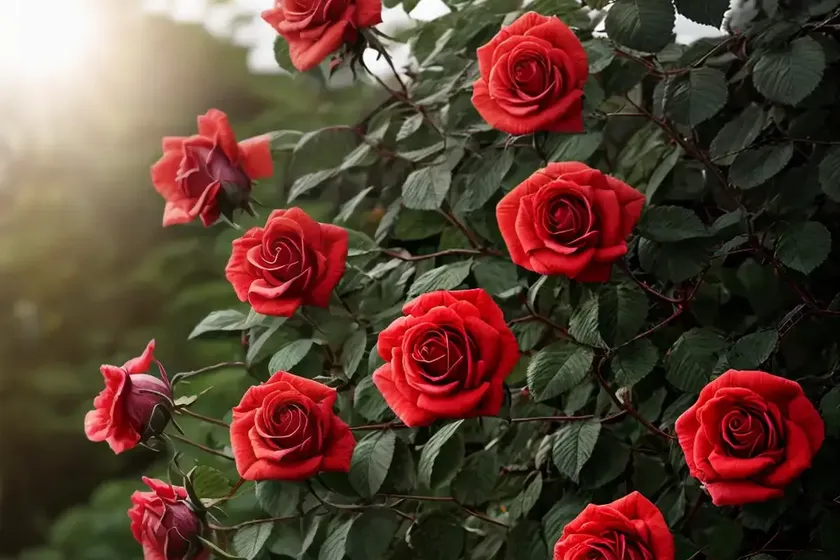
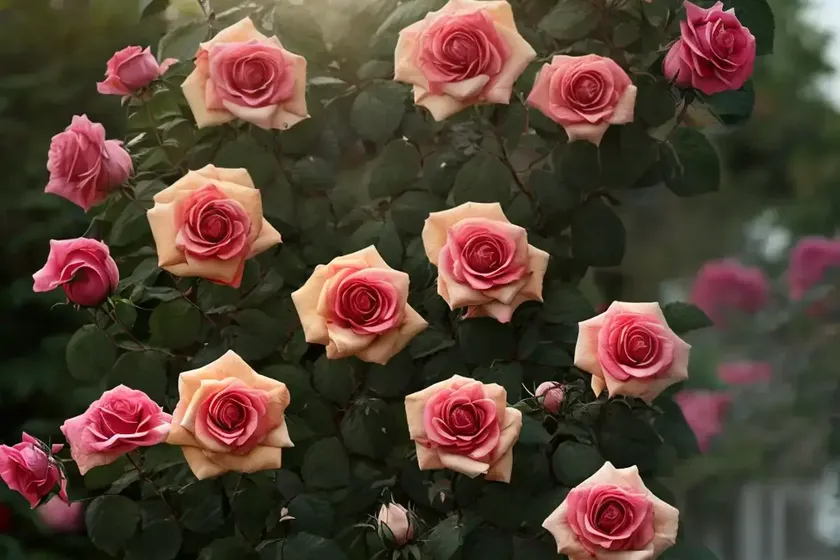
In the world of horticulture, climbing roses have an intrinsic charm and are a favorite among gardeners. Among the stunning varieties, the Rosa Flammentanz, commonly known as the Climbing Rose, particularly stands out for its vibrant blooms and climbing habits. In this comprehensive guide, we will explore the key aspects of the Rosa Flammentanz, from its culture and uses to its water and sunlight requirements, along with tips for pruning, propagation, and addressing common diseases and pests.
What is Rosa Flammentanz (Climbing Rose)?
Rosa Flammentanz, known for its vigorous growth and fiery red blooms, is a captivating climber that adds a touch of elegance to any garden or landscape. This variety is cherished for its robust nature, making it a popular choice among gardening enthusiasts looking to adorn their trellises, arbors, or fences with a stunning display of colorful flowers. The name “Flammentanz” translates to “flame dance,” reflecting the vivacious nature of this climbing rose’s blossoms.
Key Takeaways – Rosa Flammentanz (Climbing Rose)
Let’s take a closer look at the key takeaways associated with cultivating and caring for the mesmerizing Rosa Flammentanz:
- Climbing Rose Varieties: Rosa Flammentanz is a captivating addition to the array of climbing rose varieties, known for its captivating blooms and climbing habits.
- Hardiness: Shows resilience in various climates and is considered to be a hardy climbing rose.
- Fragrance: Boasts a delightful fragrance, adding an olfactory dimension to its aesthetic appeal.
- Bloom Time: Offers a spectacular blooming period, characterized by an abundance of fiery red flowers.
- Sun Exposure: Requires adequate sunlight for healthy growth and blooming.
- Soil Requirements: Thrives in well-draining soil enriched with organic matter.
- Pruning Techniques: Benefits from regular pruning to maintain its vigor and shape.
Now, let’s delve deeper into the essential factors involved in the cultivation and maintenance of the Rosa Flammentanz, starting with its cultural significance and uses.
Culture and Uses of Rosa Flammentanz
The Rosa Flammentanz (Climbing Rose) has been cherished for its ornamental value and diverse uses. From adding a touch of vibrancy to landscapes to being utilized for decorative purposes, this climbing rose has earned its place as a beloved choice for gardeners.
Uses
The uses of Rosa Flammentanz go beyond mere ornamental purposes. Its striking blooms and climbing tendencies make it an excellent choice for the following applications:
- Landscaping: Enhances the aesthetic appeal of gardens, parks, and other outdoor spaces.
- Decorative Purposes: Often used for creating stunning floral displays and adding a pop of color to outdoor settings.
- Cut Flowers: The vibrant blooms are popularly used as cut flowers for floral arrangements and indoor decoration.
- Fragrance Production: The aromatic flowers are utilized for producing scented oils, perfumes, and other fragrance-based products.
- Medicinal Properties: In traditional medicine, its petals and hips are used for their potential health benefits.
Water Requirements
To ensure proper growth and blooming of Rosa Flammentanz, providing adequate water is crucial. Here are some key points regarding its water requirements:
- Frequency: Regular and consistent watering is essential, especially during dry spells and the flowering season.
- Soil Moisture: Requires well-draining soil to prevent waterlogging, which can be detrimental to the plant’s health.
- Mulching: Mulching around the base of the plant helps in retaining soil moisture and regulates the temperature, benefiting the rose.
Sunlight Needs
Like most roses, Rosa Flammentanz thrives in ample sunlight, and providing the right amount of sunshine is imperative for its overall health and blooming capabilities:
- Full Sun: Flourishes in locations that receive at least six to eight hours of direct sunlight per day.
- Shade Tolerance: While it enjoys full sun, it can also tolerate partial shade, but its blooming may be reduced in shady areas.
Fertilizer
Proper fertilization is essential for promoting healthy growth and vibrant blooms in Rosa Flammentanz. Here are some insights into its fertilizer requirements:
- Balanced Fertilizer: Requires a balanced fertilizer with a formulation such as 10-10-10, providing essential nutrients for robust growth.
- Application Time: Fertilize in early spring, just before new growth appears, and then in late spring or early summer to support the blooming season.
- Organic Amendments: Incorporating organic matter, such as compost, can enhance soil fertility and serve as a natural, slow-release fertilizer.
Soil
The importance of the right soil conditions cannot be overstated when it comes to cultivating Rosa Flammentanz. Here’s what you need to know about its soil requirements:
- Well-Draining Soil: Flourishes in well-draining soil that prevents waterlogging and promotes healthy root development.
- pH Level: Prefers slightly acidic to neutral soil with a pH range of 6.0 to 7.0.
- Soil Enrichment: Incorporating organic matter, like compost or well-rotted manure, enhances soil fertility and improves its texture.
Pruning
Pruning is an essential aspect of maintaining the vigor, shape, and blooming potential of Rosa Flammentanz. Here’s a look at the key considerations for pruning this climbing rose:
- Timing: Prune in late winter or early spring before new growth begins.
- Deadheading: Regularly remove spent blooms to encourage new flowering.
- Thin Out Old Branches: Removing old or weak canes helps in promoting air circulation and new growth.
Propagation
Propagation allows gardeners to multiply their beloved Rosa Flammentanz and expand its presence in their outdoor spaces. Here are some common methods for propagating climbing roses like Rosa Flammentanz:
- Cutting Propagation: Utilizing softwood or hardwood cuttings to propagate new plants.
- Layering: Encouraging the formation of roots on a stem while it is still attached to the parent plant.
- Grafting: Joining a Rosa Flammentanz scion onto a compatible rootstock to propagate a genetically identical plant.
Container Popularity
Rosa Flammentanz’s climbing habits and ornamental value make it a sought-after choice for container gardening. Its popularity in container gardening stems from the following factors:
- Space Optimization: Well-suited for vertical gardening, allowing for effective use of space in smaller outdoor settings.
- Aesthetic Appeal: Adds a touch of elegance and color to balconies, patios, and other confined spaces.
- Portability: Facilitates easy relocation for optimal sunlight exposure or to change the visual arrangement of the outdoor space.
Common Diseases
Rosa Flammentanz, like any other rose variety, is susceptible to certain diseases that can affect its health and blooming capability. Understanding these common diseases is crucial for effective disease prevention and management:
- Black Spot: Characterized by black spots on leaves, defoliation, and potential impact on the plant’s overall vigor.
- Powdery Mildew: Presents as a powdery white coating on leaves and can impair the plant’s health if left untreated.
- Rust: Manifests as orange-brown spots on leaves and stems, potentially leading to weakening of the plant.
Disease Diagnosis
Diagnosing diseases in Rosa Flammentanz involves careful observation and early intervention. Here are some steps to diagnose and address common diseases:
- Visual Inspection: Regularly inspect the leaves, stems, and flowers for any signs of discoloration, spots, or abnormal growth.
- Symptom Identification: Identify the specific symptoms, such as spots, wilting, or unusual growth patterns, to narrow down potential diseases.
- Consultation: Seek advice from a plant specialist or horticulturist for accurate diagnosis and treatment recommendations.
Common Pests
In addition to diseases, Rosa Flammentanz is also susceptible to pests that can undermine its health and blooming potential. Here are some of the common pests that may affect this climbing rose:
- Aphids: Small, sap-sucking insects that can congregate on new growth and flower buds.
- Japanese Beetles: These beetles feed on the leaves and flowers, causing considerable damage if left unchecked.
- Spider Mites: These tiny pests can cause stippling and webbing on the leaves, affecting the plant’s overall health.
Botanist’s Tips
As a plant scientist specializing in roses and botanical studies, I recommend the following tips for cultivating and caring for Rosa Flammentanz:
- Regular Monitoring: Keep a close eye on the plant for any signs of diseases, pests, or nutrient deficiencies.
- Adequate Watering: Ensure consistent and appropriate watering to maintain soil moisture and support healthy growth.
- Pruning Practices: Embrace regular pruning as a means to maintain the shape, vigor, and blooming capability of the climbing rose.
- Soil Care: Focus on soil enrichment and maintenance to provide an optimal growing environment for the plant.
Fun Facts
- Heritage: Rosa Flammentanz is a hybrid variety that originated from breeding programs, combining the qualities of different rose species.
- Color Significance: The vibrant red blooms symbolize passion, love, and energy, adding a meaningful touch to its ornamental value.
- Climbing Capabilities: Its vigorous climbing nature allows it to reach impressive heights and create stunning floral displays.
Links to External Resources
To further enrich your knowledge and understanding of Rosa Flammentanz and climbing roses in general, here are some valuable external resources for reference:
- American Rose Society: The official website of the American Rose Society provides a wealth of information on rose cultivation, care, and varieties.
- Royal Horticultural Society: The RHS website offers insights into growing roses, including climbing varieties, with expert advice and resources.
- University Extension Services: University extension services often publish detailed guides on horticulture and gardening, including resources specifically focused on rose care and cultivation.
In conclusion, Rosa Flammentanz (Climbing Rose) stands as a captivating and versatile choice for gardens, landscapes, and container gardening. Its vibrant blooms, climbing habits, and fragrant appeal make it a desirable addition to any outdoor setting, provided that it receives the requisite care and attention. By understanding its cultural needs, managing common issues, and embracing best practices, gardeners can ensure a flourishing and visually stunning display of this vibrant climbing rose variety.
By integrating the insights and recommendations shared in this comprehensive guide, enthusiasts can cultivate and enjoy the beauty of Rosa Flammentanz while creating captivating outdoor spaces that celebrate nature’s splendor.
Keywords: Climbing rose varieties, Rosa Flammentanz care tips, Growing Rosa Flammentanz, Climbing rose pruning techniques, Rosa Flammentanz disease prevention, Hardy climbing roses for all climates, Rosa Flammentanz fragrance, Best supports for climbing roses, Climbing rose pests and control, Rosa Flammentanz bloom time, Trellice ideas for climbing roses, Fragrant climbing roses for landscapes, Rosa Flammentanz hardiness zone, Low maintenance climbing roses, Rosa Flammentanz growth rate, Disease-resistant climbing roses, Vertical gardening with climbing roses, Rosa Flammentanz companion plants, Pruning tips for climbing roses, Rosa Flammentanz flower colors, Everblooming climbing roses, Climbing roses for fences, Rosa Flammentanz soil requirements, Sunlight needs for climbing roses, Best rose fertilizers for climbers, Rosa Flammentanz winter care, Climbing roses for arbor or pergola, Rosa Flammentanz pollinator-friendly qualities, Pest-resistant climbing roses, Training techniques for climbing roses, Rosa Flammentanz landscape design ideas, Climbing roses for privacy screens, Rosa Flammentanz water requirements, Organic pest control for climbing roses, Climbing rose trellis designs, Rosa Flammentanz fragrant blooms, Pruning schedule for climbing roses, Rosa Flammentanz deer-resistant qualities, Native climbing roses, Tips for propagating climbing roses, Rosa Flammentanz disease-resistant features, Climbing roses for balconies or patios, Rosa Flammentanz container gardening ideas, Cold hardy climbing roses, Fragrant Rosa Flammentanz varieties, Climbing roses for small spaces, Rosa Flammentanz sun exposure, Edible rose hips from climbing roses


