Rosa, Rosa - Climbing Rose, Rosa - English Rose, Rosa - Shrub Rose
Rosa Summer Wine (Climbing Rose)
Rosa Summer Wine, a beautiful and versatile climbing rose variety, is a cherished addition to any garden or landscape. With its stunning flowers and.
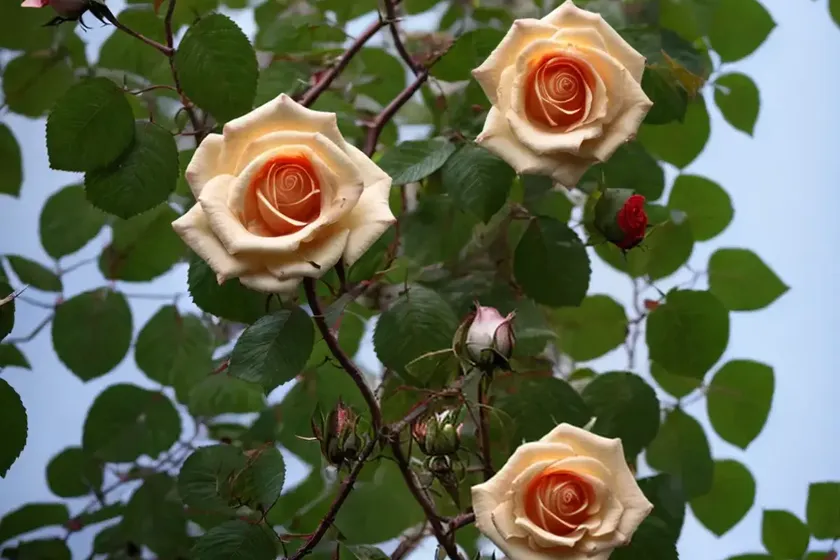
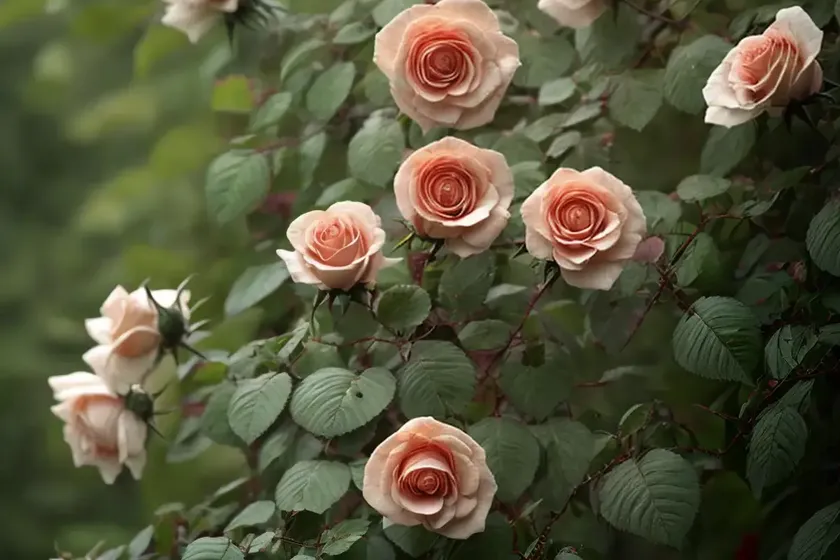
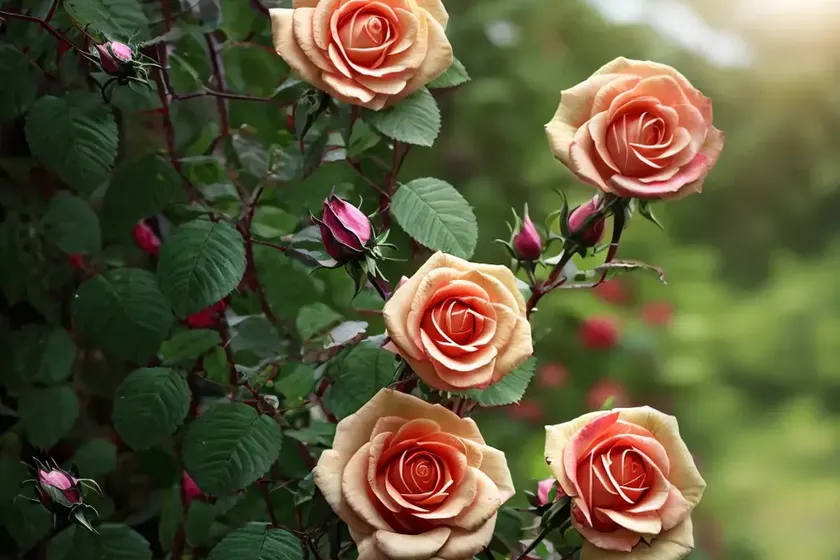
Rosa Summer Wine, a beautiful and versatile climbing rose variety, is a cherished addition to any garden or landscape. With its stunning flowers and vigorous growth habits, this plant has gained popularity among gardeners and landscaping enthusiasts. In this extensive guide, we will delve into the culture, uses, care, and maintenance of Rosa Summer Wine, as well as tips for propagation and dealing with common pests and diseases. We will also explore some interesting facts and tips from botanists that will help you understand and care for this captivating climbing rose variety.
What Is Rosa Summer Wine?
The Rosa Summer Wine, botanically known as Rosa spp., is a stunning climbing rose that belongs to the family Rosaceae. It is renowned for its vibrant, burgundy-colored, semi-double flowers, which exude a scintillating fragrance. This climbing rose variety typically blooms from late spring through early fall, adding a touch of elegance and charm to the landscape.
Rosa Summer Wine is esteemed for its vigorous climbing habit, making it an ideal choice for adorning trellises, arbors, fences, and other structures. Its versatility allows it to thrive in a wide range of environmental conditions, making it an excellent choice for both beginners and seasoned gardeners.
Key Takeaways – Rosa Summer Wine (Climbing Rose)
Before delving into the in-depth care and maintenance aspects, here are some key takeaways about Rosa Summer Wine:
- Scientific Name: Rosa spp.
- USDA Hardiness Zones: 5-10
- Mature Height: 8-12 feet
- Mature Spread: 6-8 feet
- Bloom Time: Late spring to early fall
- Bloom Color: Burgundy
- Growth Habit: Vigorous climber
- Fragrance: Rich, scintillating fragrance
- Uses: Trellises, arbors, fences, containers
Now, let’s explore the various aspects of caring for and maintaining Rosa Summer Wine to ensure its optimal growth and blooming potential.
Culture
Uses
The versatile Rosa Summer Wine can be used in various ways to enhance the beauty of your garden or landscape. Some common uses include:
- Trellises: Training this climbing rose on trellises augments the vertical dimension of the garden and provides a visually striking display.
- Arbors and Pergolas: Adorning arbors and pergolas with Rosa Summer Wine adds an enchanting and romantic aura to the outdoor living space.
- Fences: Integrating these climbing roses into fence structures helps soften the harsh lines and adds a touch of elegance.
- Containers: Rosa Summer Wine can be grown in large, sturdy containers, making it a perfect choice for a patio or balcony garden.
Water
Water is vital for the growth and vitality of Rosa Summer Wine. It is essential to maintain a consistent watering schedule, especially during the active growing season and periods of drought. Here are some watering tips and guidelines:
- Regular Watering: Ensure the plant receives a deep watering at least once a week, especially during dry spells.
- Avoid Overhead Watering: To prevent the risk of fungal diseases, it is best to water at the base of the plant, avoiding wetting the foliage.
- Mulching: Apply a layer of organic mulch around the base of the plant to retain moisture and suppress weed growth.
Sunlight
Proper sunlight exposure is imperative for the healthy growth and prolific blooming of Rosa Summer Wine. Here are some sunlight requirements and best practices to consider:
- Full Sun: This climbing rose thrives in full sunlight, requiring at least 6-8 hours of direct sunlight daily.
- Sheltered Locations: While it enjoys ample sunlight, providing some shelter from strong winds can prevent damage to the delicate foliage and flowers.
- Afternoon Shade: In warmer climates, a bit of afternoon shade can protect the plant from excessive heat, especially during the peak of summer.
Fertilizer
Fertilizing is essential to ensure the nutrient requirements of Rosa Summer Wine are met for robust growth and abundant flowering. Consider the following fertilizer tips and recommendations:
- Balanced Fertilizer: Use a balanced, slow-release fertilizer in early spring to provide essential nutrients for the growing season.
- Additional Feeding: To promote continuous blooming, supplementary feedings can be applied in late spring and mid-summer.
- Organic Options: Organic fertilizers such as compost and well-rotted manure can be used to enrich the soil and enhance the overall health of the plant.
Soil
The right soil conditions are crucial for the overall health and vigor of Rosa Summer Wine. Here are some soil considerations and best practices:
- Well-Draining Soil: Ensure the planting site has well-draining soil to prevent waterlogging and root rot.
- pH Level: A slightly acidic to neutral soil pH (6.0-7.0) is ideal for optimal nutrient uptake and growth.
- Soil Amendments: Incorporating organic matter such as compost and peat moss can improve soil structure and fertility.
Pruning
Pruning is paramount to maintain the health, shape, and blooming potential of Rosa Summer Wine. Proper pruning techniques can encourage vigorous growth and abundant flowering. Consider the following pruning practices:
- Spring Pruning: Perform light pruning in early spring to remove dead or damaged wood and shape the plant.
- Deadheading: Regularly remove spent flowers to promote continuous blooming and prevent seed development.
- Annual Maintenance: Conduct annual pruning to manage the size and shape of the plant, typically during the dormant season in late winter or early spring.
Propagation
Rosa Summer Wine can be propagated through various methods such as cuttings, layering, and division. Here are some propagation tips and techniques:
- Softwood Cuttings: Take softwood cuttings in early summer and propagate them in a well-draining propagation medium.
- Layering: Encourage the growth of roots on a lower stem by burying it in the soil, and once roots develop, sever the stem to create a new plant.
- Division: Divide mature plants to create new starts, ensuring each division has sufficient roots and shoots for successful establishment.
Container Popularity
The versatile nature of Rosa Summer Wine makes it a popular choice for container gardening. Growing this climbing rose in containers offers flexibility and allows for the creation of stunning visual displays on patios, balconies, and other outdoor spaces. Here are some key considerations for container cultivation:
- Large Containers: Use large, sturdy containers to accommodate the vigorous growth habit of Rosa Summer Wine and provide ample space for root development.
- Well-Draining Soil: Ensure the containers have adequate drainage and use a high-quality potting mix to promote healthy growth.
- Support Structure: Place the container near a support structure such as a trellis or obelisk to facilitate the climbing habit of the plant.
Common Diseases
Disease Diagnosis
Rosa Summer Wine, like other rose varieties, is susceptible to certain diseases that can affect its overall health and vigor. Common diseases include:
- Powdery Mildew: A fungal disease that manifests as a powdery white growth on the foliage, often seen in humid conditions.
- Black Spot: Characterized by black spots on the leaves, followed by yellowing and premature defoliation.
- Botrytis Blight: Also known as gray mold, this fungal disease causes flower and bud rot, particularly in wet and humid conditions.
Disease Prevention
Prevention is key to managing and mitigating the impact of common rose diseases. Here are some preventive measures to consider:
- Proper Air Circulation: Ensure adequate spacing between plants to facilitate air circulation and reduce humidity around the foliage.
- Disease-Resistant Varieties: Select disease-resistant varieties such as Rosa Summer Wine to minimize the risk of infections.
- Clean Gardening Practices: Remove and discard diseased plant material, and regularly clean pruning tools to prevent the spread of pathogens.
Common Pests
Rosa Summer Wine may also fall prey to various pests that can compromise its growth and flowering. Common pests include aphids, spider mites, and caterpillars. Here are some pest management strategies:
- Natural Predators: Encourage the presence of natural predators such as ladybugs and lacewings to control aphid populations.
- Spraying: Use a strong stream of water or insecticidal soap to dislodge and control spider mite infestations.
- Handpicking: Handpick caterpillars and other larger pests for immediate control.
Botanist’s Tips
Fun Facts
- Fragrance: Rosa Summer Wine produces a rich, captivating fragrance that adds an enticing allure to the garden or landscape.
- Climbing Habits: The vigorous climbing habit of Rosa Summer Wine enables it to reach impressive heights, creating a striking visual impact.
- Deer Resistance: This climbing rose variety exhibits resistance to deer browsing, making it a reliable choice for gardens frequented by deer.
Tips for Growing Climbing Roses
- Support Structures: Provide sturdy and well-anchored support structures to ensure the climbing roses have proper support as they grow.
- Regular Pruning: Schedule regular pruning sessions to manage the size and shape of the plant and promote healthy growth.
- Ample Sunlight: Ensure the climbing roses receive ample sunlight to facilitate robust blooming and vigorous growth.
Links to External Resources
For additional information and resources on Rosa Summer Wine and climbing rose care, consider exploring the following links:
- American Rose Society
- Royal Horticultural Society – Climbing Roses
- University of California Integrated Pest Management – Roses
In conclusion, Rosa Summer Wine, with its captivating beauty and versatile growth habits, is a delightful addition to any garden or landscape. By understanding its cultural requirements, addressing common issues, and following the recommended care practices, you can ensure that this climbing rose thrives and graces your outdoor space with its charm and elegance.
Whether you are a seasoned gardener or just beginning your gardening journey, the allure of Rosa Summer Wine and the joy of nurturing these beautiful climbing roses are bound to bring endless delight and satisfaction to your gardening endeavors.
Remember to explore the provided external resources for additional insights and guidance, and immerse yourself in the fascinating world of climbing roses and their captivating allure.


