Rosa Dee-Lish� (Hybrid Tea Rose): A Complete Guide
Hybrid Tea Rose Dee-Lish� (Rosa Dee-Lish�) is a stunning floribunda rose known for its beautiful double-flowered, vibrant pink blooms and strong fragrance. This rose variety is popular among gardeners and landscapers for its elegance and versatility. In this comprehensive guide, we will explore everything you need to know about the Rosa Dee-Lish�, from its cultural requirements to its uses and maintenance.
What is Rosa Dee-Lish� (Hybrid Tea Rose)?
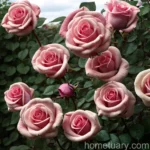
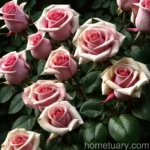
The Dee-Lish� rose is a hybrid tea rose, a class known for its long, elegant stems and large, high-centered blossoms. This particular variety is characterized by its striking, hot pink flowers and intense, sweet fragrance. The Rosa Dee-Lish� is a relatively compact shrub, making it suitable for both garden beds and containers. This rose is known for its exceptional disease resistance and floriferous nature, making it a favorite among gardeners and flower enthusiasts.
Key Takeaways
Let’s start by summarizing the key takeaways about the Rosa Dee-Lish� (Hybrid Tea Rose):
- Plant Name: Rosa Dee-Lish� (Hybrid Tea Rose)
- Class: Hybrid Tea
- Flower Color: Vibrant Pink
- Fragrance: Intensely Sweet
- Uses: Garden Beds, Container Gardening, Cut Flower Arrangements
- Special Features: Disease Resistance, Floriferous Nature
Now, let’s delve into the specific aspects of cultivation, maintenance, and general care for the Rosa Dee-Lish�.
Culture
Cultivating the Rosa Dee-Lish� rose requires an understanding of its specific cultural requirements. From planting to maintenance, each aspect contributes to the successful growth and flourishing of this beautiful rose variety.
Uses
The Dee-Lish� rose is a versatile plant with multiple uses, making it a valuable addition to any garden or landscape. Here are some common uses of the Rosa Dee-Lish�:
- Garden Beds: Planted as a standalone specimen or as part of a mixed rose or flower bed, the Rosa Dee-Lish� adds color and elegance to garden landscapes.
- Container Gardening: Its compact growth habit makes it suitable for container planting, allowing individuals with limited space to enjoy its beauty on patios, balconies, or other urban environments.
- Cut Flower Arrangements: The vibrant pink blooms and sweet fragrance make the Rosa Dee-Lish� an ideal choice for creating stunning cut flower arrangements for indoor display.
Water
Proper watering is essential for the health and vitality of Rosa Dee-Lish�. Here are some key points to consider:
- Watering Needs: The Rosa Dee-Lish� prefers regular, deep watering to keep the soil consistently moist but not waterlogged.
- Established Plants: Once established, a deep watering once or twice a week is usually sufficient, depending on the climate and soil conditions.
- Morning Watering: Watering in the morning allows the foliage to dry before evening, reducing the risk of foliage diseases.
Sunlight
Like most roses, adequate sunlight is crucial for the Rosa Dee-Lish� to thrive and produce abundant blooms. Here are some sunlight-related considerations:
- Optimal Exposure: The Dee-Lish� rose prefers full sun, which typically translates to at least 6 to 8 hours of direct sunlight each day.
- Morning Sun: While it can tolerate some afternoon shade, morning sunlight is particularly beneficial for promoting healthy growth and blooming.
Fertilizer
Proper fertilization supports the growth and flowering of the Rosa Dee-Lish�. Consider the following when fertilizing this rose variety:
- Balanced Fertilizer: Use a balanced, slow-release fertilizer formulated for roses or flowering shrubs in spring, following the package instructions for application rates.
- Additional Feedings: Depending on the specific needs of your garden soil, a supplemental application of fertilizer in mid-summer can help sustain healthy growth and flowering.
Soil
Understanding the soil preferences of the Rosa Dee-Lish� is essential for providing an optimal growing environment:
- Well-Draining Soil: Plant the Dee-Lish� rose in well-draining, nutrient-rich soil with a slightly acidic to neutral pH level.
- Organic Matter: Amending the soil with organic matter, such as compost, can improve its structure and fertility, providing an excellent foundation for the rose’s root development.
Pruning
Pruning is a critical aspect of rose care, including the maintenance of Rosa Dee-Lish�. Here are some pruning guidelines to follow:
- Spring Pruning: Perform a thorough spring pruning to remove dead or diseased wood, shape the plant, and promote vigorous new growth.
- Deadheading: Remove spent flowers throughout the growing season to encourage continuous blooming and prevent seed production.
Propagation
For those interested in propagating new Rosa Dee-Lish� plants, several methods can be effective:
- Cuttings: Propagate the Dee-Lish� rose from stem cuttings taken from a healthy, established plant.
- Layering: Another method involves layering a flexible, low-growing stem and encouraging it to develop roots while still attached to the parent plant.
Container Popularity
Due to its compact size and floriferous nature, the Rosa Dee-Lish� is popular for container gardening. Here are some considerations for growing it in containers:
- Container Size: Use a large container with adequate drainage to accommodate the rose’s root system and provide stability.
- Quality Potting Mix: Choose a high-quality potting mix formulated for roses or flowering plants to ensure proper nutrition and drainage.
Common Diseases
The Rosa Dee-Lish� exhibits excellent disease resistance, but it’s still important to be aware of potential issues that may arise:
Disease Diagnosis
Some common rose diseases to watch for include:
- Powdery Mildew
- Black Spot
- Botrytis Blight
Disease Prevention
To prevent disease, maintain good cultural practices and keep an eye out for early signs of infection:
- Proper Air Circulation: Ensure adequate spacing between plants to promote air circulation and reduce humidity around the foliage.
- Sanitation: Remove and destroy any affected leaves or plant parts promptly to prevent the spread of disease.
Common Pests
While the Rosa Dee-Lish� is generally resistant to many pests, some potential insect adversaries include:
- Aphids
- Thrips
- Spider Mites
Pests Control
Monitor for signs of pest activity and take appropriate measures to control infestations:
- Natural Predators: Encourage the presence of beneficial insects, such as ladybugs and lacewings, which can help keep pest populations in check.
- Horticultural Oils: Use horticultural oils or insecticidal soaps to manage minor infestations of aphids, thrips, or spider mites.
Botanist’s Tips
Here are some additional tips from botanists and experienced rose enthusiasts for cultivating and maintaining the Rosa Dee-Lish�:
- Regular Inspection: Make a habit of regularly inspecting your roses for signs of pests, diseases, or nutrient deficiencies.
- Mulching: Apply a layer of organic mulch around the base of the plant to conserve moisture, suppress weeds, and protect the roots from temperature fluctuations.
Fun Facts
To add some extra charm to your knowledge about the Rosa Dee-Lish�, here are a few fun facts about this delightful hybrid tea rose:
- Award-Winning Variety: The Rosa Dee-Lish� has received accolades for its exceptional beauty and fragrance, making it a prized choice for gardens and floral displays.
- Companion Plants: This rose variety pairs well with a variety of perennials, ornamental grasses, and flowering shrubs, providing endless opportunities for creative garden designs.
Links to External Resources
To further enrich your understanding of the Rosa Dee-Lish� and its care, here are some valuable external resources:
- American Rose Society – www.rose.org
- Royal Horticultural Society – www.rhs.org.uk
- University of California Agriculture and Natural Resources – ucanr.edu
In conclusion, the Rosa Dee-Lish� (Hybrid Tea Rose) represents a captivating blend of beauty, fragrance, and resilience, making it a sought-after addition to gardens, landscapes, and floral arrangements. By understanding and implementing the proper care techniques, you can enjoy an abundance of vibrant pink blooms and indulge in the sweet fragrance of this exceptional rose variety.
Remember that each aspect of cultivation and maintenance, from watering and fertilizing to disease prevention and pest control, contributes to the overall health and vitality of the Rosa Dee-Lish�. With the knowledge and tips provided in this guide, you can confidently cultivate and enjoy the splendor of this breathtaking hybrid tea rose.
Note: Please consult with local gardening experts and extension services for region-specific recommendations on growing and caring for the Rosa Dee-Lish�.