Sarracenia Purpurea Subsp. Venosa (Purple Pitcher Plant)
As a plant scientist, I have always been fascinated by the diverse and unique characteristics of different plant species. One plant that stands out due to.
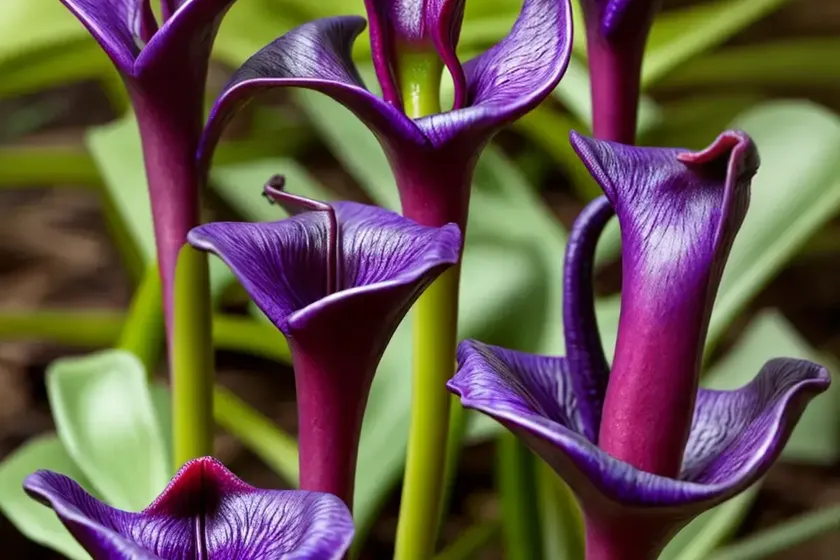
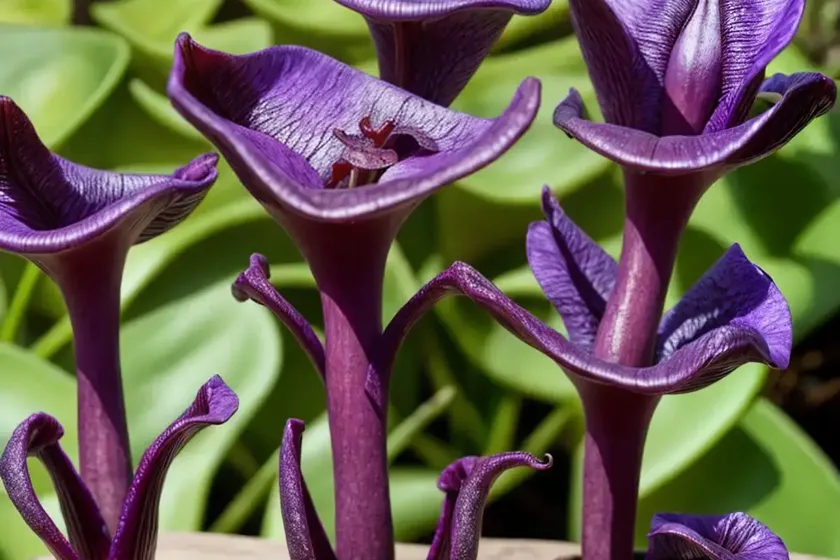
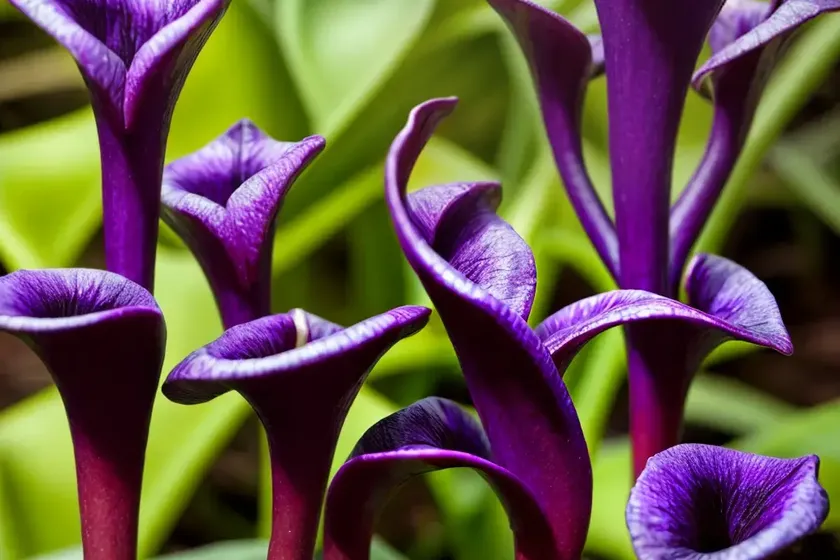
As a plant scientist, I have always been fascinated by the diverse and unique characteristics of different plant species. One plant that stands out due to its remarkable characteristics and intriguing growth habits is the Sarracenia purpurea subsp. venosa, commonly known as the Purple Pitcher Plant. This carnivorous plant belongs to the Sarraceniaceae family and is native to North America. In this comprehensive guide, we will explore the key aspects of the Purple Pitcher Plant, including its culture, uses, maintenance, and propagation.
What is Sarracenia purpurea subsp. venosa?
The Sarracenia purpurea subsp. venosa, or the Purple Pitcher Plant, is a unique and captivating carnivorous plant that is known for its pitcher-shaped leaves that act as traps for insects. This native North American plant is a subspecies of the Sarracenia purpurea and is characterized by its vibrant purple hues, making it a sought-after addition to bog gardens and wetland habitats.
Key Takeaways – Sarracenia purpurea subsp. venosa (Purple Pitcher Plant)
- Scientific Name: Sarracenia purpurea subsp. venosa
- Common Name: Purple Pitcher Plant
- Family: Sarraceniaceae
- Native Habitat: North America
- Key features: Carnivorous, pitcher-shaped leaves, unique adaptations
Now, let’s delve into the various aspects of this captivating plant and explore its culture, uses, maintenance requirements, and more.
Culture
Water
The Purple Pitcher Plant is a bog-loving species that thrives in consistently moist to wet conditions. When cultivating this plant, it is essential to mimic its natural bog habitat by ensuring ample moisture levels in the soil. It is recommended to use rainwater or distilled water to avoid the accumulation of mineral deposits, which can be detrimental to the plant’s health.
Sunlight
In its natural habitat, the Purple Pitcher Plant typically grows in open, sunny locations. When growing this plant, it is crucial to provide it with ample sunlight to support its growth and trap function. A location that receives partial to full sunlight is ideal for the Purple Pitcher Plant, as it enables optimal photosynthesis and the development of vibrant pitchers.
Soil
Given its preference for boggy and nutrient-poor environments, the Purple Pitcher Plant thrives in acidic, well-draining soils. A suitable planting medium for this species consists of a mix of peat moss and perlite, which provides the necessary moisture retention and aeration for the plant’s root system.
Uses
Carnivorous Nature
One of the most fascinating aspects of the Purple Pitcher Plant is its carnivorous nature. The pitcher-shaped leaves of the plant serve as ingenious traps for unsuspecting insects. As insects are lured into the pitcher by nectar and enticing coloration, they become trapped and eventually serve as a source of nutrients for the plant. This unique adaptation allows the Purple Pitcher Plant to thrive in nutrient-deficient environments and sets it apart as a captivating specimen for botanical enthusiasts.
Bog Gardens and Wetland Habitats
Due to its affinity for boggy conditions, the Purple Pitcher Plant is an excellent choice for bog gardens and wetland habitats. The striking appearance of its purple pitchers adds a captivating and exotic touch to these naturalistic settings. Furthermore, the insect-trapping capability of the plant contributes to the ecological balance within these environments, making it a valuable addition to wetland conservation efforts.
Fertilizer
As a carnivorous plant, the Purple Pitcher Plant does not rely on conventional fertilizers for its nutritional needs. Instead, it obtains essential nutrients from the insects it captures and digests within its pitchers. In a cultivated setting, it is crucial to avoid providing the plant with fertilizer, as it can disrupt its natural adaptation to nutrient-poor conditions.
Pruning
Pruning requirements for the Purple Pitcher Plant are minimal, primarily focused on the removal of any dead or withered pitchers. Trimming away spent pitchers helps maintain the plant’s overall aesthetics and promotes new growth. However, it is important to exercise caution during pruning to avoid damaging the developing pitchers or the plant’s rhizome.
Propagation
Propagation of the Purple Pitcher Plant can be achieved through division or seed propagation. Division involves separating the rhizomes of mature plants and repotting them to establish new individuals. When collecting seeds for propagation, it is essential to ensure that they are viable and exhibit the genetic diversity characteristic of the species.
Container Popularity
The unique appearance and captivating nature of the Purple Pitcher Plant have contributed to its popularity as a container plant. Cultivating this species in containers allows enthusiasts to create miniature bog gardens and appreciate the intricate beauty of its pitchers up close.
Container
When selecting a container for the Purple Pitcher Plant, it is essential to prioritize adequate drainage to prevent waterlogged conditions. A container with drainage holes is recommended to facilitate the removal of excess water and maintain the appropriate moisture levels for the plant.
Common Diseases
The Purple Pitcher Plant is relatively resistant to common plant diseases, owing to its adaptation to nutrient-poor environments and carnivorous nature. However, excessive moisture or improper soil conditions can make it susceptible to root rot and fungal infections.
Disease Diagnosis
Signs of disease in the Purple Pitcher Plant may include wilting, discoloration of pitchers, or a decline in overall vigor. Upon noticing any of these symptoms, prompt action should be taken to diagnose the specific issue and implement appropriate remedies.
Common Pests
While the carnivorous nature of the Purple Pitcher Plant acts as a deterrent against many insect pests, it can still fall victim to certain pests such as aphids or spider mites. Monitoring the plant regularly and maintaining optimal growing conditions can help mitigate potential pest infestations.
Botanist’s Tips
To ensure the successful cultivation of the Purple Pitcher Plant, it is crucial to adhere to the following tips:
- Maintain Consistent Moisture: Ensure that the plant’s growing medium remains consistently moist, mimicking its natural bog habitat.
- Provide Ample Sunlight: Position the plant in a location that receives partial to full sunlight to support its growth and pitcher development.
- Avoid Fertilization: Refrain from using conventional fertilizers, as the plant derives its nutrients from captured insects.
- Utilize Distilled Water: Use rainwater or distilled water to irrigate the plant, preventing the accumulation of mineral deposits.
Fun Facts
- The pitcher-shaped leaves of the Purple Pitcher Plant not only serve as traps for insects but also aid in collecting rainwater to supplement the plant’s moisture requirements.
- The plant’s ability to thrive in nutrient-poor conditions showcases its remarkable adaptation to challenging environments.
Links to External Resources
In conclusion, the Sarracenia purpurea subsp. venosa, or the Purple Pitcher Plant, stands out as a captivating and unique carnivorous species. From its intriguing pitcher-shaped leaves to its natural insect-trapping abilities, this plant offers a fascinating glimpse into the diversity of the plant kingdom. By understanding its culture, uses, and maintenance requirements, plant enthusiasts can appreciate the extraordinary adaptations of the Purple Pitcher Plant and cultivate it successfully in various settings, from bog gardens to container displays.
As a plant scientist, I am continuously inspired by the ingenuity and resilience displayed by plants such as the Purple Pitcher Plant, and I am excited to witness the ongoing fascination and admiration it evokes among enthusiasts and conservationists worldwide.


