Phlomis Italica (Balearic Island Sage)
Phlomis italica, commonly known as Balearic Island Sage, is a stunning perennial plant that belongs to the Lamiaceae family. This plant is native to the.
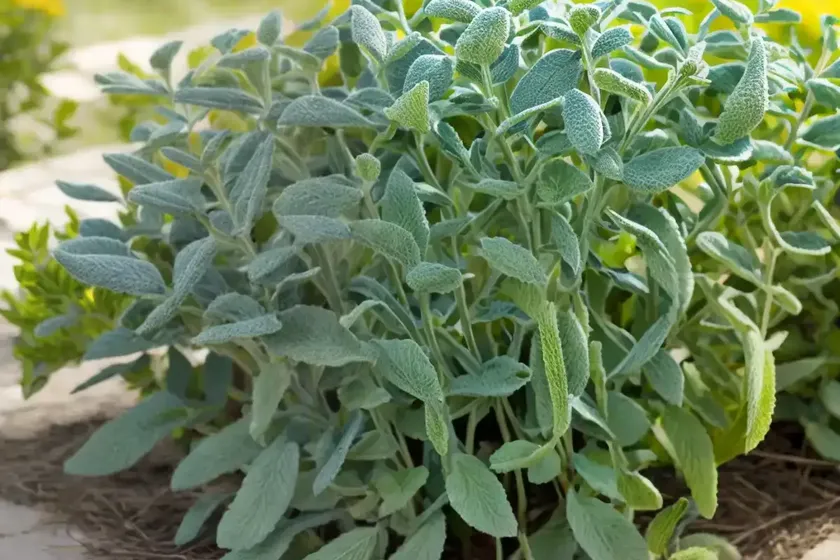
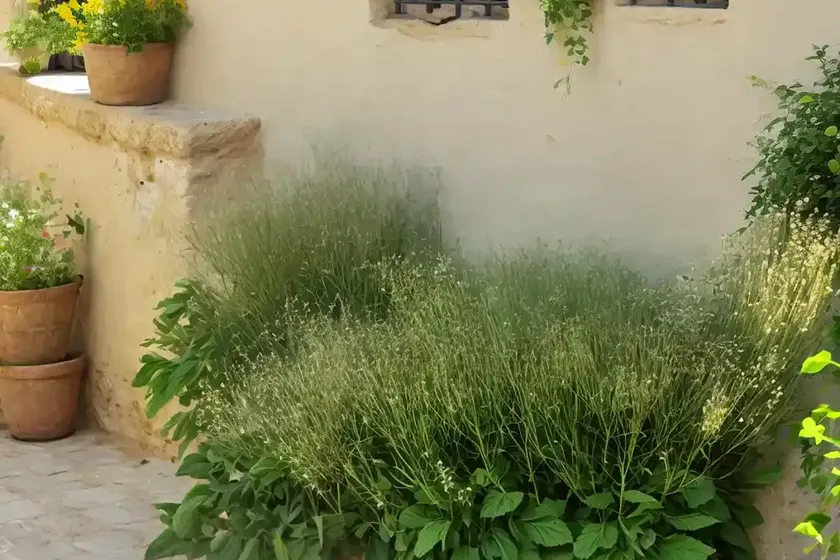
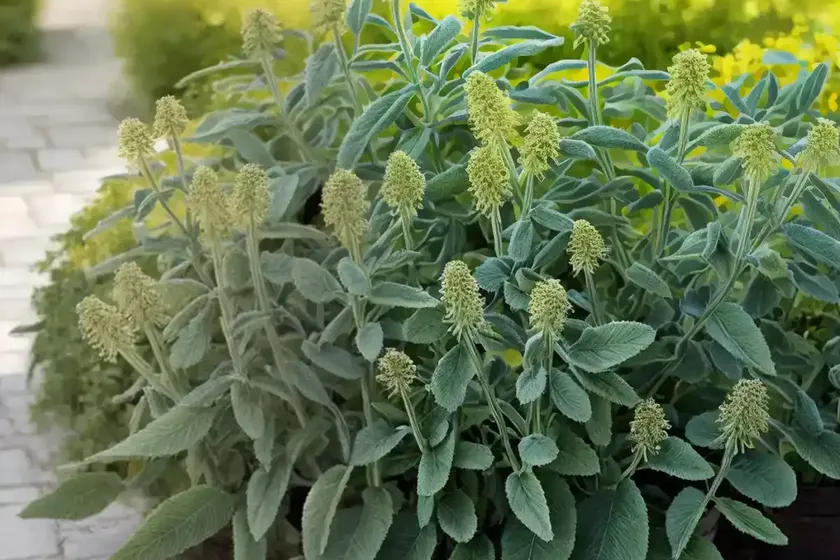
Phlomis italica, commonly known as Balearic Island Sage, is a stunning perennial plant that belongs to the Lamiaceae family. This plant is native to the Balearic Islands, which are located in the western Mediterranean. With its unique foliage, attractive flowers, and various landscape uses, Phlomis italica has gained popularity among gardeners and landscaping enthusiasts.
In this comprehensive guide, we will delve into the various aspects of Phlomis italica, including its cultural requirements, uses, and maintenance. Whether you are a seasoned gardener or a beginner looking to explore new plant species, this article will provide you with valuable insights into the world of Balearic Island Sage.
What is Plant: Phlomis italica (Balearic Island Sage)?
Phlomis italica, or Balearic Island Sage, is a visually striking perennial plant that is characterized by its distinctive foliage and beautiful clusters of flowers. This species is known for its ability to thrive in Mediterranean climates and is well-suited for gardens, landscapes, and even container gardening.
Key Takeaways – Phlomis italica (Balearic Island Sage)
Before we delve into the specifics of growing and caring for Phlomis italica, let’s briefly overview the key takeaways associated with this captivating plant:
- Plant Name: Phlomis italica (Balearic Island Sage)
- Family: Lamiaceae
- Common Names: Balearic Island Sage
- Native Habitat: Balearic Islands, Western Mediterranean
- Plant Type: Perennial
- Water Needs: Low to Moderate
- Sunlight Requirements: Full Sun to Partial Shade
- Soil Type: Well-draining, Sandy or Loamy
- Uses: Ornamental, Medicinal
- Growth Habits: Bushy, Upright
- Flowering Period: Late Spring to Early Summer
- Drought Tolerance: High
- Pruning: Minimal
Now that we have a general understanding of Phlomis italica, let’s explore each aspect in detail and learn how to cultivate and care for this fascinating plant.
Culture
Cultivating Phlomis italica requires an understanding of its cultural preferences, including water, sunlight, soil, and fertilization needs. By creating the ideal growing conditions, you can ensure the health and vitality of Balearic Island Sage in your garden or landscape.
Water
Balearic Island Sage is well-adapted to dry and arid conditions, making it an excellent choice for water-wise gardens. While established plants demonstrate good drought tolerance, it is essential to provide regular watering during the initial establishment phase. Once the plant has developed a strong root system, it can thrive with minimal supplemental irrigation.
- Water Needs: Low to Moderate
- Watering Frequency: Water deeply once a week during dry spells or when planted in containers. Reduce frequency during cooler months or in well-draining soils.
- Signs of Overwatering: Yellowing or wilting leaves may indicate excessive moisture. Ensure proper drainage to prevent waterlogged conditions.
Sunlight
Phlomis italica thrives in full sun to partial shade and requires adequate sunlight to support healthy growth and vibrant flowering. When selecting a planting location, consider the sun exposure to ensure optimal conditions for the Balearic Island Sage.
- Sunlight Requirements: Full Sun to Partial Shade
- Ideal Placement: Choose a location with at least 6-8 hours of direct sunlight for best flowering and foliage development.
- Shade Tolerance: While tolerant of partial shade, prolonged low-light conditions may reduce flowering and lead to leggy growth.
Fertilizer
While Phlomis italica is renowned for its ability to thrive in lean soils, a light application of balanced fertilizer can support plant health and vigor. However, it is crucial to avoid over-fertilization, as excessive nutrients may compromise the plant’s resilience to drought and poor soil conditions.
- Fertilization Schedule: Apply a balanced, slow-release fertilizer in early spring before new growth emerges.
- Fertilizer Type: Select a general-purpose fertilizer with a balanced NPK ratio (e.g., 10-10-10 or 20-20-20).
- Avoid Over-Fertilization: Refrain from excessive fertilization, as Balearic Island Sage prefers nutrient-poor soils in its natural habitat.
Soil
Phlomis italica thrives in well-draining soils and is well-adapted to a range of soil types, including sandy or loamy substrates. When preparing the planting site or selecting a container mix, focus on providing optimal soil conditions to promote healthy root development and overall plant growth.
- Soil Type: Well-Draining, Sandy or Loamy
- pH Range: Neutral to Slightly Alkaline (pH 6.5-7.5)
- Soil Preparation: Prior to planting, amend heavy or clay soils with organic matter to enhance drainage and aeration.
- Container Planting: Use a well-draining potting mix formulated for Mediterranean plants or succulents.
Pruning
Phlomis italica requires minimal pruning and is appreciated for its naturally tidy growth habits. However, light pruning can help maintain the plant’s shape, remove spent flowers, and rejuvenate the foliage. Understanding the proper pruning techniques is essential to preserve the plant’s aesthetic appeal and overall health.
- Pruning Time: Perform light pruning in late spring or immediately after the flowering period.
- Pruning Techniques: Use clean and sharp pruners to remove spent flower stalks and shape the plant as needed.
- Caution: Avoid extensive or severe pruning, as Balearic Island Sage typically maintains an attractive form without excessive intervention.
Propagation
For those interested in propagating Phlomis italica, several methods, including seed sowing and division, can be employed to expand the plant population. By understanding the propagation techniques and timing, you can successfully propagate Balearic Island Sage and introduce it to new areas of your garden or landscape.
- Seed Propagation: Collect mature seeds from the dried flower heads and sow them in well-draining seedling trays or containers. Provide bottom heat and consistent moisture for germination.
- Division: In early spring, carefully divide the root clumps of established plants and replant the divisions in prepared soil. Water thoroughly after planting to support establishment.
Container Popularity
Phlomis italica is well-suited for container gardening and has gained popularity among enthusiasts seeking to incorporate its ornamental and drought-tolerant qualities into their outdoor spaces. When selecting a container and growing Balearic Island Sage in pots, certain considerations can enhance the plant’s performance and visual impact.
- Container Size: Choose a spacious container with adequate drainage holes to accommodate the plant’s root system and allow for proper aeration.
- Potting Mix: Utilize a well-draining, soilless potting mix designed for Mediterranean plants or succulents.
- Watering Needs: Monitor soil moisture closely, especially during the warm season, and adjust watering frequency based on the plant’s needs.
- Sun Exposure: Position the container in a location that receives ample sunlight, such as a south-facing patio or balcony.
Common Diseases
While Phlomis italica is known for its resilience to adverse conditions, it may occasionally encounter certain diseases or issues that affect its health and appearance. Understanding the common diseases and implementing preventive measures is crucial for maintaining the vitality of Balearic Island Sage in the garden or landscape.
Disease Diagnosis
- Fungal Diseases: Keep an eye out for signs of fungal diseases, such as powdery mildew or rust, particularly in humid or poorly ventilated conditions. Prune affected plant parts and improve air circulation to discourage fungal development.
- Root Rot: Overwatering or waterlogged soils can lead to root rot, which manifests as wilting, yellowing foliage, and overall decline. Adjust the watering practices and ensure proper drainage to mitigate the risk of root rot.
Common Pests
Balearic Island Sage is generally resistant to most pests due to its aromatic foliage and natural defenses. However, certain insects may occasionally pose a threat to the plant’s well-being. By staying vigilant and implementing pest management strategies, you can safeguard Phlomis italica from potential infestations.
- Aphids: Keep an eye out for aphids, particularly on the tender new growth, and dislodge them with a strong stream of water or introduce natural predators like ladybugs.
- Spider Mites: Monitor for signs of spider mite infestations, which may cause stippled or discolored leaves. Increase humidity and consider natural miticides as a control measure if necessary.
Botanist’s Tips
As a plant scientist specializing in the study of Phlomis italica, here are some additional tips and insights to enhance your understanding and appreciation of Balearic Island Sage:
- Plant Selection: When selecting Phlomis italica for your garden or landscape, consider the specific cultivars or varieties available, as they may exhibit distinct growth habits, foliage colors, or flower characteristics.
- Companion Planting: Explore suitable companion plants that complement the ornamental and ecological features of Balearic Island Sage. Look for species that share similar cultural requirements and create visually appealing combinations.
- Wildlife Benefits: Recognize the ecological value of Phlomis italica as a wildlife-friendly plant, particularly for pollinators and beneficial insects. Embrace its role in supporting biodiversity and ecological balance within the garden ecosystem.
Fun Facts
No exploration of Phlomis italica would be complete without uncovering some intriguing and delightful facts about this remarkable plant:
- Aromatic Foliage: Balearic Island Sage is renowned for its aromatic leaves, emitting a pleasant fragrance when touched or brushed, making it a sensory delight in the garden.
- Medicinal Uses: In addition to its ornamental appeal, Phlomis italica has historical applications in traditional medicine for various ailments, showcasing its diverse cultural significance.
Links to External Resources
For further exploration of Phlomis italica (Balearic Island Sage) and related topics, consider the following external resources:
- Royal Horticultural Society – Phlomis italica
- Missouri Botanical Garden – Phlomis italica
- National Gardening Association – Balearic Island Sage
- Botanical Society of Britain & Ireland – Phlomis italica
- University of California – Division of Agriculture and Natural Resources – Mediterranean Plants
Now armed with a wealth of knowledge about Phlomis italica (Balearic Island Sage), you are primed to embark on a remarkable journey of growing, appreciating, and embracing the alluring qualities of this captivating perennial plant. Whether you are drawn to its ornamental allure, resilience in challenging climates, or ecological contributions, Balearic Island Sage stands as a testament to the beauty and adaptability of Mediterranean flora.
By delving into the intricate details of Phlomis italica, we have uncovered the essence of this extraordinary plant, from its cultural requirements and uses to its enchanting attributes and ecological significance. As a dedicated plant scientist, I am thrilled to share the fascinating world of Balearic Island Sage with fellow enthusiasts and aspiring horticulturists. If you have any questions or insights to share about Phlomis italica, I invite you to join the conversation and continue exploring the botanical wonders that enrich our lives.


