Lifelong Saxifrage (Saxifraga Paniculata)
Lifelong saxifrage, scientifically known as Saxifraga paniculata, is a delightful perennial plant that has gained popularity among gardeners for its.
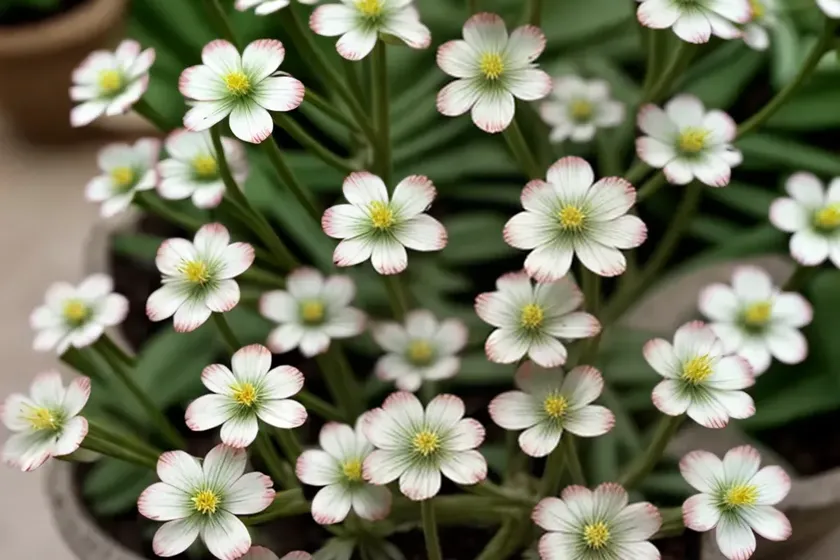
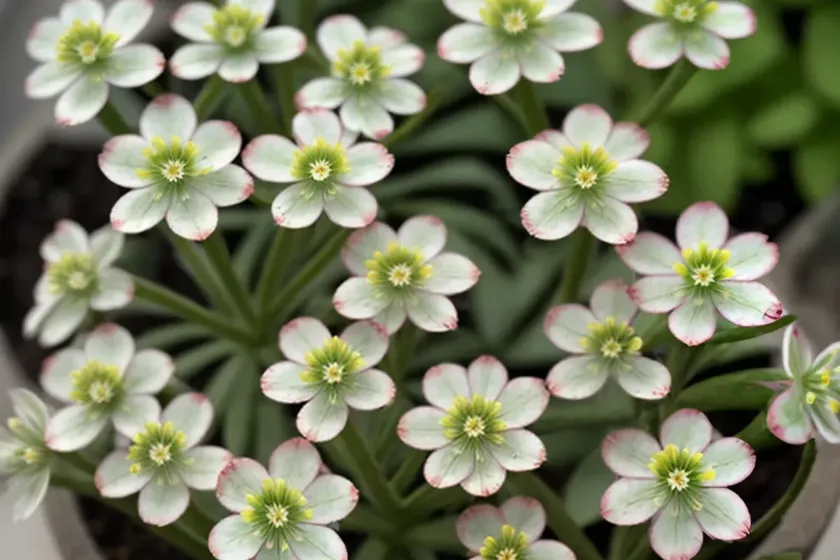
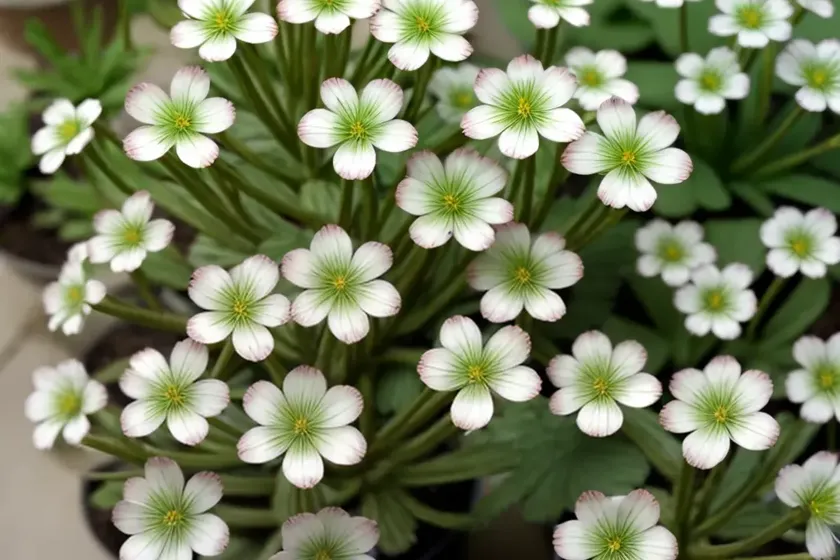
Lifelong saxifrage, scientifically known as Saxifraga paniculata, is a delightful perennial plant that has gained popularity among gardeners for its charming appearance and low-maintenance characteristics. This plant belongs to the Saxifragaceae family, and its varieties exhibit a remarkable display of flowers and foliage, making it an ideal choice for landscaping and ornamental gardening. If you are looking to add a touch of elegance and natural beauty to your garden, then the lifelong saxifrage is just the plant for you.
In this comprehensive guide, we will explore the various aspects of growing and caring for Saxifraga paniculata, from its cultural requirements to disease prevention and container gardening. Whether you are a beginner or an experienced gardener, this article will provide you with valuable insights and tips to ensure the successful cultivation of lifelong saxifrage in your own garden.
Key Takeaways – Lifelong Saxifrage (Saxifraga paniculata)
Before delving into the specifics of cultivating lifelong saxifrage, let’s take a quick look at the key takeaways that will be covered in this guide:
- Culture: Understanding the cultural needs of Saxifraga paniculata.
- Uses: Exploring the versatile uses of lifelong saxifrage in gardens and landscapes.
- Water: Proper watering techniques and water requirements for the plant.
- Sunlight: Sun exposure preferences for optimal growth and blooming.
- Fertilizer: Fertilization guidelines for promoting healthy growth and flowering.
- Soil: Soil requirements and preparation for cultivating lifelong saxifrage.
- Pruning: Techniques for maintaining the plant’s shape and health.
- Propagation: Methods for propagating Saxifraga paniculata.
- Container Gardening: Tips for growing lifelong saxifrage in containers.
- Popularity: Understanding the appeal and popularity of this perennial plant.
- Common Diseases: Common diseases that may affect Saxifraga paniculata and their prevention.
- Disease Diagnosis: Identifying and addressing diseases in lifelong saxifrage.
- Common Pests: Recognizing and managing common pests that can infest the plant.
- Botanist’s Tips: Expert advice and tips for successful cultivation.
- Fun Facts: Interesting and lesser-known facts about lifelong saxifrage.
- Links to External Resources: Additional references and resources for further exploration.
Now, let’s dive into each of these aspects to gain a comprehensive understanding of growing and caring for lifelong saxifrage in your garden.
What is Lifelong Saxifrage (Saxifraga paniculata)?
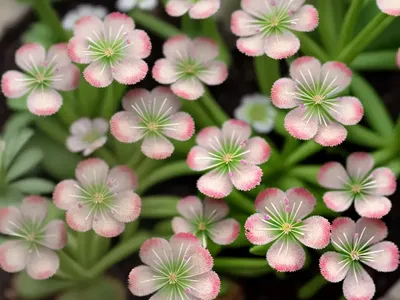
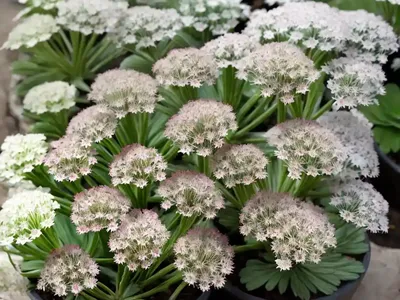
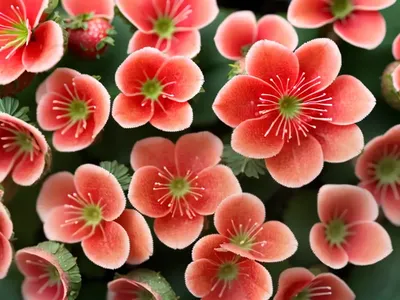
Saxifraga paniculata, commonly known as lifelong saxifrage, is a herbaceous perennial plant that is native to Europe and Asia. It is characterized by its tufts of basal foliage and airy clusters of delicate, star-shaped flowers that bloom in various colors, including white, pink, and red. The plant typically reaches a height of 30-60 centimeters (12-24 inches) and spreads through the growth of rhizomes, forming dense clumps over time.
Plant Characteristics
- Foliage: The basal foliage of Saxifraga paniculata consists of rosettes of rounded, lobed leaves that are often evergreen, providing year-round interest in the garden.
- Flowers: The airy panicles of flowers appear in late spring to early summer, creating a stunning display and attracting pollinators such as bees and butterflies.
- Growth Habit: Lifelong saxifrage has a clumping growth habit and can gradually spread to form attractive ground covers in garden beds.
- Hardiness: This plant is known for its adaptability and is suited for growing in various hardiness zones, making it a versatile choice for different climate regions.
- Landscape Use: Saxifraga paniculata is commonly used in rock gardens, border plantings, woodland gardens, and as an edging plant for pathways and borders.
With its charming appearance and adaptability to different growing conditions, Saxifraga paniculata has become a popular choice for gardeners seeking a low-maintenance yet visually appealing perennial plant for their landscapes.
Culture
Understanding the cultural requirements of lifelong saxifrage is essential for providing the optimal conditions for its growth and flowering. From planting to maintenance, here are the key cultural aspects to consider when cultivating Saxifraga paniculata:
Planting
- Location: Choose a planting location that offers well-draining soil and receives partial to full sunlight. Saxifraga paniculata can tolerate partial shade but thrives in locations with ample sunlight.
- Soil Preparation: Prepare the soil by incorporating organic matter such as compost to improve its structure and fertility. Avoid waterlogged or compacted soils, as they may lead to poor growth and root rot.
- Planting Depth: When planting lifelong saxifrage, ensure that the crown of the plant is level with the soil surface. Planting too deep can lead to rotting, while planting too shallow may cause the roots to dry out.
Water
- Watering Frequency: Provide regular watering during the growing season, especially during dry spells. While lifelong saxifrage is drought-tolerant once established, consistent moisture is essential for promoting healthy growth and flowering.
- Avoid Overwatering: Ensure that the soil has good drainage to prevent waterlogging, which can lead to root rot and other problems. Water the plant deeply but allow the soil to dry out slightly between waterings.
- Mulching: Applying a layer of organic mulch around the base of the plant can help conserve soil moisture and regulate soil temperature.
Sunlight
- Sun Exposure: Saxifraga paniculata thrives in locations with full sunlight to partial shade. Aim to provide at least 6 hours of sunlight per day for optimal growth and blooming.
- Shade Tolerance: While the plant can tolerate partial shade, prolonged low light conditions may result in reduced flowering and elongated growth.
Fertilizer
- Fertilization Schedule: Apply a balanced, slow-release fertilizer in early spring as new growth emerges. Avoid over-fertilizing, as excessive nutrients can lead to lush foliage at the expense of flowers.
- Organic Amendments: Incorporating organic amendments such as well-rotted compost or aged manure can enhance the soil’s fertility and provide a gradual release of nutrients to the plant.
Soil
- Soil Type: Lifelong saxifrage thrives in well-draining, sandy loam soils with a slightly acidic to neutral pH. Avoid heavy clay soils that retain moisture and may lead to root rot.
- Soil Moisture: While the plant prefers moist, well-draining soils, it is essential to avoid waterlogged conditions to prevent root diseases. Amending the soil with organic matter can improve its moisture retention capabilities.
Uses
Garden Ornament
The aesthetic appeal of Saxifraga paniculata makes it a popular choice for ornamental gardening. Its delicate flowers and evergreen foliage contribute to the beauty of garden beds, rock gardens, and border plantings, adding a touch of elegance to the landscape.
Ground Cover
Given its clumping growth habit and spreading nature, lifelong saxifrage serves as an excellent ground cover. Its dense foliage and occasional mounding create a visually appealing carpet of greenery, ideal for filling in bare spots and covering the ground in garden beds.
Pollinator Attraction
The nectar-rich flowers of Saxifraga paniculata attract pollinators such as bees, butterflies, and hoverflies. By incorporating lifelong saxifrage into your garden, you can contribute to supporting local pollinator populations and promoting biodiversity.
Indoors
While lifelong saxifrage is primarily grown outdoors, it can also be cultivated in containers for indoor display. Its compact growth habit and attractive blooms make it a suitable choice for bringing a touch of nature indoors.
Medicinal Uses
Certain species of Saxifraga have been traditionally used in herbal medicine for their potential health benefits. While specific applications may vary, it is essential to consult reliable sources and experts for information on the medicinal use of Saxifraga paniculata.
In the next section, we will delve into the details of watering techniques, sunlight requirements, and soil considerations to ensure the successful growth and maintenance of Saxifraga paniculata in your garden.
In the subsequent segment, we will further explore the water requirements, sunlight preferences, and soil considerations for cultivating lifelong saxifrage. Stay tuned for more insights into the optimal care and maintenance of Saxifraga paniculata.
For informational purposes and further exploration, here are some external resources related to Saxifraga paniculata:
– Royal Horticultural Society – Saxifraga
– Missouri Botanical Garden – Saxifraga paniculata
– North Carolina State University – Saxifraga
Check back for more insights and valuable information on the cultivation and care of lifelong saxifrage!