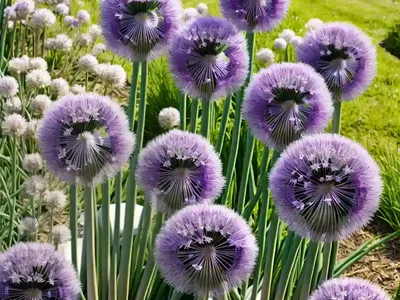
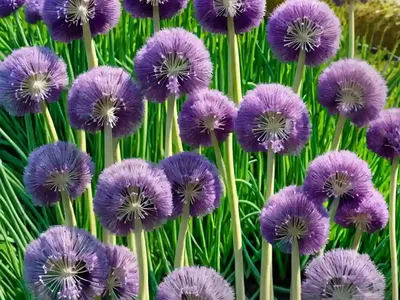
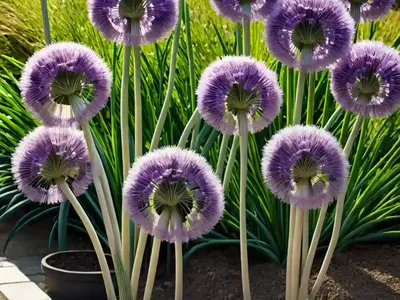
Cultivated Garlic (Allium Sativum)
Garlic, known by its scientific name Allium sativum, is a staple in many kitchens around the world for its unique and pungent flavor. While it is widely.
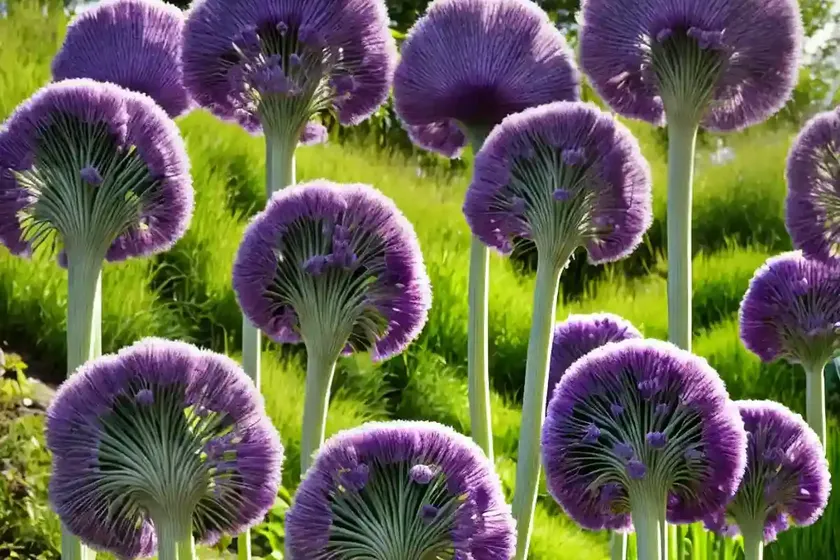
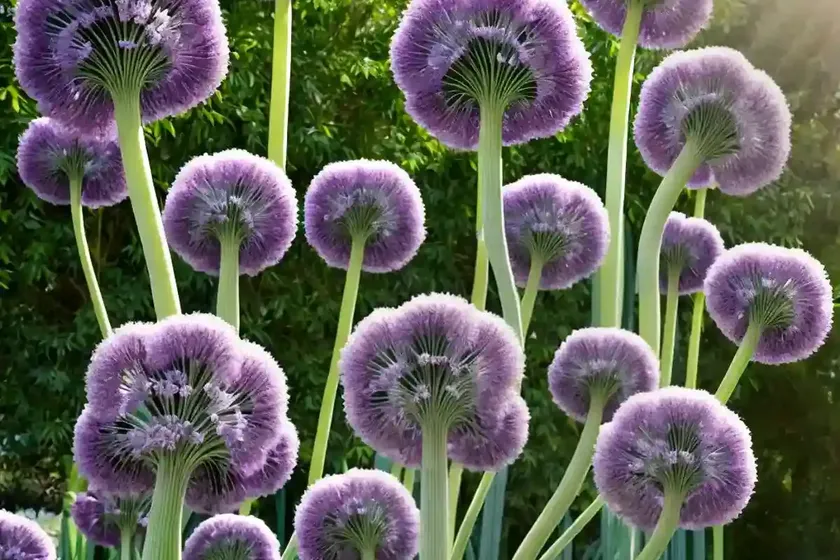
Garlic, known by its scientific name Allium sativum, is a staple in many kitchens around the world for its unique and pungent flavor. While it is widely used in culinary dishes, garlic also holds significant cultural and medicinal value. In this comprehensive guide, we will delve into the world of cultivated garlic, exploring its cultural significance, practical uses, and the art and science of cultivating and caring for this fascinating plant.
What is Cultivated Garlic (Allium sativum)?
Cultivated garlic, or Allium sativum, is a species in the Allium genus, which also includes onions, shallots, and leeks. Believed to have originated in Central Asia, garlic has been cultivated for over 5,000 years and has a rich history deeply intertwined with human civilization. Its characteristic pungent flavor and distinctive aroma make it a popular ingredient in various cuisines, while its medicinal properties have earned it a revered status in traditional medicine systems.
Key Takeaways – Cultivated Garlic (Allium sativum)
Before we embark on our journey to understand the intricacies of cultivating garlic, let’s explore some key takeaways about this remarkable plant.
- Cultural Significance: Garlic has been prized for its culinary and medicinal properties for millennia and holds cultural significance in various societies.
- Culinary Uses: It is a versatile ingredient used in a wide range of dishes, imparting a strong, savory flavor to the cuisine.
- Medicinal Benefits: Garlic is believed to possess numerous health benefits, including cardiovascular support and antimicrobial properties.
- Cultivation and Care: Growing garlic at home requires attention to its specific cultural requirements, including soil, water, sunlight, and other vital factors.
- Plant Health: Garlic, like any plant, is susceptible to diseases and pests, necessitating appropriate measures for prevention and treatment.
Now, let’s dive into the details of cultivating and caring for this fascinating plant.
Culture
Understanding the cultural requirements of cultivated garlic is essential for successfully growing it at home or on a larger scale. From watering and sunlight needs to soil preparation and fertilization, each aspect of garlic cultivation plays a crucial role in ensuring a healthy and bountiful harvest.
Water
Allium sativum prefers well-drained soil and generally does not require excessive watering. Overly wet conditions can lead to issues such as rot, so it’s crucial to maintain a balance in the soil moisture. During the early growth stages, consistent moisture is essential. However, as the bulbs mature, it’s advisable to reduce water to prevent rot and ensure proper bulb development.
Garlic Plant Watering Schedule:
| Growth Stage | Watering Frequency |
|---|---|
| Early Growth | Consistent Moisture |
| Bulb Maturation | Reduced Water |
Sunlight
Garlic thrives in full sun, requiring approximately 6-8 hours of direct sunlight daily. Adequate sunlight promotes healthy growth and robust bulb development, making it essential to select a sunny location for planting.
Fertilizer
When it comes to fertilizing garlic, a balanced approach is crucial. Before planting, incorporating organic matter into the soil can provide the necessary nutrients for the growing plants. During the active growth phase, a balanced fertilizer with a slightly higher phosphorus content can support strong root and bulb development.
Soil
Garlic thrives in well-drained, fertile soil rich in organic matter. Loose, loamy soil is ideal for garlic cultivation, providing space for bulb expansion and adequate aeration. Additionally, the soil pH should ideally range from 6.0 to 7.5 for optimal growth.
Pruning and Propagation
The act of pruning garlic plants is relatively simple. Removing any flower heads that may form during the growing season allows the plant to focus its energy on bulb development. Additionally, trimming any damaged or yellowing leaves can help maintain plant health and vigor.
Propagation
Garlic is propagated through bulb division. Each bulb is composed of individual cloves, which can be planted to produce new garlic plants. Selecting healthy, large cloves for planting ensures robust growth and bountiful harvests.
Container Popularity
Growing garlic in containers has gained popularity, particularly among urban gardeners and those with limited outdoor space. Containers offer the advantage of flexibility, allowing individuals to grow garlic in various settings, including balconies, patios, and windowsills.
Container Gardening Tips for Garlic:
- Select a deep container to accommodate the extensive root system of garlic.
- Ensure proper drainage to prevent waterlogging, which can lead to root rot.
- Use a well-draining potting mix rich in organic matter to support healthy growth.
Common Diseases and Pests
Like all plants, cultivated garlic is susceptible to a range of diseases and pests that can hinder its growth and overall health. From fungal infections to insect pests, vigilance and proactive measures are crucial in safeguarding garlic plants against these potential threats.
Disease Diagnosis:
Common diseases that affect garlic include white rot, rust, and Fusarium basal rot. Early diagnosis and proper identification of symptoms are essential for implementing effective disease management strategies.
Common Pests:
Garlic is vulnerable to pests such as onion thrips, nematodes, and bulb mites. These pests can cause significant damage to the plants and may lead to reduced yields if left unchecked.
Botanist’s Tips for Successful Garlic Cultivation
Embracing the art and science of cultivating garlic involves honing specific skills and understanding the intricacies of the plant’s growth requirements. Here are some expert tips to guide you in your garlic cultivation endeavors:
- Soil Preparation: Prior to planting, ensure the soil is well-drained and rich in organic matter for optimal growth.
- Plant Spacing: Adequate spacing between garlic cloves encourages robust growth and bulb development.
- Mulching: Apply a layer of organic mulch to conserve moisture and suppress weed growth around the plants.
- Companion Planting: Consider planting garlic alongside companion plants such as chives, carrots, or lettuce to deter pests and promote overall plant health.
Fun Facts about Cultivated Garlic
- In ancient Egypt, garlic was revered for its medicinal properties and was fed to the laborers building the pyramids for strength and endurance.
- Garlic is a member of the lily family, which also includes onions, leeks, and chives.
- Allicin, the compound responsible for garlic’s pungent odor, is released when garlic cloves are crushed or chopped, offering antibacterial properties.
Links to External Resources
To further enrich your knowledge about cultivated garlic and its cultivation, here are some valuable resources:
- Growing Great Garlic – Mother Earth News
- Garlic Production Guide – University of Minnesota Extension
- The Complete Book of Garlic: A Guide for Gardeners, Growers, and Serious Cooks – Book by Ted Jordan Meredith
- Companion Planting with Garlic – University of Illinois Extension
In conclusion, the cultivation of garlic is as much an art as it is a science. From understanding its cultural significance to mastering the intricacies of its growth requirements, cultivating and caring for this remarkable plant is a rewarding endeavor. Whether you’re a novice gardener or an experienced horticulturist, the journey of growing garlic at home holds a wealth of opportunities for learning and exploration, contributing to the rich tapestry of our botanical knowledge and culinary traditions.