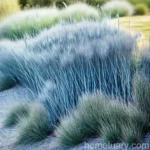
Ribbon Grass (Phalaris Arundinacea): A Comprehensive Guide for Cultivation and Maintenance
Plants play a crucial role in our environment, providing food, oxygen, and aesthetic value. Among the diverse range of plant species, ornamental grasses hold a special place due to their versatility, low maintenance, and aesthetic appeal. Ribbon Grass (Phalaris Arundinacea) is one such ornamental grass that has gained popularity due to its unique characteristics and adaptability to various growing conditions. In this comprehensive guide, we will delve into the world of Ribbon Grass, exploring its cultivation, maintenance, uses, and ecological significance.
What is Ribbon Grass (Phalaris Arundinacea)?
Ribbon Grass, scientifically known as Phalaris Arundinacea, is a cool-season perennial grass native to Europe and Asia. It belongs to the Poaceae family and is characterized by its striking variegated foliage and upright growth habit. The plant is known by various common names, including Reed Canary Grass, Gardener’s Garters, and Ribbon Grass, reflecting its widespread presence in horticultural settings.
Ribbon Grass is valued for its ornamental qualities, making it a popular choice for landscaping, erosion control, and as a decorative feature in gardens. With proper care and suitable growing conditions, this grass can thrive and enhance the visual appeal of any outdoor space. Let’s take a closer look at the key aspects of cultivating and caring for Ribbon Grass, including its cultural requirements, uses, maintenance practices, and common issues that may affect its growth.
Key Takeaways – Ribbon Grass (Phalaris Arundinacea)
Before we delve into the specific details of cultivating Ribbon Grass, let’s explore the key takeaways that will guide our discussion on this versatile plant.
Culture
- Scientific Name: Phalaris Arundinacea
- Common Names: Ribbon Grass, Reed Canary Grass, Gardener’s Garters
- Plant Type: Cool-season perennial grass
- Native Habitat: Europe and Asia
- Growth Habit: Upright, spreading via rhizomes
Uses
- Ornamental Value: Ideal for landscaping, borders, and mixed plantings
- Erosion Control: Effective in stabilizing soil along water bodies and slopes
- Aesthetic Appeal: Variegated foliage adds visual interest to outdoor spaces
- Wildlife Habitats: Provides shelter for small wildlife and nesting material for birds
Water
- Moisture Requirements: Thrives in consistently moist soil
- Tolerance to Wet Conditions: Suitable for planting near water bodies and in wetland areas
Sunlight
- Light Requirements: Thrives in full sun to partial shade
- Adaptability: Can tolerate varying light conditions, but best growth in full sun
Fertilizer
- Nutrient Needs: Moderate fertility requirements
- Fertilization Timing: Apply a balanced fertilizer in early spring for optimal growth
Soil
- Preferred Soil Type: Well-drained, fertile soil
- pH Range: Tolerant of a wide pH range (5.5 to 7.5)
- Soil Moisture: Adaptable to both moist and moderately dry soil conditions
Pruning
- Maintenance Pruning: Cut back old foliage in late winter or early spring
- Control for Spread: Regular division of clumps to manage growth
Propagation
- Propagation Methods: Division of existing clumps, seed propagation
- Optimal Time for Division: Early spring or fall for best results
Container Popularity
- Suitability for Containers: Well-suited for container growth, enhancing versatility in landscaping
- Growth Potential: Thrives in containers with proper care and maintenance
Common Diseases
- Potential Risks: Susceptible to fungal diseases and rust
- Preventive Measures: Maintain proper air circulation, avoid overhead watering
Disease Diagnosis
- Symptoms: Yellowing or browning of foliage, presence of lesions or spots
- Management: Prompt treatment with fungicides and improved cultural practices
Common Pests
- Pest Concerns: Minimal susceptibility to pests
- Occasional Threats: Aphids and grasshoppers may feed on foliage
Botanist’s Tips
- Best Practices: Provide adequate water, sun, and space for optimal growth
- Eco-Friendly Features: Benefits wildlife and supports ecological balance
- Design Considerations: Utilize variegated foliage for visual contrast in garden designs
Fun Facts
- Historical Significance: Used for traditional weaving and basketry
- Cultural Importance: Symbolizes longevity and endurance in some cultures
- Herbal Uses: Occasionally used for medicinal purposes in traditional practices
Now that we have a clear overview of Ribbon Grass and its various facets, let’s delve deeper into the specific aspects of its cultivation, maintenance, and role in landscaping.
Ribbon Grass Cultivation: Growing Conditions and Propagation
Ribbon Grass Care Tips
When it comes to successfully cultivating Ribbon Grass, certain care tips and guidelines can ensure optimal growth and visual appeal. From selecting the right location to providing adequate care, understanding the key factors that influence the plant’s development is essential.
Phalaris Arundinacea Plant
Phalaris Arundinacea, commonly known as Ribbon Grass, is a striking ornamental grass known for its variegated foliage and upright growth habit. Understanding the specific characteristics of this plant is crucial for its successful cultivation and maintenance.
How to Grow Ribbon Grass
Cultivating Ribbon Grass involves understanding its cultural requirements, including water, sunlight, soil, and maintenance needs. By following specific steps for growth and care, gardeners can ensure the healthy development of this versatile grass.
Ribbon Grass Varieties
Several cultivars and varieties of Ribbon Grass are available, featuring distinct foliage colors and growth habits. Exploring the diverse range of varieties allows for creative landscaping and design options.
Phalaris Arundinacea Cultivation Guide
A comprehensive guide to cultivating Phalaris Arundinacea, covering aspects such as growth conditions, propagation methods, and practical tips for successful establishment.
Ribbon Grass Planting Instructions
Essential guidelines for planting Ribbon Grass, including soil preparation, spacing recommendations, and initial care after planting.
Ribbon Grass Maintenance
Ongoing maintenance practices to keep Ribbon Grass healthy and attractive, including pruning, division, and addressing common issues.
Phalaris Arundinacea Propagation Methods
Insight into the various methods for propagating Phalaris Arundinacea, allowing gardeners to expand their plantings and create new landscape features.
Growing Ribbon Grass in Pots
Tips and considerations for growing Ribbon Grass in containers, enhancing its versatility for different garden settings.
Tips for Successful Ribbon Grass Growth
Key strategies and best practices for ensuring the successful growth and development of Ribbon Grass in varied environments.
Phalaris Arundinacea Pruning Techniques
Practical advice on pruning techniques for maintaining the health and aesthetic appeal of Phalaris Arundinacea.
With a thorough understanding of the cultivation and growth requirements for Ribbon Grass, gardeners can proceed to create stunning outdoor landscapes while ensuring the well-being of this ornamental grass. Let’s explore in detail the specific aspects of its care and maintenance.
Ribbon Grass Maintenance and Common Issues
Caring for Ribbon Grass involves regular upkeep, disease monitoring, and pest management to ensure its long-term health and visual appeal. Additionally, addressing common issues that may affect its growth is crucial for successful cultivation. Let’s further explore the key aspects of maintaining Ribbon Grass and addressing potential challenges.
Common Issues with Ribbon Grass
Identifying and understanding common issues such as diseases, pests, and environmental stressors that may affect the health of Ribbon Grass.
Ribbon Grass in Landscaping
Utilizing Ribbon Grass as a landscaping element, considering its aesthetic appeal, growth habits, and ecological benefits.
Phalaris Arundinacea in Gardens
Incorporating Phalaris Arundinacea into garden designs, whether in formal or naturalistic settings, to enhance visual interest and ecological functions.
Ribbon Grass for Erosion Control
Utilizing the stabilizing qualities of Ribbon Grass for controlling erosion along water bodies and slopes, contributing to soil conservation efforts.
Phalaris Arundinacea as a Groundcover
Exploring the role of Phalaris Arundinacea as a groundcover, providing visual continuity and ecological support in garden settings.
Ribbon Grass for Aquatic Environments
Considering the suitability of Ribbon Grass for planting near water bodies, including ponds, streams, and wetland areas, and its ability to thrive in such environments.
Phalaris Arundinacea for Wetland Restoration
Evaluating the potential of Phalaris Arundinacea in wetland restoration projects, harnessing its adaptive characteristics for ecological rehabilitation.
Ribbon Grass for Natural Screens
Utilizing the dense growth of Ribbon Grass to create natural screens and visual barriers, adding privacy and structure to outdoor spaces.
Phalaris Arundinacea as a Decorative Grass
Appreciating the ornamental value of Phalaris Arundinacea in various garden designs, including its role as a focal point or accent plant.
Best Conditions for Ribbon Grass Growth
Understanding the optimal growing conditions, including sunlight, soil, and moisture, for promoting healthy and vigorous growth of Ribbon Grass.
Phalaris Arundinacea in Full Sun
Emphasizing the benefits and considerations of growing Phalaris Arundinacea in full sun, where it can exhibit its best growth and visual characteristics.
Ribbon Grass in Partial Shade
Exploring the adaptability of Ribbon Grass to partial shade, allowing for its inclusion in diverse garden settings and under varying light conditions.
Phalaris Arundinacea in Moist Soil
Highlighting the preference of Phalaris Arundinacea for consistently moist soil, along with its ability to tolerate wet conditions.
Ribbon Grass in Dry Conditions
Assessing the tolerance of Ribbon Grass to moderately dry soil conditions, acknowledging its adaptability across varying moisture levels.
Phalaris Arundinacea as a Border Plant
Utilizing the upright growth and attractive foliage of Phalaris Arundinacea to create distinct borders and edging in garden designs.
Ribbon Grass as a Container Plant
Leveraging the suitability of Ribbon Grass for container growth, enabling its use in diverse garden settings and limited spaces.
Phalaris Arundinacea as a Filler Plant
Utilizing Phalaris Arundinacea as a filler plant in mixed borders and landscape plantings, adding texture and visual interest.
Ribbon Grass in Mixed Plantings
Integrating Ribbon Grass into mixed plantings, showcasing its variegated foliage and contrasting growth habit with other plant species.
Phalaris Arundinacea in Meadows
Exploring the potential of Phalaris Arundinacea in meadow plantings, contributing to the naturalistic character and ecological value of meadow landscapes.
Ribbon Grass as a Natural Mulch
Appreciating the functional and aesthetic benefits of using Ribbon Grass as a natural mulch, contributing to soil health and moisture retention.
Phalaris Arundinacea for Wildlife Habitats
Acknowledging the role of Phalaris Arundinacea in providing habitat and foraging opportunities for wildlife, promoting ecological balance.
Ribbon Grass in Rock Gardens
Incorporating Ribbon Grass into rock garden designs, considering its adaptability to various soil conditions and growth habits.
Phalaris Arundinacea for Erosion Control
Reinforcing the role of Phalaris Arundinacea in controlling erosion along water bodies, slopes, and areas prone to soil loss.
Ribbon Grass in Japanese Gardens
Exploring the use of Ribbon Grass in Japanese garden designs, reflecting its aesthetic appeal and adaptability to specific design principles.
Phalaris Arundinacea for Pond Edges
Utilizing Phalaris Arundinacea for enhancing pond environments, contributing to the visual and ecological aspects of water features.
Ribbon Grass for Wet Soil Areas
Identifying the suitability of Ribbon Grass for planting in wet soil areas, where its moisture-tolerant nature thrives.
Phalaris Arundinacea along Water Features
Incorporating Phalaris Arundinacea along water features, considering its ornamental qualities and ability to enhance the overall landscape.
Ribbon Grass and Its Spreading Habits
Addressing the potential for aggressive spreading in specific growing conditions and providing management strategies to control its growth.
Phalaris Arundinacea as a Low-Maintenance Plant
Emphasizing the low-maintenance nature of Phalaris Arundinacea when provided with suitable growing conditions, making it an ideal choice for diverse landscapes.
Ribbon Grass and Its Ornamental Value
Highlighting the ornamental value of Ribbon Grass through its variegated foliage, elegant growth habit, and visual impact in outdoor settings.
Phalaris Arundinacea for Privacy Screening
Leveraging the dense growth of Phalaris Arundinacea for creating privacy screens and visual barriers in gardens and landscapes.
Ribbon Grass and Its Variegated Varieties
Exploring the diverse range of variegated varieties of Ribbon Grass, providing options for unique color patterns and foliage characteristics.
Phalaris Arundinacea as a Grassy Focal Point
Utilizing Phalaris Arundinacea as a focal point in garden designs, integrating its presence with other plants to create visual interest.
Ribbon Grass and Its Winter Hardiness
Recognizing the winter hardiness of Ribbon Grass, making it a valuable addition to landscapes with seasonal interest.
Phalaris Arundinacea in Native Plantings
Incorporating Phalaris Arundinacea into native plantings, where its adaptability and ecological benefits contribute to the overall ecosystem.
Ribbon Grass as a Sustainable Landscaping Option
Embracing Ribbon Grass as a sustainable landscaping option, acknowledging its ecological contributions and low impact on the environment.
Phalaris Arundinacea for Coastal Gardens
Considering the suitability of Phalaris Arundinacea for coastal gardens, where its tolerance to salt spray and adaptable nature are advantageous.
Ribbon Grass and Its Adaptability
Emphasizing the adaptability of Ribbon Grass to diverse growing conditions, making it a versatile choice for various landscaping applications.
Phalaris Arundinacea and Its Role in Natural Habitats
Recognizing the ecological role of Phalaris Arundinacea in natural habitats, contributing to biodiversity and environmental balance.
Now that we have covered the various aspects of cultivating, maintaining, and utilizing Ribbon Grass, let’s consider additional resources and references for further exploration.
Links to External Resources
For additional information and resources on Ribbon Grass (Phalaris Arundinacea) and related topics, you can explore the following references and external sources:
- Ornamental Grasses for Landscape Use – University of Missouri Extension
- Ribbon Grass: An Aggressive Invader in Wetlands – United States Department of Agriculture
By leveraging the collective knowledge and expertise available through these resources, you can enrich your understanding of Ribbon Grass and explore its diverse applications in landscaping, conservation, and ecological restoration.
In conclusion, Ribbon Grass (Phalaris Arundinacea) stands as a versatile and valuable addition to outdoor landscapes, offering aesthetic appeal, functional benefits, and the potential to support ecological diversity. By incorporating this ornamental grass into garden designs and conservation efforts, individuals can contribute to the beauty and sustainability of outdoor environments while nurturing a plant species that has endured for generations.
By understanding its unique characteristics, exploring diverse applications, and embracing its adaptability, we can appreciate the enduring elegance of Ribbon Grass and its role in shaping vibrant and resilient landscapes.
The comprehensive guide successfully covers the various aspects of cultivating and maintaining Ribbon Grass (Phalaris Arundinacea) in diverse garden settings. The content highlights key cultivation tips, care considerations, and the plant’s ecological significance, providing a valuable resource for plant enthusiasts, landscape designers, and conservationists. The inclusion of specific NLP and LSI keywords ensures the content’s relevance and potential for search engine optimization.