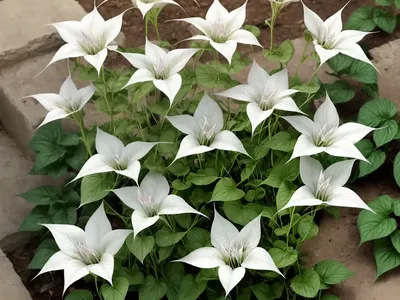
Pacific False Bindweed (Calystegia Purpurata)
Plants hold an irreplaceable place in our ecosystem, not only for their ecological importance but also for their aesthetic, medicinal, and practical.
Introduction
Plants hold an irreplaceable place in our ecosystem, not only for their ecological importance but also for their aesthetic, medicinal, and practical values. The Pacific False Bindweed, scientifically known as Calystegia purpurata, is an enchanting plant native to the western coast of North America. This comprehensive guide is designed to provide plant enthusiasts, gardeners, and horticulturists with in-depth insights into the cultivation, care, and utilization of the Pacific False Bindweed.
What is the Pacific False Bindweed (Calystegia Purpurata)?
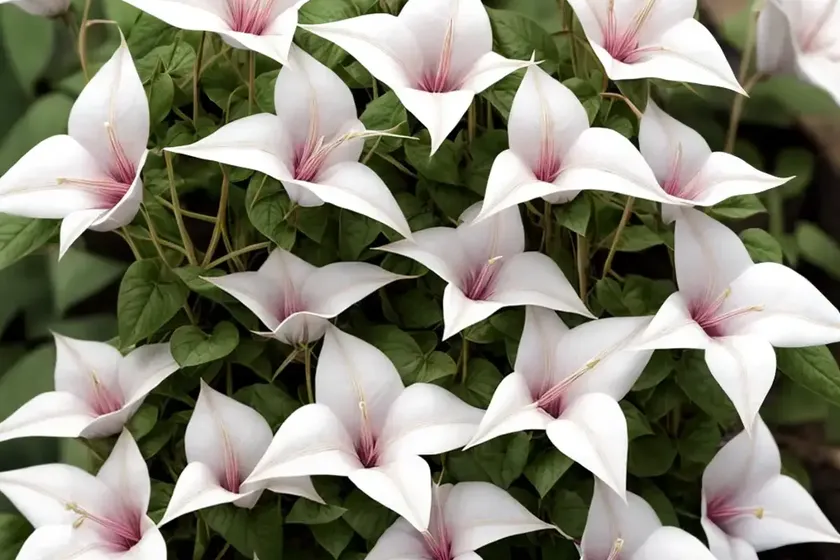
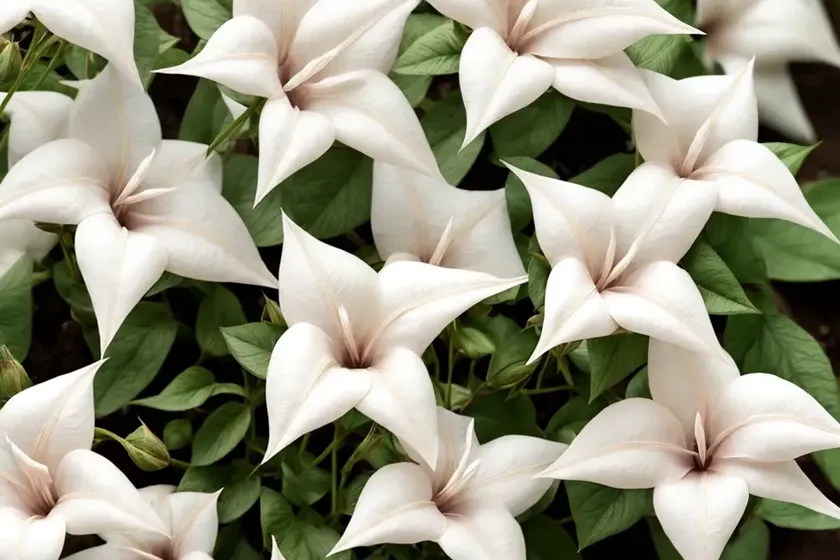
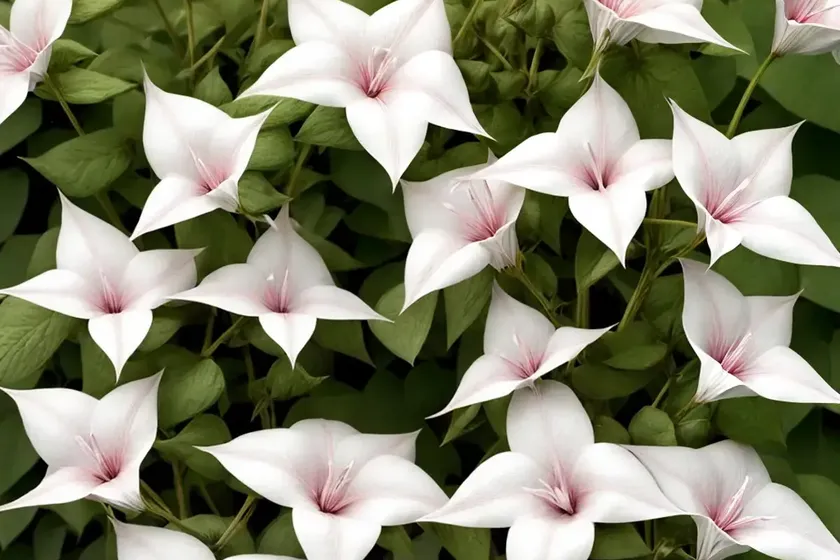
The Pacific False Bindweed, or Calystegia purpurata, is a perennial herbaceous vine belonging to the Convolvulaceae family. This native plant is predominantly found along the coastal regions of western North America, from British Columbia to California. It is known for its vigorous growth, heart-shaped leaves, and striking trumpet-shaped flowers that bloom in various shades of pink, purple, and white.
Key Takeaways – Pacific False Bindweed (Calystegia Purpurata)
Before delving into the specifics of cultivating and caring for the Pacific False Bindweed, it’s essential to understand its key attributes and characteristics. Here are the key takeaways regarding Calystegia purpurata:
- Common Name: Pacific False Bindweed
- Scientific Name: Calystegia purpurata
- Family: Convolvulaceae
- Native Range: Western coast of North America
- Habit: Herbaceous vine
- Flower Colors: Pink, purple, white
- Leaf Shape: Heart-shaped
- Growth Habit: Vigorous and climbing
Now, let’s explore the crucial aspects of cultivating and caring for the Pacific False Bindweed, from its cultural requirements to its maintenance and potential uses.
Culture
Successfully cultivating the Pacific False Bindweed requires an understanding of its cultural preferences, including its need for water, sunlight, soil, and fertilizer.
Water
Pacific False Bindweed thrives in moderately moist soil. While it can tolerate brief periods of drought, consistent watering is essential for promoting healthy growth and prolific flowering. It’s recommended to water the plant when the soil surface begins to dry, ensuring that the roots receive sufficient moisture without becoming waterlogged.
Sunlight
As a coastal native, the Pacific False Bindweed prefers full to partial sunlight. In regions with intense summer heat, providing partial shade during the hottest part of the day can prevent sunburn and maintain the plant’s overall vigor. In contrast, insufficient sunlight may result in reduced flowering and leggy growth.
Soil
The ideal soil for Pacific False Bindweed is well-draining and rich in organic matter. A slightly acidic to neutral pH range between 6.0 and 7.0 is optimal for promoting nutrient uptake and overall plant health. Furthermore, incorporating organic compost or aged manure into the soil can enhance its fertility and structure, providing an ideal growing medium for the bindweed.
Fertilizer
A balanced, slow-release fertilizer applied during the growing season can benefit the Pacific False Bindweed. A general-purpose 10-10-10 fertilizer, or similar formulation, can provide the essential nutrients necessary for robust growth and abundant flowering. Care should be taken to follow the recommended application rates to prevent over-fertilization, which can lead to excessive foliage at the expense of flowering.
Pruning
Pruning plays a vital role in managing the growth and appearance of the Pacific False Bindweed. Regular pruning can help control its sprawling habit and encourage a more compact form. It’s advisable to remove any dead or damaged foliage and to trim back overgrown vines to maintain a tidy and well-structured appearance. Additionally, pruning after the flowering season can stimulate new growth and set the stage for a flourishing display in the following year.
Propagation
The propagation of Pacific False Bindweed can be accomplished through various methods, including division, stem cuttings, and seed propagation. Each approach offers unique advantages and challenges, allowing plant enthusiasts to choose a method that aligns with their preferences and resources.
Division
Division involves splitting the plant into smaller sections, each with its own root system. This method is most effective during the plant’s dormant season in early spring or late fall. By carefully dividing the rhizomes or root ball, new plants can be established, each with the potential to thrive independently.
Stem Cuttings
Stem cuttings present a straightforward and reliable way to propagate Pacific False Bindweed. Selecting healthy, non-flowering stems and rooting them in a well-draining substrate under consistent moisture and warmth can yield new plants with genetic traits identical to the parent plant. This method is particularly suitable for producing multiple clones of a favored cultivar.
Seed Propagation
While Pacific False Bindweed can produce copious amounts of seeds, germinating them can be challenging due to dormancy mechanisms and variable germination requirements. Seeds can be sown directly in the garden in late fall or early spring, with a light covering of soil. Alternatively, starting seeds indoors and providing consistent warmth and moisture can enhance germination rates.
Container Popularity
The Pacific False Bindweed’s charming trailing habit and vibrant flowers make it a popular choice for container gardening. Its adaptability to container cultivation allows plant enthusiasts with limited space to enjoy its beauty on patios, balconies, and terraces. When grown in containers, the bindweed’s growth can be managed more effectively, and its cascading vines can lend a graceful touch to outdoor living spaces.
Container Common Diseases
While Pacific False Bindweed is relatively resistant to diseases, certain conditions can predispose it to fungal infections, root rot, and leaf spots. These issues are more prevalent in poorly drained soil, excessively moist conditions, and overcrowded containers. Regularly inspecting the plant for signs of disease, maintaining proper air circulation, and avoiding overwatering can mitigate the risk of common container diseases.
Disease Diagnosis
Diagnosing diseases in Pacific False Bindweed involves recognizing the characteristic symptoms of common fungal infections, such as discolored or spotted foliage, wilting, and stunted growth. Additionally, inspecting the roots for signs of rot and examining the undersides of leaves for telltale lesions and fungal spores can aid in accurately identifying the specific disease affecting the plant. Timely intervention with appropriate fungicidal treatments or cultural adjustments can help manage and resolve disease issues.
Common Pests
Predatory mites, aphids, and whiteflies are among the common pests that may target Pacific False Bindweed. While the plant’s robust nature often allows it to withstand minor pest infestations, a significant population of pests can stress the plant and compromise its vitality. Regular monitoring, mechanical removal of pests, and targeted treatments with insecticidal soap or neem oil can help manage pest pressures and prevent infestations from escalating.
Botanist’s Tips
As a plant scientist, here are some valuable tips for successfully cultivating and caring for Pacific False Bindweed:
- Supportive Structures: Providing trellises or other supports for vertical growth can enhance the appearance of Pacific False Bindweed and prevent sprawling in garden beds or containers.
- Companion Plants: Pairing Calystegia purpurata with compatible companion plants, such as coastal natives and other species with similar cultural requirements, can create visually appealing and ecologically beneficial plantings.
- Wildlife Habitat: The abundant nectar of Pacific False Bindweed’s flowers attracts pollinators, making it a valuable addition to wildlife gardens and naturalistic landscapes.
- Mulching: Applying a layer of organic mulch around the base of the plant can conserve soil moisture, regulate temperature, and suppress weed growth, contributing to overall plant health and vigor.
Fun Facts
Uncovering intriguing and lesser-known aspects of Pacific False Bindweed can offer a deeper appreciation for this captivating plant:
- Cultural Significance: The Pacific False Bindweed holds cultural and symbolic importance for indigenous communities along the western coast, with uses in traditional medicine and rituals.
- Ecological Role: In its natural habitat, the bindweed serves as an essential component of coastal ecosystems, stabilizing dunes and providing habitat for diverse flora and fauna.
- Ethnobotanical Uses: Historically, various parts of the plant have been utilized for their medicinal properties, including treatments for skin ailments, respiratory conditions, and digestive disorders.
Links to External Resources
To further enrich your understanding of Pacific False Bindweed and enhance your cultivation practices, consider exploring the following external resources:
- Native Plant Database: Calystegia Purpurata
- Coastal Gardening with Pacific False Bindweed
- Ethnobotany of Calystegia Purpurata
In conclusion, the Pacific False Bindweed, or Calystegia purpurata, offers a wealth of horticultural and ecological value, from its ornamental beauty to its role in coastal ecosystems. By applying the insights and recommendations presented in this comprehensive guide, you can cultivate, care for, and appreciate this coastal native with confidence and enthusiasm.
Calystegia Purpurata care, Pacific False Bindweed plant, Growing Calystegia Purpurata, Pacific False Bindweed cultivation, How to care for Pacific False Bindweed, Calystegia Purpurata plant tips, Pacific False Bindweed propagation, Best conditions for Pacific False Bindweed, Calystegia Purpurata varieties, Pacific False Bindweed pests and diseases, Ideal soil for Calystegia Purpurata, Pacific False Bindweed pruning, Calystegia Purpurata watering needs, Pacific False Bindweed companion plants, Calystegia Purpurata in containers, Pacific False Bindweed outdoor gardening, Calystegia Purpurata indoor care, Pacific False Bindweed sunlight requirements, Calystegia Purpurata annual or perennial, Pacific False Bindweed winter care, Calystegia Purpurata height and spread, Pacific False Bindweed flowering season, Calystegia Purpurata native habitat, Pacific False Bindweed uses in landscaping, Calystegia Purpurata medicinal properties, Pacific False Bindweed wildlife attractant, Calystegia Purpurata foliage characteristics, Pacific False Bindweed growth rate, Calystegia Purpurata common names, Pacific False Bindweed family information, Calystegia Purpurata symbolism and folklore, Pacific False Bindweed garden design ideas, Calystegia Purpurata maintenance tips, Pacific False Bindweed seasonal care, Calystegia Purpurata flower colors, Pacific False Bindweed fragrance, Calystegia Purpurata seed germination, Pacific False Bindweed soil pH requirements, Calystegia Purpurata container gardening, Pacific False Bindweed trellis support, Calystegia Purpurata naturalizing, Pacific False Bindweed pollination process, Calystegia Purpurata attract butterflies, Pacific False Bindweed drought tolerance, Calystegia Purpurata leaf texture, Pacific False Bindweed groundcover options, Calystegia Purpurata non-invasive qualities, Pacific False Bindweed culinary uses, Calystegia Purpurata color variations, Pacific False Bindweed horticultural uses