Rhododendron viscosum (Swamp Azalea): A Comprehensive Guide to Cultivation, Care, and Maintenance
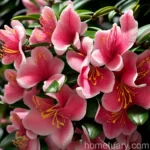
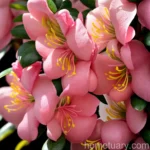
Rhododendron viscosum, commonly known as Swamp Azalea, is a stunning deciduous shrub that belongs to the Ericaceae family. This native North American plant is widely admired for its fragrant blossoms and attractive foliage. Its natural habitat primarily encompasses wetlands, swamps, and moist woodlands, but it has also been successfully cultivated in home gardens and landscapes with proper care and maintenance.
In this comprehensive guide, we will delve into the various aspects of cultivating and caring for Rhododendron viscosum, exploring its cultural requirements, propagation techniques, maintenance practices, common diseases and pests, and much more. Whether you are an amateur gardener or a seasoned horticulturist, this guide will provide invaluable insights into the successful cultivation of Swamp Azaleas.
Key Takeaways – Rhododendron viscosum (Swamp Azalea)
Before we delve into the specifics, let’s outline some key takeaways about Rhododendron viscosum:
- Scientific Name: Rhododendron viscosum
- Common Name: Swamp Azalea
- Family: Ericaceae
- Native Habitat: Wetlands, swamps, and moist woodlands in North America
- Notable Features: Fragrant blossoms, attractive foliage
- Cultural Requirements: Moist, well-drained soil; partial shade; acidic soil pH
Now, let’s embark on a detailed exploration of the various aspects related to the cultivation and care of Rhododendron viscosum.
Culture
Cultivating Rhododendron viscosum requires an understanding of its cultural requirements, including water, sunlight, fertilizer, soil, and pruning. By providing the optimal conditions, you can ensure the healthy growth and abundant blossoming of this beautiful shrub.
Uses
Before we delve into the specific cultural requirements of Swamp Azaleas, let’s take a moment to appreciate its diverse uses in landscaping and horticulture.
Garden and Landscape Ornamentation:
- Swamp Azaleas serve as stunning ornamental plants in garden beds, borders, and woodland landscapes, adding vibrant colors and fragrant blooms to the surroundings.
- Their attractive foliage and seasonal variations make them popular choices for adding visual interest to outdoor spaces.
Fragrant Blossoms:
- The fragrant flowers of Rhododendron viscosum are valued for their aromatic properties, often used in flower arrangements and potpourri to impart a delightful scent.
Wildlife Habitat:
- The nectar-rich flowers of Swamp Azaleas attract pollinators, including bees and butterflies, contributing to the ecological diversity of the area.
Water
Proper irrigation is essential for the health and vigor of Rhododendron viscosum. As a plant native to moist woodlands and swamps, it thrives in consistently moist conditions. Here are some essential points to consider regarding watering Swamp Azaleas:
- Moisture Requirement: Swamp Azaleas prefer consistently moist soil, especially during the growing season. Adequate water is crucial for establishing and maintaining healthy root systems.
- Avoid Waterlogging: While they thrive in moist conditions, it is important to ensure that the soil has good drainage to prevent waterlogging, which can lead to root rot and other issues.
- Drought Sensitivity: Despite their love for moisture, Swamp Azaleas can suffer during extended periods of drought. Adequate watering during dry spells is essential to prevent stress and dehydration.
Sunlight
The sunlight requirements of Rhododendron viscosum are an important consideration when planning its placement in the garden or landscape. Understanding its needs for sunlight exposure is crucial for promoting healthy growth and abundant flowering.
- Partial Shade: Swamp Azaleas flourish in partial shade, particularly in locations where they are protected from intense midday sun. This makes them excellent choices for underplanting in woodland environments or areas with dappled sunlight.
- Morning Sun and Afternoon Shade: Providing morning sun and afternoon shade is ideal for maintaining the vigor and blooming potential of Swamp Azaleas. This allows them to benefit from the energizing morning sunlight without being subjected to the harsh afternoon rays.
Fertilizer
Appropriate fertilization can greatly enhance the growth and blooming capacity of Rhododendron viscosum. By understanding the fertilizer requirements of Swamp Azaleas, you can ensure that they receive the necessary nutrients for robust growth and vibrant blossoms.
- Acidic Fertilizer: As members of the Ericaceae family, Swamp Azaleas thrive in acidic soil conditions. Thus, it is important to use fertilizers specifically formulated for acid-loving plants to provide essential nutrients while maintaining the soil pH at suitable levels.
- Slow-Release Fertilizers: Utilizing slow-release fertilizers designed for acid-loving plants can provide a steady supply of nutrients over an extended period, promoting healthy growth without the risk of over-fertilization.
- Application Timing: Fertilize Swamp Azaleas in early spring before new growth begins, and avoid fertilizing later in the season to prevent stimulating late growth that might be susceptible to frost damage.
Soil
The soil composition and pH level play a crucial role in the successful cultivation of Rhododendron viscosum. Understanding the soil requirements of Swamp Azaleas is essential for creating an environment conducive to their growth and development.
- Well-Drained, Moist Soil: Swamp Azaleas thrive in well-drained, moisture-retentive soil. It is important to ensure that the soil remains consistently moist, but not waterlogged, to support their growth.
- Acidic Soil pH: The ideal soil pH for Rhododendron viscosum ranges between 4.5 and 6.0. Acidic soil conditions are necessary to facilitate nutrient uptake and prevent the occurrence of nutrient deficiencies.
Pruning
Pruning is an important aspect of maintaining the health, appearance, and flowering capacity of Rhododendron viscosum. Proper pruning techniques can help manage the shape of the shrub and encourage prolific blooming.
- Post-Blooming Pruning: After the spring bloom period, it is advisable to prune Swamp Azaleas to shape the plant, remove dead or diseased wood, and promote vigorous growth for the following season.
- Pruning Frequency: Regular light pruning can help maintain the desired shape and size of the shrub without sacrificing the following year’s blooms. Avoid heavy pruning, especially in late fall, as it may reduce the flowering potential.
Propagation
Understanding the various propagation techniques for Rhododendron viscosum enables gardeners to expand their collection of these beautiful shrubs and share them with other enthusiasts. Let’s explore some common methods of propagating Swamp Azaleas:
- Seed Propagation: Propagating Swamp Azaleas from seeds is a viable option, though it requires time and patience to see the results. Collect seeds from mature capsules and plant them in a suitable growing medium to foster germination and initial growth.
- Softwood Cuttings: Taking softwood cuttings in late spring or early summer offers a reliable method of propagating Rhododendron viscosum. Prepare cuttings from healthy, non-flowering shoots and provide them with the ideal conditions for rooting.
- Layering: Air layering or ground layering can also be employed to propagate Swamp Azaleas. This involves encouraging the formation of roots on a stem while it is still attached to the parent plant, allowing it to be separated and potted as an independent specimen once rooted.
Container Popularity
The compact size and ornamental beauty of Rhododendron viscosum make it a popular choice for container gardening. Its suitability for container cultivation opens up opportunities for gardeners with limited space and provides options for creating vibrant displays on patios, balconies, and terraces.
Container Common Diseases
While Swamp Azaleas are well-suited for container cultivation, there are certain diseases and pests that can pose challenges to their health and vigor in this environment. Understanding these common issues is essential for maintaining thriving container-grown Rhododendron viscosum.
Root Rot:
- Inadequate drainage or overwatering can lead to the development of root rot in container-grown Swamp Azaleas. It is important to ensure that the pots have sufficient drainage holes and that excess water can freely escape, preventing waterlogged conditions.
Powdery Mildew:
- Powdery mildew can affect Rhododendron viscosum, particularly in high humidity environments. Proper air circulation and the use of horticultural oils or fungicidal sprays can help manage this fungal issue in container-grown plants.
Spider Mites and Aphids:
- Containerized Swamp Azaleas may be susceptible to infestations by spider mites and aphids, particularly in dry and warm conditions. Regular monitoring and the application of insecticidal soaps or neem oil can help control these pests.
Container Care Tips
Proper care and maintenance are essential for ensuring the healthy growth and blossoming of Rhododendron viscosum in containers. Here are some key tips to keep in mind when cultivating Swamp Azaleas in pots:
- Well-Draining Soil Mix: Use a well-draining, acidic soil mix designed for acid-loving plants when potting Rhododendron viscosum. This facilitates proper moisture management and root health in containerized plants.
- Container Size: Choose appropriately sized containers that provide ample space for the root system to develop. This allows for healthy growth and reduces the need for frequent repotting.
- Watering: Monitor the moisture levels in the container and water as needed to maintain consistent soil moisture. Avoid overwatering, as excessive moisture retention in containers can lead to root-related issues.
Common Diseases
While Rhododendron viscosum is relatively resilient, it can be susceptible to certain diseases that can impact its overall health and beauty. Recognizing these common diseases and their symptoms is essential for implementing timely interventions to preserve the well-being of Swamp Azaleas.
Disease diagnosis
Phytophthora Root Rot:
- Phytophthora root rot is a serious fungal disease that affects the root system of Swamp Azaleas, leading to wilting, yellowing foliage, and overall decline. It thrives in waterlogged or poorly drained soil, making proper drainage essential to prevent the occurrence of this disease.
Powdery Mildew:
- Powdery mildew, characterized by the presence of a white powdery coating on the leaves, can affect the foliage of Rhododendron viscosum in humid and warm conditions. Adequate air circulation and the use of fungicidal treatments can help manage this issue.
Leaf Spot:
- The development of leaf spot on Swamp Azaleas can lead to the formation of discolored spots and lesions on the foliage, affecting the overall aesthetics of the plant. Pruning affected foliage and ensuring good air circulation can help prevent the spread of leaf spot.
Disease Treatments
Implementing appropriate treatments for common diseases ensures the long-term health and vitality of Rhododendron viscosum. Here are some effective approaches for managing and treating common diseases affecting Swamp Azaleas:
- Fungicidal Treatments: In cases of fungal diseases such as phytophthora root rot and powdery mildew, the application of suitable fungicidal treatments can help manage the spread of the disease and protect the plant from further damage.
- Pruning and Sanitation: Regularly inspecting the plant for signs of disease and promptly removing affected foliage through pruning can help prevent the spread of diseases such as leaf spot and maintain the overall health of Swamp Azaleas.
- Improving Drainage: Addressing issues related to soil drainage can mitigate the risk of phytophthora root rot, as well as other root-related problems. Ensuring proper soil moisture management is crucial for preventing the onset of this damaging disease.
Common pests
In addition to diseases, Rhododendron viscosum can be susceptible to pest infestations that can impact its growth and blooming capacity. Familiarizing yourself with common pests and their control methods is essential for preserving the health and beauty of Swamp Azaleas.
Pest Control
Aphids:
- Aphids are common pests that may infest the foliage and shoots of Rhododendron viscosum, causing damage through sap extraction and the secretion of honeydew. The application of insecticidal soaps or neem oil can help eliminate aphid populations.
Spider Mites:
- Spider mites can be problematic, especially in dry and warm conditions. Regularly misting the foliage, maintaining adequate humidity levels, and employing insecticidal treatments can aid in controlling spider mite infestations.
Caterpillars:
- Certain caterpillar species may feed on the foliage of Swamp Azaleas, leading to noticeable defoliation and aesthetic damage. Manual removal or the use of caterpillar-specific biological control agents can help manage these pests.
Botanist’s Tips
1. Soil Preparation:
- Prior to planting Rhododendron viscosum, ensure the soil is well-drained and amended with organic matter to promote moisture retention and provide essential nutrients.
2. Mulching:
- Apply a layer of organic mulch around the base of Swamp Azaleas to aid in moisture retention, regulate soil temperature, and suppress weed growth.
3. Avoid Soil Compaction:
- Prevent soil compaction around the root zone of Rhododendron viscosum by refraining from heavy traffic and potential damage from gardening equipment.
4. Monitoring Moisture:
- Regularly monitor the soil moisture levels to ensure that they remain consistently moist, especially during the growing season. Adjust watering frequency based on environmental conditions and plant needs.
5. Seasonal Pruning:
- Schedule pruning activities for Rhododendron viscosum after the blooming period to shape the plant and promote healthy growth for the following season.
Fun Facts
Here are some intriguing and delightful facts about Rhododendron viscosum:
- The fragrant blossoms of Swamp Azaleas attract various pollinators, including bees and butterflies, contributing to the biodiversity of the surrounding area.
- Rhododendron viscosum is a deciduous shrub that undergoes seasonal shifts in its appearance, displaying vibrant foliage colors in autumn and producing an array of blooms in spring.
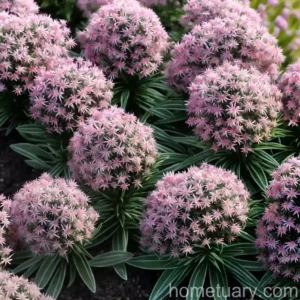
- The flowers of Swamp Azaleas can vary in color, ranging from shades of white to soft pink, adding to their ornamental appeal and diversity.
Links to External Resources
For further information and resources on the cultivation and care of Rhododendron viscosum, the following external links are valuable references:
- American Rhododendron Society
- The Rhododendron Species Foundation & Botanical Garden
- North American Native Plant Society
- The American Horticultural Society
With a deeper understanding of the cultural requirements, maintenance practices, and potential challenges associated with cultivating Rhododendron viscosum, enthusiasts and horticulturists can embark on the journey of nurturing these captivating shrubs with confidence and expertise. By optimizing the conditions and care provided to Swamp Azaleas, one can relish the rewarding experience of witnessing their exquisite blossoms and transformative beauty in garden and landscape settings.
In conclusion, Rhododendron viscosum, with its fragrant blooms, vibrant foliage, and captivating ornamental features, represents a botanical treasure that enriches the natural landscapes and cultivated spaces in which it thrives. Through dedicated cultivation and attentive care, we can perpetuate the allure and vitality of Swamp Azaleas, ensuring their enduring presence and the delight they bring to gardeners and admirers alike.