The Enigmatic Beauty of Clove Currant (Ribes odoratum ‘Crandall’)
Plants have long been revered for their stunning beauty, diverse uses, and environmental benefits. One such plant that commands attention is the clove currant, scientifically known as Ribes odoratum ‘Crandall’. This shrub is celebrated for its aromatic flowers, edible berries, and landscape appeal. In this comprehensive guide, we will delve into the culture, uses, maintenance, and fascinating features of the clove currant, providing insights into its cultivation and care.
What is the Clove Currant (Ribes odoratum ‘Crandall’)?
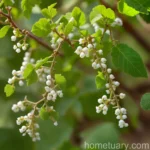
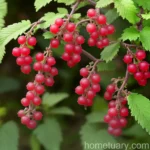
The clove currant, also known as the buffalo currant, is a deciduous shrub native to North America. It belongs to the Grossulariaceae family and is renowned for its clove-scented yellow flowers and flavorful black berries. The ‘Crandall’ cultivar is particularly prized for its superior ornamental and culinary attributes, making it a sought-after addition to gardens and landscapes.
Key Takeaways – Clove Currant (Ribes odoratum ‘Crandall’)
Before delving into the specifics of the clove currant, let’s highlight the key takeaways regarding this captivating plant:
- Plant Name: Clove currant (Ribes odoratum ‘Crandall’)
- Other Names: Crandall clove currant, clove-scented currant, buffalo currant
- Family: Grossulariaceae
- Notable Features: Aromatic yellow flowers, edible black berries, ornamental foliage
- Cultivar: ‘Crandall’ – prized for its superior attributes
- Uses: Landscape ornamental, culinary applications, wildlife attraction
- Cultivation: Adaptable to various soil types, hardy and low-maintenance
Culture
Understanding the cultural requirements of the clove currant is crucial for successfully cultivating and maintaining this stunning shrub. Let’s delve into the essential aspects of its culture, including water, sunlight, fertilizer, soil, and pruning.
Water
Clove currants generally prefer moderately moist soil, especially during the initial stages of growth and flowering. However, they exhibit good drought tolerance once established and are well-suited to regions with varying moisture levels. It is essential to avoid waterlogging, as excessively wet conditions can lead to root rot and other detrimental effects.
Watering Tips:
– Water young plants regularly to encourage establishment
– Once established, monitor moisture levels and water as needed, especially during prolonged dry spells
– Provide well-drained soil to prevent waterlogging
Sunlight
As a sun-loving shrub, the clove currant thrives in full to partial sunlight. It performs best when exposed to at least six hours of direct sunlight daily. In regions with hot summers, some afternoon shade may be beneficial to prevent excessive stress on the plant. Adequate sunlight is vital for promoting vigorous growth, abundant flowering, and ample fruit production.
Sunlight Guidelines:
– Choose a planting location that receives ample sunlight, preferably in the morning and early afternoon
– In hot climates, provide partial shade during the hottest part of the day to prevent sunscald
Fertilizer
Clove currants generally do not have excessive fertilizer requirements, especially when grown in nutrient-rich soil. However, applying a balanced, slow-release fertilizer in spring can support healthy growth and robust flowering. It is crucial to follow the recommended dosage and avoid over-fertilization, which can lead to excessive foliage at the expense of flowers and fruits.
Fertilizer Recommendations:
– Apply a balanced fertilizer in early spring, following the manufacturer’s instructions
– Consider soil testing to determine nutrient levels and tailor the fertilizer application accordingly
– Incorporate organic matter, such as compost, into the soil to enhance fertility and structure
Soil
The clove currant demonstrates adaptability to various soil types, thriving in well-drained, loamy soils with a slightly acidic to neutral pH. While it can tolerate a range of soil textures, it prefers sites with good drainage to prevent waterlogged conditions. Amending heavy clay soils with organic matter can enhance drainage and create an optimal growing environment for the plant.
Soil Considerations:
– Choose a planting site with well-drained soil to prevent waterlogging
– Incorporate organic matter, such as compost or well-rotted manure, into the soil when preparing the planting area
– Aim for a slightly acidic to neutral soil pH range (pH 6.0-7.0) for optimal growth and nutrient uptake
Pruning
Proper pruning plays a crucial role in shaping the growth habit of the clove currant, promoting flowering, and maintaining a healthy, well-structured plant. Pruning should be conducted with an understanding of the plant’s growth pattern and flowering behavior to maximize its ornamental and fruit-bearing potential.
Pruning Guidelines:
– Conduct pruning during the dormant season, preferably in late winter or early spring before new growth emerges
– Remove dead, damaged, or crossing branches to improve air circulation and prevent disease
– Encourage a balanced framework by selectively thinning out crowded or overly vigorous growth
Uses
The clove currant offers a diverse array of uses, making it a valuable addition to gardens, landscapes, and culinary endeavors. Let’s explore its various applications and benefits.
Landscape Ornamental
With its aromatic flowers, attractive foliage, and ornamental berries, the clove currant serves as an excellent choice for landscape beautification. It can be utilized as a standalone specimen, incorporated into mixed borders, or employed as a hedging plant to delineate garden spaces. The striking contrast of its yellow flowers and dark berries adds visual interest to any outdoor setting, creating a captivating focal point throughout the growing season.
Landscape Applications:
– Plant as a specimen shrub in prominent locations to showcase its ornamental attributes
– Use as a hedge or boundary planting to establish visual interest and delineate garden areas
– Incorporate into mixed borders for a burst of color and fragrance
Culinary Applications
The edible berries of the clove currant, though less commonly cultivated for culinary use than other Ribes species, possess a delightful flavor and nutritional value. The berries can be enjoyed fresh, used in jams, preserves, or pies, and incorporated into various culinary creations. While the ‘Crandall’ cultivar is renowned for its superior fruit quality, it is essential to note that the seeds and foliage of the plant contain toxic compounds and should not be consumed.
Culinary Suggestions:
– Harvest ripe berries for fresh consumption or culinary use in jams, jellies, and desserts
– Experiment with recipes to incorporate clove currant berries into unique culinary creations
– Exercise caution when consuming the berries and avoid ingesting the seeds and foliage
Wildlife Attraction
The clove currant plays a vital role in attracting and supporting wildlife, especially pollinators and birds. The fragrant flowers are a rich source of nectar for bees, butterflies, and other beneficial insects, contributing to the overall ecological balance of the garden. Additionally, the nutritious berries serve as a valuable food source for various bird species, enhancing biodiversity and ecological resilience.
Wildlife Benefits:
– Provide nectar for pollinators, including bees and butterflies, with its aromatic flowers
– Offer nutritious berries for birds, such as thrushes and waxwings, supporting local wildlife populations
– Contribute to the ecological landscape by fostering pollinator activity and avian diversity
Propagation
Propagating the clove currant allows for the expansion of its presence in gardens and landscapes, enabling enthusiasts to share its beauty with others. The plant can be propagated through various methods, each with its unique considerations and benefits.
Propagation Methods
-
Seed Propagation: Collect mature seeds from ripe berries and sow them in well-prepared seedbeds or containers. Germination may take several weeks, and the resulting seedlings can be transplanted once they develop sufficient vigor.
-
Cutting Propagation: Take semi-ripe cuttings from healthy, disease-free branches in summer, and root them in a suitable growing medium. Maintain adequate moisture and humidity to support successful rooting and establishment.
-
Division: Divide mature plants in early spring by carefully separating clumps of the plant, ensuring that each division retains sufficient roots and shoots for vitality. Replant the divided sections in prepared soil and provide appropriate care to facilitate regrowth.
Propagation Considerations:
– Select reliable sources for seeds or cuttings to propagate true-to-type specimens
– Provide consistent moisture and favorable environmental conditions to support successful establishment
– Monitor the growth of propagated plants to ensure their healthy development and readiness for transplanting
Container Propagation
For gardeners with limited space or those seeking to control the plant’s growth, container propagation offers a versatile and space-efficient option. By utilizing suitable containers and growing mediums, enthusiasts can cultivate clove currants on patios, balconies, or other confined settings, enjoying their ornamental and culinary benefits in a contained environment.
Container Propagation Guidelines:
– Choose spacious containers with adequate drainage holes to accommodate the plant’s roots and promote soil aeration
– Use a well-draining, nutrient-rich growing medium tailored for container cultivation
– Provide consistent moisture and appropriate exposure to sunlight to ensure the plant’s vitality and vigor
Popularity
The clove currant, particularly the ‘Crandall’ cultivar, has gained popularity among gardeners, landscape designers, and enthusiasts for its captivating attributes and versatile applications. Its resilience, ornamental value, and aromatic allure contribute to its widespread acclaim and continued relevance in horticultural pursuits.
Horticultural Appeal
The aromatic flowers, flavorful berries, and striking foliage of the clove currant contribute to its enduring horticultural appeal. Gardeners and landscape professionals appreciate its adaptability, low-maintenance nature, and ornamental contributions, making it a desirable choice for diverse outdoor settings.
Ornamental Features:
– Aromatic, clove-scented yellow flowers that captivate the senses and attract pollinators
– Edible berries with a pleasant flavor, adding culinary appeal and nutritional value
– Distinctive foliage and growth habit that enhance visual interest in gardens and landscapes
Versatile Uses
The clove currant’s versatility extends to its diverse uses, including landscape ornamental, culinary, and ecological applications. Its ability to thrive in various soil types and climatic conditions further enhances its appeal, making it accessible to a broad audience of gardening enthusiasts.
Diverse Applications:
– Adaptable as a standalone specimen, hedge, mixed border plant, or wildlife-friendly addition to outdoor spaces
– Culinary potential for fresh consumption, preserves, and culinary experimentation
– Ecological significance in supporting pollinators, birds, and overall garden biodiversity
Market Demand
The growing interest in sustainable gardening, native plants, and multi-functional landscapes has fueled the market demand for the clove currant, leading to its increased availability and recognition in horticultural markets. Nurseries, gardening centers, and online suppliers cater to the demand for quality clove currant specimens, including the esteemed ‘Crandall’ cultivar.
Market Accessibility:
– Obtain clove currant plants, including the ‘Crandall’ cultivar, from reputable nurseries and online sources
– Explore specialized nurseries and botanical gardens for a diverse selection of Ribes odoratum cultivars and related species
– Cultivate partnerships and collaborations with local suppliers to obtain high-quality clove currant plants for horticultural projects
Common Diseases
While the clove currant is generally resilient and disease-resistant, it can be susceptible to certain pests and afflictions under unfavorable conditions. Understanding the common diseases and their management is crucial for maintaining the plant’s health and vigor.
Disease Diagnosis
-
Powdery Mildew (Erysiphe spp.): This fungal disease manifests as a powdery, white coating on the plant’s foliage, negatively impacting its aesthetics and vigor. It thrives in humid conditions and can be managed through cultural practices, such as improving air circulation and selecting resistant cultivars.
-
Anthracnose (Drepanopeziza ribis): Anthracnose causes dark, irregular lesions on the plant’s leaves, leading to defoliation and reduced vigor. It thrives in moist environments and can be minimized through proper sanitation, pruning, and promoting a dry, well-ventilated growing environment.
-
Leaf Spot (Septoria ribis): Leaf spot presents as circular, dark lesions on the plant’s leaves, affecting its photosynthetic capacity and overall health. Maintaining good sanitation, providing proper spacing, and avoiding overhead watering can mitigate its impact and prevent its spread.
Disease Management
Cultural Practices:
– Ensure proper spacing and pruning to promote good air circulation and reduce humidity around the plant
– Avoid overhead watering to minimize moisture on the foliage and prevent favorable conditions for disease development
– Monitor the plant regularly for signs of disease and implement timely intervention measures as needed
Resistant Cultivars:
– Select disease-resistant cultivars when possible to reduce the risk of disease incidence and the need for extensive management practices
Prompt Intervention:
– Address disease issues promptly through targeted treatments, including fungicidal applications and cultural adjustments, to prevent their escalation and spread
Common Pests
In addition to diseases, the clove currant may encounter certain pests that can impact its growth, flowering, and overall vitality. Identifying and managing common pests is essential for protecting the plant and preserving its ornamental and ecological contributions.
Pest Identification
-
Aphids (Aphidoidea spp.): These small, soft-bodied insects feed on the plant’s sap, leading to stunted growth, distorted foliage, and honeydew accumulation. Their presence can attract ants and other predatory insects, signaling the need for effective control measures.
-
Currant Clearwing Moth (Synanthedon tipuliformis): The larvae of this moth species bore into the plant’s stems, leading to wilting, dieback, and weakened overall vitality. Monitoring the plant for signs of infestation and implementing targeted control strategies can help manage this pest.
-
Currant Blister Aphid (Cryptomyzus ribis): This aphid species causes blister-like deformities on the plant’s leaves, affecting their appearance and photosynthetic efficiency. Prompt intervention and targeted treatments can help mitigate the impact of this pest on the plant.
Pest Management
Integrated Pest Management (IPM):
– Implement IPM practices to minimize pest impacts through a combination of cultural, biological, and selective chemical control strategies
– Encourage natural predators, such as ladybugs and lacewings, to help manage aphid populations and maintain pest balance in the garden
Pruning and Sanitation:
– Remove and dispose of infested plant parts to prevent the spread of pests and limit their populations
– Encourage beneficial insect populations by providing diverse habitats and nectar sources throughout the garden
Environmentally-Friendly Treatments:
– Consider the use of horticultural oils or insecticidal soaps to manage pest populations while minimizing impacts on beneficial organisms and the environment
Botanist’s Tips
For aspiring botanists and gardening enthusiasts seeking to foster a deeper understanding of the clove currant, the following tips offer valuable insights and guidance for successful cultivation and appreciation of this remarkable plant.
Observational Approach
Cultivate a spirit of curiosity and keen observation when engaging with the clove currant, allowing for a deeper appreciation of its growth patterns, seasonal changes, and ecological interactions. By closely observing the plant and its surroundings, enthusiasts can gain valuable insights into its unique characteristics and contributions to the garden ecosystem.
Observation Tips:
– Take note of the plant’s growth habits, flowering behavior, and responses to environmental changes throughout the growing season
– Record observations of pollinator activity, bird interactions, and wildlife contributions associated with the clove currant
– Utilize botanical resources, such as field guides and online databases, to enhance understanding and identification skills
Ecological Context
Recognize the broader ecological context in which the clove currant exists, taking into account its interactions with pollinators, beneficial insects, and other components of the garden ecosystem. Understanding the plant’s role in supporting biodiversity and ecological balance can foster a deeper appreciation for its inherent value beyond its ornamental and culinary attributes.
Ecological Awareness:
– Acknowledge the role of the clove currant in providing habitat, food, and ecological services to diverse flora and fauna
– Foster a holistic perspective that integrates the plant’s ecological contributions into horticultural practices and garden design
– Explore opportunities for ecological restoration and native plant conservation initiatives that promote the value of species like the clove currant
Continuous Learning
Engage in continuous learning and exploration to expand your knowledge of the clove currant and related plant species, drawing from scientific literature, botanical gardens, and educational opportunities. By staying informed and seeking out diverse perspectives, botanists and plant enthusiasts can deepen their understanding of this remarkable species and its place in the natural world.
Learning Pathways:
– Access reputable botanical and horticultural resources to stay abreast of the latest research, trends, and developments related to the clove currant
– Participate in botanical workshops, garden tours, and plant-focused events to expand your knowledge and network with fellow enthusiasts
– Cultivate a spirit of curiosity and inquiry, embracing the joy of discovery and the thrill of new botanical insights and revelations
Fun Facts
In addition to its practical and ecological significance, the clove currant boasts a range of fascinating and delightful attributes that add to its allure and appeal. Here are some engaging fun facts about this captivating plant:
- The clove currant is renowned for its intoxicatingly fragrant flowers, which emit a delightful aroma reminiscent of cloves, captivating both human admirers and pollinating insects.
- While the ‘Crandall’ cultivar is celebrated for its ornamental and culinary attributes, wild variants of Ribes odoratum can be found in diverse habitats across North America, contributing to its ecological relevance.
- The genus name “Ribes” is derived from the Persian word “ribas,” which refers to various acidic-tasting fruits, reflecting the diverse berry-bearing species within the genus.
Links to External Resources
For further exploration of the clove currant and related botanical topics, consider delving into the following external resources:
- The American Horticultural Society: A comprehensive guide to Ribes odoratum ‘Crandall’ and related species
- The Royal Botanic Gardens, Kew: Botanical insights and educational resources on Ribes species
- North American Native Plant Society: A forum for enthusiasts interested in native plants, including Ribes odoratum
- Botanical Society of America: Cutting-edge research and educational resources on plant biology and diversity
- United States Department of Agriculture (USDA) Plant Database: A valuable repository of plant information and distribution maps
- National Wildlife Federation: Insights into the ecological significance of native plants, including the clove currant, in supporting wildlife
By exploring these resources and engaging with diverse perspectives, you can further enrich your botanical knowledge and appreciation for the remarkable clove currant and its place in the natural world.
In conclusion, the clove currant (Ribes odoratum ‘Crandall’) stands as a captivating and versatile plant species, celebrated for its ornamental, culinary, and ecological contributions. Its aromatic flowers