Rhododendron prunifolium (Plumleaf Azalea): A Comprehensive Guide
Plumleaf Azalea, scientifically known as Rhododendron prunifolium, is a stunning and unique plant that boasts beautiful flowers and is highly valued in gardens and landscapes, predominantly in the southeastern United States. In this comprehensive guide, we will explore the various aspects of the Plumleaf Azalea, including its culture, uses, care requirements, and interesting facts. Whether you are a seasoned plant enthusiast or a beginner looking to add a touch of elegance to your garden, this guide will provide valuable insights into the world of Rhododendron prunifolium.
What is Rhododendron prunifolium (Plumleaf Azalea)?
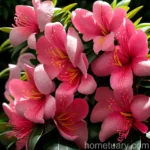
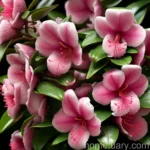
Rhododendron prunifolium, commonly known as Plumleaf Azalea, is a deciduous flowering shrub that belongs to the Ericaceae family. This striking plant is native to the southeastern United States, where it can be found in woodland areas, along stream banks, and in other moist, shaded locations. One of the most remarkable features of the Plumleaf Azalea is its vibrant and showy flowers, which bloom in late summer to early fall, adding a splash of color to the landscape when many other plants have finished flowering.
The Plumleaf Azalea is admired for its large, deep green leaves that turn shades of red and orange in the fall, enhancing its visual appeal. The flowers, which are typically deep red to reddish-orange in color, attract pollinators such as butterflies and hummingbirds, further highlighting the ecological significance of this plant.
Key Takeaways – Rhododendron prunifolium (Plumleaf Azalea)
Before delving into the specific aspects of cultivating and caring for the Plumleaf Azalea, let’s highlight some key takeaways that will provide a comprehensive understanding of this captivating plant.
Culture
- Native to the southeastern United States
- Thrives in moist and shaded environments
- Flourishes in woodland areas and along stream banks
Uses
- Ornamental shrub in gardens and landscapes
- Attracts pollinators such as butterflies and hummingbirds
- Adds vibrant colors to late summer and early fall landscapes
- Appreciated for its striking foliage and flowers
Now that we have established an overview of Rhododendron prunifolium let’s explore the essential care requirements, cultivation techniques, and interesting aspects of the Plumleaf Azalea in more detail.
Rhododendron prunifolium Care*
Care requirements for Rhododendron prunifolium are crucial to ensuring the optimal growth and development of this plant. Let’s dive into the specific care instructions for successfully cultivating Plumleaf Azalea in various environments.
Water
Proper watering is essential for the healthy growth and development of Rhododendron prunifolium. As a general guideline, Plumleaf Azaleas prefer consistently moist, well-draining soil. During dry periods, it is crucial to water the plant regularly, ensuring that the soil remains moist but not waterlogged. A layer of organic mulch can be applied around the base of the plant to help retain soil moisture and regulate soil temperature.
Sunlight
Plumleaf Azaleas thrive in partially shaded to shaded environments, making them well-suited for woodland gardens and other locations with dappled sunlight. While they can tolerate some morning sun, they generally prefer protection from the intense afternoon sun, particularly in hotter climates. When planting Rhododendron prunifolium, it is advisable to select a site with filtered sunlight or partial shade to provide the ideal growing conditions for the plant.
Fertilizer
When it comes to fertilizing Rhododendron prunifolium, it is important to use a balanced, acidic fertilizer specifically formulated for azaleas and rhododendrons. Fertilization can be carried out in early spring before the new growth emerges. Specialized azalea fertilizers are designed to provide the necessary nutrients, including nitrogen, phosphorus, and potassium, while also maintaining the slightly acidic soil pH that Plumleaf Azaleas thrive in.
Soil
Plumleaf Azaleas prefer acidic, well-draining soil that is rich in organic matter. A soil pH range of 4.5 to 6.0 is considered ideal for these plants. When planting or transplanting Rhododendron prunifolium, it is essential to amend the soil with organic matter such as peat moss, compost, or well-rotted pine bark to improve drainage and fertility. Additionally, mulching with acidic materials such as pine needles can help maintain the desired soil pH and contribute to the overall health of the plant.
Pruning
Pruning is an important aspect of maintaining the shape, vigor, and flowering potential of Rhododendron prunifolium. While Plumleaf Azaleas generally do not require extensive pruning, light pruning can be carried out after the flowering period to remove dead or damaged branches and promote a more compact growth habit. It is advisable to avoid heavy pruning, particularly in late fall or winter, as this can reduce the following year’s flower production.
Propagation
There are several methods of propagating Rhododendron prunifolium, including seed propagation, softwood cuttings, and layering. Seed propagation is a viable option, although it requires patience as Plumleaf Azaleas may take several years to reach maturity and start flowering. Softwood cuttings, taken from the current season’s growth, can be rooted in a well-draining medium to produce new plants. Layering, which involves encouraging a branch to produce roots while still attached to the parent plant, is another effective method of propagation.
Container Popularity
Plumleaf Azaleas are favored for container gardening, allowing individuals with limited outdoor space to enjoy the beauty of these plants on patios, balconies, and other small areas. When grown in containers, Rhododendron prunifolium can be placed in shaded or partially shaded locations, and regular monitoring of soil moisture is essential to ensure that the plant does not dry out.
Common Diseases
Rhododendron prunifolium may be susceptible to certain diseases, including powdery mildew, azalea leaf gall, and root rot. It is crucial to monitor the plant for signs of disease and take appropriate measures to prevent and treat any issues that may arise. Proper cultural practices, such as adequate spacing, proper watering, and good air circulation, can help minimize the risk of disease.
Disease Diagnosis
Diagnosing diseases in Rhododendron prunifolium requires careful observation of the plant’s overall health, foliage, and any abnormal symptoms such as spots, discoloration, or wilting. Consulting with local horticultural experts or plant disease specialists can provide valuable insights into accurate disease diagnosis and effective management strategies.
Common Pests
Plumleaf Azaleas may attract pests such as lace bugs, spider mites, and azalea caterpillars. Regular inspection of the plants for signs of pest infestations, including stippling, webbing, and chewed foliage, is essential for early detection and intervention. Integrated pest management approaches, including the use of beneficial insects, insecticidal soaps, and horticultural oils, can help mitigate pest issues while minimizing the use of chemical pesticides.
Botanist’s Tips
-Best grown in moist, acidic, well-drained soil
-Prefer partially shaded to shaded locations
-Regular monitoring for pests and diseases is crucial
-Pruning after flowering helps maintain plant health and appearance
-Selective fertilization with acidic, azalea-specific fertilizers
Fun Facts
-Plumleaf Azalea’s vibrant flowers attract butterflies and hummingbirds
-The plant’s large, deep green leaves turn shades of red and orange in the fall
-It is native to the southeastern United States and is highly valued in local ecosystems
-Plumleaf Azalea’s striking appearance makes it a desirable addition to woodland gardens and shaded landscapes
Now that we have thoroughly examined the care requirements, interesting facts, and botanist’s tips for Rhododendron prunifolium, let’s explore additional facets of this remarkable plant.
Link to External Resources
For more detailed information on Rhododendron prunifolium, including cultivation techniques, landscaping ideas, and pest management, the following resources offer valuable insights:
- American Rhododendron Society
- The Azalea Society of America
- University Cooperative Extension Services
The combination of expert advice and practical experience provided by these resources can enhance your understanding of Plumleaf Azalea and contribute to the successful cultivation and appreciation of this unique plant.
In conclusion, Rhododendron prunifolium, or Plumleaf Azalea, is a captivating plant that offers a wealth of visual and ecological benefits. From its striking flowers and foliage to its adaptability in woodland gardens and shaded landscapes, this species continues to captivate the hearts of plant enthusiasts and nature lovers alike. By understanding and implementing the recommended care guidelines and leveraging external resources, you can embark on a rewarding journey of nurturing and showcasing the beauty of Rhododendron prunifolium in your own garden or landscape.
With its unique characteristics and captivating allure, it is clear that Plumleaf Azalea holds a special place in the world of ornamental plants, enriching the natural tapestry of the southeastern United States and beyond.
Would you like to explore more in-depth topics related to Plumleaf Azalea and other captivating plants? Feel free to browse through our blog for a diverse collection of plant-focused articles and guides.
Happy gardening!