Plant Focus: Ant Tree (Triplaris Americana)
The fascinating world of plants never fails to surprise us with its diversity and unique characteristics. In this article, we embark on a journey to explore the intriguing ant tree, scientifically known as Triplaris americana. From its cultural significance to its growth requirements and ecological importance, we will delve into various aspects of this remarkable species of tree.
What is the Ant Tree (Triplaris Americana)?
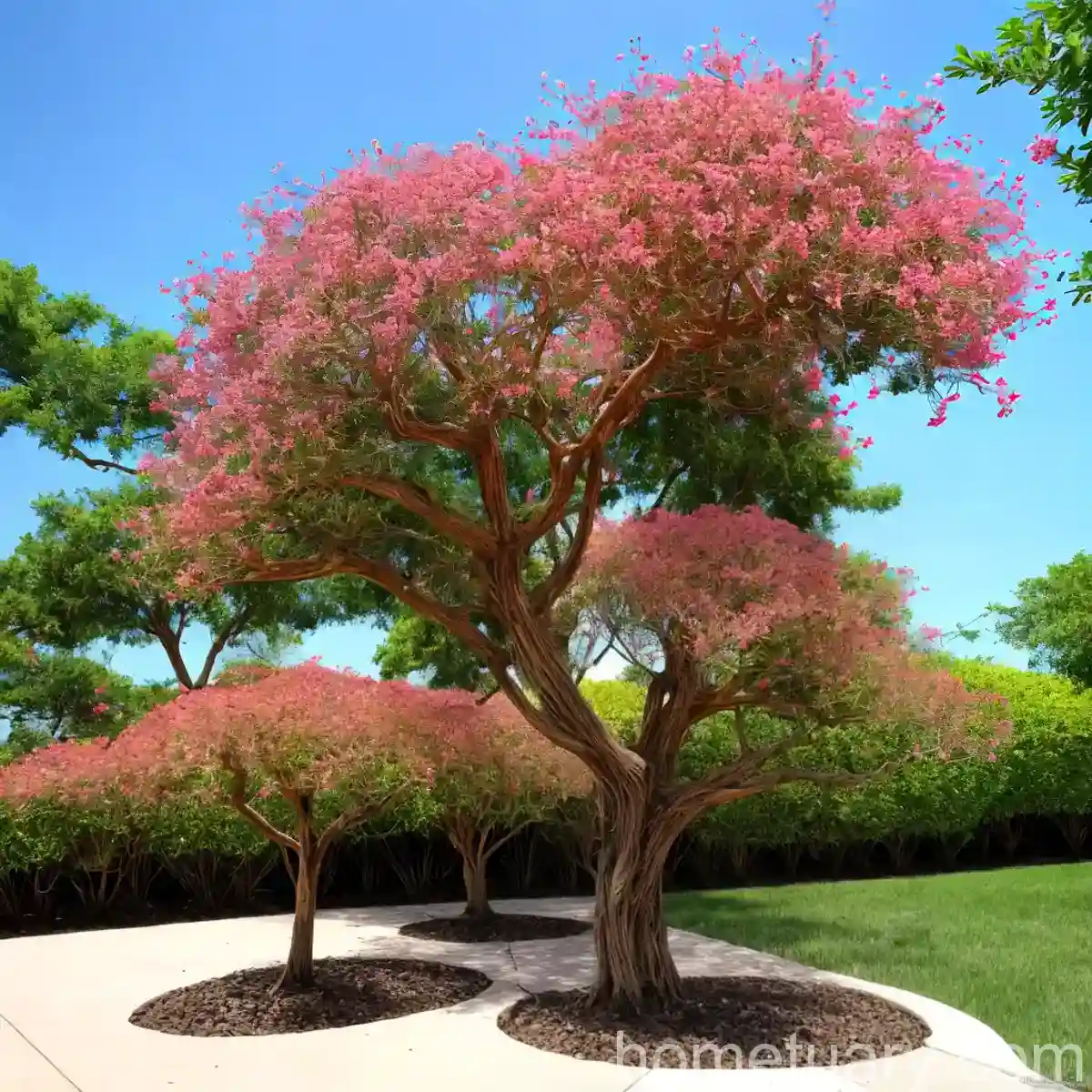
Triplaris americana, commonly known as the ant tree, is a species native to the tropical and subtropical regions of the Americas. It is a large, spreading tree that belongs to the family Polygonaceae. The ant tree derives its common name from the mutualistic relationship it shares with certain ant species, which inhabit the specialized structures known as domatia on the plant’s stems.
Key Takeaways – Ant Tree (Triplaris Americana)
Before delving into the specifics of the ant tree, it’s useful to understand some key points about its characteristics and uses. Here are the key takeaways:
- Ant Tree Facts – Triplaris americana is a large, spreading tree that forms a mutualistic relationship with certain ant species.
- Triplaris Americana Characteristics – The tree is known for its unique symbiotic relationship with ants, distinctive bark characteristics, and large, leathery leaves.
- Ant Tree Benefits – It offers ecological benefits through its ant associations, and its wood has various uses.
- Ant Tree Uses – The tree has cultural significance and is used in traditional medicine in some regions.
- Triplaris Americana Habitat – It is typically found in tropical and subtropical regions of the Americas, often near water bodies.
With these key points in mind, let’s explore the various aspects of the ant tree in more detail.
Culture
Understanding the cultural significance of the ant tree provides insights into the traditional practices and beliefs associated with this plant. The tree holds symbolic importance in various cultures, and its uses in traditional medicine and folklore are often deeply rooted in local customs and traditions.
Ant Tree Symbolism
In many indigenous cultures, the ant tree holds symbolic significance. The mutualistic relationship between the tree and ants is often interpreted as a symbol of cooperation and interdependence. Additionally, the presence of the ant tree in certain landscapes may be linked to cultural narratives and beliefs, making it an iconic species in specific regions.
Ant Tree Folklore
The folklore surrounding the ant tree often reflects the cultural values and traditions of the communities where it is found. Stories, myths, and legends may depict the ant tree as a symbol of resilience, strength, or interconnectedness, adding to its cultural importance in folklore and oral traditions.
Ant Tree Cultural Significance
The cultural significance of the ant tree extends to its use in traditional ceremonies and practices. In some cultures, the tree is revered for its association with specific deities or spirits, and its wood or leaves may be incorporated into rituals and customs that have been passed down through generations.
Uses
The ant tree (Triplaris americana) has a range of uses, from ecological benefits to traditional medicinal properties and woodworking applications. Understanding these diverse uses provides a comprehensive view of the plant’s significance in various contexts.
Ant Tree Ecological Importance
The ant tree plays a crucial role in its natural habitat, providing ecological benefits to the surrounding environment. The specialized structures on the tree’s stems, known as domatia, house colonies of ants that contribute to the tree’s defense against herbivores and provide nutrient-rich wastes that benefit the tree’s growth and health.
Ant Tree Medicinal Properties
In certain traditional medicinal practices, parts of the ant tree, such as its leaves, bark, or sap, are used to prepare remedies for various ailments. The indigenous uses of the ant tree in folk medicine highlight its perceived health benefits and therapeutic properties, which have been valued in some cultures for generations.
Triplaris Americana Wood Uses
The wood of Triplaris americana has practical applications in woodworking. Known for its durability and resistance to decay, the wood of the ant tree may be used in construction, furniture making, or the crafting of tools and implements, contributing to its economic value in certain regions.
Water
Understanding the water requirements of the ant tree is vital for its successful cultivation and maintenance in various environments. As a plant scientist, it’s crucial to consider the optimal water conditions for the tree’s growth and development.
Ant Tree Water Requirements
The ant tree thrives in moist soil conditions, and regular watering is essential, especially during dry periods. Adequate soil moisture is crucial for the tree’s establishment and overall health, particularly in regions characterized by periodic droughts or seasonal changes in precipitation.
Triplaris Americana Adaptations to Drought
In regions where water availability is limited, the ant tree exhibits adaptations to drought stress. Its ability to withstand periods of reduced water availability, possibly through mechanisms such as deep root systems or water-conserving leaf structures, contributes to its resilience in arid or semi-arid environments.
Sunlight
Proper sunlight exposure is essential for the growth and vitality of the ant tree. Understanding the tree’s sunlight requirements is crucial for its successful cultivation in different settings, from open landscapes to shaded areas within diverse ecosystems.
Ant Tree Sunlight Preferences
The ant tree is well-suited to locations with ample sunlight, as it thrives in full sun to partial shade. Providing the tree with adequate sunlight exposure promotes robust growth and the development of its distinctive foliage, contributing to its overall vigor and ecological contributions.
Ant Tree Adaptations to Shaded Environments
In areas where sunlight availability may be limited, the ant tree may exhibit adaptations to thrive under shaded conditions. These adaptations could include efficient light capture by the tree’s leaves and the ability to optimize photosynthesis under varying light intensities.
Fertilizer
When cultivating the ant tree, it’s important to consider appropriate fertilization practices to support its nutrient requirements and promote healthy growth. Understanding the tree’s fertilizer needs allows for the implementation of targeted and sustainable fertilization strategies.
Ant Tree Nutrient Requirements
Triplaris americana may benefit from the application of balanced fertilizers that provide essential nutrients such as nitrogen, phosphorus, and potassium. Understanding the tree’s specific nutrient requirements based on soil analyses and localized conditions enables the development of customized fertilization plans.
Sustainable Fertilization Practices
In agricultural and silvicultural settings, sustainable fertilization practices promote the long-term health and productivity of the ant tree without causing adverse environmental impacts. Techniques such as organic fertilization, precision nutrient management, and soil amendment strategies contribute to sustainable growth and management of the tree.
Soil
The characteristics of the soil in which the ant tree is cultivated significantly influence its growth and development. Understanding the tree’s soil preferences and adaptations to different soil types is essential for successful cultivation and the conservation of its natural habitat.
Ant Tree Soil Preferences
Triplaris americana typically thrives in well-drained, fertile soils with a loamy or sandy texture. The presence of organic matter and favorable soil structure supports the tree’s root development and nutrient uptake, contributing to its overall vigor and resilience.
Soil Adaptations of Triplaris Americana
In locations with diverse soil conditions, the ant tree may exhibit specific adaptations to different soil types. These adaptations could include root morphology suited to specific soil structures, or physiological mechanisms that enable the tree to thrive in soils with varying nutrient levels or water-holding capacities.
Pruning
Pruning plays a crucial role in shaping the growth and form of the ant tree, and understanding the best practices for pruning is essential for maintaining its health and aesthetic appeal. Proper pruning techniques contribute to the tree’s structural integrity and overall resilience.
Ant Tree Pruning Tips
Pruning the ant tree may involve the removal of dead or diseased branches, shaping the tree’s canopy, or managing its growth to suit specific landscaping or silvicultural objectives. Understanding the tree’s response to pruning and its growth habits informs the development of effective pruning strategies.
Enhancing Tree Health through Pruning
By removing damaged or overcrowded branches, pruning contributes to the overall health and longevity of the ant tree. Proper pruning techniques minimize the risk of disease spread, improve air circulation within the tree’s canopy, and promote the development of strong, well-anchored branches.
Propagation
Understanding the propagation methods for the ant tree is essential for its conservation, cultivation, and integration into agroforestry and reforestation projects. Knowledge of the tree’s reproductive biology and propagation techniques enables effective management and utilization of its genetic resources.
Ant Tree Propagation Methods
Triplaris americana can be propagated through seeds or vegetative methods such as stem cuttings or air layering. Each propagation method has unique considerations related to seed viability, rooting potential, and the genetic diversity of propagated individuals.
Conservation Propagation Initiatives
In regions where the ant tree is of ecological or economic importance, conservation propagation initiatives may be implemented to bolster its populations and support reforestation efforts. These initiatives often utilize specialized propagation techniques to produce healthy seedlings suitable for ecological restoration and sustainable land use.
Container Popularity
The use of containers for cultivating the ant tree offers unique opportunities for urban greening, landscape design, and the conservation of rare or endangered plant species. Understanding the tree’s performance in container culture provides insights into its adaptability to diverse growing conditions.
Ant Tree Container Cultivation
In horticultural and urban landscaping settings, the ant tree may be cultivated in containers, allowing for its integration into diverse outdoor and indoor environments. Proper container selection, soil media, and management practices contribute to the successful cultivation of the tree in contained settings.
Urban Greening with Ant Trees
As cities and urban areas increasingly emphasize green spaces and biodiversity conservation, the use of container-grown ant trees may contribute to urban greening initiatives. The tree’s unique characteristics and ecological contributions make it an attractive choice for sustainable urban landscape design and green infrastructure development.
Common Diseases
Like all plants, the ant tree is susceptible to various diseases that can impact its growth and overall health. Understanding common diseases affecting the ant tree is essential for implementing effective disease management strategies and promoting its long-term viability.
Disease Diagnosis in Ant Trees
Common diseases affecting Triplaris americana may include fungal infections, bacterial diseases, or physiological disorders related to nutrient imbalances or environmental stress. Timely diagnosis of diseases through visual inspection, laboratory analyses, or symptom monitoring enables targeted treatment and management approaches.
Disease Management and Prevention
Integrated pest management and proactive disease prevention strategies are important for maintaining the health of ant tree populations. Cultural practices, such as proper sanitation, balanced nutrition, and site selection, contribute to disease prevention, while targeted treatments may be necessary for managing specific diseases affecting the tree.
Common Pests
Pest infestations can adversely affect the growth and vitality of the ant tree. Identifying common pests and understanding their biology and behavior is crucial for implementing effective pest management strategies and minimizing the impact of pest-related damage.
Ant Tree Insect Interactions
The mutualistic relationship between the ant tree and certain ant species offers natural pest protection through the ants’ defensive behaviors and the production of chemical deterrents. Understanding these interactions can provide insights into the tree’s innate pest resistance and contribute to sustainable pest management practices.
Integrated Pest Management Approaches
Integrated pest management strategies, which encompass cultural, biological, and chemical control methods, are important for mitigating pest damage while minimizing environmental impacts. Monitoring pest populations, promoting natural enemies of pests, and employing targeted control measures contribute to sustainable pest management in ant tree cultivation.
Botanist’s Tips
As a plant scientist, here are some additional essential tips and considerations for working with the ant tree (Triplaris americana):
Ant Tree Growth Requirements
Understanding the specific requirements for the growth and development of the ant tree is essential for its successful cultivation. Factors such as soil moisture, sunlight exposure, and nutrient availability directly influence the tree’s growth patterns and overall health.
Ant Tree Conservation
Given the ecological importance of the ant tree and its potential susceptibility to habitat loss or overexploitation, conservation efforts aimed at preserving its genetic diversity and natural habitats are crucial. Collaboration with local communities and stakeholders can support sustainable management and conservation initiatives for the ant tree.
Research and Collaboration
Engaging in collaborative research and knowledge sharing within the scientific community contributes to a deeper understanding of the ant tree’s ecology, genetic diversity, and ecosystem functions. Building on this knowledge supports informed conservation and management practices, promoting the long-term sustainability of the species.
Fun Facts
To further appreciate the unique characteristics and ecological relationships of the ant tree, here are some fun facts about Triplaris americana:
- The specialized domatia on the ant tree’s stems provide shelter and sustenance for ant colonies, while the ants, in turn, defend the tree against herbivores and pathogens, showcasing a remarkable mutualistic relationship.
- The ant tree is known for its large, leathery leaves and distinctive bark with characteristic morphological features, adding to its aesthetic appeal in natural and cultivated settings.
- In some regions, the ant tree is revered for its cultural significance, and its uses range from traditional medicine and folklore to woodworking and ecological contributions.
Links to External Resources
For further exploration of the ant tree (Triplaris americana), the following external resources provide valuable insights and information:
- PlantRush – Triplaris Americana
- Flora of North America – Triplaris Americana
- Tropical Plants Database – Triplaris Americana
- Arkive – Ant tree (Triplaris americana)
As we conclude our exploration of the ant tree, we have gained a deeper understanding of its ecological significance, cultural uses, and practical considerations for its cultivation and conservation. With its unique characteristics and ecological relationships, the ant tree stands as a fascinating example of the interconnectedness between plants, animals, and human cultures in diverse ecosystems.