Red Ginger (Alpinia Purpurata)
Plants have the ability to bring beauty, tranquility, and a touch of nature into any space, making them an integral part of our lives. One such plant that.
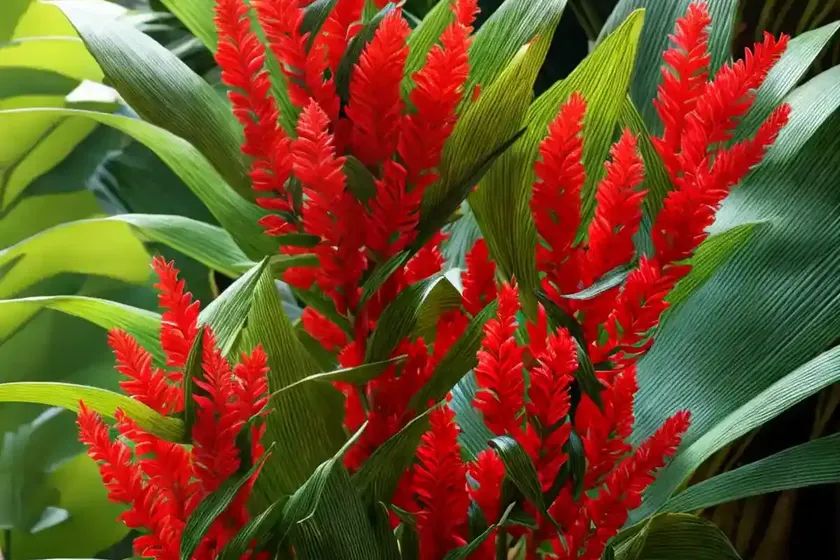
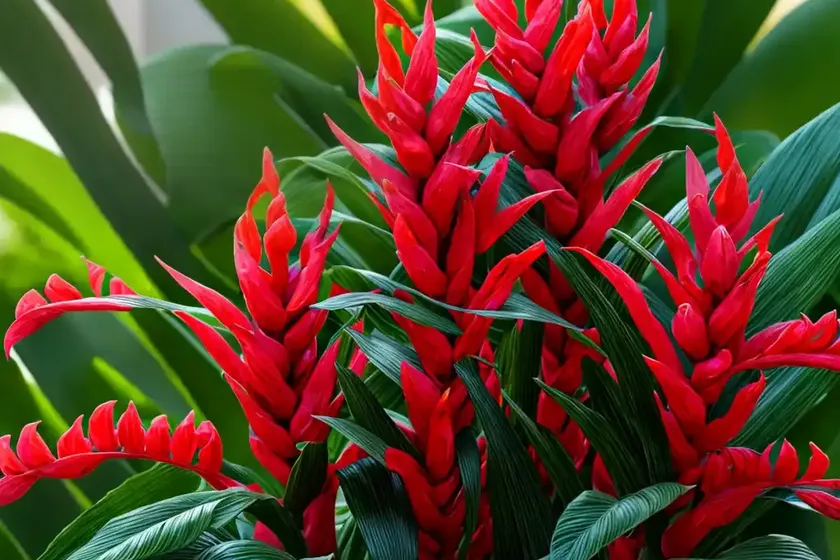
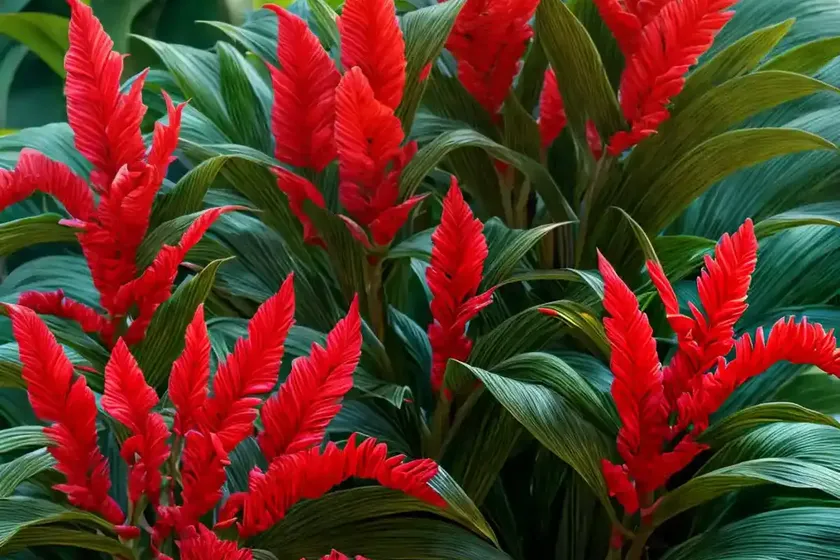
Plants have the ability to bring beauty, tranquility, and a touch of nature into any space, making them an integral part of our lives. One such plant that has garnered attention for its stunning blooms and unique foliage is the Red Ginger, scientifically known as Alpinia purpurata. In this comprehensive guide, we will delve into every aspect of this exotic plant, including its culture, uses, care requirements, and much more.
What is Red Ginger (Alpinia Purpurata)?
Alpinia purpurata, commonly referred to as Red Ginger, is a species of flowering plant in the ginger family, Zingiberaceae. It is native to Malaysia and is also found in other parts of Southeast Asia. The plant is known for its showy, brightly colored inflorescences and lush, green foliage, making it a popular choice for adding a tropical touch to gardens and indoor spaces.
Key Takeaways – Red Ginger (Alpinia Purpurata)
Before we delve into the detailed care and maintenance of the Red Ginger plant, let’s summarize some key takeaways about this fascinating botanical specimen:
- Scientific Name: Alpinia purpurata
- Common Name: Red Ginger
- Family: Zingiberaceae
- Native Habitat: Malaysia and Southeast Asia
- Characteristics: Showy, brightly colored inflorescences, lush green foliage
- Uses: Ornamental, landscaping, cut flowers
- Special Features: Tropical appearance, long-lasting blooms
Now that we have a brief overview of this stunning plant, let’s explore the various aspects of its culture, uses, and care requirements.
Culture
When it comes to cultivating the Red Ginger plant, understanding its cultural requirements is essential for ensuring its optimal growth and blooming. From water and sunlight to soil and fertilizer, each aspect plays a crucial role in nurturing this tropical beauty.
Uses
The Red Ginger plant holds several versatile uses, ranging from ornamental and landscaping purposes to being a source of cut flowers for decorative arrangements. Let’s take a closer look at its diverse uses:
- Ornamental Plant: Red Ginger is widely used as an ornamental plant, adding a vibrant and tropical aesthetic to gardens and landscapes.
- Landscaping: Its lush foliage and striking blooms make it a valuable addition to tropical-themed landscaping projects.
- Cut Flowers: The long-lasting blooms of the Red Ginger plant are often used in floral arrangements, bringing a touch of the tropics to indoor spaces.
Now that we have gained insight into the uses of the Red Ginger plant, let’s explore its specific cultural requirements in terms of water, sunlight, soil, and fertilizer.
Water
Proper watering is crucial for the health and vigor of the Red Ginger plant. Let’s take a look at its water requirements and the best practices for watering:
- Watering Needs: Red Ginger generally requires consistently moist soil, especially during the active growing season. However, it is important to avoid waterlogging, as excessive moisture can lead to root rot.
- Watering Frequency: During periods of active growth, regular watering is essential. Allow the top layer of the soil to dry slightly between waterings to prevent waterlogged conditions.
- Seasonal Adjustments: Adjust the watering frequency based on the plant’s growth cycle. Reduce watering during the plant’s dormancy period.
Sunlight
Understanding the sunlight requirements of the Red Ginger plant is crucial for providing it with the ideal growing conditions. Let’s explore its preferences when it comes to sunlight exposure:
- Light Needs: Red Ginger thrives in partially shaded to dappled light conditions. It prefers bright, indirect light rather than direct sunlight, especially during the hottest part of the day.
- Indoor Placement: When grown indoors, place the Red Ginger plant near east or west-facing windows to provide it with the ideal balance of light and shade.
Fertilizer
Fertilization plays a key role in supporting the growth and blooming of the Red Ginger plant. Here are some important points to consider regarding its fertilizer requirements:
- Fertilizer Type: Use a balanced, water-soluble fertilizer formulated for flowering plants. Look for a fertilizer with a higher potassium content to support blooming.
- Application Frequency: Apply fertilizer every 4-6 weeks during the active growing season, from spring to early autumn. Reduce or discontinue fertilization during the plant’s dormancy period.
Soil
The right type of soil provides the foundation for the healthy growth of the Red Ginger plant. Let’s examine the soil requirements for cultivating this tropical beauty:
- Well-Draining Soil: Red Ginger thrives in well-draining, slightly acidic to neutral soil with a rich organic content. A mix of peat moss, perlite, and organic compost can create an ideal growing medium.
- Container Considerations: When planting Red Ginger in containers, ensure that the pots have adequate drainage holes to prevent waterlogging.
Pruning
Pruning is an essential aspect of Red Ginger plant care, helping to maintain its growth habit and appearance. Here are some key points to consider when pruning this tropical beauty:
- Deadheading Blooms: Removing spent blooms can promote continuous blooming and improve the overall appearance of the plant.
- Trimming Foliage: Regularly trim any yellowing or damaged foliage to maintain the plant’s health and aesthetic appeal.
Now that we have explored the cultural aspects of the Red Ginger plant, let’s delve into its propagation, including methods for both outdoor and indoor cultivation.
Propagation
Propagation allows plant enthusiasts to expand their Red Ginger collection and share the beauty of this tropical gem with others. Let’s explore the propagation methods for Alpinia purpurata:
Outdoor Propagation
Propagating Red Ginger outdoors involves the following methods:
- Division: Division of mature clumps is a common method for propagating Red Ginger plants. Dig up the plant and carefully separate the rhizomes, ensuring that each division has healthy shoots and roots.
- Planting New Divisions: Replant the divisions in prepared garden beds or containers, making sure to provide them with the necessary cultural requirements for optimal growth.
Indoor Propagation
For those looking to propagate Red Ginger plants indoors, the following approach can be followed:
- Rhizome Cuttings: Take healthy rhizome cuttings with at least one or two growing shoots. Plant the cuttings in a well-draining, moist potting mix and provide them with the appropriate environmental conditions for rooting and growth.
Now that we have covered the essential aspects of propagation, including outdoor and indoor methods, let’s shift our focus to container gardening and the popularity of Red Ginger in pot culture.
Container Popularity
Growing Red Ginger in containers presents a versatile and space-saving option for plant enthusiasts. Let’s explore the popularity of Red Ginger in the realm of container gardening:
- Space-Saving Solution: Red Ginger’s suitability for container culture makes it an ideal choice for individuals with limited garden space, allowing them to enjoy the beauty of this tropical plant on patios, balconies, and indoors.
- Enhanced Portability: Container-grown Red Ginger plants can be easily moved to different locations based on sunlight and temperature requirements, providing greater flexibility in their care.
Common Diseases
Just like any other plant, the Red Ginger is susceptible to certain diseases and pests. Understanding and identifying common diseases is crucial for implementing effective prevention and treatment strategies.
Disease Diagnosis
Let’s explore some common diseases that can affect the Red Ginger plant:
- Leaf Spot: This fungal disease is characterized by the appearance of dark, water-soaked spots on the foliage. It can lead to leaf yellowing and defoliation if left untreated.
- Leaf Blight: Leaf blight is another fungal disease that can cause browning and wilting of the foliage, eventually leading to extensive damage if not addressed.
- Rhizome Rot: Excessive moisture and poor drainage can lead to rhizome rot, resulting in the decay and deterioration of the plant’s underground stems.
Common Pests
In addition to diseases, the Red Ginger plant may also fall prey to various pests that can affect its health and vitality. Let’s take a look at some common pests that may target this tropical beauty:
- Aphids: These tiny, sap-sucking insects can gather on the undersides of leaves, causing distortion and yellowing of the foliage.
- Spider Mites: Spider mites are common pests that can infest Red Ginger plants, leading to stippled, discolored foliage and a weakened overall appearance.
- Scale Insects: Scale insects can attach themselves to the stems and foliage of Red Ginger, feeding on plant juices and causing yellowing and wilting of the affected parts.
Now that we have explored the potential challenges in the form of diseases and pests, let’s move on to valuable tips from botanists that can aid in the successful care and maintenance of the Red Ginger plant.
Botanist’s Tips
The insights and recommendations from botanists can provide valuable guidance for nurturing the Red Ginger plant. Let’s explore some expert tips for caring for this tropical beauty:
- Environmental Considerations: Consider the climatic conditions and microenvironment of your planting area to ensure they are conducive to the needs of Red Ginger.
- Balanced Watering: Strive to maintain consistent moisture levels without overwatering, especially during the active growth phase.
- Monitoring for Pests and Diseases: Regularly inspect the foliage and stems for any signs of pest infestations or disease symptoms, taking prompt action if any issues are detected.
Fun Facts
Now, let’s uncover some interesting and lesser-known facts about Red Ginger that highlight the unique characteristics of this tropical beauty:
- Symbolism: In some cultures, Red Ginger is associated with themes of good luck, prosperity, and positive energy, making it a popular choice for ceremonial and celebratory events.
- Medicinal Uses: Certain traditional remedies and practices utilize the rhizomes and leaves of Red Ginger for their potential medicinal properties, ranging from digestive support to anti-inflammatory effects.
As we wrap up our exploration of the captivating world of the Red Ginger plant, it is important to provide access to external resources and further reading material for those seeking in-depth information and inspiration.
Links to External Resources
For further insights and in-depth information on Red Ginger plant care, characteristics, and cultivation, consider exploring the following external resources:
- Red Ginger Plant Care Guide
- Growing Red Ginger Indoors
- Alpinia Purpurata Diseases and Pests
- Red Ginger: A Tropical Beauty
- Alpinia Purpurata: Ornamental Plant for Landscaping
With access to these valuable resources, enthusiasts and cultivators can continue their journey of discovery and appreciation for the captivating Red Ginger plant.
In conclusion, the Red Ginger (Alpinia purpurata) stands as a stunning example of nature’s artistry, captivating enthusiasts and plant lovers with its vibrant blooms and lush foliage. By understanding its cultural requirements, uses, and potential challenges, individuals can embark on a rewarding journey of nurturing this tropical beauty, whether in garden landscapes or indoor spaces. With the knowledge and insights shared in this comprehensive guide, plant enthusiasts are well-equipped to embark on their own Red Ginger plant care and cultivation pursuits, embracing the allure of this remarkable botanical specimen.
Now, find some valuable resources with the Red Ginger plants.