Galanga (Alpinia Galanga)
Alpinia galanga, commonly known as Galanga, is a perennial herb belonging to the ginger family, Zingiberaceae. Galanga is native to Southeast Asia and is.
Introduction
Alpinia galanga, commonly known as Galanga, is a perennial herb belonging to the ginger family, Zingiberaceae. Galanga is native to Southeast Asia and is widely cultivated for its culinary and medicinal uses. This plant is well-loved for its unique flavor and medicinal properties, making it a popular choice for both home gardeners and professional growers. In this comprehensive guide, we will explore the cultivation, care, and uses of Alpinia galanga, shedding light on its diverse applications in both traditional and modern contexts.
What is Alpinia Galanga?
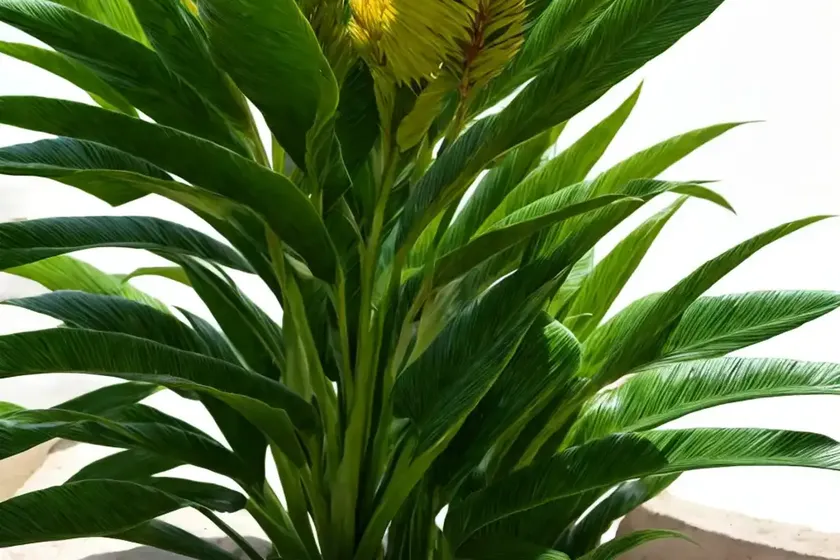
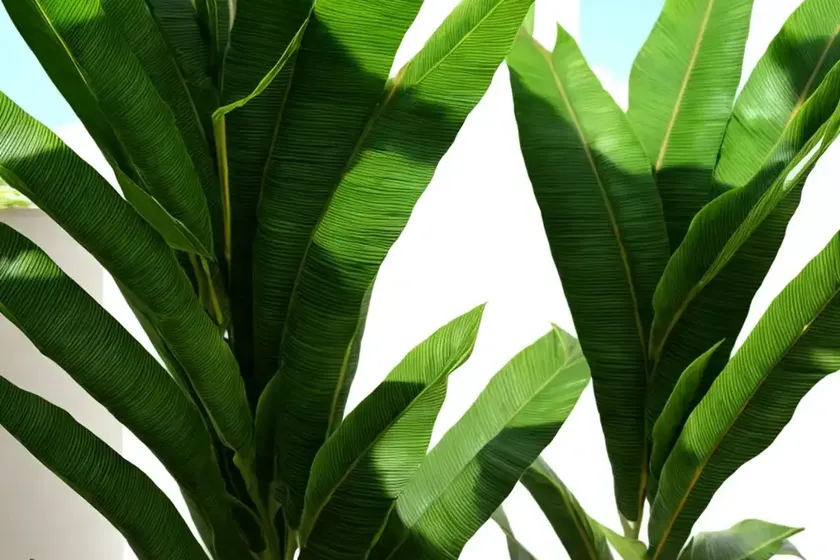
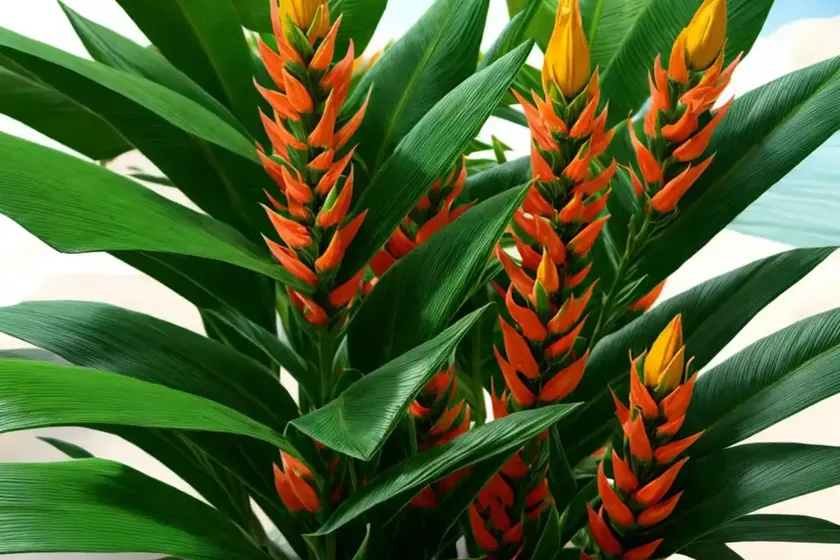
Alpinia galanga, also known as greater galangal, Thai ginger, or Laos galangal, is a herbaceous plant with thick rhizomes and lush green foliage. It is characterized by its distinctive spicy and citrusy flavor, which sets it apart from other members of the ginger family. The plant can grow up to approximately 2 meters in height and produces beautiful ornamental flowers, adding to its aesthetic appeal.
Key Takeaways – Galanga (Alpinia Galanga)
Here are some key takeaways about Alpinia galanga:
- Scientific Name: Alpinia galanga
- Common Names: Galanga, Greater Galangal, Thai Ginger, Laos Galangal
- Family: Zingiberaceae
- Native Habitat: Southeast Asia
- Uses: Culinary, Medicinal
- Flavor Profile: Spicy, Citrusy
- Growing Conditions: Tropical, Moist, Well-Drained Soil
- Plant Type: Perennial Herb
Cultivation
Successfully growing Alpinia galanga requires an understanding of its specific cultural requirements. From water and sunlight to soil and fertilizer, every aspect of its cultivation plays a vital role in its overall health and productivity.
Water
Galanga thrives in consistently moist conditions, mimicking its natural habitat in the tropical regions of Southeast Asia. Adequate watering is essential, especially during the active growing season, to ensure that the soil remains consistently damp but not waterlogged. A regular watering schedule will help promote healthy rhizome development and robust foliage growth.
Sunlight
In its native habitat, Alpinia galanga thrives in partially shaded areas with dappled sunlight. When cultivated in regions with intense sunlight, providing partial shade can help prevent leaf scorch and maintain the plant’s overall vigor. However, some direct sunlight exposure is beneficial for the plant’s photosynthetic processes, making a balance of light conditions crucial for its well-being.
Fertilizer
Fertilizing Galanga is essential to provide the necessary nutrients for robust growth and development. A balanced, slow-release fertilizer applied during the growing season will support the plant’s nutritional needs. Look for a fertilizer with a higher potassium content to promote strong rhizome development, as this is where the plant stores its energy reserves.
Soil
Well-draining, rich, and loamy soil is ideal for Alpinia galanga. The soil should retain moisture without becoming waterlogged, as excessively wet conditions can lead to rot and other issues. Amending the soil with organic matter, such as compost or well-rotted manure, can enhance its fertility and improve its water retention capacity, creating an optimal growing environment for the plant.
Pruning
Pruning plays a crucial role in managing the growth and overall appearance of Alpinia galanga. Regularly removing dead or damaged foliage, as well as spent flowers, can help maintain the plant’s health and aesthetics. Additionally, pruning can assist in controlling the size of the plant and preventing overcrowding in the growing area.
Propagation
Alpinia galanga can be propagated through division, allowing growers to expand their plantings or share the herb with fellow gardening enthusiasts. Propagation through division involves carefully separating the rhizomes and planting them in suitable growing conditions. This method is a reliable way to propagate new plants and maintain the genetic traits of the parent plant.
Container Popularity
Growing Alpinia galanga in containers is a popular choice for many gardeners, especially those in temperate regions where the climate may not fully support its outdoor cultivation. Containers provide the flexibility to create an ideal microclimate for the plant and allow for easy mobility, making it suitable for both indoor and outdoor settings.
Container Common Diseases
When growing Galanga in containers, it is essential to be mindful of common diseases and issues that may affect the plant in a confined environment. Poor drainage, overwatering, and inadequate air circulation can create an environment conducive to certain diseases, including root rot and leaf spot. Monitoring the plant closely can help detect these issues early and prevent their escalation.
Disease Diagnosis
Diagnosing diseases in Galanga involves observing changes in foliage color, texture, and overall plant health. Common signs of disease may include wilting, yellowing, or spotted leaves, as well as stunted growth. By promptly identifying and addressing potential disease issues, growers can implement appropriate measures to protect the plant and prevent the spread of infections.
Common Pests
Though generally resilient, Alpinia galanga may occasionally attract pests such as aphids, mites, and caterpillars. Regular inspection of the plant and proactive pest management can help mitigate pest-related damage and ensure the plant’s continued well-being. Natural predators and organic pest control methods can be employed to maintain a healthy balance within the growing environment.
Botanist’s Tips
Here are some expert tips for successfully cultivating and caring for Alpinia galanga:
-
Harvesting Method: When harvesting the rhizomes, gently loosen the soil around the plant to prevent damage to the delicate structures. Use a sharp, clean tool to carefully dig up the rhizomes, taking care not to bruise or injure them during the process.
-
Aerated Soil: Providing adequate soil aeration is crucial for preventing waterlogging and promoting healthy root development. Consider incorporating perlite or coarse sand into the soil mix to improve its structure and drainage capabilities.
-
Temperature Considerations: Galanga thrives in warm, tropical climates. When grown in cooler regions, providing a warm, sheltered microclimate can help mimic its preferred growing conditions and support its overall health.
-
Disease Prevention: Implement preventive measures such as proper sanitation, regular inspection, and appropriate watering practices to minimize the risk of diseases and maintain a disease-free growing environment.
Fun Facts
Discover some fascinating facts about Alpinia galanga:
-
Culinary Versatility: Galanga is a popular ingredient in various Southeast Asian cuisines, known for imparting a unique, citrusy spice to dishes.
-
Traditional Medicine: For centuries, Galanga has been revered in traditional medicine for its diverse therapeutic properties, ranging from digestive support to respiratory health.
-
Herbal Elixirs: Alpinia galanga is utilized in the preparation of herbal elixirs and tonic formulations, valued for its beneficial effects on overall well-being.
-
Cultural Significance: In many cultures, Galanga holds symbolic value and is used in rituals, ceremonies, and traditional healing practices.
Links to External Resources
Explore the following resources to further enhance your understanding of Alpinia galanga:
- Botanical Description and Medicinal Uses of Alpinia galanga
- Culinary Applications of Galanga in Southeast Asian Cuisine
- Traditional and Modern Applications of Alpinia galanga in Herbal Medicine
In conclusion, Alpinia galanga, with its rich cultural history, culinary allure, and medicinal versatility, is a plant of immense value and significance. Whether used in the kitchen to add depth to culinary creations or harnessed for its myriad health benefits, Galanga exemplifies the remarkable interconnectedness of plants and human well-being. As we continue to explore the diverse and profound contributions of plants like Alpinia galanga, we gain a deeper appreciation for the wonders of the natural world and the treasures it bestows upon us.