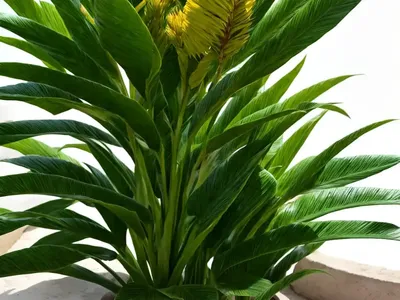
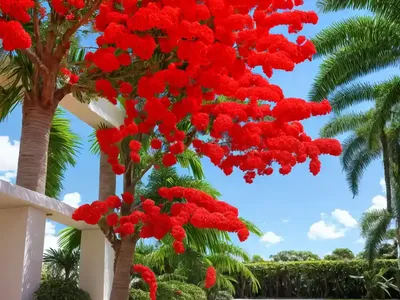
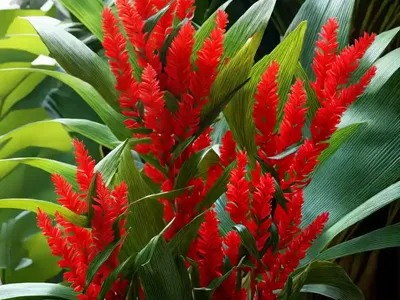
Caesalpinia Gilliesii (Bird Of Paradise Shrub)
The Caesalpinia gilliesii, commonly known as the Bird of Paradise Shrub, is an exquisite plant species that adds a touch of elegance to any landscape. Its.
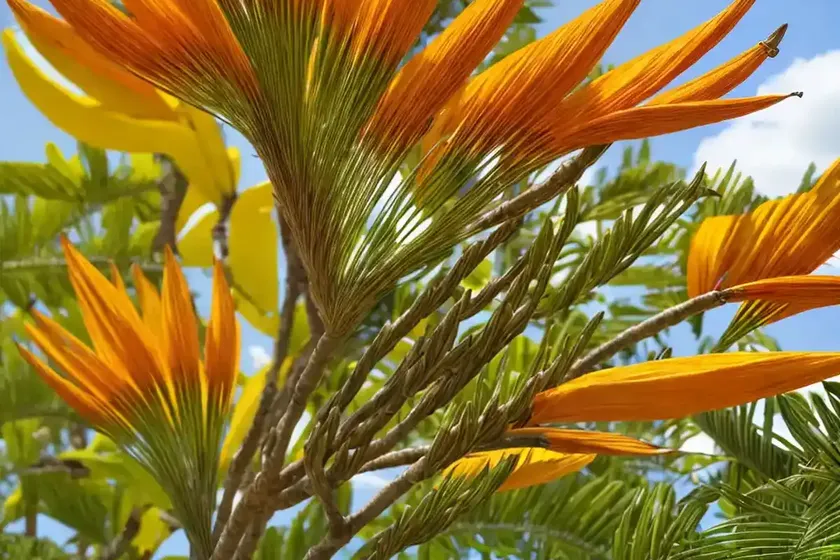
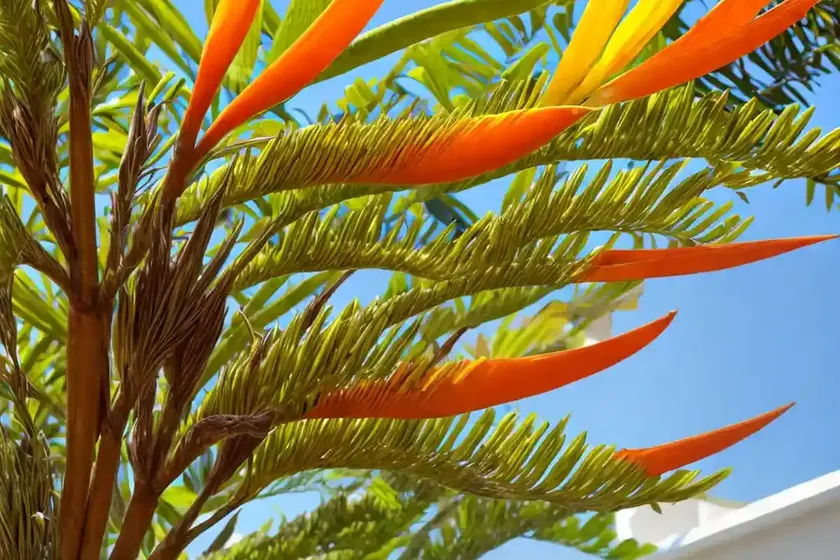
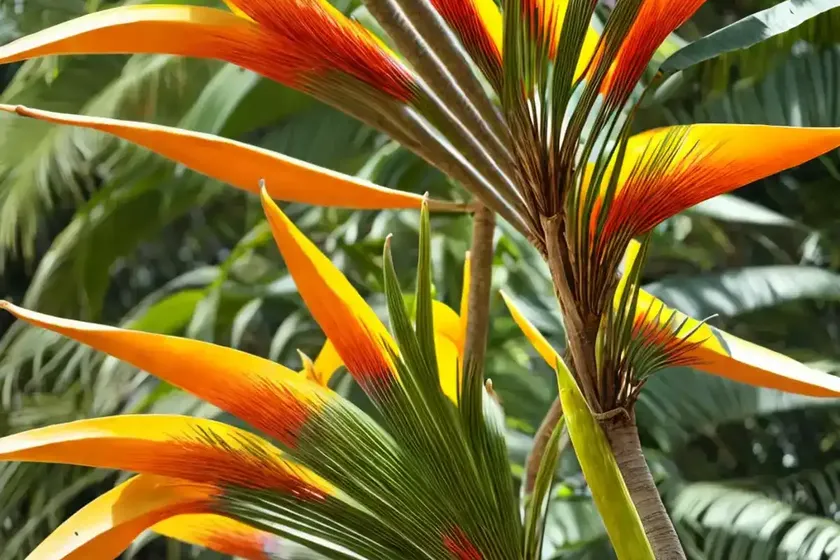
The Caesalpinia gilliesii, commonly known as the Bird of Paradise Shrub, is an exquisite plant species that adds a touch of elegance to any landscape. Its vibrant blooms and attractive foliage make it a popular choice among both amateur and experienced gardeners. In this comprehensive guide, we will explore the various aspects of the Bird of Paradise Shrub, including its culture, uses, care tips, and much more.
What is Caesalpinia gilliesii?
Caesalpinia gilliesii is a species of flowering shrub in the Fabaceae family, native to South America. The plant is named in honor of botanist John Gillies, who was known for his extensive botanical explorations in South America during the 19th century. It is characterized by its striking yellow flowers, which bear a resemblance to the bird of paradise flower (Strelitzia reginae), hence its common name.
Key Takeaways – Caesalpinia gilliesii (Bird of Paradise Shrub)
Before delving into the specific aspects of the Bird of Paradise Shrub, let’s take a quick look at the key takeaways associated with this stunning plant:
- Scientific Name: Caesalpinia gilliesii
- Common Name: Bird of Paradise Shrub
- Family: Fabaceae
- Native Habitat: South America
- Main Features: Striking yellow flowers, attractive foliage
- Uses: Ornamental landscaping, wildlife attraction
- Notable Characteristics: Drought tolerance, disease resistance
- Growth Rate: Moderate
- Winter Hardiness: Dependent on climate
Culture
Understanding the culture and environmental requirements of Caesalpinia gilliesii is crucial for ensuring its optimal growth and health. Let’s explore the key cultural aspects associated with this plant:
Water
The Bird of Paradise Shrub exhibits moderate drought tolerance once established, making it well-suited for arid and semi-arid regions. While the plant can withstand periods of reduced water availability, it is essential to provide regular watering, especially during the establishment phase and in periods of prolonged drought.
- Water Needs: Moderate
- Establishment Phase: Regular watering
- Drought Tolerance: Moderate to High
- Watering Schedule: Water deeply but infrequently
Sunlight
Caesalpinia gilliesii thrives in full sunlight and requires a minimum of 6-8 hours of direct sunlight per day for optimal growth and flowering. Insufficient sunlight exposure may lead to reduced flowering and overall vigor of the plant.
- Sunlight Exposure: Full Sun (6-8 hours/day)
- Optimal Conditions: Well-drained, sunny locations
- Shade Tolerance: Limited
Fertilizer
Proper fertilization is essential for promoting healthy growth and prolific flowering in the Bird of Paradise Shrub. A balanced, slow-release fertilizer formulated for flowering shrubs can be applied during the growing season to provide the necessary nutrients.
- Fertilizer Type: Balanced, slow-release
- Application Timing: Early to mid-spring
- Frequency: Once per growing season
- Caution: Avoid excessive nitrogen to prevent foliage at the expense of flowers
Soil
The plant thrives in well-drained, moderately fertile soil. It can tolerate a wide range of soil types, including sandy, loamy, or clay soils, as long as they offer good drainage to prevent waterlogging.
- Soil Type: Well-drained
- pH Range: Slightly acidic to slightly alkaline (6.0-7.5)
- Soil Texture: Sandy, Loamy, Clay
- Amendments: Organic matter incorporation for improving soil structure
Pruning
Regular pruning is essential for maintaining a neat and attractive form of the Bird of Paradise Shrub. Pruning also promotes better air circulation and can encourage increased flowering in the subsequent growing seasons.
Pruning Techniques
When pruning the Bird of Paradise Shrub, focus on the following techniques:
- Deadheading: Remove spent blooms to encourage continuous flowering.
- Thinning: Thin out overcrowded or crossing branches to improve airflow within the canopy.
- Shaping: Trim back any unruly growth to maintain the desired form and size of the plant.
It is advisable to carry out major pruning activities during the late winter or early spring before the onset of new growth.
Propagation
Caesalpinia gilliesii can be propagated through various methods, including seeds, stem cuttings, and division. Each propagation method offers its unique advantages and challenges, allowing gardeners to choose the most suitable approach based on their preferences and resources.
Propagation Methods
Let’s explore the different propagation methods for the Bird of Paradise Shrub:
- Seeds: Collect mature seeds from the pods and sow them in well-draining potting mix. Keep the soil consistently moist until germination occurs.
- Stem Cuttings: Take 4-6 inch stem cuttings from the plant and treat the cut ends with a rooting hormone. Plant the cuttings in a moist, well-draining rooting medium and provide the appropriate humidity and warmth for successful rooting.
- Division: Divide mature plants during the early spring, ensuring that each division has an adequate root system and foliage to support its growth.
Each propagation method requires specific care and attention to maximize the success rate and ensure the healthy establishment of the new plants.
Container Popularity
The Bird of Paradise Shrub is also well-suited for container gardening, allowing individuals with limited space or specific design preferences to enjoy the beauty of this plant. When grown in containers, the plant requires special care to ensure its vigor and longevity.
Container Requirements
Consider the following factors when cultivating Caesalpinia gilliesii in containers:
- Pot Size: Use a spacious container that accommodates the plant’s root system and provides ample room for growth.
- Drainage: Ensure that the container has adequate drainage holes to prevent waterlogging.
- Potting Mix: Utilize a well-draining, nutrient-rich potting mix formulated for flowering shrubs to offer optimal growing conditions.
Regular monitoring of moisture levels and fertilization is crucial when growing the Bird of Paradise Shrub in containers to address the specific needs of the plants confined to limited soil volume.
Common Diseases
While the Bird of Paradise Shrub is relatively resistant to many common plant diseases, it may still encounter certain issues that require vigilant monitoring and timely intervention. Understanding the potential diseases and their management strategies is essential for preserving the health and vitality of the plant.
Disease Diagnosis
Keep an eye out for the following common diseases that may affect Caesalpinia gilliesii:
- Powdery Mildew: Characterized by the presence of white, powdery patches on the foliage. Ensure proper air circulation and consider the application of fungicidal treatments if the condition persists.
- Root Rot: Caused by overwatering or poorly-draining soil, leading to the rotting of the root system. Adjust watering practices and improve soil drainage to prevent this issue.
- Leaf Spot Diseases: These diseases manifest as dark, water-soaked spots on the leaves and can be managed through proper sanitation and the application of fungicidal treatments.
Regular inspection of the plant, especially during periods of high humidity or excessive moisture, can aid in the early detection and management of potential diseases.
Common Pests
In addition to diseases, the Bird of Paradise Shrub may also attract certain pests that can compromise its growth and aesthetics. Identifying and addressing pest infestations promptly is crucial for minimizing their impact on the plant.
Notable Pests
Look out for the following common pests associated with Caesalpinia gilliesii:
- Aphids: These small, soft-bodied insects may cluster on the new growth and undersides of leaves, sucking sap from the plant. Use insecticidal soaps or horticultural oils to control aphid populations.
- Spider Mites: These tiny arachnids can cause stippling and webbing on the foliage, leading to weakened plants. Utilize miticides to manage spider mite infestations and maintain optimal humidity levels to deter their proliferation.
- Scale Insects: Scale insects may appear as raised, waxy bumps on the stems and leaves. Implement targeted insecticide treatments to address scale infestations effectively.
Regular monitoring and the use of preventive measures, such as horticultural oils and insecticidal soaps, can help deter pest infestations and maintain the overall health of the plant.
Botanist’s Tips
To further enhance the understanding and care of Caesalpinia gilliesii, let’s explore some valuable tips from botanists and plant care experts:
- Prune Wisely: Employ proper pruning techniques to maintain the plant’s form and encourage robust flowering.
- Monitor Watering: Strike a balance between providing adequate moisture and avoiding waterlogging to prevent potential root issues.
- Observe Wildlife: Embrace the Bird of Paradise Shrub as a wildlife-friendly addition to the garden, attracting pollinators and beneficial insects.
Incorporating these tips into your plant care routine can contribute to the long-term success of the Bird of Paradise Shrub in your landscape.
Fun Facts
Amidst the practical aspects of plant care, it’s worthwhile to appreciate some intriguing and captivating facts about the Bird of Paradise Shrub:
- The bright yellow flowers of Caesalpinia gilliesii are known for attracting various pollinators, including bees, butterflies, and hummingbirds.
- In its native habitat in South America, the plant is valued for its ornamental and medicinal properties, with traditional uses in herbal remedies.
- The Bird of Paradise Shrub’s resilience and adaptability make it an excellent choice for xeriscaping and low-maintenance landscaping projects.
These fun facts provide a deeper insight into the unique characteristics and ecological significance of this remarkable plant species.
Links to External Resources
To expand your knowledge and access additional resources on the Bird of Paradise Shrub, you can explore the following links:
- Royal Horticultural Society – Caesalpinia gilliesii
- University of Florida IFAS Extension – Bird of Paradise Shrub
By leveraging these external resources, you can gain valuable insights, expert recommendations, and specific guidance tailored to the cultivation and care of Caesalpinia gilliesii in diverse environments.
In conclusion, the Bird of Paradise Shrub (Caesalpinia gilliesii) stands as a charismatic and resilient plant species that captivates with its dazzling blooms and enduring ornamental value. By understanding its cultural requirements, maintenance practices, and ecological significance, you can embark on a fruitful journey of cultivating and appreciating this remarkable plant in your own garden or landscape.
Remember to embrace the sophistication and vibrancy that the Bird of Paradise Shrub brings, and explore the multitude of possibilities it offers for enhancing your outdoor space and connecting with the natural world.
Keywords: Bird of Paradise shrub care, Caesalpinia gilliesii plant, Bird of Paradise shrub characteristics, Caesalpinia gilliesii landscaping, Bird of Paradise shrub growth, Caesalpinia gilliesii pruning, Bird of Paradise shrub varieties, Caesalpinia gilliesii propagation, Bird of Paradise shrub blooming, Caesalpinia gilliesii disease resistance, Bird of Paradise shrub planting, Caesalpinia gilliesii drought tolerance, Bird of Paradise shrub maintenance, Caesalpinia gilliesii landscape design, Bird of Paradise shrub care tips, Caesalpinia gilliesii soil requirements, Bird of Paradise shrub climate suitability, Caesalpinia gilliesii sun exposure, Bird of Paradise shrub insect pests, Caesalpinia gilliesii wildlife attraction, Bird of Paradise shrub fertilization, Caesalpinia gilliesii water needs, Bird of Paradise shrub pruning techniques, Caesalpinia gilliesii plant spacing, Bird of Paradise shrub companion plants, Caesalpinia gilliesii winter care, Bird of Paradise shrub diseases, Caesalpinia gilliesii flowering period, Bird of Paradise shrub pollination, Caesalpinia gilliesii native habitat, Bird of Paradise shrub invasive potential, Caesalpinia gilliesii garden uses, Bird of Paradise shrub container gardening, Caesalpinia gilliesii wildlife habitat, Bird of Paradise shrub pruning schedule, Caesalpinia gilliesii leaf characteristics, Bird of Paradise shrub soil pH, Caesalpinia gilliesii companion flowers, Bird of Paradise shrub height, Caesalpinia gilliesii planting instructions, Bird of Paradise shrub water requirements, Caesalpinia gilliesii leaf drop, Bird of Paradise shrub leaf spot, Caesalpinia gilliesii recommended cultivars, Bird of Paradise shrub seed germination, Caesalpinia gilliesii root system, Bird of Paradise shrub winter hardiness, Caesalpinia gilliesii growth rate, Bird of Paradise shrub pest control, Caesalpinia gilliesii flower color
Note: The content of this blog post is for informational purposes only and does not serve as a substitute for professional gardening or horticultural advice. Always consult local experts and extension services for specific recommendations tailored to your region and growing conditions.