Dwarf Poinciana (Caesalpinia Pulcherrima)
Welcome to the fascinating world of the Dwarf Poinciana, known scientifically as Caesalpinia Pulcherrima. Commonly referred to as Pride of Barbados, Red.
Introduction
Welcome to the fascinating world of the Dwarf Poinciana, known scientifically as Caesalpinia Pulcherrima. Commonly referred to as Pride of Barbados, Red Bird of Paradise, and Peacock Flower, this charming plant is renowned for its exquisite flowers and unique growth patterns. In this comprehensive guide, we will delve into all aspects related to the care and cultivation of the Dwarf Poinciana, from its ideal environmental conditions to potential pests and diseases that may affect its growth. Whether you are a beginner enthusiast or an experienced gardener, there is much to uncover about this magnificent plant.
What is a Dwarf Poinciana?
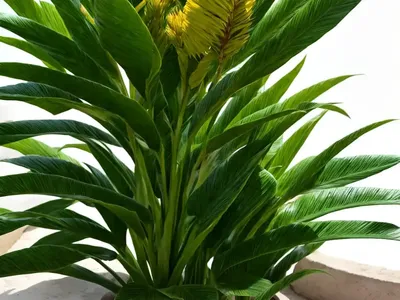
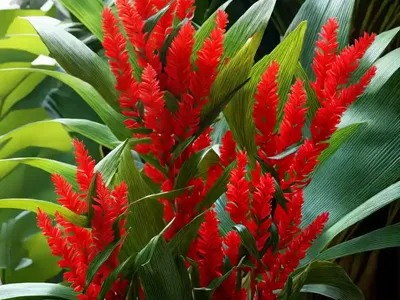
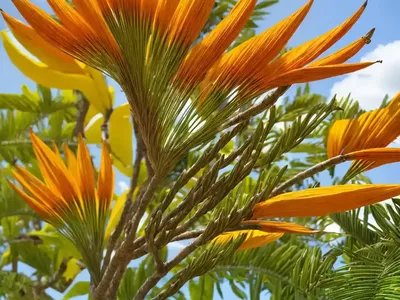
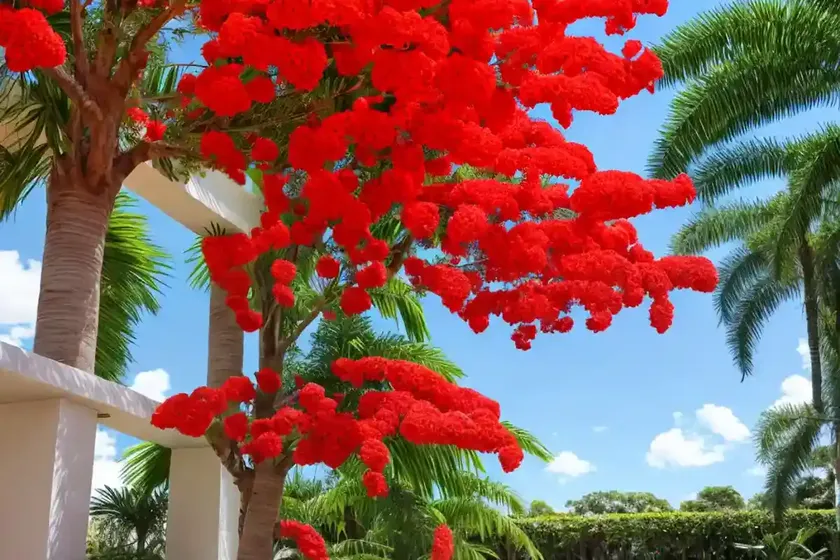
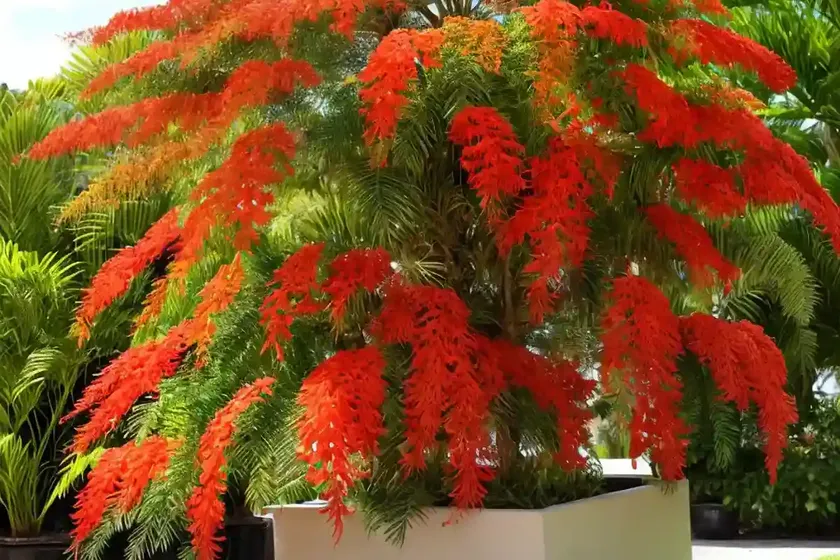
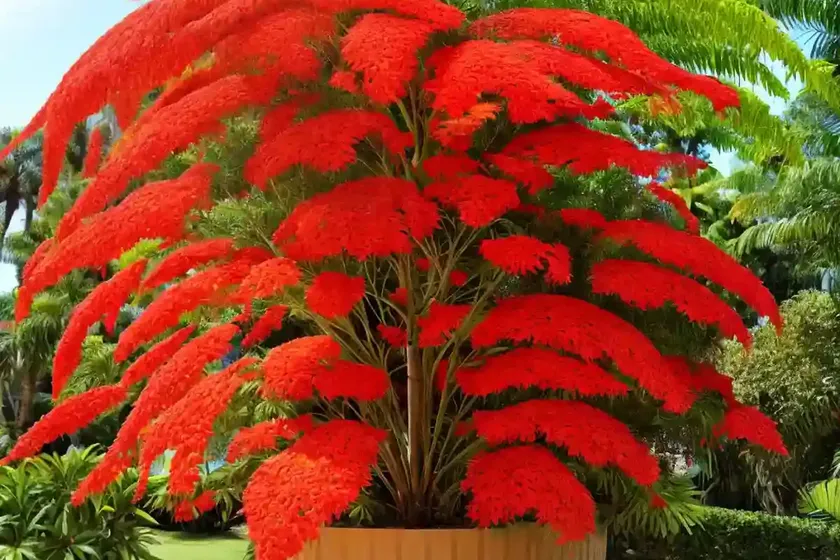
The Dwarf Poinciana, Caesalpinia Pulcherrima, is a species of flowering plant in the pea family, Fabaceae, native to the tropical and subtropical regions of the Americas. It features striking clusters of vibrant red, orange, and yellow flowers, which give it an alluring and exotic appearance. This perennial shrub exhibits fern-like leaves and typically reaches a height of 3 to 10 feet, with a spread of 3 to 5 feet.
Key Takeaways – Dwarf Poinciana (Caesalpinia Pulcherrima)
Before we dive into the intricacies of caring for the Dwarf Poinciana, let’s set the stage with some key takeaways about this captivating plant:
- Scientific Name: Caesalpinia Pulcherrima
- Common Names: Dwarf Poinciana, Pride of Barbados, Red Bird of Paradise, Peacock Flower
- Family: Fabaceae
- Native Habitat: Tropical and subtropical regions of the Americas
- Characteristic Feature: Clusters of vibrant red, orange, and yellow flowers
- Growth Habit: Perennial shrub with fern-like leaves, reaching a height of 3 to 10 feet and a spread of 3 to 5 feet
Culture
The cultural requirements of the Dwarf Poinciana play a crucial role in its overall health and vitality. By understanding and providing the optimal cultural conditions, you can ensure that your plant thrives and graces your garden with its stunning display of colors.
Uses
The Dwarf Poinciana serves various purposes, making it a versatile and multifaceted addition to any garden or landscape. Its primary uses include:
- Ornamental Display: The vibrant and eye-catching flowers make the Dwarf Poinciana a sought-after choice for ornamental plantings in gardens, parks, and public spaces.
- Attracting Wildlife: The nectar-rich flowers of the Dwarf Poinciana attract butterflies, bees, and hummingbirds, adding a lively and dynamic element to the garden.
- Privacy Screening: When planted in strategic locations, the dense foliage of the Dwarf Poinciana can provide effective screening and privacy in outdoor spaces.
- Medicinal Uses: In traditional medicine, parts of the Dwarf Poinciana plant are used for their purported medicinal properties, although it is essential to exercise caution and seek professional advice before utilizing any plant for medicinal purposes.
- Erosion Control: The extensive root system of the Dwarf Poinciana helps in stabilizing soil, making it suitable for erosion control in certain landscaping scenarios.
Water
The water requirements of the Dwarf Poinciana are an essential aspect of its care regimen. Providing appropriate moisture levels is crucial for maintaining the plant’s health and ensuring robust growth and flowering.
Watering Guidelines
To support the optimal growth and blooming of your Dwarf Poinciana, follow these watering guidelines:
- Established Plants: Once established, the Dwarf Poinciana is relatively drought-tolerant and can thrive in well-drained soils with moderate water availability.
- Newly Planted Specimens: Newly planted Dwarf Poinciana specimens require more frequent watering to aid in the establishment of their root systems. Provide consistent moisture during the initial phase of growth, but avoid overwatering to prevent waterlogged conditions.
- Signs of Water Stress: Keep an eye on the plant for signs of water stress, such as wilting or yellowing foliage. Adjust your watering frequency based on the plant’s response to ensure it remains healthy and vigorous.
Sunlight
Sunlight plays a pivotal role in the growth, flowering, and overall performance of the Dwarf Poinciana. As a sun-loving plant, it thrives when provided with ample sunlight and warmth.
Sun Exposure Needs
To cater to the Dwarf Poinciana’s sunlight requirements, consider the following guidelines:
- Full Sun: For optimal growth and blooming, position the Dwarf Poinciana in a location that receives full sun, characterized by at least 6 to 8 hours of direct sunlight per day.
- Sheltered Environments: In cooler or windy climates, ensure that the plant is positioned in a sheltered area to protect it from adverse environmental conditions and promote healthy growth.
- Indoor Cultivation: While the Dwarf Poinciana is primarily cultivated outdoors, it can also be grown indoors in containers, provided it receives sufficient sunlight through a sunny window or supplemental grow lights.
As you plan the placement of your Dwarf Poinciana, prioritize locations that offer abundant sunlight, as this will contribute to the plant’s resilience and prolific flowering.
Fertilizer
Supplemental fertilization can bolster the growth and blooming performance of the Dwarf Poinciana, especially in nutrient-deficient soils or container settings. By providing balanced and appropriate fertilization, you can enhance the plant’s vigor and flower production.
Fertilization Practices
Follow these fertilizer application practices to nourish your Dwarf Poinciana:
- Balanced Fertilizer: Apply a balanced, slow-release fertilizer formulated for flowering shrubs and trees during the growing season to provide essential nutrients without inducing excessive vegetative growth.
- Frequency: Fertilize the plant in early spring as new growth emerges, and then again in mid-summer to support the development of flower buds and sustained blooming.
- Avoid Excess Nitrogen: Refrain from using high-nitrogen fertilizers, as they may promote lush foliage growth at the expense of flowering, compromising the overall aesthetic appeal of the plant.
Soil
The quality and composition of the soil play a significant role in the Dwarf Poinciana’s overall health and vitality. By understanding the soil preferences and addressing potential limitations, you can create an environment conducive to the plant’s prosperity.
Soil pH Preferences
The Dwarf Poinciana thrives in well-drained soils with slightly acidic to neutral pH levels. Aim for a soil pH in the range of 6.0 to 7.0 to create an ideal growing medium for the plant. Conduct a soil test to assess the existing pH and make necessary adjustments using suitable amendments if your soil deviates significantly from the preferred range.
Soil Composition
When planting or transplanting the Dwarf Poinciana, prioritize well-drained soils with good aeration and fertility. Consider the following soil composition guidelines:
- Loamy or Sandy Loam Soil: These soil types offer optimal drainage while retaining adequate moisture for the plant’s needs. If your soil is heavy or clay-based, incorporate organic matter, such as compost or well-rotted manure, to improve its structure and drainage.
- Avoid Waterlogged Soils: Ensure that the planting site does not experience waterlogging, as this can lead to root rot and other detrimental issues for the Dwarf Poinciana.
Pruning
Pruning is an essential aspect of maintaining the health, structure, and aesthetics of the Dwarf Poinciana. By adopting proper pruning techniques, you can encourage a desirable growth form and maximize the plant’s flowering potential.
Pruning Techniques
When pruning the Dwarf Poinciana, focus on the following techniques to achieve the best results:
- Regular Maintenance Pruning: Conduct regular maintenance pruning to remove any dead, damaged, or diseased branches and promote a tidy and well-structured appearance for the plant.
- Shape Control: Adjust the plant’s form and shape through selective pruning to enhance its aesthetic appeal and ensure it harmonizes with its surroundings.
- Post-Flowering Pruning: After the flowering season, consider light pruning to remove spent flowers and encourage the development of new growth and potential reblooming.
In addition to these pruning techniques, pay attention to the timing of your pruning activities, as well-pruned specimens are more likely to exhibit vigorous growth and abundant flowering.
Propagation
The propagation of the Dwarf Poinciana allows you to expand your plant collection or share this enchanting species with fellow gardening enthusiasts. By utilizing suitable propagation methods, you can foster new plants with the same captivating traits as the parent specimen.
Propagation Methods
Explore the following propagation techniques to propagate the Dwarf Poinciana successfully:
- Seed Propagation: Collect seeds from mature seedpods and sow them in well-drained potting mix. Provide warmth and consistent moisture to encourage germination and the initial growth of seedlings.
- Softwood Cuttings: Take softwood cuttings from the actively growing tips of the plant during the warmer months. Prepare the cuttings, treat them with a rooting hormone, and place them in a suitable propagation medium to root and establish new plants.
- Division: Divide mature clumps of the Dwarf Poinciana to create new individual plants. This method can be particularly useful for rejuvenating overgrown specimens or expanding your garden display with additional plants.
By employing these propagation methods with care and attention to detail, you can propagate the Dwarf Poinciana with confidence and watch new generations of this remarkable plant come to life.
Container Popularity
The Dwarf Poinciana’s suitability for container cultivation broadens its appeal and accessibility to gardening enthusiasts with limited outdoor space or specific aesthetic preferences. By selecting the right container and providing appropriate care, you can enjoy the beauty of this plant in a containerized setting.
Container Selection
When choosing a container for the Dwarf Poinciana, consider the following factors:
- Size and Depth: Select a container that provides ample room for the plant’s root system to spread and develop. A depth of at least 12 to 18 inches is advisable to accommodate the plant’s growth requirements.
- Drainage Holes: Ensure that the container has adequate drainage holes to prevent waterlogging and maintain favorable soil moisture levels.
- Material: Opt for durable and weather-resistant materials, such as terracotta, fiberglass, or high-quality plastic, for long-term container performance.
Container Care Guidelines
Implement the following care guidelines to support the healthy growth of the Dwarf Poinciana in a containerized environment:
- Watering: Monitor the soil moisture regularly and water the plant as needed, ensuring that excess water can freely drain from the container.
- Fertilization: Apply a balanced, slow-release fertilizer as per the recommended schedule to provide essential nutrients for the plant’s well-being.
- Sunlight: Position the container in a location that receives adequate sunlight, ensuring that the plant can thrive and bloom optimally.
By incorporating these container care guidelines into your gardening routine, you can create a captivating display of the Dwarf Poinciana in a container setting.
Common Diseases
While the Dwarf Poinciana is generally resilient, it is susceptible to certain diseases that can impact its growth and flowering performance. By recognizing common diseases and understanding their prevention and management, you can safeguard your plant from potential health threats.
Disease Diagnosis
Stay vigilant for signs of the following common diseases that may affect the Dwarf Poinciana:
- Powdery Mildew: This fungal disease presents as a powdery white coating on the leaves, stems, and flowers, leading to a decline in overall plant health and aesthetics.
- Leaf Spot Diseases: Various fungal pathogens can cause leaf spot diseases, manifesting as dark or discolored spots on the leaves and potentially leading to defoliation in severe cases.
- Root Rot: Excessive moisture or poorly draining soils can lead to root rot, characterized by decaying and rotting roots, wilting foliage, and overall decline in the plant’s vitality.
Disease Prevention and Management
To prevent and manage common diseases effectively, adopt the following strategies:
- Cultural Practices: Promote good air circulation, maintain cleanliness in the garden, and avoid excessive moisture around the plant to mitigate disease development.
- Fungicidal Treatments: In cases of severe or recurring fungal diseases, consider applying appropriate fungicidal treatments as per the product’s instructions to control the spread of the disease.
- Prompt Intervention: Upon noticing signs of disease, promptly remove and dispose of affected plant parts to prevent the spread of pathogens and minimize the impact on the plant’s overall health.
Common Pests
In addition to diseases, the Dwarf Poinciana may encounter certain pests that can compromise its well-being if not addressed promptly. Recognizing common pests and implementing suitable pest management measures are crucial for preserving the plant’s vitality.
Common Pests
Keep an eye out for the following common pests that may target the Dwarf Poinciana:
- Aphids: These small, sap-sucking insects can infest the plant, causing distorted growth, yellowing leaves, and sticky honeydew residue on the foliage.
- Whiteflies: Whiteflies can congregate on the undersides of the leaves, feeding on plant sap and potentially transmitting viral diseases.
- Caterpillars: Certain caterpillar species may feed on the foliage of the Dwarf Poinciana, leading to visible damage and defoliation if their populations are left unchecked.
Pest Management Strategies
Employ the following strategies to manage and mitigate pest infestations effectively:
- Natural Predators: Encourage the presence of natural predators, such as ladybugs, lacewings, and predatory wasps, to help control aphid and whitefly populations in the garden.
- Horticultural Oils and Soaps: Utilize horticultural oils and insecticidal soaps to target and manage soft-bodied pests like aphids and whiteflies while minimizing impacts on beneficial insects.
- Handpick and Monitor: Regularly inspect the plant for pests and handpick larger individuals, or employ physical exclusion methods, such as using row covers, to prevent pest access.
Botanist’s Tips
As a final touch, let’s explore some insightful tips from botanists and experienced gardeners for cultivating and enjoying the Dwarf Poinciana to its fullest potential:
- Seasonal Care: Tailor your care practices to accommodate seasonal variations, adjusting watering, fertilization, and protection measures based on the prevailing conditions.
- Overwintering: In regions with cooler climates, consider overwintering container-grown Dwarf Poinciana indoors to protect it from frost and extreme cold.
- Companion Planting: Pair the Dwarf Poinciana with complementary companion plants that enhance the visual appeal of the garden and provide mutual benefits, such as attracting pollinators and beneficial insects.
Fun Facts
To deepen your appreciation for the Dwarf Poinciana, here are some captivating and fun facts about this remarkable plant:
- Cultural Significance: The Dwarf Poinciana holds cultural significance in several countries and regions, often being featured in traditional festivities and events as a symbol of beauty and vibrancy.
- Color Variations: While the classic red, orange, and yellow blooms are iconic, cultivated varieties of the Dwarf Poinciana may exhibit diverse color variations, including pink, coral, and bicolor combinations.
- Wildlife Habitat: Beyond its visual allure, the Dwarf Poinciana’s nectar-rich flowers and foliage offer valuable resources for a range of wildlife, supporting biodiversity and ecological balance in the surrounding environment.
Links to External Resources
To further enrich your knowledge and exploration of the Dwarf Poinciana, consider accessing the following external resources for valuable insights and information:
Websites
- Royal Horticultural Society – Dwarf Poinciana Plant Profile
- University of Florida IFAS Extension – Pride of Barbados
- Missouri Botanical Garden – Caesalpinia Pulcherrima
Publications
- “Tropical Flowering Plants” by Kirsten Llamas
- “The Gardener’s Guide to Growing Pride of Barbados” by Eric Heirman
Conclusion
The Dwarf Poinciana, Caesalpinia Pulcherrima, embodies a captivating blend of visual splendor, cultural significance, and ecological value, making it a cherished addition to gardens and landscapes worldwide. By embracing the insights and guidelines detailed in this comprehensive guide, you can embark on a fulfilling journey of cultivating, caring for, and reveling in the beauty of the Dwarf Poinciana. Whether it graces your garden as a perennial centerpiece or enhances your outdoor spaces as a container specimen, the Dwarf Poinciana is sure to captivate and inspire with its radiant flowers and enchanting presence.
References:
- “Tropical Flowering Plants” by Kirsten Llamas
- “The Gardener’s Guide to Growing Pride of Barbados” by Eric Heirman
- Royal Horticultural Society – Dwarf Poinciana Plant Profile. (n.d.). Retrieved from https://www.rhs.org.uk
- University of Florida IFAS Extension – Pride of Barbados. (n.d.). Retrieved from https://edis.ifas.ufl.edu
- Missouri Botanical Garden – Caesalpinia Pulcherrima. (n.d.). Retrieved from http://www.missouribotanicalgarden.org