Missouri Gooseberry (Ribes missouriense)
Missouri gooseberry, scientifically known as Ribes missouriense, is a native plant species of the Midwest region of the United States. It is part of the Grossulariaceae family and is valued for its ecological importance, attractive blooms, and edible berries. In this comprehensive guide, we will explore the characteristics, cultivation, and various uses of the Missouri gooseberry plant, also known as the Missouri gooseberry shrub.
What is the Missouri Gooseberry (Ribes missouriense)?
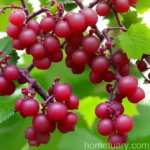
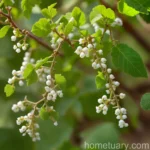
Missouri gooseberry, or Ribes missouriense, is a deciduous shrub that is typically found in the central and eastern parts of the United States. It is a thorny shrub that can grow up to 3-6 feet in height and is known for its delicate, white to pale pink, drooping flowers and tart, green to red berries. The plant is a crucial component of native ecosystems, providing food and habitat for wildlife, particularly birds and pollinators.
Key Takeaways – Missouri Gooseberry (Ribes missouriense)
Below are the key takeaways about the Missouri gooseberry:
- Scientific Name: Ribes missouriense
- Common Name: Missouri gooseberry
- Type: Deciduous shrub
- Bloom Color: White to pale pink
- Fruit Color: Green to red
- Growth Height: 3-6 feet
- Family: Grossulariaceae
- Native Range: Midwest, United States
- Ecological Importance: Wildlife habitat, native plant conservation
Culture
To effectively cultivate Missouri gooseberry and ensure its optimal growth and productivity, it is crucial to consider several cultural aspects, including water requirements, sunlight exposure, soil composition, and fertilization.
Uses
Missouri gooseberry has several valuable uses, including landscaping, habitat restoration, and providing edible berries for wildlife and humans.
Water
Missouri gooseberry plants prefer consistently moist soil but are also adaptable to periods of dryness. It is important to water young plants regularly to establish strong root systems. Mature plants typically exhibit good drought tolerance but may benefit from occasional watering during prolonged dry periods.
Sunlight
When considering the planting location for Missouri gooseberry, it is essential to prioritize a site that receives partial to full sunlight exposure. While the plant can tolerate partial shade, it thrives and produces better fruits when exposed to more sunlight.
Fertilizer
Applying a balanced fertilizer in early spring can support the growth and fruit production of Missouri gooseberry plants. The recommended fertilizer should have a balanced ratio of nitrogen, phosphorus, and potassium.
Soil
Missouri gooseberry thrives in well-draining, loamy soils with a slightly acidic to neutral pH. Amending the soil with organic matter, such as compost, can enhance its fertility and structure, promoting healthy growth.
Pruning
Pruning is beneficial in maintaining the shape and health of Missouri gooseberry plants. Regular pruning should be performed during the dormant season to remove dead or damaged branches and to encourage new growth.
Propagation
The propagation of Missouri gooseberry can be achieved through several methods, including seeds, cuttings, and division. Each method has its own set of advantages and challenges.
Container Popularity
Missouri gooseberry plants can also thrive in containers, making them a versatile option for gardeners with limited space or those interested in patio gardening. Container-grown plants require appropriate potting mix and regular watering and fertilization.
Container Common Diseases
Despite the advantages of container gardening, it is important to be mindful of potential diseases that may affect Missouri gooseberry plants, such as root rot and powdery mildew.
Disease Diagnosis
Diagnosing diseases in Missouri gooseberry plants involves identifying common symptoms such as leaf discoloration, wilting, and abnormal growth patterns. Timely intervention through appropriate disease management strategies is crucial to safeguard plant health.
Common Pests
Missouri gooseberry plants are susceptible to certain pests, including aphids and spider mites, which can affect plant vigor and fruit production. Implementing pest control measures in a timely manner can help prevent significant pest-related damage.
Botanist’s Tips
As a plant scientist, it is essential to provide valuable tips for cultivating and caring for Missouri gooseberry plants. These tips encompass various aspects of plant care, disease prevention, and sustainable landscaping practices.
Fun Facts
In addition to the practical aspects of plant cultivation, it is fascinating to explore the unique and captivating aspects of Missouri gooseberry, including its ecological significance and historical uses.
Links to External Resources
To further enrich the understanding and appreciation of Missouri gooseberry, the following links provide valuable resources and information:
- Missouri Plants – Ribes missouriense
- United States Department of Agriculture – Plants Database
- Missouri Botanical Garden – Ribes missouriense
- USDA Natural Resources Conservation Service – Missouri Gooseberry
In conclusion, the Missouri gooseberry (Ribes missouriense) represents a valuable native plant species with far-reaching ecological, aesthetic, and practical significance. By understanding its unique characteristics, optimal cultivation practices, and diverse uses, individuals can actively contribute to the conservation and appreciation of this remarkable plant.
By providing comprehensive insights into the cultivation and care of Missouri gooseberry, this guide aims to empower individuals to foster sustainable and thriving populations of this native shrub, thereby promoting biodiversity and enhancing ecological resilience. Through dedicated attention to its cultural requirements, propagation methods, and pest and disease management, Missouri gooseberry can continue to thrive and contribute to the rich tapestry of native flora in the Midwest region and beyond.