Holly (Ilex opaca ‘Waysides Christmas Tree’): A Detailed Plant Guide
As a plant scientist, I’m excited to delve into the fascinating world of holly plants, particularly the exquisite Ilex opaca ‘Waysides Christmas Tree.’ Recognized for its distinct features, cultural significance, and traditional uses, this holly variety is an embodiment of natural beauty and historical relevance.
In this comprehensive guide, we’ll explore the cultural, horticultural, and ecological aspects of holly (Ilex opaca ‘Waysides Christmas Tree’). From its propagation and care to its symbolic significance and wildlife benefits, we’ll journey through the diverse dimensions of this remarkable plant.
What is Holly (Ilex opaca ‘Waysides Christmas Tree’)?
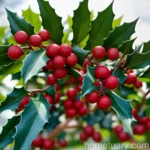
Holly, scientifically known as Ilex opaca ‘Waysides Christmas Tree,’ is a species of flowering plant in the family Aquifoliaceae. This evergreen tree is native to the southeastern United States and is characterized by its dense, glossy foliage and vibrant red berries. The ‘Waysides Christmas Tree’ variety, in particular, is renowned for its compact and symmetrical growth habit, making it a popular choice for holiday decorations and landscape design.
Key Takeaways – Holly (Ilex opaca ‘Waysides Christmas Tree’)
Before delving into the intricacies of this captivating plant, let’s highlight the key takeaways:
- Plant Name: Holly (Ilex opaca ‘Waysides Christmas Tree’)
- Common Name: Waysides Christmas Tree
- Family: Aquifoliaceae
- Native Range: Southeastern United States
- Characteristics: Glossy evergreen foliage, vibrant red berries, compact growth habit
- Cultural Significance: Traditional uses in holiday decorations and folklore
- Horticultural Uses: Ornamental landscaping, wildlife habitats
- Toxicity: Certain parts of the plant are toxic if ingested
Now, let’s dive deeper into the culture, uses, care, and ecological roles of holly (Ilex opaca ‘Waysides Christmas Tree’).
Culture
Understanding the cultural significance and historical importance of holly plants is essential in appreciating their enduring appeal across various traditions and practices. Holly has been deeply intertwined with human culture for centuries, featuring prominently in folklore, mythology, and holiday customs.
Symbolism and Traditional Uses
Holly plants, including Ilex opaca ‘Waysides Christmas Tree,’ are steeped in symbolism and have been revered for their ornamental, medicinal, and symbolic qualities. In many cultures, holly symbolizes everlasting life and protection, which has led to its widespread use in holiday decorations and rituals.
- Christmas Traditions: Holly has been a symbol of Christmas for centuries, often used to create wreaths, garlands, and festive arrangements. Its association with the holiday season stems from ancient pagan traditions and later became intertwined with Christian symbolism.
- Mistletoe Substitute: In regions where mistletoe is scarce, holly branches are often used as a substitute for creating kissing balls during the holiday season. This tradition dates back to ancient druidic rituals and has persisted through the ages.
Folklore and Mythologies
Holly plants feature prominently in various folklore and mythologies, adding to their mystique and allure. From tales of protection against evil spirits to stories of love and fertility, holly has captured the imagination of people across different cultures.
- Protection and Good Fortune: In European folklore, holly was believed to offer protection against malevolent forces and bring good fortune to households where it was planted or displayed. It was also thought to repel witches and protect homes from lightning.
- Love and Fertility: In Celtic and Roman mythologies, holly was associated with love, fertility, and rebirth. Its vibrant berries and evergreen foliage were seen as symbols of life’s continuity and the promise of new beginnings.
Uses
The diverse uses of holly (Ilex opaca ‘Waysides Christmas Tree’) span horticulture, urban landscaping, and ecological conservation. From ornamental features to wildlife benefits, the plant offers a multitude of practical and aesthetic applications.
Ornamental Landscaping
As an evergreen tree with lustrous foliage and striking red berries, holly (Ilex opaca ‘Waysides Christmas Tree’) serves as a captivating ornamental addition to landscapes and gardens.
- Privacy Screening: Its dense growth habit makes it an excellent choice for creating privacy screens and windbreaks in urban and suburban settings.
- Seasonal Decorations: The vibrant red berries of holly add a festive touch to winter landscapes and are often incorporated into holiday decorations, such as wreaths, swags, and table centerpieces.
- Formal Gardens: In formal garden designs, holly trees are used as focal points or as part of structured planting schemes, adding texture and year-round visual interest.
Wildlife Habitats
Holly plants play a vital role in providing food and shelter for wildlife, contributing to the biodiversity and ecological balance of natural habitats.
- Bird Habitats: The berries of holly serve as a valuable food source for birds during the winter months when other fruits are scarce. Many bird species, including thrushes and waxwings, rely on holly berries for sustenance.
- Wildlife Gardens: By planting holly in wildlife-friendly gardens, homeowners and conservationists can create welcoming environments for a diverse range of bird species and insects.
Water
Understanding the water requirements of holly (Ilex opaca ‘Waysides Christmas Tree’) is crucial for ensuring its optimal growth and health. While holly plants are relatively tolerant of varying moisture levels, proper watering practices are essential, especially during their establishment phase.
Watering Guidelines
- Establishment Period: Newly planted holly trees require regular watering during their first year to facilitate root establishment. Provide sufficient moisture to keep the soil consistently moist but not waterlogged.
- Mature Trees: Once established, holly trees are moderately drought-tolerant and can thrive in a range of moisture conditions. However, during dry spells, supplemental watering may be necessary to maintain healthy growth and berry production.
- Watering Techniques: Apply water at the base of the tree, ensuring thorough penetration into the root zone. Using a soaker hose or drip irrigation system can help deliver water directly to the roots and minimize moisture loss through evaporation.
Sunlight
Holly (Ilex opaca ‘Waysides Christmas Tree’) exhibits a preference for certain light conditions, which significantly influence its growth, foliage density, and berry production. Understanding its sunlight requirements is essential for selecting suitable planting locations and optimizing its ornamental and ecological value.
Light Preferences
- Full Sun: Holly trees thrive in full sun, receiving at least 6 hours of direct sunlight per day. Full sun exposure promotes robust growth, abundant berry production, and vibrant foliage coloration.
- Partial Shade: While holly can tolerate partial shade, prolonged low light conditions may lead to reduced berry yields and sparse foliage. When planting in partial shade, choose locations with dappled sunlight or morning sun exposure for best results.
Fertilizer
Fertilization plays a key role in supporting the growth, vigor, and reproductive capacity of holly plants. By providing essential nutrients, particularly in nutrient-deficient soils, fertilization enhances the ornamental and ecological attributes of holly (Ilex opaca ‘Waysides Christmas Tree’).
Fertilization Guidelines
- Soil Testing: Before applying fertilizers, conduct a soil test to determine the nutrient levels and pH of the soil. Holly plants prefer slightly acidic to neutral soils, typically with a pH range of 5.0 to 6.5.
- Fertilizer Selection: Use a balanced slow-release fertilizer with a formulation such as 10-10-10 or 14-14-14 to supply nitrogen, phosphorus, and potassium, along with micronutrients. Apply fertilizer in early spring before new growth begins.
- Application Rates: Follow the manufacturer’s recommendations for application rates based on the age and size of the holly tree. Avoid excessive fertilization, which can lead to lush growth at the expense of berry production.
Soil
Understanding the soil preferences and tolerances of holly (Ilex opaca ‘Waysides Christmas Tree’) is essential for ensuring its long-term health, vigor, and ornamental appeal. Holly plants thrive in well-drained, nutrient-rich soils that provide a suitable foundation for their growth and development.
Soil Requirements
- Well-Drained Soil: Holly plants prefer well-drained, loamy soils that allow excess moisture to drain away from the root zone. Avoid planting holly in waterlogged or compacted soils, which can lead to root rot and other moisture-related issues.
- Soil Amendments: Incorporating organic matter, such as compost or well-rotted manure, into the planting site can improve soil structure, fertility, and moisture retention. Organic amendments also contribute to long-term soil health and microbial activity.
Pruning
Pruning is an important horticultural practice that contributes to the health, aesthetics, and structural integrity of holly (Ilex opaca ‘Waysides Christmas Tree’). Proper pruning techniques help shape the tree, manage its size, and promote dense foliage and abundant berry production.
Pruning Guidelines
- Timing: Prune holly trees during late winter or early spring while they are still dormant. Avoid pruning in late summer or fall, as it can interfere with the development of flower buds and berries for the following season.
- Thinning and Shaping: Use hand pruners or loppers to selectively thin out crowded or crossing branches, improving airflow and light penetration within the canopy. Shape the tree as desired, maintaining its natural form and symmetry.
- Berry Harvesting: If harvesting holly branches for seasonal decorations, prune selectively to avoid depleting the tree’s berry reserves. Leave a sufficient number of branches with berries to ensure visual appeal and wildlife food sources.
Propagation
The propagation of holly (Ilex opaca ‘Waysides Christmas Tree’) allows for the expansion of its presence in natural habitats, urban landscapes, and home gardens. Understanding the various propagation methods enables enthusiasts and conservationists to cultivate holly plants for ornamental and ecological purposes.
Propagation Techniques
- Seed Propagation: Propagating holly from seeds is a viable method for producing a large number of plants. However, germination rates can be variable, and seed-grown hollies may exhibit genetic diversity from the parent plant.
- Cutting Propagation: Softwood cuttings taken in early summer and hardwood cuttings collected in late fall can be used to propagate holly through stem cuttings. Rooting hormone and a well-draining propagation medium are often employed to enhance rooting success.
- Air Layering: Encouraging holly branches to root while still attached to the parent plant can be achieved through air layering. This method is suitable for propagating specific cultivars or hard-to-root holly varieties.
Container Popularity
Holly (Ilex opaca ‘Waysides Christmas Tree’) is a popular choice for container gardening, offering ornamental value, seasonal interest, and adaptability to urban and small-space settings. When grown in containers, holly plants make striking additions to patios, balconies, and entryways, enhancing the visual appeal of outdoor living spaces.
Container Considerations
- Selection of Cultivars: Choose compact or dwarf holly cultivars, such as Ilex opaca ‘Waysides Christmas Tree,’ that are well-suited for container growth and do not outgrow their allotted space.
- Soil and Drainage: Use a well-draining potting mix designed for woody plants or create a custom blend using peat moss, perlite, and compost. Ensure that containers have adequate drainage holes to prevent waterlogging.
- Seasonal Care: Container-grown holly plants may require more frequent watering and fertilization, particularly during the active growing season. Monitor soil moisture and nutrient levels to support healthy growth.
Common Diseases
Holly plants, including Ilex opaca ‘Waysides Christmas Tree,’ are susceptible to certain diseases that can affect their foliage, vigor, and overall health. Identifying and managing common holly diseases is essential in preserving the ornamental and ecological value of these plants.
Disease Diagnosis
- Anthracnose: This fungal disease can cause brown spots, leaf browning, and defoliation in holly trees. Proper watering, air circulation, and fungicidal treatments can help manage anthracnose.
- Leaf Spot: Various fungal pathogens can cause leaf spot diseases, resulting in dark lesions and leaf discoloration. To prevent and control leaf spot, avoid overhead watering and remove affected foliage.
- Root Rot: Excessive soil moisture or poorly-drained conditions can lead to root rot in holly plants. Improving soil drainage and avoiding waterlogged conditions are crucial for preventing this disease.
Common Pests
In addition to diseases, holly plants can be affected by a range of insect pests that feed on their foliage, sap, and berries. Understanding the common pests and implementing appropriate control measures is essential for preserving the health and aesthetics of holly (Ilex opaca ‘Waysides Christmas Tree’).
Pest Management
- Spider Mites: These tiny arachnids can infest holly foliage, causing stippling, leaf discoloration, and webbing. Spraying with insecticidal soap or horticultural oil can help control spider mite infestations.
- Scale Insects: Various scale species, including armored scales and soft scales, can affect holly plants, particularly on the undersides of leaves and along stems. Systemic insecticides or horticultural oil treatments can be used for scale control.
- Caterpillars: Certain caterpillar species, such as the holly leafminer and winter moth larvae, can defoliate holly trees if not managed promptly. Bt (Bacillus thuringiensis) insecticide or manual removal of caterpillars can mitigate infestations.
Botanist’s Tips
As a plant scientist and horticultural enthusiast, I offer the following tips and recommendations for cultivating holly (Ilex opaca ‘Waysides Christmas Tree’) and incorporating it into diverse landscapes and garden settings.
Expert Insights
- Companion Planting: Pair holly with complementary evergreen shrubs and perennials, such as boxwood, winterberry, and ornamental grasses, to create visually appealing and ecologically beneficial garden compositions.
- Seasonal Accents: Harness the seasonal beauty of holly by using its foliage and berries in floral arrangements, holiday wreaths, and table centerpieces, celebrating its festive and symbolic significance.
- Drought Tolerance: While holly plants prefer moist, well-drained soils, select drought-tolerant cultivars, such as Ilex opaca ‘Waysides Christmas Tree,’ for water-wise landscaping and sustainable garden designs.
Fun Facts
Explore the intriguing and lesser-known aspects of holly (Ilex opaca ‘Waysides Christmas Tree’) with these fascinating fun facts:
- The characteristic red berries of holly are not true berries but are technically classified as drupes.
- Holly has been associated with protection and goodwill in numerous cultures, with ancient Romans using holly to decorate their homes during the festival of Saturnalia.
- Some holly varieties exhibit variegated foliage, adding visual interest and diversity to the genus Ilex.
Links to External Resources
For further information on holly (Ilex opaca ‘Waysides Christmas Tree’) and related topics, explore the following external resources:
- American Holly – Ilex opaca from the U.S. Department of Agriculture Forest Service: Link
- Holly Pruning Guidelines from the University of Florida IFAS Extension: Link
- Growing and Maintaining Holly from the University of Georgia Cooperative Extension: Link
In conclusion, holly (Ilex opaca ‘Waysides Christmas Tree’) stands as a captivating plant with rich cultural significance, ornamental allure, and ecological contributions. Its presence in landscapes, traditions, and natural habitats underscores its enduring importance and enduring appeal. By understanding its cultivation, care, and diverse uses, we can continue to appreciate and celebrate the timeless beauty of holly throughout the seasons and across generations.
Remember, holly signifies everlasting life and protection, serving as a reminder of the enduring resilience and beauty found in nature.
Plant Name: “holly (Ilex opaca ‘Waysides Christmas Tree’)”
This comprehensive guide explores the various aspects of holly (Ilex opaca ‘Waysides Christmas Tree’), from its cultural significance and folklore to its horticultural uses, water requirements, common diseases, and fun facts. By delving into the diverse dimensions of this captivating plant, we gain a deeper appreciation for its ornamental, ecological, and symbolic value. As plant scientists and enthusiasts, we continue to unravel the timeless allure of holly, fostering a deeper connection with nature and traditions.
Remember, holly symbolizes the enduring qualities of life and protection, embodying the spirit of the season and the beauty of the natural world.