Rat’s Tail Cactus (Aporocactus Flagelliformis)
As a plant scientist with a passion for succulents, I find the Rat’s Tail Cactus (Aporocactus flagelliformis) to be an intriguing and unique addition to.
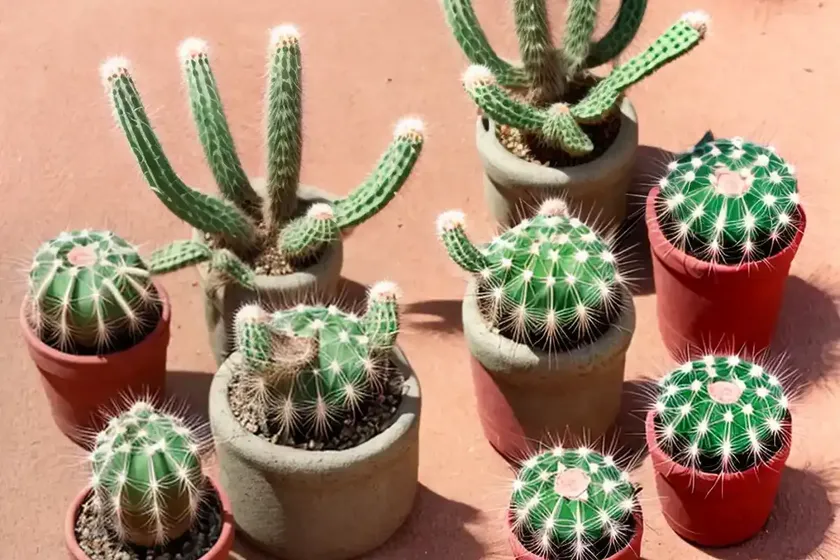
As a plant scientist with a passion for succulents, I find the Rat’s Tail Cactus (Aporocactus flagelliformis) to be an intriguing and unique addition to any plant collection. Its trailing, vine-like stems and showy blooms make it a delightful plant to grow and care for. In this comprehensive guide, we will explore the key aspects of Rat’s Tail Cactus care, from its cultural significance and uses to its water, sunlight, and fertilizer requirements, all the way to propagation, pruning, common diseases, and more. Whether you’re a seasoned succulent enthusiast or a novice plant parent, this article aims to provide you with the knowledge and tips you need to cultivate a healthy and thriving Rat’s Tail Cactus.
What is Rat’s Tail Cactus (Aporocactus flagelliformis)?
Rat’s Tail Cactus, scientifically known as Aporocactus flagelliformis, is a unique succulent with long, slender, hanging stems that resemble the tail of a rat, hence its distinctive name. Belonging to the Cactaceae family, this plant is native to Mexico and parts of Central America. It is often cultivated as an ornamental plant due to its attractive appearance and beautiful, tubular, pink to red flowers that bloom in the spring.
The Rat’s Tail Cactus is an epiphytic plant, meaning it naturally grows on other plants, typically in tropical and subtropical climates. In its natural habitat, it thrives by attaching itself to trees or rocks, using its aerial roots for support and obtaining nutrients from decaying organic matter and debris. When cultivated as a houseplant, it requires similar growing conditions to mimic its native environment.
Key Takeaways – Rat’s Tail Cactus (Aporocactus flagelliformis)
Before delving into the detailed care requirements for Rat’s Tail Cactus, let’s summarize the key takeaways that will be covered in this guide:
- Culture and Uses
- Water
- Sunlight
- Fertilizer
- Soil
- Pruning
- Propagation
- Container Popularity
- Common Diseases
- Disease Diagnosis
- Common Pests
- Botanist’s Tips
- Fun Facts
- Links to External Resources
With these key points in mind, let’s explore the various facets of Rat’s Tail Cactus care in detail.
Culture and Uses
Cultural Significance
Rat’s Tail Cactus has garnered attention and popularity in the world of gardening and indoor plant decor due to its unique growth habit and striking flowers. Its cascading stems make it an ideal choice for hanging baskets, where its trailing growth can be showcased to full effect. Additionally, its ability to thrive in a variety of indoor conditions makes it a versatile and low-maintenance plant for homes and offices.
Ornamental Uses
The ornamental value of Rat’s Tail Cactus lies in its cascading growth habit and showy, tubular flowers. When in bloom, the plant becomes adorned with vibrant pink to red blossoms, adding a pop of color to any indoor or outdoor space. Its graceful, trailing stems make it an excellent choice for vertical gardens, where it can contribute to a lush, green backdrop with occasional bursts of floral display.
Water
Water Requirements
Rat’s Tail Cactus is a succulent plant with water-storing abilities, making it well-adapted to withstand periods of drought. When it comes to watering, it is crucial to maintain a balance that prevents both underwatering and overwatering. As a general rule, allow the soil to dry out between watering sessions, and then water the plant thoroughly. During the growing season, which typically spans from spring to fall, the frequency of watering can increase, but it is essential to monitor the moisture levels in the soil to prevent waterlogged conditions.
Water Propagation
One interesting aspect of Rat’s Tail Cactus care is its ability to propagate from stem cuttings in water. This method involves taking a healthy stem cutting from the parent plant and placing it in a container of water until roots develop. Once roots have formed, the cutting can be potted in well-draining soil to establish a new plant. Water propagation can be an effective way to expand your Rat’s Tail Cactus collection and share plants with fellow enthusiasts.
Sunlight
Light Conditions
In terms of sunlight requirements, Rat’s Tail Cactus thrives in bright, indirect light. When grown indoors, it benefits from being placed near a window where it can receive ample natural light without being exposed to direct sunlight, which can cause sunburn on the delicate stems. Outdoors, it can be grown in partial shade, especially in regions with intense sun exposure. Providing the right balance of light is crucial for the healthy growth and flowering of the plant.
Sun Exposure
While the plant requires adequate light for photosynthesis and overall growth, it is important to protect it from prolonged exposure to harsh afternoon sun, particularly in warmer climates. When exposed to direct sunlight for extended periods, the stems of Rat’s Tail Cactus can become scorched and discolored. Therefore, it is advisable to provide filtered or dappled sunlight, especially during the peak of the day, to ensure the plant’s well-being.
Fertilizer
Fertilization Practices
Fertilizing Rat’s Tail Cactus is an integral part of its care routine, particularly during the active growing season. A balanced, water-soluble fertilizer specially formulated for cacti and succulents can be applied at a diluted concentration to provide essential nutrients to the plant. It is important to follow the recommended dosage on the fertilizer packaging and to refrain from over-fertilizing, as this can lead to fertilizer burn and adverse effects on the plant’s health.
Rat’s Tail Cactus varieities are commonly grown in hanging containers.
Link for Potting Mix Combinations:
https://www.thespruce.com/best-soil-for-cacti-and-succulents-4584206
Soil
Potting Mix
The type of soil or potting mix used for Rat’s Tail Cactus plays a significant role in its overall well-being. An ideal potting mix for this species should provide excellent drainage while retaining some moisture to support the plant’s water needs. A mixture consisting of perlite, coarse sand, and well-draining cactus or succulent potting mix is well-suited for Rat’s Tail Cactus. This combination supports healthy root growth and prevents waterlogged conditions, which can lead to root rot and other moisture-related issues.
Link for Soil Preferences in More Detail:
https://www.gardeners.com/how-to/soil-for-cacti-and-succulents/8257.html
Pruning
Pruning Practices
Pruning Rat’s Tail Cactus is generally minimal, and it mainly involves the removal of dead or withered stems or flowers. The delicate, trailing nature of the plant lends itself to occasional grooming to maintain its aesthetic appeal. When pruning, it is essential to use clean, sharp scissors or pruning shears to minimize damage to the remaining stems and to prevent the spread of diseases. Regular inspection and gentle maintenance can help keep the plant in optimal condition and encourage new growth and blooming.
Propagation
Propagation Techniques
Rat’s Tail Cactus can be propagated through several methods, including stem cuttings, offsets, and seeds. Stem cuttings, in particular, are commonly used to propagate new plants. When selecting a stem cutting, it is important to choose a healthy, mature stem and to allow the cut end to callus before planting it in the soil. Offsets, or pups, that develop at the base of the plant can also be carefully separated and potted to create new individual plants. While Rat’s Tail Cactus can produce seeds, the germination process from seeds is often slow and unpredictable, making vegetative propagation methods more popular among growers.
Link for Propagation Techniques:
https://www.smgrowers.com/products/plants/plantdisplay.asp?plant_id=2347
Container Popularity
Hanging Baskets
Rat’s Tail Cactus is a popular choice for hanging baskets, where its trailing stems can elegantly cascade down, creating a captivating display. When grown in hanging containers, the plant’s pendant growth habit is accentuated, and the vibrant blooms can dangle freely, adding a touch of natural beauty to indoor and outdoor spaces. Hanging baskets filled with Rat’s Tail Cactus are a charming addition to porches, patios, and interior settings, enhancing the aesthetic appeal with their graceful presence.
Link for Container Gardening Ideas:
https://www.thespruce.com/container-gardening-ideas-5072324
Common Diseases
Disease Diagnosis
While Rat’s Tail Cactus is generally resilient and less prone to diseases than other plants, it can still be affected by certain issues, including fungal infections, rot, and pests that can hinder its growth and vigor. It is important to monitor the plant regularly for any signs of disease, such as soft or discolored stems, wilting, or abnormal growth. Early diagnosis and targeted treatment can aid in preserving the plant’s health and preventing the spread of diseases to nearby plants.
Common Pests
Pest Management
Rat’s Tail Cactus can fall victim to common pests that affect succulent plants, including mealybugs, aphids, and spider mites. These pests can cause damage by feeding on the plant’s sap and tender tissues, leading to stunted growth, yellowing, and distortion of the stems. To manage pest infestations, natural or organic pest control methods, such as neem oil or insecticidal soap, can be utilized to reduce pest populations without harming the plant or the environment.
Botanist’s Tips
Expert Recommendations
For successful cultivation and care of Rat’s Tail Cactus, it is beneficial to heed recommendations from experienced botanists and succulent enthusiasts. Some valuable tips for optimal growth and health of Rat’s Tail Cactus include:
- Providing well-draining soil and containers to prevent waterlogging
- Allowing the soil to dry out between watering sessions
- Protecting the plant from prolonged exposure to direct sunlight
- Using a balanced fertilizer at diluted concentrations during the growing season
- Regularly inspecting the plant for signs of pests and diseases
- Trimming and grooming the plant as needed to maintain its appearance and vitality
Following these expert tips can contribute to the well-being of Rat’s Tail Cactus and enhance its overall vigor and beauty.
Fun Facts
Fascinating Tidbits about Rat’s Tail Cactus
- Rat’s Tail Cactus is a botanical curiosity with its long, slender stems that can reach lengths of several feet, creating a striking visual impact.
- The plant’s showy, tubular flowers are a source of fascination, attracting pollinators and adding a burst of color to its surroundings.
- Rat’s Tail Cactus is often sought after by collectors of unusual and exotic succulents, contributing to its popularity in the ornamental plant trade.
- The plant’s trailing, vine-like growth habit makes it an excellent choice for creating vertical gardens or living wall displays, adding a touch of natural greenery to urban spaces.
External Resources
To further expand your knowledge and understanding of Rat’s Tail Cactus care and cultivation, here are some valuable external resources that provide in-depth information and practical tips:
- The Spruce – Best Soil for Cacti and Succulents
- Gardener’s – Soil for Cacti and Succulents
- San Marcos Growers – Rat’s Tail Cactus Propagation Techniques
- The Spruce – Container Gardening Ideas
These resources offer a wealth of knowledge on topics ranging from soil preferences and propagation techniques to container gardening ideas and plant care, allowing you to delve deeper into the world of Rat’s Tail Cactus and expand your expertise as a plant enthusiast.
Conclusion
In conclusion, Rat’s Tail Cactus (Aporocactus flagelliformis) is a captivating and low-maintenance succulent that has captured the attention of plant enthusiasts and collectors worldwide. With its trailing, vine-like stems and vibrant, tubular blooms, it adds a touch of natural elegance to any indoor or outdoor space. By following the comprehensive care guidelines outlined in this article, you can cultivate and nurture a thriving Rat’s Tail Cactus, allowing it to flourish and grace your living environment with its unique beauty.
Remember to consider its water, sunlight, fertilization, and underlying soil requirements, as well as the best practices for pruning, propagation, pest and disease management, and container gardening. With a solid understanding of Rat’s Tail Cactus care and a passion for succulents, you can embark on a rewarding journey of cultivating and appreciating the enduring allure of this exceptional plant species.
So whether you’re an experienced plant enthusiast or a novice gardener, Rat’s Tail Cactus offers an enriching and delightful addition to your botanical pursuits, enhancing your love for nature and the remarkable world of succulent plants. Happy gardening!
Image source: Freepik