Papaver Orientale ‘Fancy Feathers’ (Oriental Poppy)
Gardening enthusiasts are often drawn to the colorful and diverse world of ornamental plants, and one such fascinating addition to any garden is the.
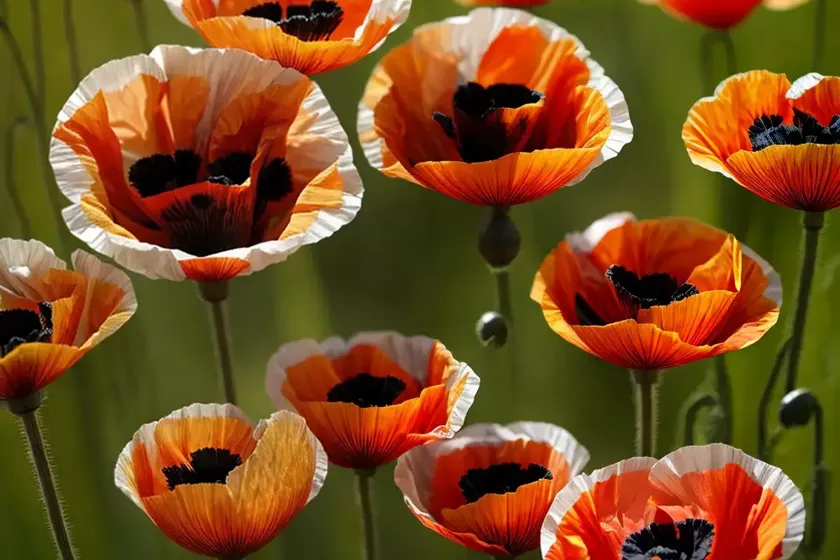
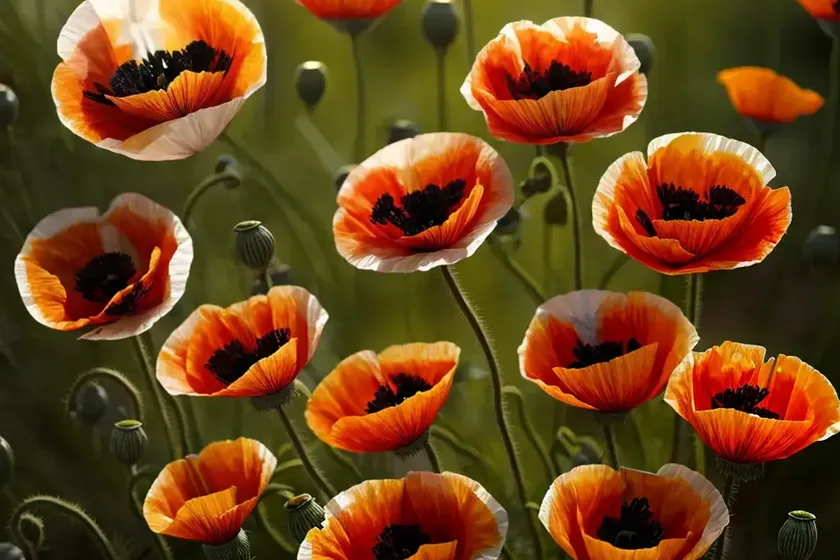
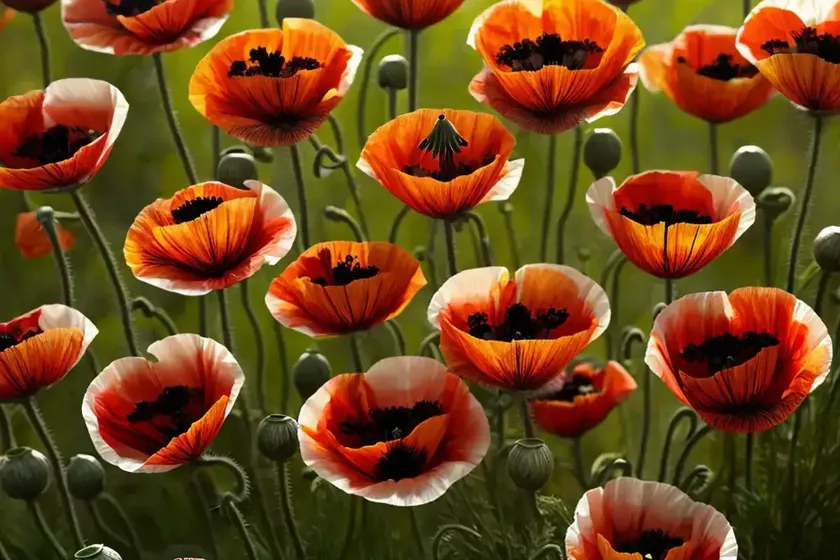
Gardening enthusiasts are often drawn to the colorful and diverse world of ornamental plants, and one such fascinating addition to any garden is the Papaver orientale ‘Fancy Feathers’ or Oriental Poppy. This striking perennial continues to captivate gardeners with its vibrant, fringed petals and low-maintenance nature. As a plant scientist, I am excited to dive into the intricacies of this elegant flowering plant, providing insights into its culture, uses, propagation, and more.
What is Papaver orientale ‘Fancy Feathers’?
Papaver orientale ‘Fancy Feathers’, commonly known as Oriental Poppy, is a herbaceous perennial prized for its dazzling display of colorful blooms. Belonging to the Papaveraceae family, this variety of Oriental Poppy is renowned for its striking fringed petals, which add an intriguing texture to its flowers. Originating from the Caucasus region and Northern Iran, this ornamental plant has made its way into gardens across the world, enchanting gardeners with its vibrant presence.
Papaver orientale ‘Fancy Feathers’ is known for its tall, sturdy stems that bear large, cup-shaped flowers. The plant typically reaches a height of around 24 to 36 inches, adding a bold vertical element to garden landscapes. Its distinctive flowers come in a range of vivid colors, including shades of red, orange, and pink, creating a stunning visual impact when in full bloom.
As a plant scientist, I have observed the enduring allure of this ornamental poppy, particularly its ability to thrive in various garden settings and climates. In the following sections, I will delve into the key aspects of cultivating and caring for Papaver orientale ‘Fancy Feathers’, offering valuable insights into its culture, uses, and propagation techniques.
Key Takeaways – Papaver orientale ‘Fancy Feathers’ (Oriental Poppy)
Before we explore the intricacies of growing and caring for the Oriental Poppy, it’s essential to highlight the key characteristics and takeaways associated with Papaver orientale ‘Fancy Feathers’. Here are some key takeaways to set the stage for our detailed exploration of this captivating plant:
- Also known as Oriental Poppy, Papaver orientale ‘Fancy Feathers’ is a striking herbaceous perennial featuring vibrant, fringed petals.
- The plant’s tall, sturdy stems support large, cup-shaped flowers that bloom in an array of captivating hues, including red, orange, and pink.
- Papaver orientale ‘Fancy Feathers’ adds a bold vertical presence to garden landscapes, reaching heights of approximately 24 to 36 inches.
- This perennial is known for its low-maintenance nature, making it an attractive choice for gardeners seeking visually stunning yet easy-to-care-for plants.
- With its showy, colorful blooms and ornamental appeal, Papaver orientale ‘Fancy Feathers’ is a popular choice for introducing striking visual elements to garden designs.
With these key takeaways in mind, let’s embark on a comprehensive exploration of the culture, uses, and care requirements associated with growing Papaver orientale ‘Fancy Feathers’ in garden settings.
Culture of Papaver orientale ‘Fancy Feathers’
Cultivating Papaver orientale ‘Fancy Feathers’ requires a basic understanding of its cultural preferences, including the ideal growing conditions, watering needs, sunlight requirements, and soil preferences. By providing the right environment, gardeners can ensure that this perennial thrives and continues to dazzle with its resplendent blooms. Here’s a closer look at the culture of Papaver orientale ‘Fancy Feathers’:
Uses
Before delving into its specific cultural requirements, it’s essential to appreciate the versatile uses of Papaver orientale ‘Fancy Feathers’ in garden landscapes. This ornamental poppy serves as a captivating focal point in flower beds, borders, and perennial gardens. Its vibrant hues and distinctive flower shapes make it a visually striking addition to any garden design. Moreover, Oriental Poppy flowers can also be used as cut flowers, adding a touch of elegance to floral arrangements and bouquets.
Gardeners and landscape designers often integrate Papaver orientale ‘Fancy Feathers’ into mixed perennial plantings, where its bold presence complements the surrounding flora. Its showy, cup-shaped blooms lend themselves to creating vibrant outdoor displays, attracting the attention of bees and butterflies, contributing to the overall biodiversity of the garden. With these uses in mind, let’s explore the specific cultural requirements for growing and caring for Oriental Poppy in garden settings.
Water
Proper watering is essential for the healthy growth and vibrant blooming of Papaver orientale ‘Fancy Feathers’. While the plant is relatively low-maintenance once established, it thrives in soil that is well-drained and evenly moist. During the growing season, it’s important to provide regular watering, particularly during periods of prolonged dryness. However, it’s equally crucial to avoid overwatering, as excessive moisture can lead to root rot and other potential issues.
Established Oriental Poppy plants generally exhibit good tolerance to drought once their roots are well-established, making them a suitable choice for gardeners looking to incorporate low-maintenance perennials into their landscapes. The key to successful watering lies in maintaining a balanced approach, ensuring that the soil remains consistently moist without becoming waterlogged. Next, let’s turn our attention to the sunlight requirements for Papaver orientale ‘Fancy Feathers’.
Sunlight
Papaver orientale ‘Fancy Feathers’ is a sun-loving plant that thrives in full sunlight. When selecting a planting location for Oriental Poppy, it’s essential to choose an area that receives ample sunlight throughout the day. This ensures robust growth and vibrant flowering, allowing the plant to reach its full ornamental potential. In regions with hot climates, providing some protection from intense midday sun can be beneficial, particularly during the peak of summer.
Gardeners can leverage the plant’s sun-loving nature to create visually stunning displays in sun-drenched garden beds and borders. When paired with complementary sun-loving perennials and annuals, Papaver orientale ‘Fancy Feathers’ can contribute to dazzling floral compositions that brighten up outdoor spaces. With its affinity for sunlight addressed, let’s examine the fertilizer requirements for this vibrant ornamental poppy.
Fertilizer
Appropriate fertilization plays a crucial role in promoting the vigorous growth and prolific flowering of Papaver orientale ‘Fancy Feathers’. Prior to planting Oriental Poppy, incorporating organic matter into the soil can provide an initial nutrient boost and enhance the soil’s fertility. This can include well-rotted compost or aged manure, enriching the soil and supporting the plant’s early establishment.
During the growing season, applying a balanced, all-purpose fertilizer in early spring can further encourage healthy growth and abundant flowering. It’s important to follow the manufacturer’s recommended application rates, as excessive fertilization can lead to excessive foliage growth at the expense of flowers. As with any fertilization regimen, it’s crucial to monitor the plant’s response and adjust the feeding schedule as needed based on its performance.
Soil
Papaver orientale ‘Fancy Feathers’ boasts good adaptability to various soil types, provided they offer good drainage and a fertile growing medium. Loamy soils with good drainage properties are generally well-suited to the needs of Oriental Poppy. It’s important to avoid waterlogged or poorly draining soils, as prolonged waterlogging can pose a risk to the plant’s overall health and vitality.
Preparing the planting site by incorporating organic matter into the soil can further enhance its fertility and drainage capabilities, creating an optimal environment for the establishment of Papaver orientale ‘Fancy Feathers’. By selecting well-draining, fertile soils and providing adequate organic enrichment, gardeners can create a suitable foundation for healthy growth and abundant flowering. With the cultural aspects of growing Papaver orientale ‘Fancy Feathers’ addressed, let’s turn our attention to the maintenance and care requirements for this captivating plant.
Pruning
Pruning plays a minor role in the care of Papaver orientale ‘Fancy Feathers’, as the plant generally requires minimal intervention to thrive and produce its vibrant blooms. During the flowering season, deadheading spent blooms can encourage continued blooming and prevent the plant from expending energy on seed production. By removing faded flowers, gardeners can promote the emergence of new blooms and prolong the ornamental display of Oriental Poppy.
In late fall or early winter, as the plant enters dormancy, the foliage of Papaver orientale ‘Fancy Feathers’ naturally withers and dies back, signaling the ideal time to trim back any remaining stems to ground level. This helps tidy up the plant’s appearance and prepares it for the onset of winter. With its minimal pruning requirements, Oriental Poppy stands out as a low-maintenance perennial, ideal for gardeners seeking visually stunning flowers with minimal upkeep.
Propagation and Container Cultivation of Papaver orientale ‘Fancy Feathers’
The allure of Papaver orientale ‘Fancy Feathers’ extends beyond its visual splendor, as this captivating plant offers opportunities for propagation and container cultivation, allowing gardeners to expand its presence in their gardens and landscapes. Here, we’ll explore the propagation methods and considerations for growing Oriental Poppy in containers, highlighting the diverse ways in which this striking plant can be integrated into garden settings.
Propagation
Papaver orientale ‘Fancy Feathers’ can be propagated using several techniques, including division and seed propagation. Here’s a closer look at these methods:
-
Division: Division is a common and effective method for propagating Oriental Poppy. In early spring, when new growth begins to emerge, established plants can be carefully lifted and divided into smaller clumps. Each division should contain healthy roots and shoots, ensuring their viability for independent growth. These divisions can then be replanted in suitable locations, fostering the establishment of new Papaver orientale ‘Fancy Feathers’ plants.
-
Seed Propagation: Oriental Poppy can also be propagated from seeds, offering gardeners the opportunity to grow new plants from scratch. Collecting mature seeds from existing plants and sowing them in well-prepared seed beds or containers provides a straightforward method for raising new Papaver orientale ‘Fancy Feathers’. Ensuring that the seeds are sown in a moist, well-draining growing medium and providing adequate sunlight can support their germination and early growth.
By leveraging these propagation methods, gardeners can expand the presence of Papaver orientale ‘Fancy Feathers’ in their gardens, creating vibrant displays of colorful, fringed-petal blooms. Next, let’s explore the possibilities of growing Oriental Poppy in containers, offering insights into the considerations and care requirements associated with container cultivation.
Container Cultivation
Growing Papaver orientale ‘Fancy Feathers’ in containers presents an opportunity to introduce this captivating plant into a variety of garden settings, including patios, balconies, and urban gardens. When selecting containers for growing Oriental Poppy, it’s important to choose those that offer adequate depth and drainage, supporting the development of the plant’s root system and ensuring proper aeration of the growing medium.
Using a well-draining potting mix, gardeners can plant Oriental Poppy in containers, providing regular watering and appropriate sunlight to promote robust growth and blooming. While Papaver orientale ‘Fancy Feathers’ is generally suited to thriving in garden beds, container cultivation can offer an alternative for gardeners with limited outdoor space, allowing them to enjoy the plant’s visual appeal in a confined setting.
Popularity and Common Uses of Papaver orientale ‘Fancy Feathers’
Papaver orientale ‘Fancy Feathers’, with its vibrant blooms and ornamental appeal, has garnered attention and popularity among gardeners and plant enthusiasts. The striking visual impact of its fringed-petal flowers and its low-maintenance nature have contributed to its widespread appeal. Here are some common uses and popular applications of Oriental Poppy in garden landscapes:
-
Garden Borders and Beds: Oriental Poppy serves as a captivating addition to flower borders and bed plantings, introducing vibrant splashes of color and texture to these garden features. Its bold, upright growth habit makes it an eye-catching focal point in garden designs, captivating the attention of visitors and observers.
-
Cut Flowers: The showy blooms of Papaver orientale ‘Fancy Feathers’ lend themselves to being used as cut flowers, gracing indoor floral arrangements and bouquets with their vibrant hues and charming fringed petals. When incorporated into floral displays, Oriental Poppy adds a touch of elegance and color to various settings, enhancing the visual appeal of interior spaces.
-
Pollinator Gardens: The bright, colorful blooms of Oriental Poppy have the potential to attract pollinators such as bees and butterflies, contributing to the biodiversity and ecological balance of garden environments. By incorporating Papaver orientale ‘Fancy Feathers’ into pollinator-friendly gardens, gardeners can support the well-being of these beneficial insects and enhance the overall health of local ecosystems.
-
Mixed Perennial Plantings: Oriental Poppy can be integrated into mixed perennial plantings, where it complements a diverse range of flowering perennials, ornamental grasses, and foliage plants. Its vibrant blooms and distinctive growth habit add visual interest and diversity to these multi-species plantings, contributing to dynamic and visually appealing garden compositions.
The widespread popularity and diverse uses of Papaver orientale ‘Fancy Feathers’ underscore its appeal as a captivating ornamental plant, valued for its visual impact, low-maintenance nature, and adaptability in various garden settings.
Common Diseases and Pest Control for Papaver orientale ‘Fancy Feathers’
While Papaver orientale ‘Fancy Feathers’ is known for its resilience and low-maintenance character, it can be susceptible to certain diseases and pests that can affect its overall health and vigor. As a plant scientist, I understand the importance of proactive management and care to safeguard Oriental Poppy from potential threats. Here, we’ll explore common diseases, their diagnosis, and available pest control measures for maintaining the health and vitality of Papaver orientale ‘Fancy Feathers’.
Disease Diagnosis
Diagnosing and identifying potential diseases that may affect Oriental Poppy is essential for implementing appropriate treatment measures and preventive strategies. Here are some common diseases that can impact Papaver orientale ‘Fancy Feathers’, along with their diagnostic signs and symptoms:
-
Powdery Mildew: Powdery mildew can manifest as a white, powdery growth on the leaves and stems of Oriental Poppy. This fungal disease can lead to foliage discoloration and reduced vigor in affected plants. Implementing appropriate preventive measures, such as adequate spacing and proper air circulation, can help reduce the risk of powdery mildew.
-
Gray Mold (Botrytis Blight): Gray mold, caused by the Botrytis cinerea fungus, can result in the development of grayish patches on the foliage and flowers of Papaver orientale ‘Fancy Feathers’. Prolonged periods of wet, humid conditions can create a favorable environment for the development of this fungal disease. Pruning affected plant parts and promoting proper air circulation can aid in managing the spread of gray mold.
-
Root Rot: Excessive moisture and poor drainage can contribute to the development of root rot in Oriental Poppy. This condition can result in the deterioration of the plant’s root system and subsequent wilting and decline of the foliage. Careful monitoring of soil moisture and ensuring proper drainage can help prevent the onset of root rot in Papaver orientale ‘Fancy Feathers’.
Common Pests
In addition to diseases, Oriental Poppy can also be susceptible to certain pests that can impact its growth and overall vigor. Here are some common pests that can affect Papaver orientale ‘Fancy Feathers’, along with their potential impact and control measures:
-
Aphids: Aphids are small, sap-sucking insects that can infest the foliage and stems of Oriental Poppy, leading to distorted growth and diminished plant health. Regular monitoring and the implementation of natural predators or insecticidal treatments can help manage aphid infestations and protect the vitality of the plant.
-
Slugs and Snails: These mollusks can feed on the tender foliage of Papaver orientale ‘Fancy Feathers’, leading to unsightly damage and reduced aesthetic appeal. Employing physical barriers, such as copper tape or beer traps, can help deter slugs and snails from damaging Oriental Poppy plants.
-
Spider Mites: Spider mites are tiny arachnids that can cause stippling and discoloration on the foliage of Oriental Poppy. Regularly spraying the plant with a strong jet of water and introducing natural predators, such as ladybugs, can aid in managing spider mite populations and protecting the health of Papaver orientale ‘Fancy Feathers’.
By remaining vigilant and proactive in addressing potential diseases and pest infestations, gardeners can maintain the resilience and visual appeal of Papaver orientale ‘Fancy Feathers’, ensuring that this vibrant ornamental poppy continues to thrive in garden settings.
Botanist’s Tips for Growing Papaver orientale ‘Fancy Feathers’
As a plant scientist with a deep appreciation for the captivating qualities of Papaver orientale ‘Fancy Feathers’, I am keen to share some essential botanist’s tips for growing and caring for this ornamental poppy. These insights can help guide gardeners in their efforts to cultivate vibrant, healthy Oriental Poppy plants and create stunning garden displays. Here are some botanist’s tips for growing Papaver orientale ‘Fancy Feathers’:
-
Selecting the Ideal Planting Location: When choosing a site for planting Papaver orientale ‘Fancy Feathers’, opt for a location that receives ample sunlight and offers well-drained, fertile soil. Choosing the right planting location sets the stage for the plant’s successful establishment and robust growth.
-
Balanced Watering: While Oriental Poppy thrives in well-drained soil, it’s important to maintain a balance when watering the plant. Adequate moisture during the growing season supports healthy growth and flowering, while avoiding waterlogged conditions that can compromise the plant’s health.
-
Focusing on Soil Health: Enriching the soil with organic matter prior to planting can provide a nutrient boost and enhance the soil’s fertility. Moreover, selecting well-draining soil types can contribute to the overall health and vitality of Papaver orientale ‘Fancy Feathers’.
-
Pruning for Continual Blooming: Regular deadheading of spent blooms can encourage the emergence of new flowers and promote a prolonged blooming period for Oriental Poppy. By removing faded blooms, gardeners can support the plant’s ongoing ornamental display.
-
Monitoring for Diseases and Pests: Regularly inspecting Papaver orientale ‘Fancy Feathers’ for signs of diseases and pest infestations can aid in early detection and proactive management. By addressing potential issues promptly, gardeners can maintain the plant’s overall health and appearance.
-
Adopting Sustainable Growing Practices: Embracing sustainable growing practices, such as organic fertilization and natural pest control measures, can contribute to the long-term health and resilience of Oriental Poppy. Striving for a balanced approach to cultivation supports the well-being of the plant and its surrounding ecosystem.
By incorporating these botanist’s tips into their cultivation efforts, gardeners can foster the optimal growth and visual allure of Papaver orientale ‘Fancy Feathers’, ensuring that this captivating ornamental poppy continues to thrive in their garden landscapes.
Fun Facts About Papaver orientale ‘Fancy Feathers’
In addition to its visual splendor and ornamental appeal, Papaver orientale ‘Fancy Feathers’