Rosa, Rosa - Floribunda Rose, Rosa - Shrub Rose
Rosa Sunsprite (Floribunda Rose)
Rosa Sunsprite, also known as Floribunda Rose, is a delightful and vibrant variety of rose that belongs to the Floribunda group. This popular cultivar is.
What is Rosa Sunsprite (Floribunda Rose)?
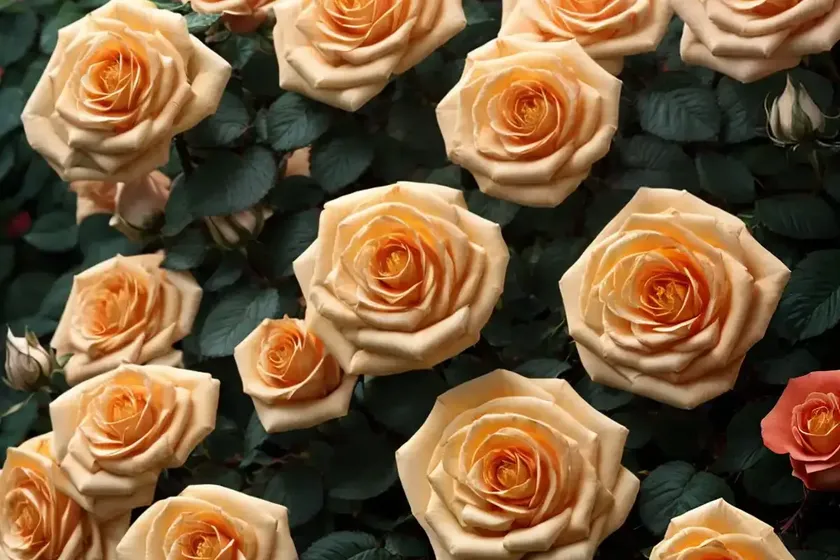
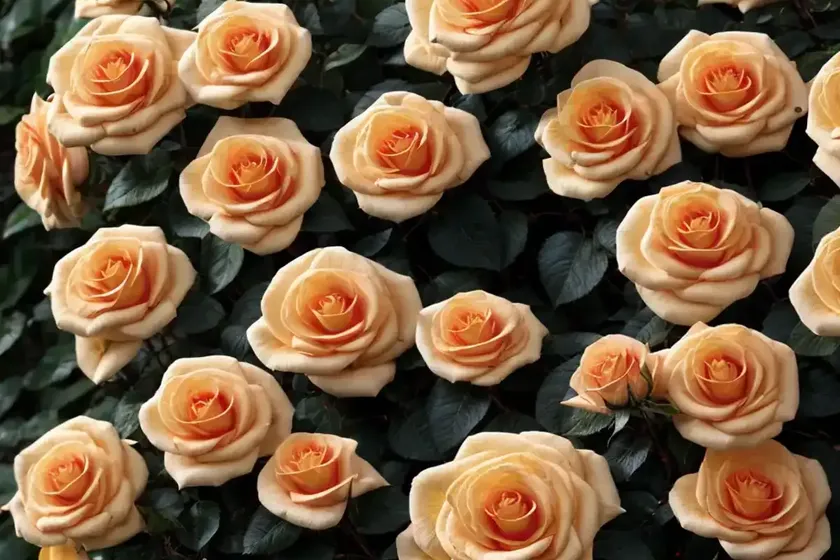
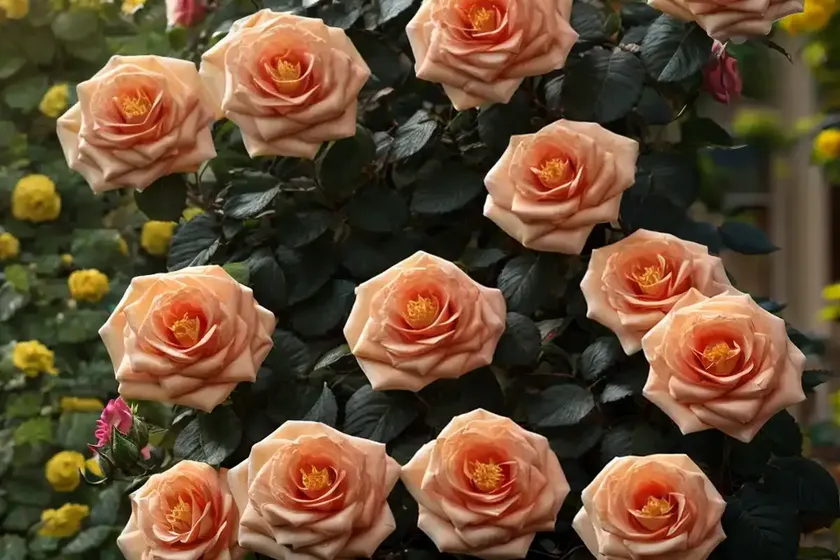
Rosa Sunsprite, also known as Floribunda Rose, is a delightful and vibrant variety of rose that belongs to the Floribunda group. This popular cultivar is cherished for its abundant and cheerful blooms, making it a favorite among gardeners and landscapers alike. With its striking yellow and orange hues, Rosa Sunsprite adds a touch of warmth and elegance to any garden or landscape.
This comprehensive guide to Rosa Sunsprite (Floribunda Rose) will cover everything from its culture and uses to its maintenance and landscaping potential. Whether you’re a gardening enthusiast, a landscaper, or someone looking to add a burst of color to your outdoor space, this guide will provide you with valuable insights into the care and cultivation of this stunning rose variety.
Key Takeaways: Rosa Sunsprite (Floribunda Rose)
Before delving into the detailed aspects of growing and caring for Rosa Sunsprite, let’s take a quick look at the key takeaways for this beautiful floribunda rose:
- Botanical Name: Rosa ‘Sunsprite’
- Variety: Floribunda Rose
- Flower Color: Yellow and Orange
- Growth Habit: Compact and Bushy
- Blooming Season: Spring through Fall
- Fragrance: Sweet and Citrusy
- Disease Resistance: Moderate to High
- Uses: Borders, Beds, Landscaping, Containers
- Special Features: Repeat Blooming, Attracts Pollinators
- Hardiness Zone: 5-9
Now that we have a glimpse of the defining characteristics of Rosa Sunsprite, let’s explore each aspect in detail to understand how to bring out the best in this enchanting rose variety.
Culture
The culture of Rosa Sunsprite encompasses the environmental and maintenance conditions required for its optimal growth and blooming.
Uses
Rosa Sunsprite can be utilized in various ways to enhance the visual appeal of outdoor spaces. Some common uses of this floribunda rose include:
- Borders: The vibrant blooms of Rosa Sunsprite make it an excellent choice for border plantings, adding a colorful and defining edge to garden beds and pathways.
- Beds: Planted en masse or mixed with other complementary flowers, Rosa Sunsprite can create striking and vibrant flower beds that capture attention.
- Landscaping: Its compact growth habit and prolific blooming make it a valuable addition to any landscape design, whether in residential or commercial settings.
- Containers: Due to its manageable size, Rosa Sunsprite can thrive in containers, making it a versatile choice for patios, balconies, and small gardens.
Water
Proper watering is essential for the health and vitality of Rosa Sunsprite. This floribunda rose thrives with regular, deep waterings, especially during dry spells or in container plantings. Here are some key points to consider regarding watering:
- Deep Watering: Provide thorough watering to ensure the moisture reaches the deeper roots, encouraging a strong and resilient root system.
- Avoid Overhead Watering: Minimize wetting the foliage, especially in the evening, to prevent fungal diseases and promote overall plant health.
Sunlight
Sunlight plays a crucial role in the growth and blooming of Rosa Sunsprite. As a sun-loving plant, it flourishes in full sunlight, receiving at least 6-8 hours of direct sunlight each day. When selecting a planting location for Rosa Sunsprite, consider the following:
- Sun Exposure: Choose a spot with ample sunlight exposure, ideally facing south or west, to provide the necessary light for robust growth and abundant flowering.
- Shade Considerations: While Rosa Sunsprite thrives in full sun, it can tolerate partial shade, but flowering may be reduced in shadier conditions.
Fertilizer
To support its continuous growth and blooming, Rosa Sunsprite benefits from regular feeding with a balanced fertilizer. Here are some fertilizer tips for ensuring the optimal nutrition of this floribunda rose:
- Timing: Begin fertilizing in early spring as new growth emerges, and continue with regular applications throughout the growing season.
- Type of Fertilizer: Use a balanced granular fertilizer or a specialized rose food to provide essential nutrients such as nitrogen, phosphorus, and potassium.
Soil
The soil quality directly impacts the health and performance of Rosa Sunsprite, making it crucial to ensure an ideal planting environment. Consider the following soil characteristics for this floribunda rose:
- Well-Draining Soil: Rosa Sunsprite thrives in well-draining, loamy soil that prevents waterlogging and promotes aeration of the root zone.
- Soil pH: Aim for a slightly acidic to neutral soil pH (around 6.0-7.0) for optimal nutrient uptake and overall plant health.
Pruning
Pruning plays a vital role in shaping the growth and promoting the flowering of Rosa Sunsprite. With proper pruning techniques, you can encourage vigorous growth and abundant blooms while maintaining the overall form of the plant. Consider the following tips for pruning this floribunda rose:
- Timing: Prune Rosa Sunsprite in late winter or early spring before new growth emerges to remove dead or damaged wood and promote healthy regrowth.
- Pruning Technique: Use clean, sharp pruners to make angled cuts just above outward-facing buds or a five-leaflet stem, promoting outward growth and improved air circulation within the plant.
Propagation
For gardeners interested in propagating Rosa Sunsprite to expand their collection or share its beauty with others, several methods can be utilized:
- Cuttings: Propagate from semi-hardwood cuttings taken in summer, ensuring they have a node and several leaves. Root the cuttings in a well-draining medium to establish new plants.
- Division: Divide mature Rosa Sunsprite plants during the dormant season to create multiple plants, each with its own root system.
Container Popularity
Due to its compact growth habit and vibrant blooms, Rosa Sunsprite is a popular choice for container gardening. When cultivating this floribunda rose in containers, consider the following:
- Container Size: Select a container with adequate depth and drainage holes to accommodate the root system and ensure proper water drainage.
- Potting Mix: Use a well-draining potting mix formulated for roses or flowering plants to provide the necessary nutrients and moisture retention.
Common Diseases
Disease Diagnosis
While Rosa Sunsprite exhibits moderate to high disease resistance, it is essential to monitor the plant for any signs of disease and promptly address them. Common diseases that may affect this floribunda rose include:
- Powdery Mildew: Recognized by the characteristic powdery white growth on leaves and stems, powdery mildew can impact Rosa Sunsprite, especially in humid conditions.
- Black Spot: This fungal disease appears as circular black spots on the foliage, eventually leading to leaf yellowing and drop if left untreated.
- Rust: Rust infections manifest as orange pustules on the undersides of leaves, potentially weakening the plant over time.
Disease Prevention
To minimize the risk of disease and maintain the health of Rosa Sunsprite, consider the following preventive measures:
- Good Air Circulation: Plant Rosa Sunsprite in a location with adequate air movement to reduce humidity and minimize the risk of fungal diseases.
- Cleanliness: Remove and dispose of any diseased or fallen foliage promptly to prevent the spread of pathogens and maintain a clean planting environment.
Common Pests
Botanist’s Tips
Rosa Sunsprite is relatively resistant to many common pests, but vigilance is key to preventing infestations. Here are some botanist’s tips for pest management:
- Aphids: Keep an eye out for aphid infestations, especially on new growth tips and flower buds, and employ natural predators or gentle washing to control their numbers.
- Thrips: Monitor for thrips, which may cause stippling or silvering of the foliage, and consider using insecticidal soap as a targeted treatment.
Fun Facts
Amidst the practical aspects of growing and caring for Rosa Sunsprite, there are some fascinating and delightful facts about this floribunda rose:
- The name “Sunsprite” aptly captures the warm and radiant hues of the flowers, creating a charming play of color in garden settings.
- Rosa Sunsprite’s fragrance is described as a delightful mix of sweetness and citrus, adding an aromatic dimension to outdoor spaces.
- This floribunda rose is revered for its repeat blooming nature, ensuring a continuous display of cheerful flowers throughout the growing season.
With its captivating colors, resilient nature, and versatile uses, Rosa Sunsprite continues to charm gardeners and enthusiasts around the world. Whether in traditional garden beds or modern containers, its vibrant presence and alluring fragrance make it a truly captivating addition to any landscape.
Links to External Resources
For further insights and in-depth guidance on cultivating and enjoying Rosa Sunsprite (Floribunda Rose), explore the following links:
- Sunsprite Rose Planting Guide
- Growing Floribunda Sunsprite Roses: Tips and Techniques
- Rosa Sunsprite Disease Resistance and Management
- Companion Plants for Sunsprite Roses: Enhancing Your Garden
- The Fragrance of Rosa Sunsprite: Aromatic Delights
In conclusion, Rosa Sunsprite (Floribunda Rose) represents a vibrant and captivating choice for gardeners, landscapers, and flower enthusiasts. With its striking colors, enchanting fragrance, and versatile uses, this delightful floribunda rose continues to inspire creativity and admiration in outdoor spaces. By understanding its culture, maintenance needs, disease resistance, and unique attributes, you can cultivate a thriving and visually stunning display of Rosa Sunsprite, adding an element of warmth and elegance to your gardens, landscapes, and outdoor settings.
By embracing the beauty of Rosa Sunsprite and incorporating it into your gardening endeavors, you can unlock a world of vibrant blooms, delightful fragrances, and endless creative possibilities. Whether you’re drawn to its radiant colors, its resilience, or its aromatic allure, Rosa Sunsprite stands as a testament to the timeless and captivating charm of floribunda roses.


