The Amazing Rankkopieva (Bulbine Frutescens): A Comprehensive Guide for Cultivation and Uses
Introduction
Plants play a pivotal role in the ecosystem, serving as a source of food, oxygen, and beauty. One particular plant that has been gaining attention for its numerous benefits is the Rankkopieva or Bulbine Frutescens. This succulent plant is not only an ornamental beauty but also carries a myriad of medicinal and therapeutic properties. In this comprehensive guide, we will delve into the various aspects of Rankkopieva, including its cultivation, uses, and benefits.
What is Rankkopieva (Bulbine Frutescens)?
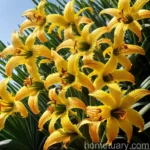
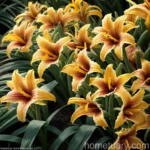
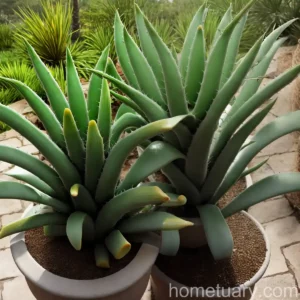
Rankkopieva, scientifically known as Bulbine Frutescens, is a succulent plant native to South Africa. It belongs to the Asphodelaceae family and is commonly found in the Eastern Cape and KwaZulu-Natal regions of South Africa. The plant is characterized by its long, narrow leaves and vibrant flowers, making it a popular choice for gardens and landscapes.
Key Takeaways – Rankkopieva (Bulbine Frutescens)
Before delving into the specifics of Rankkopieva, let’s take a look at some key takeaways:
- Scientific Name: Bulbine Frutescens
- Common Name: Rankkopieva
- Family: Asphodelaceae
- Native Region: South Africa
- Growth Habit: Succulent
- Uses: Ornamental, Medicinal
- Sunlight: Full sun to partial shade
- Watering: Drought tolerant
- Soil Type: Well-draining
- Propagation: Division, Seeds
- Common Diseases: Fungal infections
- Common Pests: Aphids, Snails, Slugs
Now, let’s explore the various aspects of Rankkopieva in detail.
Culture
The culture of Rankkopieva encompasses its growth requirements, including soil, sunlight, watering, and fertilization. Understanding the cultural needs of this plant is crucial for its successful cultivation.
Water
- Water Requirements: Rankkopieva is remarkably drought-tolerant and requires minimal watering once established. It is crucial to allow the soil to dry out between waterings to prevent waterlogged conditions, which can lead to root rot. During the growing season, a deep watering once every 2-3 weeks should be sufficient. In cooler months or during periods of rainfall, additional watering may not be necessary.
- Soil Moisture: Well-draining soil is essential for the health of Rankkopieva. It is highly susceptible to root rot in waterlogged conditions. Therefore, it is advisable to plant it in a sandy or gritty soil mix that allows excess water to drain away quickly.
Sunlight
- Sun Requirements: Rankkopieva thrives in full sun to partial shade. When grown in full sun, it produces a profusion of vibrant flowers and maintains a compact, robust growth habit. In regions with intense afternoon sun or hot climates, providing partial shade during the hottest part of the day can prevent sunburn and maintain the plant’s vigor.
Fertilizer
- Fertilization: Rankkopieva is not a heavy feeder and can thrive in relatively poor soils. However, a balanced, water-soluble fertilizer can be applied sparingly during the growing season to encourage blooming and overall growth. It is crucial to follow the recommended dilution and application instructions to avoid fertilizer burn and potential damage to the plant.
Uses
Rankkopieva holds significant importance due to its diverse uses, ranging from ornamental to medicinal and therapeutic applications. Its versatility makes it an attractive choice for various settings.
Ornamental Uses
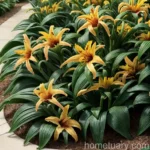
- Gardens: Its vibrant, star-shaped flowers and succulent foliage make Rankkopieva an attractive addition to garden beds, borders, and rock gardens. It is often used as a ground cover due to its spreading habit and ability to fill in empty spaces with its lush foliage and colorful blooms.
- Landscaping: In landscaping, Rankkopieva is utilized for erosion control on slopes and embankments. Its ability to thrive in harsh conditions and stabilize the soil makes it a valuable asset in landscaping projects focused on sustainability and conservation.
Medicinal and Therapeutic Uses
- Traditional Medicine: In traditional South African medicine, various parts of Rankkopieva, including the leaves and sap, are used to treat a range of ailments. It is known for its soothing and healing properties and is used topically to address skin conditions, wounds, burns, and insect bites. The sap is often applied to soothe sunburn and alleviate various skin irritations.
- Health and Wellness: The plant’s extracts are reputed to possess anti-inflammatory, analgesic, and antimicrobial properties, making them valuable for promoting overall health and wellness. Rankkopieva is also utilized as a natural remedy for respiratory conditions, digestive issues, and immune support.
Culinary Uses
- Herbal Teas: The leaves of Rankkopieva can be used to prepare herbal teas with purported health benefits. Its mild, slightly bitter flavor adds a unique profile to herbal tea blends. The tea is often consumed for its potential digestive and immune-boosting properties.
- Culinary Applications: While not as common as its ornamental and medicinal uses, Rankkopieva leaves can be added to salads and smoothies to impart a nutritious element and subtle flavor. However, it is essential to exercise caution and use the plant sparingly, as excessive consumption may lead to adverse effects.
Pruning
Pruning plays a vital role in maintaining the health and appearance of Rankkopieva. Proper pruning techniques can help control its growth, encourage flowering, and rejuvenate the plant as needed.
- Deadheading: Removing spent blooms promotes continuous flowering and prevents the plant from expending energy on seed production.
- Trimming: Trim back overly long or leggy growth to encourage a bushier, more compact form. Additionally, removing damaged or diseased foliage can enhance the plant’s overall appearance and health.
Propagation
The propagation of Rankkopieva can be accomplished through division and seeds. Understanding the propagation methods is beneficial for expanding plant numbers and sharing this remarkable species with others.
Division
- Method: The most common method of propagation involves division, which can be carried out during the active growing season. Carefully dig up the plant and separate the offshoots or divisions, ensuring that each division has a good root system attached. Replant the divisions in well-draining soil and provide adequate moisture until they establish themselves.
Seeds
- Method: Rankkopieva can also be propagated from seeds, although this method requires more time and patience compared to division. Sow the seeds in a well-draining mixture and maintain consistent moisture until germination occurs. Once the seedlings have developed several sets of true leaves, they can be transplanted into individual containers or the garden.
Container Popularity
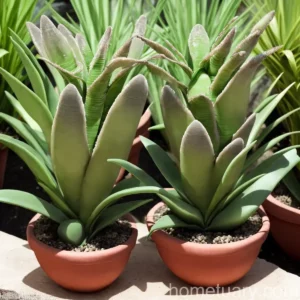
Rankkopieva’s adaptability and low maintenance requirements make it an excellent choice for container gardening. Its compact growth habit and drought tolerance further enhance its suitability for container cultivation.
- Container Selection: Choose a well-draining container that is slightly larger than the plant’s current root system. Terra cotta pots or containers with drainage holes are ideal for promoting healthy root growth and preventing waterlogged conditions.
- Soil Mix: Utilize a well-draining, succulent-specific soil mix for optimal growth. A mixture of potting soil, coarse sand, and perlite can provide the necessary aeration and drainage.
Container Care
- Watering: When growing Rankkopieva in containers, it is crucial to monitor the soil moisture carefully. Water the plant when the top inch of the soil feels dry to the touch, and allow any excess water to drain freely from the container.
- Sunlight: Position the container in a location that receives adequate sunlight, such as a south-facing patio or balcony. Ensure that the plant receives at least 4-6 hours of sunlight daily for robust growth and blooming.
Common Diseases
While Rankkopieva is relatively resilient, it can be susceptible to certain diseases, particularly in conditions of excess moisture and poor air circulation.
- Fungal Infections: Overwatering or high humidity levels can lead to fungal diseases such as powdery mildew and leaf spot. Ensure proper air circulation around the plant and avoid overhead watering to minimize the risk of fungal infections.
Disease Diagnosis
Being able to identify and diagnose diseases is crucial for implementing timely and effective treatment measures to safeguard the health of Rankkopieva.
- Symptoms: Look for signs of powdery white or grayish patches on the foliage, indicating a possible powdery mildew infection. Additionally, small, dark spots or lesions on the leaves may indicate the presence of leaf spot disease.
- Preventive Measures: To prevent diseases, ensure proper spacing between plants to allow for adequate air circulation. Avoid overhead watering and aim to water the soil directly to minimize moisture on the foliage.
Common Pests
Pests can pose a threat to the health and vitality of Rankkopieva. Identifying and addressing pest infestations promptly is essential for preventing significant damage to the plant.
- Aphids: These small, soft-bodied insects may cluster on the undersides of the leaves and feed on the plant sap, leading to distorted growth and yellowing foliage.
- Snails and Slugs: These pests can leave visible slime trails and feed on the tender foliage of Rankkopieva, causing irreparable damage if left unchecked.
Pest Management
- Natural Predators: Encourage the presence of natural predators such as ladybugs and lacewings, which feed on aphids, thus helping to control their population.
- Barriers: To protect container-grown plants from snails and slugs, apply physical barriers such as copper tape or diatomaceous earth around the containers to deter these pests.
Botanist’s Tips
As a plant scientist, I have some valuable tips to share for growing and caring for Rankkopieva:
- Mulching: Apply a layer of organic mulch, such as pine bark or compost, around the base of Rankkopieva to conserve soil moisture and suppress weed growth. However, ensure that the mulch does not come into direct contact with the plant’s stems, as this can create favorable conditions for pests and diseases.
- Overwintering: In regions with frost or extreme cold, consider overwintering container-grown Rankkopieva indoors to protect it from the harsh conditions. Place the container in a bright, cool location and reduce watering during the dormant period.
Fun Facts
Here are some intriguing and lesser-known facts about Rankkopieva:
- The sap of Rankkopieva is known for its traditional use in South African medicine to alleviate various skin irritations and promote healing.
- In addition to its ornamental and medicinal uses, Rankkopieva is valued for its ability to attract pollinators such as bees and butterflies to the garden.
Links to External Resources
For further information on Rankkopieva (Bulbine Frutescens), I recommend exploring the following resources:
- South African National Biodiversity Institute – Bulbine Frutescens
- Royal Horticultural Society – Bulbine Frutescens
- Missouri Botanical Garden – Bulbine Frutescens Guide
In conclusion, Rankkopieva (Bulbine Frutescens) is a remarkable plant that encompasses beauty, resilience, and a wealth of practical uses. Whether adorning gardens with its vibrant blooms, offering relief through its medicinal properties, or serving as a low-maintenance container specimen, Rankkopieva stands as a testament to the remarkable diversity and value of plant life.
References
- Bell, A. (2017). Bulbine Frutescens: A Species Description. The Gardening Portal.
- Department of Agriculture, Forestry and Fisheries. (2015). Bulbine Frutescens. Republic of South Africa Government Gazette, 604(35019).
- Van Jaarsveld, E. (2000). Bulbines of South Africa: A Field Guide. National Botanical Institute Publishers.