Pignut Hickory (Carya Glabra)
Pignut hickory, scientifically known as Carya glabra, is a majestic native tree of North America. Renowned for its tall stature, dense foliage, and.
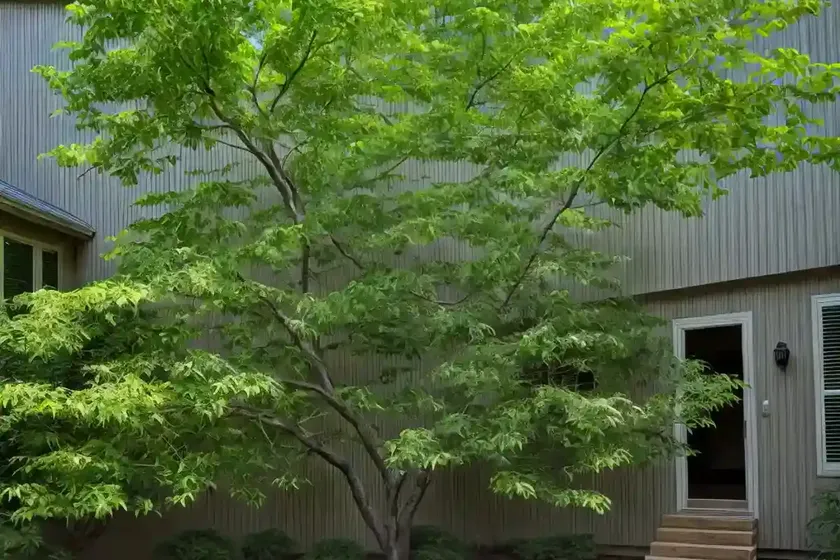
Pignut hickory, scientifically known as Carya glabra, is a majestic native tree of North America. Renowned for its tall stature, dense foliage, and delectable nuts, this species holds considerable cultural, ecological, and economic significance. In this comprehensive guide, we will delve into the various facets of the pignut hickory, encompassing its characteristics, cultural uses, growing requirements, common diseases, and much more. Let’s embark on a journey to explore the captivating world of Carya glabra.
What is Pignut Hickory?
Pignut hickory, a member of the Juglandaceae family, is a tall deciduous tree that typically grows to a height of 50 to 80 feet and occasionally reaches 100 feet. This species is indigenous to the eastern and central regions of North America, where it thrives in a diverse range of habitats, including upland forests, hill slopes, and well-drained bottomlands.
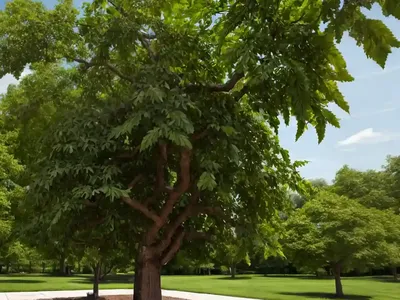
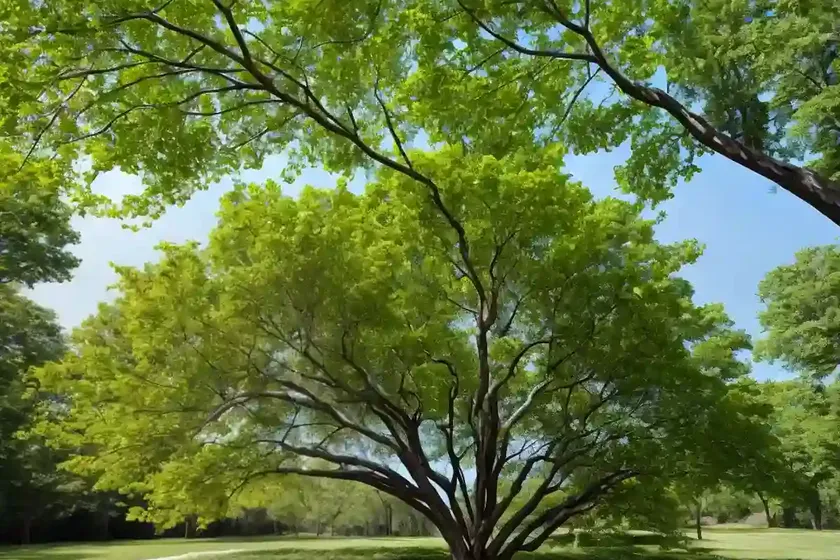
The tree is characterized by its narrow, oval crown and pinnately compound leaves, which consist of 5 to 7 leaflets. The bark of the mature tree is deeply furrowed, presenting a visually striking, ridged appearance. In addition to its ornamental value, the pignut hickory provides essential ecosystem services, contributing to biodiversity, nutrient cycling, and soil stabilization.
Key Takeaways – Pignut Hickory (Carya Glabra)
Let’s explore some of the key takeaways associated with the pignut hickory tree, encompassing its cultural uses, growing requirements, common diseases, and ecological significance.
Culture
- A culturally significant tree in North America, revered for its valuable wood and edible nuts.
- Holds historical importance in Indigenous cultures, where the nuts were a staple food source and the wood was utilized for various purposes, including tool-making and construction.
Uses
- Valued for its high-quality wood, which is employed in cabinetry, tool handles, and flooring.
- The nuts are a crucial food source for various wildlife species and were historically consumed by Indigenous communities.
Water
- Thrives in well-drained soils and exhibits moderate drought tolerance once established.
Sunlight
- Prefers full sun for optimal growth and nut production.
Fertilizer
- Generally, the pignut hickory does not require regular fertilization in natural forest settings. However, young trees in urban or disturbed environments may benefit from an annual application of balanced fertilizer.
Soil
- Flourishes in deep, moist, well-drained soils with a slightly acidic to neutral pH.
Pruning
- Limited pruning requirements, mainly to remove dead or damaged branches for the tree’s overall health and aesthetics.
Propagation
- Propagation is commonly achieved through seed germination, although it can also be propagated through grafting or budding techniques.
Container Popularity
- While the pignut hickory is primarily grown in natural settings, it can thrive in large containers when provided with adequate space and growing conditions.
Common Diseases
- Susceptible to various diseases, including leaf spot, powdery mildew, and canker diseases.
Common Pests
- Faces potential infestations from hickory bark beetles, fall webworms, and various aphid species.
Botanist’s Tips
- When selecting a site for planting, consider the tree’s mature size and the need for ample space for optimal growth and development.
Fun Facts
- The pignut hickory is recognized for its distinct, pungent odor when the leaves or bark are crushed, contributing to its unique identity in the natural landscape.
Encompassing an array of cultural, ecological, and practical dimensions, the pignut hickory stands as a testament to the enduring significance of native tree species in our natural environments.
Pignut Hickory: Meet the Species
Description
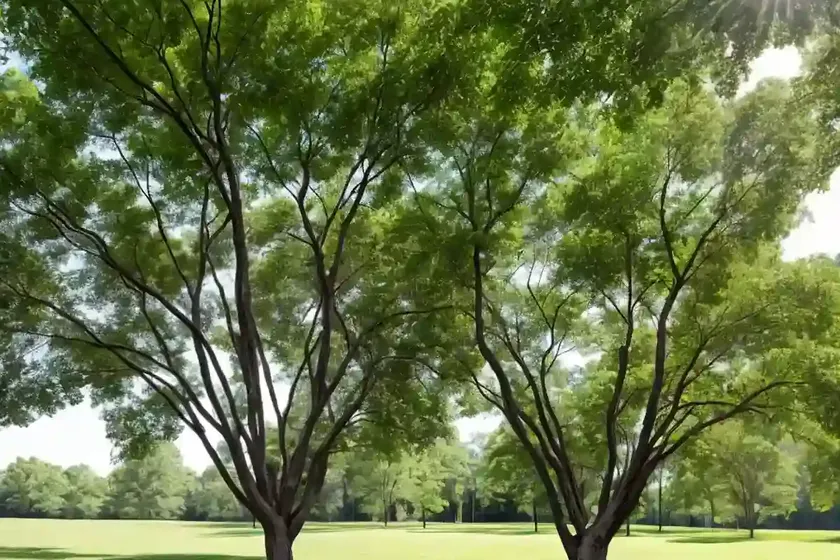
The pignut hickory stands out as a tall, straight-trunked tree with an oval to irregular crown. Its dark green, pinnately compound leaves are comprised of 5 to 7 leaflets, each ranging from 6 to 9 inches in length. In the fall, the foliage transitions to vibrant shades of yellow, adding a stunning visual appeal to the autumn landscape.
Characteristics
- Deciduous tree with a tall, straight trunk and narrow crown.
- Pinnately compound leaves with 5 to 7 leaflets, contributing to a feathery appearance.
- Dark, deeply furrowed bark that develops distinct ridges with age.
- Produces small, round nuts with a thick, hard shell and a small edible kernel enclosed within.
Leaves
The pignut hickory leaves are typically 8 to 12 inches long and are comprised of 5 to 7 slender leaflets. These leaflets are arranged alternately along the rachis and exhibit a lanceolate to ovate shape.
Nuts
The tree produces small, round nuts that are enclosed in a thick, hard shell. Within the shell, a small, edible kernel is nestled, offering a rich, flavorful taste that is highly sought after by both wildlife and humans.
Habitat and Range
Carya glabra thrives in a diverse range of habitats, spanning upland forests, slopes, and ridges, with a preference for well-drained, mesic soils. The species boasts a broad distribution across eastern and central North America, extending from southern Ontario and New York to eastern Texas and northern Florida.
Ecosystem Role
The pignut hickory plays a pivotal role in its native ecosystems, contributing to biodiversity, soil stabilization, and providing essential food resources for numerous wildlife species. The nuts serve as a valuable source of nutrition for mammals, birds, and insects, contributing to the intricate web of ecological interactions within the forest ecosystem.
Cultivation and Uses
Wood
The wood of the pignut hickory holds considerable economic value, prized for its strength, durability, and attractive grain patterns. It is widely utilized in the crafting of tool handles, furniture, cabinetry, and flooring, accentuating its versatility and allure in various woodworking applications.
Edible Nuts
The nuts of the pignut hickory are esteemed for their rich, sweet flavor and are enjoyed by a diverse array of wildlife, including squirrels, chipmunks, and birds. Historically, Indigenous communities in North America relied on the nuts as a vital food source, consuming them raw or incorporating them into various culinary preparations.
As we continue our exploration of Carya glabra, we will delve into the specific requirements for successfully cultivating and caring for this remarkable tree, ensuring its continued presence and prosperity in our natural landscapes.
Cultivating Pignut Hickory: A Guide to Successful Growth
Cultivating the pignut hickory presents an opportunity to engage with a species that exudes cultural significance and ecological vitality. By understanding and implementing the essential requirements for its growth, individuals can contribute to the preservation and propagation of this remarkable tree species.
Sunlight
Pignut hickory thrives in full sun, requiring approximately 6 to 8 hours of direct sunlight per day for optimal growth and nut production. When selecting a planting site, prioritize locations that receive ample sunlight, minimizing potential shading from surrounding structures or taller trees.
Soil
The tree demonstrates a preference for deep, moist, well-drained soils with a slightly acidic to neutral pH. Well-drained soils are particularly critical, as excessive moisture can lead to root rot and other detrimental conditions. Prior to planting, ensure that the soil provides adequate drainage, and consider amending it with organic matter if necessary.
Water
Established pignut hickory trees exhibit moderate drought tolerance, making them well-suited to thrive in natural forest settings. While young trees may benefit from regular irrigation during extended dry spells, it is essential to avoid overwatering to prevent waterlogged soil conditions.
Fertilization
In natural forest settings, pignut hickory trees typically thrive without requiring regular fertilization. However, in urban or disturbed environments, young trees may benefit from an annual application of balanced fertilizer to support their overall growth and vigor.
Pruning
The pignut hickory generally requires minimal pruning, primarily focused on removing dead or damaged branches to maintain the tree’s health and aesthetic appeal. It is advisable to conduct pruning during the dormant season to minimize stress on the tree and enhance the effectiveness of wound healing.
Propagation
Propagation of the pignut hickory is commonly achieved through seed germination, a process that allows for the genetic diversity and resilience of the species to be perpetuated. Additionally, propagation through grafting or budding techniques offers alternative methods for the cultivation and propagation of specific varieties or cultivars.
Container Cultivation
While the pignut hickory is primarily grown in natural settings, it can also be cultivated in large containers, provided that adequate space is available for the tree’s expansive root system. Container cultivation offers a viable option for individuals with limited outdoor space, enabling them to engage with and appreciate the distinctive attributes of Carya glabra within a contained environment.
As we engage with the cultivation and propagation of pignut hickory, it is essential to remain attentive to potential challenges and vulnerabilities that the species may encounter, including diseases, pests, and environmental stressors.
Nurturing Pignut Hickory: Disease Management and Pest Control
Whilst the pignut hickory possesses inherent resilience and adaptability, it is susceptible to various diseases and pest infestations that can impact its health and vitality. By adopting proactive measures and vigilance, individuals can effectively manage these challenges, fostering the sustained well-being of their pignut hickory trees.
Common Diseases
Leaf Spot Diseases
The pignut hickory is susceptible to several leaf spot diseases, including species of Phyllosticta and Gnomonia. Symptoms typically manifest as circular to irregularly shaped spots on the foliage, accompanied by discoloration and potential premature leaf drop.
Powdery Mildew
Powdery mildew, caused by fungal pathogens such as Microsphaera and Phyllactinia, can affect the leaves of the pignut hickory, leading to the development of a powdery, white fungal growth. In severe cases, this can compromise the tree’s overall photosynthetic capacity and vigor.
Canker Diseases
Various canker diseases, caused by fungi or bacteria, can impact the bark and woody tissues of the pignut hickory, leading to sunken lesions, dieback, and potential structural weaknesses. Canker diseases may result from environmental stressors, injuries, or pathogen infestations.
When diagnosing and managing potential diseases affecting the pignut hickory, prompt identification and response are essential to mitigate their impact and preserve the tree’s health and vitality.
Disease Diagnosis
- Conduct regular monitoring of the tree’s foliage, bark, and overall vigor to detect any signs of disease symptoms.
- Consult with local extension services or arborists for accurate disease diagnosis and targeted management recommendations.
- Implement cultural practices, such as maintaining appropriate spacing between trees and improving air circulation, to minimize disease pressure in the long term.
Common Pests
Hickory Bark Beetles
Hickory bark beetles, including species such as Scolytus quadrispinosus and Scolytus muticus, can infest weakened or stressed pignut hickory trees, leading to tunneling damage within the inner bark and potential physiological decline.
Fall Webworms
The fall webworm, Hyphantria cunea, is a defoliating caterpillar species that constructs silken webbing on the tree’s foliage, forming protective enclosures as it consumes the leaves. Large populations of fall webworms can defoliate the tree and compromise its overall vigor.
Aphids
Various aphid species, including the hickory woolly aphid, Phylloxera spp., and other genera, can infest the pignut hickory, leading to the distortion of new growth, the secretion of honeydew, and potential secondary issues such as sooty mold development.
When managing potential pest infestations, adopting an integrated pest management (IPM) approach that incorporates cultural, mechanical, biological, and targeted chemical control measures can effectively reduce pest populations while minimizing environmental impacts.
Botanist’s Tips
- Promote the overall health and resilience of pignut hickory trees through appropriate cultural practices, including adequate irrigation, balanced fertilization, and regular monitoring.
- Encourage natural enemies of pests, such as predatory insects and birds, to contribute to the biological control of pest populations, enhancing the tree’s resilience within its ecosystem.
- Prioritize the early detection and intervention of potential diseases or pest infestations to minimize their impact and preserve the long-term health of pignut hickory trees.
As we navigate the realm of pignut hickory cultivation and care, it is crucial to celebrate the species’ enduring bond with its natural environment and its multifaceted significance within our cultural landscape.
Exploring the World of Pignut Hickory: Insights and Perspectives
The pignut hickory, with its captivating attributes and dynamic ecological role, continues to capture the imagination of botanists, horticulturists, and nature enthusiasts alike. Embracing an array of uses, from its valuable wood to its delectable nuts, this species embodies a storied legacy deeply interwoven into the fabric of North America’s natural and cultural heritage.
In addition to its practical and ecological importance, the pignut hickory holds considerable potential as an establishment in urban and suburban landscapes, where its stately form, vibrant foliage, and wildlife-supporting attributes can enrich the diversity and resilience of the urban forest.
Wildlife Habitat
The pignut hickory serves as a foundational component of wildlife habitats, offering nourishment and shelter to an array of species, including squirrels, birds, and small mammals.
Medicinal and Folk Uses
In various Indigenous cultures, the pignut hickory and its components were used for medicinal purposes, ranging from decoctions made from the bark to remedies derived from the nuts. Additionally, the tree held cultural significance and featured in folklore, illustrating its multidimensional role in human societies.
Conservation Significance
Preserving the pignut hickory and its associated ecosystems is essential to safeguarding the ecological integrity and biodiversity of North American landscapes. Conserving this species aligns with broader efforts to protect native tree species and the ecosystems they support.
Embracing the enduring appeal of the pignut hickory offers a profound opportunity to engage with the myriad dimensions of its existence, from its ecological relationships to its cultural resonances, fostering a deeper appreciation for the intrinsic value of native tree species.
Conclusion
The pignut hickory, renowned for its distinctive characteristics and rich cultural and ecological contributions, remains an emblematic species within the natural tapestry of North America. Its tall stature, ornamental foliage, and versatile uses underscore its enduring significance, while its ecological role in supporting diverse wildlife and shaping forest ecosystems further solidifies its value.
Embracing the pignut hickory offers a gateway to connect with the natural world and celebrate the intricate web of relationships that define our landscapes. From its towering presence in native forests to its potential as an arboreal ambassador in urban environments, the pignut hickory invites us to cultivate a deeper understanding of the ecological and cultural tapestries that intertwine within our natural environments.
As we navigate our collective journey with the pignut hickory, let us cultivate a spirit of stewardship and reverence, nurturing an appreciation for native tree species and the vital roles they embody within our shared ecosystems. Through these efforts, we can champion the enduring legacy of the pignut hickory, ensuring its sustained presence within our natural and cultural narratives.
References
- “Carya glabra,” Missouri Botanical Garden, https://www.missouribotanicalgarden.org/PlantFinder/PlantFinderDetails.aspx?taxonid=273050.
- “Pignut Hickory,” Virginia Tech Department of Forest Resources and Environmental Conservation, https://dendro.cnre.vt.edu/dendrology/syllabus/factsheet.cfm?ID=76.
- “Carya glabra – Pignut Hickory,” The Morton Arboretum, https://www.mortonarb.org/trees-plants/tree-plant-descriptions/pignut-hickory.
- Gilman, Edward F. and Dennis G. Watson. “Carya glabra: Pignut Hickory,” United States Forest Service, https://hort.ifas.ufl.edu/database/documents/pdf/tree_fact_sheets/carplua.pdf.
- Dirr, Michael A. “Manual of Woody Landscape Plants: Their Identification, Ornamental Characteristics, Culture, Propagation and Uses,” Stipes Publishing, 2009.
As we immerse ourselves in the richness of botanical exploration, our journey with the pignut hickory serves as a testament to the enduring resonance of native tree species and their intricate connections with the past, present, and future of our natural world. Let us continue to celebrate and steward the bountiful diversity of our botanical heritage, sowing the seeds of appreciation for the myriad life forms that grace our landscapes.