Blue Ginger (Dichorisandra Thyrsiflora)
Plants have been an integral part of human lives for centuries, adding beauty and vitality to our surroundings. Among the diverse array of plant species.
Plants have been an integral part of human lives for centuries, adding beauty and vitality to our surroundings. Among the diverse array of plant species, Blue Ginger (Dichorisandra Thyrsiflora) stands out for its striking blue flowers and lush foliage. This tropical plant, despite its name, is not related to the edible ginger commonly used in cooking. In this comprehensive guide, we will delve into the various aspects of caring for Blue Ginger plants, including its culture, uses, water and sunlight requirements, fertilization, soil preferences, pruning techniques, propagation methods, pest management, and interesting fun facts.
What is Blue Ginger (Dichorisandra Thyrsiflora)?
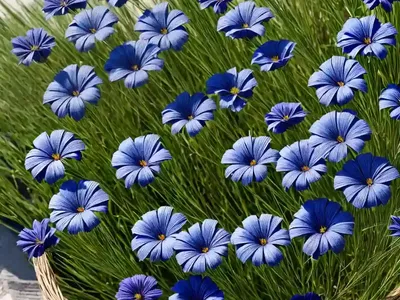
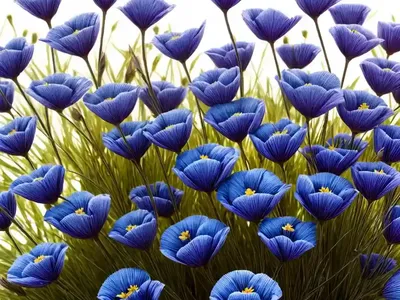
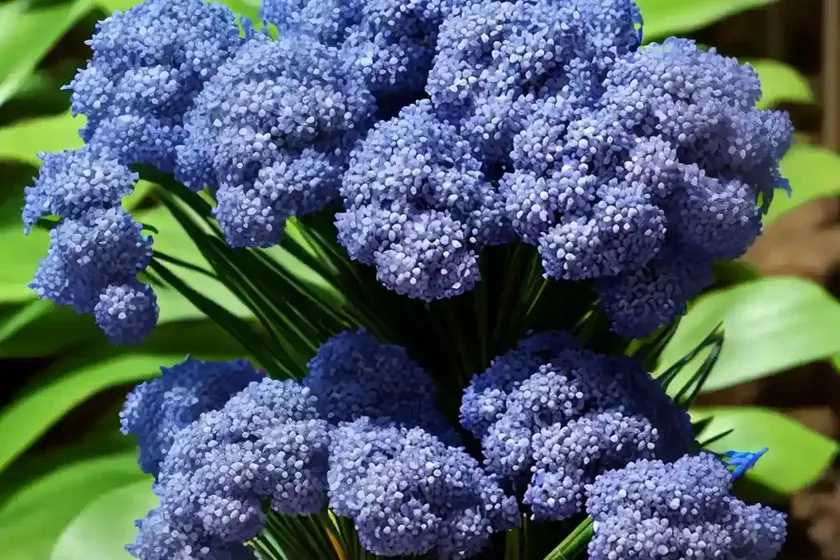
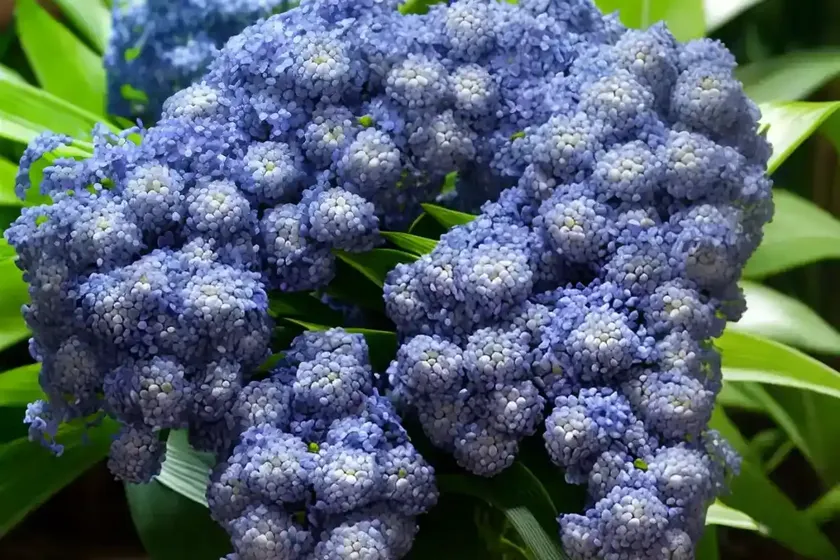
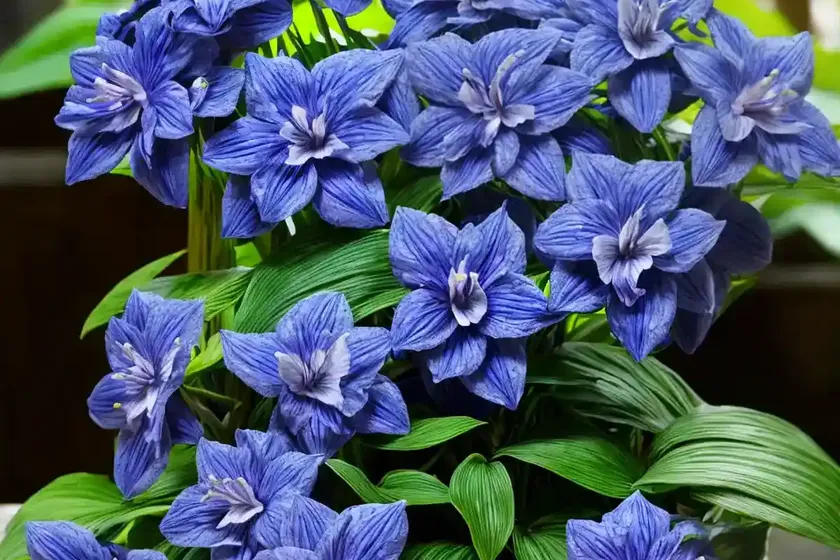
Blue Ginger, scientifically known as Dichorisandra Thyrsiflora, is a species of plant in the Commelinaceae family. This evergreen perennial is native to Brazil and is known for its ornamental value, particularly its vibrant blue flowers. The plant typically grows up to 3-4 feet in height and spreads to form a dense clump. The lush, lance-shaped leaves are arranged in an alternating pattern along the stems, giving the plant a visually appealing appearance even when not in bloom. The vivid blue flowers, which resemble those of true ginger plants, emerge from cone-like clusters and add a pop of color to any garden or indoor space. Blue Ginger is widely cultivated for its charming aesthetics and ability to thrive in tropical and subtropical environments.
Blue Ginger (Dichorisandra Thyrsiflora): Key Takeaways
Before delving into the specific care tips and techniques for Blue Ginger, let’s highlight some key takeaways about this intriguing plant:
- Scientific Name: Dichorisandra Thyrsiflora
- Common Name: Blue Ginger
- Plant Type: Evergreen perennial
- Native to: Brazil
- Growth Habit: Clumping
- Flowering: Vibrant blue flowers in cone-like clusters
- Foliage: Lush, lance-shaped leaves
- Cultural Uses: Ornamental, landscaping, indoor potted plant
Now that we have a general understanding of Blue Ginger, let’s explore the intricacies of caring for this captivating plant.
Culture of Blue Ginger (Dichorisandra Thyrsiflora)
Understanding the cultural requirements of Blue Ginger is crucial for ensuring its optimal growth and blooming. From suitable containers to ideal planting locations, let’s delve into the culture of this fascinating plant.
Uses
Blue Ginger is primarily cultivated for its ornamental value, both indoors and in outdoor landscapes. Whether used as a standalone specimen, a mass planting, or part of a lush tropical garden, this plant adds vibrancy and charm to any setting. Due to its clumping growth habit and attractive foliage, Blue Ginger is often used as a landscaping feature to create lush, green borders and accents. In addition to its visual appeal, the plant’s striking blue flowers make it a popular choice for adding bursts of color in gardens, patios, and indoor spaces.
Water
Proper watering is essential for the healthy growth of Blue Ginger plants. Here are some key tips for watering this tropical beauty:
- Watering Frequency: Blue Ginger prefers consistently moist soil, especially during its active growing season. Water the plant regularly, ensuring that the soil remains evenly moist but not waterlogged.
- Soil Moisture: Check the moisture level of the soil regularly, particularly during hot and dry periods. Avoid allowing the soil to dry out completely, as this can lead to stress and reduced flowering.
Sunlight
The right amount of sunlight is crucial for the overall health and blooming of Blue Ginger. Consider the following sunlight requirements for this tropical gem:
- Light Conditions: Blue Ginger thrives in partially shaded to dappled light conditions. While it can tolerate some direct sunlight, especially in the morning or late afternoon, prolonged exposure to intense sunlight can scorch the leaves and flowers.
- Indoor Placement: When grown indoors, place Blue Ginger in a location where it can receive bright, indirect light. Avoid placing it in direct sunlight streaming through windows, as this can lead to leaf burn.
Fertilizer
Providing adequate nutrients is essential for promoting healthy foliage and vibrant blooms in Blue Ginger plants. Here’s how you can effectively fertilize this tropical beauty:
- Fertilization Schedule: Feed Blue Ginger with a balanced, water-soluble fertilizer every 4-6 weeks during the active growing season, typically from spring to early fall. Reduce or discontinue fertilization during the plant’s dormant period in winter.
- Application Method: Apply the fertilizer according to the manufacturer’s instructions, ensuring even distribution around the plant’s root zone. Water the plant after fertilizing to help the nutrients penetrate the soil.
Soil
The right soil composition is critical for supporting the growth and vitality of Blue Ginger. Consider the following soil preferences for this tropical plant:
- Well-Draining Soil: Blue Ginger thrives in rich, well-draining soil that retains moisture without becoming waterlogged. A mixture of organic matter, such as compost or peat moss, can improve soil texture and water retention.
- Acidic to Neutral pH: Aim for a slightly acidic to neutral soil pH range of 5.5 to 7.0. Conduct a soil test if needed to assess the pH level and make any necessary adjustments.
Pruning
Pruning is an important aspect of Blue Ginger care, allowing you to maintain the plant’s shape, remove dead or damaged foliage, and promote healthy growth. Follow these pruning guidelines for Blue Ginger:
- Deadheading Flowers: After the blooms have faded, remove the spent flowers to encourage the production of new blooms and maintain the plant’s tidy appearance.
- Trimming Foliage: Trim back any damaged or yellowing leaves to promote better air circulation and prevent the spread of diseases.
- Spring Pruning: In early spring, inspect the plant for any winter damage and prune as needed to encourage fresh growth and shape the plant.
Propagation
Propagating Blue Ginger allows you to expand your plant collection and share its beauty with others. Here are methods for propagating this tropical gem:
- Division: Divide mature Blue Ginger plants in spring by carefully separating the rhizomes and ensuring that each division has a good portion of healthy roots and stems. Plant the divisions in suitable containers or directly in the garden soil.
- Rhizome Cuttings: Take rhizome cuttings from healthy, established plants and place them in a well-draining potting mix. Ensure that the cuttings receive adequate warmth and moisture for successful root development.
Container Popularity
Blue Ginger’s adaptability to container culture makes it a popular choice for indoor and outdoor potted settings. Its lush foliage and eye-catching flowers add a touch of tropical elegance to any container garden, patio, or balcony. Grow Blue Ginger in containers to bring a burst of color to your indoor spaces or create a stunning focal point on your outdoor deck or patio.
Common Diseases and Pests
Like any plant, Blue Ginger is susceptible to certain diseases and pest infestations. Understanding these potential issues and their management is crucial for maintaining the plant’s health and vitality.
Common Diseases
Blue Ginger may be prone to certain diseases, including fungal infections and leaf spot. Here are some common diseases to watch out for:
- Fungal Diseases: Keep an eye out for signs of fungal diseases, such as leaf spots or powdery mildew. Provide proper air circulation and avoid overwatering to reduce the risk of fungal infections.
- Leaf Spot: If you notice dark spots or lesions on the foliage, it may indicate a fungal leaf spot disease. Remove and discard affected leaves to prevent the spread of the disease.
Disease Diagnosis
Diagnosing and addressing diseases promptly is essential for preventing the spread of infections and maintaining the plant’s overall vigor. When diagnosing diseases in Blue Ginger, consider the following steps:
- Symptom Identification: Pay close attention to any changes in the plant’s foliage, such as discoloration, spots, or abnormal patterns.
- Visual Inspection: Thoroughly inspect the leaves, stems, and flowers for any signs of disease or pest damage.
- Consultation: If you’re uncertain about the cause of the plant’s symptoms, seek guidance from a local nursery or plant pathology expert for accurate diagnosis and treatment recommendations.
Common Pests
While Blue Ginger is relatively resistant to many pests, it may still attract certain unwanted visitors. Here are some common pests that can affect Blue Ginger plants:
- Aphids: Keep an eye out for clusters of small, soft-bodied insects on the leaves and stems. These pests can cause damage by sucking sap from the plant.
- Spider Mites: Look for fine webbing and stippling on the leaves, which are characteristic signs of spider mite infestation.
- Mealybugs: These white, cottony insects can cluster on the undersides of leaves and along the stems, potentially causing damage to the plant.
Botanist’s Tips for Blue Ginger (Dichorisandra Thyrsiflora)
Enrich your Blue Ginger care knowledge with these insightful tips from botanists and horticulture experts:
- Humidity Control: Blue Ginger thrives in moderately humid environments. If growing the plant indoors, consider misting the foliage regularly to maintain optimal humidity levels.
- Overwintering: In cooler climates, protect Blue Ginger from frost and cold temperatures by overwintering it indoors. Place the plant in a brightly lit, warm location and reduce watering during the dormant period.
Fun Facts about Blue Ginger
Discover some intriguing and delightful facts about Blue Ginger that add to its charm and allure:
- Butterfly Attraction: The vibrant blue flowers of Blue Ginger have been known to attract butterflies, adding a touch of natural beauty to any garden or landscape.
- Cultural Significance: Blue Ginger holds cultural significance in some regions, where it is revered for its ornamental beauty and traditional uses.
- Medicinal History: While Blue Ginger is primarily cultivated for ornamental purposes, it has a history of traditional medicinal usage in certain cultures.
Links to External Resources
For further information and in-depth insights into Blue Ginger care, cultivation, and uses, explore the following external resources:
- Royal Horticultural Society – Blue Ginger Care Guide
- University of Florida IFAS Extension – Blue Ginger Fact Sheet
- Missouri Botanical Garden – Blue Ginger Plant Profile
- American Society for the Prevention of Cruelty to Plants – Blue Ginger Cultivation Notes
In conclusion, the captivating Blue Ginger (Dichorisandra Thyrsiflora) enchants plant enthusiasts with its azure blooms and vibrant foliage. By understanding and applying the recommended care guidelines, enthusiasts can cultivate thriving Blue Ginger plants both indoors and in outdoor landscapes. From adequate watering and suitable sunlight exposure to diligent pest management and propagation techniques, this magnificent plant offers a wealth of opportunities for green thumbs and gardening aficionados.
Whether creating a tropical oasis in a backyard garden, adding a touch of elegance to an indoor space, or exploring the cultural and medicinal significance of Blue Ginger, the plant presents a multifaceted journey of discovery and horticultural pleasure. Embrace the entrancing allure of Blue Ginger and let its vibrant beauty enrich your botanical endeavors.