Yellow Daylily (Hemerocallis lilioasphodelus): A Comprehensive Guide

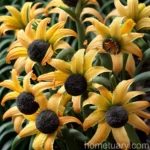
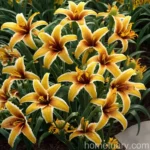
Yellow daylilies, scientifically known as Hemerocallis lilioasphodelus, are stunning flowering plants that are prized for their vibrant yellow blooms and easy care. These versatile perennials are a valuable addition to any garden, delighting with their graceful beauty and low maintenance requirements.
In this comprehensive guide, we will explore everything you need to know about yellow daylilies, from their cultivation to their cultural significance, and much more. Each section will be packed with detailed information, practical tips, and expert advice to help you make the most of these enchanting plants in your own landscape.
What is a Yellow Daylily (Hemerocallis lilioasphodelus)?
The yellow daylily, or Hemerocallis lilioasphodelus, is a perennial plant that belongs to the Hemerocallidaceae family. Originating from Eurasia, it is widely cultivated for its striking yellow flowers and hardy nature. The name “Hemerocallis” is derived from two Greek words, “hemera” which means day, and “kalos,” which means beautiful, indicating the ephemeral beauty of its flowers that typically last for a day.
Key Takeaways
Daylily Care Tips
- Ensure well-draining soil to prevent waterlogging and root rot.
- Deadhead spent blooms to encourage continuous flowering.
- Divide clumps every few years to maintain plant vigor.
Yellow Daylily Varieties
- ‘Hyperion’: A classic yellow cultivar appreciated for its large flowers and vigorous growth.
- ‘Happy Returns’: A reblooming variety that produces cheerful yellow blooms throughout the season.
- ‘Stella de Oro’: A popular dwarf daylily with golden-yellow blossoms and a compact habit.
Growing Hemerocallis lilioasphodelus
- Thrives in USDA hardiness zones 3-9.
- Prefers full sun to partial shade for best flowering performance.
Hemerocallis lilioasphodelus Characteristics
- Clumping perennial with long, grass-like leaves and exquisite trumpet-shaped flowers.
- Tolerates a wide range of soil conditions, from sandy to clayey.
Best Conditions for Yellow Daylilies
- Moist, well-draining soil with a slightly acidic to neutral pH.
- Regular watering during the growing season to support healthy growth.
Hemerocallis lilioasphodelus Flowering Season
- Typically blooms from late spring to midsummer, though certain cultivars may have extended blooming periods.
Yellow Daylily Maintenance
- Minimal maintenance required, with occasional deadheading and division for optimal growth.
Culture
Uses
Yellow daylilies are cherished for their multifaceted uses in the garden and beyond. Here are some key ways in which they are utilized:
-
Ornamental Garden Plant: With their radiant blooms and low-maintenance nature, yellow daylilies are widely grown as ornamental perennials, adding splashes of cheerful color to landscapes.
-
Cut Flowers: The vibrant yellow blooms are often used in floral arrangements, bringing a touch of sunny elegance to bouquets and centerpieces.
-
Erosion Control: The robust root systems of daylilies make them valuable for stabilizing soil on slopes and preventing erosion.
-
Wildlife Habitat: Their nectar-rich flowers attract pollinators like butterflies and hummingbirds, contributing to ecosystem health.
-
Medicinal Plant: In traditional medicine, certain parts of the daylily plant are used for their purported medicinal properties, though caution should be exercised in their use due to potential toxicity.
Water
Appropriate watering is crucial for the health and vitality of yellow daylilies. These plants require consistent moisture during the growing season to support robust growth and prolific flowering. However, it’s important to avoid overwatering, as excessive soil moisture can lead to root rot and other detrimental conditions.
Yellow Daylily Water Requirements
- Water deeply and infrequently, allowing the soil to partially dry out between waterings.
- In periods of prolonged drought, provide supplementary irrigation to prevent stress and maintain flower production.
Sunlight
The sunlight requirements of yellow daylilies play a pivotal role in determining the quality and quantity of their blooms. Adequate exposure to sunlight is essential for promoting vigorous growth and abundant flowering.
Yellow Daylily Sunlight Needs
- Plant in a location that receives at least 6 hours of direct sunlight per day for optimal performance.
- In hot climates, partial shade during the peak of the afternoon can help prevent scorching and dehydration.
Fertilizer
Supplemental fertilization can bolster the overall health and blooming capacity of yellow daylilies. By providing essential nutrients, you can ensure that these plants thrive and produce an abundance of radiant flowers.
Hemerocallis lilioasphodelus Fertilizer Recommendations
- Apply a balanced, slow-release fertilizer in early spring, following the manufacturer’s instructions for application rates.
- Incorporate organic matter like well-rotted compost into the soil when planting to enhance fertility and improve soil structure.
Soil
The soil composition directly influences the growth and development of yellow daylilies. Understanding the soil preferences of these plants is instrumental in creating an environment where they can flourish.
Hemerocallis lilioasphodelus Soil Preferences
- Well-draining soil is critical to prevent waterlogged conditions that can be detrimental to plant health.
- A loamy, fertile soil with good aerating qualities is ideal for promoting strong root development and robust growth.
Pruning
Pruning plays a pivotal role in maintaining the vigor and visual appeal of yellow daylilies. By removing spent blooms and tidying up the foliage, you can foster a tidy and floriferous display.
Tips for Dividing Yellow Daylilies
- Divide clumps every 3-4 years to prevent overcrowding and stimulate renewed growth.
- Conduct division in early spring or after the flowering period, ensuring that each division has sufficient roots and healthy foliage.
Propagation
Propagation methods offer the opportunity to multiply your prized yellow daylilies and expand their presence in the garden. Whether through division or seed propagation, carefully chosen techniques can yield successful results.
How to Propagate Yellow Daylilies
- Division: Divide mature clumps in early spring, ensuring that each division has several healthy fans and an intact root system. Replant divisions at the appropriate depth and water thoroughly.

Container
Yellow daylilies can be successfully grown in containers, providing a delightful burst of color and elegance on patios, balconies, or any other suitable outdoor space.
Hemerocallis lilioasphodelus in Container Gardening
- Select a spacious container with sufficient drainage holes to accommodate the vigorous growth habit of the plant.
- Use a high-quality potting mix formulated for flowering perennials, ensuring that it retains moisture without becoming waterlogged.
Yellow Daylily Container Popularity
- The compact nature and dazzling blooms of yellow daylilies make them a popular choice for container gardening, adding a touch of sophistication to outdoor living areas.
Common Diseases
Despite their resilience, yellow daylilies can be susceptible to certain diseases under unfavorable conditions. Understanding these potential ailments is crucial in preserving the health and vitality of these plants.
Hemerocallis lilioasphodelus Common Diseases
-
Crown Rot: Caused by Phytophthora or other soil-borne pathogens, leading to rotting of the crown and subsequent wilting of the foliage. Avoid overwatering and improve soil drainage to prevent this condition.
-
Rust: Characterized by small, reddish-brown pustules on the leaves, rust is a fungal disease that can weaken the plants if left unchecked. Remove and dispose of affected foliage and consider fungicidal treatments if necessary.
-
Streak Virus: This viral disease can manifest as streaking or mottling on the leaves, affecting the overall vigor of the plants. Prevent transmission by promptly removing and disposing of infected plants.
Disease Diagnosis
- Monitor the plants closely for any signs of discoloration, deformities, or unusual lesions on the leaves and stems.
- Consult with local horticultural extension services or plant clinics to accurately diagnose any suspected diseases and receive tailored recommendations for management.
Common Pests
Pest infestations can pose a threat to the well-being of yellow daylilies, necessitating prompt intervention to mitigate potential damage. By familiarizing yourself with these common pests and their associated symptoms, you can effectively address any infestations that may arise.
Hemerocallis lilioasphodelus Common Pests
-
Aphids: These small, pear-shaped insects cluster on the tender new growth, sucking sap from the plant and potentially transmitting viral diseases. Use insecticidal soaps or horticultural oils to control aphid populations.
-
Thrips: Thrips feed on the flower buds and foliage, causing stippling and distortion. Consider using insecticidal treatments to manage thrips infestations.
-
Spider Mites: These minuscule arachnids can be detected by the fine webbing they produce, often found on the undersides of leaves. Miticides or horticultural oils can be employed to effectively manage spider mite populations.
Botanist’s Tips
Yellow Daylily Landscaping Ideas
- Plant en masse for a bold, eye-catching display along borders or in perennial beds.
- Incorporate companion plants with contrasting foliage and textures, such as ornamental grasses and salvias, to create visually dynamic combinations.
Hemerocallis lilioasphodelus Companion Plants
-
Russian Sage (Perovskia atriplicifolia): The airy, silvery foliage and lavender-blue blossoms of Russian sage provide an elegant contrast to the vibrant yellow blooms of Hemerocallis lilioasphodelus.
-
Lavender (Lavandula angustifolia): The fragrant, spiky blooms of lavender complement the stunning floral display of yellow daylilies while attracting beneficial pollinators.
-
Sedum ‘Autumn Joy’ (Sedum spectabile): This hardy succulent perennial offers a rich, rosy-hued foliage that harmonizes beautifully with the sunny disposition of yellow daylilies.
Yellow Daylily Winter Care
- Apply a layer of mulch around the base of the plants in late fall to provide insulation and safeguard against temperature fluctuations.
- Once the foliage has withered after the first frost, trim it back to a few inches above the ground to tidy up the garden beds.
Hemerocallis lilioasphodelus as Cut Flowers
- Harvest blooms early in the morning when they are at their freshest and most hydrated for best vase longevity.
- Remove excess foliage and place the cut stems in water immediately to prolong their display and freshness.
Popular Hemerocallis lilioasphodelus Cultivars
- ‘Hyperion’: A classic yellow daylily renowned for its impressive flower size and vigorous growth habit.
- ‘Stella de Oro’: This compact variety produces an abundance of golden-yellow blossoms on diminutive stems, making it an enchanting addition to garden borders and containers.
Fun Facts
-
The term “daylily” is derived from the fact that each bloom typically lasts for only a single day, though numerous buds ensure a prolonged flowering display.
-
Yellow daylilies are cherished for their culinary versatility, with the buds, flowers, and young shoots being used in various culinary creations, from soups to stir-fries.
-
In folklore, daylilies have been associated with various symbolic meanings, including rebirth, rejuvenation, and the fleeting nature of beauty.
-
The intricate flowers of yellow daylilies are known to attract a diverse array of pollinators, contributing to the overall biodiversity of the garden.
In conclusion, yellow daylilies, or Hemerocallis lilioasphodelus, are radiant and resilient perennials that bring an enduring brightness to any garden. By understanding their cultural requirements, maintenance needs, and potential uses, you can fully appreciate the distinctive charm and utility of these captivating plants.
Now that you’re equipped with a wealth of knowledge about yellow daylilies, it’s time to cultivate these sunny beauties and revel in the pleasure they bring to the garden. Whether you’re seeking an effortlessly elegant landscape or a versatile floral resource, yellow daylilies are sure to delight and inspire with their timeless allure.
Links to External Resources
- American Hemerocallis Society
- Royal Horticultural Society: Daylilies
- University of Missouri Extension: Growing Daylilies
- The Daylily Journal
The expansive beauty and adaptability of Hemerocallis lilioasphodelus create an atmosphere of tranquility and awe in any outdoor space. Be it as part of a picturesque perennial garden or as a focal point in a container, the timeless allure of the yellow daylily continues to captivate the hearts of gardening enthusiasts across the globe.