Daylily (Hemerocallis ‘Atoll’): The Complete Plant Care Guide
Plants are an integral part of our world, providing sustenance, beauty, and ecological balance. One such plant that has captivated the hearts of gardeners and botanists alike is the daylily (Hemerocallis ‘Atoll’). This enchanting plant is not only renowned for its striking blooms but also for its ease of care and versatility in gardens. In this comprehensive plant care guide, we will delve into the intricacies of daylily cultivation, including its cultural requirements, uses, maintenance, and its role in the natural landscape. Whether you are a novice gardener or a seasoned horticulturist, this guide is designed to equip you with the knowledge and skills needed to nurture and appreciate the beauty of the daylily.
What is a Daylily (Hemerocallis ‘Atoll’)?
The daylily, scientifically known as Hemerocallis, is a perennial plant that belongs to the Asphodelaceae family. It is native to Asia, particularly China, Korea, and Japan, but is widely cultivated across the world for its ornamental value. The term “daylily” stems from the plant’s characteristic of each flower bloom lasting only for a single day.
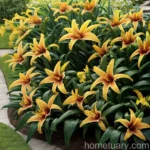
The Hemerocallis ‘Atoll’ is a specific cultivar of the daylily known for its stunning and vibrant flowers. Its prominent features include a compact habit, grassy foliage, and striking blossoms with ruffled petals. The ‘Atoll’ cultivar is prized for its ability to thrive in various climates and soil conditions, making it a popular choice for gardeners seeking a resilient and visually appealing plant for their landscapes.
Key Takeaways – Daylily (Hemerocallis ‘Atoll’)
Before delving into the intricacies of daylily care and maintenance, it is essential to understand the fundamental aspects of this enchanting plant. The following key takeaways summarize the essential characteristics and features of the daylily (Hemerocallis ‘Atoll’):
- Characteristics: The Hemerocallis ‘Atoll’ is characterized by its compact growth habit, grassy foliage, and vibrant, ruffled flowers.
- Growth: This daylily cultivar thrives in various climates and soil conditions, demonstrating resilience and adaptability.
- Cultural Uses: Daylilies are commonly used in landscaping, borders, and as focal points in garden designs, adding color and visual interest.
- Bloom Duration: Each flower of the ‘Atoll’ cultivar lasts for a single day, but multiple blooms are produced on each stem, providing prolonged flowering periods.
Now that we have established an overview of the daylily (Hemerocallis ‘Atoll’), let’s delve into the specific aspects of its care and cultivation.
Daylily (Hemerocallis ‘Atoll’) Care Guide
Caring for the Hemerocallis ‘Atoll’ involves a comprehensive understanding of its cultural requirements, including water, sunlight, fertilizer, soil, pruning, and propagation. Each of these aspects plays a crucial role in nurturing healthy and vibrant daylilies, ensuring their long-term success in gardens and landscapes.
Water
Water is an essential component of daylily care, as it directly impacts the plant’s growth and flowering. Understanding the appropriate watering practices is crucial for maintaining healthy daylilies, including the ‘Atoll’ cultivar. Here are the key considerations for watering daylilies:
Watering Guidelines for Daylilies
- Frequency: Daylilies generally require regular watering, especially during dry spells or extended periods of heat. Water deeply, ensuring that the soil is moist but not waterlogged.
- Avoid Waterlogging: Prevent waterlogging, as excessively wet soil can lead to root rot and other water-related issues. Proper drainage is essential for daylilies, including those of the ‘Atoll’ cultivar.
- Morning Watering: For optimal absorption and to reduce the risk of fungal diseases, it is advisable to water daylilies, including the ‘Atoll’ cultivar, in the morning rather than during the evening.
- Mulching: Apply a layer of organic mulch around daylilies to help retain soil moisture and reduce the frequency of watering, particularly in hot and arid climates.
Sunlight
Sunlight plays a pivotal role in the growth and flowering of daylilies, as it provides the energy needed for photosynthesis and overall plant vigor. Understanding the sunlight requirements and optimizing exposure is essential for cultivating thriving daylilies, including the Hemerocallis ‘Atoll’. Here are the key considerations for sunlight:
Sunlight Requirements for Daylilies
- Full Sun: Daylilies, including the ‘Atoll’ cultivar, thrive in full sun conditions, where they receive at least 6-8 hours of direct sunlight daily. This exposure promotes robust flowering and compact growth.
- Partial Shade: While daylilies prefer full sun, they can tolerate partial shade, especially in regions with intense afternoon sunlight. However, prolonged shade can reduce flowering and overall vigor.
- Southern Exposure: In regions with hot climates, providing some afternoon shade or protection from intense southern sun can benefit daylilies, preventing stress and sunscald.
- Morning Sun: Morning sun exposure is particularly beneficial for daylilies, as it allows the plants to dry off any dew and reduce the risk of fungal diseases.
Fertilizer
Proper nutrition is vital for the optimal growth, flowering, and overall health of daylilies, including the ‘Atoll’ cultivar. Selecting the right fertilizer and understanding the appropriate application practices are essential for nurturing thriving and vibrant daylilies in gardens and landscapes. Here are the key considerations for fertilizer application:
Fertilizing Daylilies
- Balanced Fertilizer: Utilize a balanced, water-soluble fertilizer with an N-P-K ratio of approximately 10-10-10 or similar. This provides the necessary macro and micronutrients for daylily growth and flowering.
- Application Timing: Apply fertilizer in early spring as new growth emerges, and subsequently in late spring or early summer to support the development of flower buds.
- Avoid Overfeeding: Overfertilizing can lead to excessive foliage growth at the expense of flowers, so it is crucial to follow the recommended dosage and avoid excess application.
- Organic Amendments: Incorporating organic matter, such as compost or well-rotted manure, into the soil around daylilies can contribute to long-term soil fertility and health.
Soil
The soil serves as the foundation for the growth and development of daylilies, playing a crucial role in providing essential nutrients, moisture, and a stable root environment. Understanding the soil preferences and preparing the planting site is essential for ensuring the optimal performance of daylilies, including the ‘Atoll’ cultivar. Here are the key considerations for soil:
Soil Preferences for Daylilies
- Well-Drained Soil: Daylilies, including the ‘Atoll’ cultivar, thrive in well-drained soil that prevents waterlogging and promotes healthy root development.
- Loamy Soil: A loamy soil texture with good organic content is ideal for daylilies, providing a balanced mix of drainage and moisture retention.
- Soil pH: Daylilies prefer slightly acidic to slightly alkaline soil, with a pH range of 6.0 to 7.5. Conduct a soil test to assess the pH and amend the soil if necessary.
- Soil Preparation: Prior to planting, cultivate the soil to a depth of 12-18 inches, incorporating organic matter and ensuring that the site is free from debris and competing roots.
Pruning
Pruning plays a critical role in maintaining the aesthetic appeal and overall health of daylilies, including the Hemerocallis ‘Atoll’. Pruning practices focus on removing spent blooms, managing foliage, and dividing clumps to promote continuous flowering and prevent overcrowding. Here are the key considerations for pruning daylilies:
Pruning Techniques for Daylilies
- Deadheading: Remove spent flowers regularly to promote continuous blooming and prevent the development of seed pods, which can divert the plant’s energy away from flower production.
- Foliage Maintenance: Trim back any yellowing or damaged foliage throughout the growing season to maintain a tidy appearance and reduce the risk of fungal diseases.
- Division: Every few years, divide overcrowded clumps of daylilies to rejuvenate the plants, enhance flowering, and prevent the depletion of soil nutrients.
The holistic care of daylilies, encompassing water, sunlight, fertilizer, soil, and pruning, forms the foundation for nurturing thriving and visually captivating Hemerocallis ‘Atoll’ plants. By understanding these cultural elements, gardeners and enthusiasts can cultivate robust and floriferous daylilies in diverse landscapes and garden settings.
Propagation
The propagation of daylilies enables gardeners to expand their plant collection, share divisions with others, and rejuvenate older clumps for enhanced performance. Understanding the methods and techniques for propagating daylilies, including the ‘Atoll’ cultivar, is essential for fostering diversity and sustainability within gardens. Here are the key considerations for propagating daylilies:
Propagation Methods for Daylilies
- Division: The primary method of propagating daylilies involves dividing existing clumps into smaller sections, each containing viable roots and fans. This is typically done in early spring or after the flowering season.
- Division Guidelines: When dividing daylilies, it is essential to ensure that each division possesses healthy roots and at least one fan of leaves. Trim back the foliage to reduce transplant shock and water the newly divided plants thoroughly.
- Offspring Collection: Daylilies also produce seeds that can be collected and germinated to develop new varieties. However, seed propagation requires time and dedication, as it involves hybridization and selection of desirable traits.
- Rhizome Cuttings: Propagation through rhizome cuttings is less common but can be employed to propagate specific cultivars or to propagate daylilies with unique characteristics.
By mastering the art of daylily propagation, gardeners can expand their plant collection, contribute to conservation efforts, and celebrate the diversity of these captivating plants.
Container Popularity
The Hemerocallis ‘Atoll’ holds significant popularity among gardeners and horticultural enthusiasts due to its suitability for container cultivation. The compact growth habit, vibrant blooms, and adaptability of the ‘Atoll’ cultivar make it an ideal candidate for container gardening. Here are the key factors contributing to the popularity of daylilies, including ‘Atoll’, in containers:
Reasons for Container Popularity
- Space Efficiency: Daylilies in containers offer an opportunity for gardeners with limited space to enjoy the beauty of these plants on patios, balconies, and other compact garden settings.
- Versatile Display: Containers allow for versatile placement and arrangement of daylilies, enabling gardeners to create captivating focal points or colorful ensembles.
- Environmental Control: Containers provide the advantage of enhanced control over soil, moisture levels, and microclimates, particularly in regions with challenging growing conditions.
- Seasonal Adjustability: Container-grown daylilies can be repositioned and moved indoors during extreme weather, ensuring their protection and long-term health.
The widespread appeal of growing daylilies, including the ‘Atoll’ cultivar, in containers underscores the adaptability and visual impact of these plants in diverse gardening contexts.
Common Diseases
Plant diseases can pose significant challenges to the health and vitality of daylilies, necessitating vigilance and proactive measures to prevent and manage potential issues. Understanding the common diseases that affect daylilies, including the ‘Atoll’ cultivar, and implementing appropriate disease prevention strategies are essential for maintaining robust and disease-free plants. Here are some of the common diseases that may affect daylilies, along with management considerations:
Common Daylily Diseases
- Leaf Streak: Caused by the fungal pathogen Aureobasidium microstictum, leaf streak manifests as elongated brown lesions on the foliage, reducing the aesthetic appeal of the plants. To manage leaf streak, maintain good airflow, avoid overhead watering, and remove and destroy infected leaves.
- Crown Rot: Crown rot, resulting from various fungi, leads to the decay of the plant’s crown and may cause wilting and death. Preventing crown rot involves ensuring proper drainage, avoiding excessive mulching, and selecting disease-resistant cultivars.
- Rust: Rust is characterized by the development of orange-brown pustules on the foliage, leading to reduced vigor and unsightly appearance. Fungicidal sprays and removal of infected plant material can aid in managing rust in daylilies.
- Mold and Rot: Soil-borne pathogens can cause mold and rot in daylilies, particularly in waterlogged or poorly drained soil. Implementing proper cultural practices, such as soil amendment, and ensuring adequate drainage are crucial for preventing mold and rot.
As with any plant, maintaining proper sanitation, identifying disease symptoms early, and implementing preventive measures are essential for mitigating the impact of diseases on daylilies, including the Hemerocallis ‘Atoll’.
Disease Diagnosis
Diagnosing diseases in daylilies, particularly the ‘Atoll’ cultivar, requires attentive observation, knowledge of common disease symptoms, and, at times, professional assistance. The accurate identification of diseases is crucial for implementing targeted management strategies and ensuring the health and longevity of daylilies. Here are the key steps in diagnosing diseases in daylilies:
Disease Diagnosis Process
- Symptom Recognition: Careful observation of the plants to identify specific symptoms, such as leaf discoloration, lesions, wilting, or unusual growth patterns, is the initial step in disease diagnosis.
- Causal Factors: Assess the environmental and cultural conditions, such as moisture levels, air circulation, and soil quality, that may contribute to disease development in daylilies, including the ‘Atoll’ cultivar.
- Pest Examination: In some cases, diseases in daylilies may be exacerbated by pest infestations, necessitating a comprehensive examination of the plants and the surrounding environment.
- Professional Consultation: When in doubt or when faced with persistent disease challenges, seeking the guidance of a plant pathologist or horticultural expert can aid in accurate disease diagnosis and treatment planning.
Accurate disease diagnosis is essential for implementing targeted measures and safeguarding the health and vitality of daylilies, ensuring their sustained beauty and performance in gardens.
Common Pests
Pest infestations pose a threat to the well-being and aesthetics of daylilies, prompting the need for proactive pest management strategies and preventative measures. Understanding the common pests that may affect daylilies, including the ‘Atoll’ cultivar, and implementing integrated pest management practices are essential for preserving the plants’ health and vibrancy. Here are some of the common pests that may affect daylilies and considerations for pest control:
Common Daylily Pests
- Aphids: Aphids, small sap-sucking insects, can cause distortion of foliage and reduce plant vigor. Natural predators, such as ladybugs, as well as horticultural oils and insecticidal soaps, can aid in controlling aphid populations.
- Thrips: Thrips are tiny insects that feed on flower buds and foliage, leading to distorted growth and diminished flowering. Thoroughly inspecting and cleaning daylily blooms, as well as using insecticidal treatments, can help manage thrips infestations.
- Spider Mites: Spider mites are common pests that may cause stippling, webbing, and decline of foliage in daylilies. Regular monitoring, maintaining adequate humidity, and using natural predators or miticidal sprays can aid in controlling spider mite populations.
Preventative measures, such as promoting biodiversity, maintaining plant vigor, and implementing targeted pest control methods, are essential for managing pest pressures and safeguarding daylilies, including the Hemerocallis ‘Atoll’, from potential damage.
Botanist’s Tips
Drawing on the expertise of botanists and horticultural professionals, it is possible to uncover valuable insights and tips for nurturing thriving daylilies, including the Hemerocallis ‘Atoll’. These botanist-endorsed recommendations encompass a diverse array of cultural practices, pest management, and aesthetic considerations that contribute to the successful cultivation of daylilies. Here are some botanist’s tips for growing and caring for daylilies:
Botanist-Endorsed Tips
- Maintenance Pruning: Regularly remove spent blooms and yellowing foliage to maintain plant aesthetics and promote continuous flowering.
- Companion Planting: Consider planting daylilies alongside companion plants, such as ornamental grasses, coneflowers, and salvias, to create visually harmonious and ecologically beneficial garden ensembles.
- Customized Fertilization: Tailor fertilizer applications based on soil test results and the specific nutritional needs of daylilies, accounting for macro and micronutrient requirements.
- Integrated Pest Management: Embrace natural pest control methods, such as attracting beneficial insects and promoting biodiversity, as part of an integrated approach to pest management.
- Seasonal Adjustments: In regions with distinct seasons, adjust watering, fertilization, and maintenance practices in alignment with the changing environmental conditions to support daylily growth and performance.
By integrating these botanist-endorsed tips into daylily care and maintenance, gardeners can elevate the health, beauty, and ecological value of these captivating plants in diverse garden settings.
Fun Facts
Beyond their ornamental value, daylilies, including the ‘Atoll’ cultivar, boast a fascinating array of attributes and historical significance that contribute to their allure. Exploring the fun and intriguing facts about daylilies provides a deeper appreciation for these enduring plants and their impact on human culture and horticulture. Here are some captivating fun facts about daylilies:
Fun Facts About Daylilies
- Edible Blooms: Certain daylily cultivars produce edible flower buds and blossoms, adding not only visual appeal but also culinary potential to gardens and landscapes.
- Cultural Symbolism: Daylilies have been revered in various cultures for their symbolism, representing elements such as motherhood, renewal, and prosperity in traditions and folklore.
- Historical Significance: Daylilies have been cultivated for centuries and have adorned gardens and landscapes in diverse regions, with some heirloom varieties retaining historical connections and cultural significance.
- Ecological Value: Daylilies, with their attractive flowers and nectar, attract pollinators, including bees and butterflies, contributing to the ecological vibrancy of garden ecosystems.
Embracing the fun facts and historical context of daylilies enriches the experience of cultivating and enjoying these plants, fostering a deeper connection to their beauty and cultural resonance.
Links to External Resources
To further expand your knowledge and appreciation of daylilies, including the Hemerocallis ‘Atoll’, consider exploring the following external resources:
- American Daylily Society: The American Daylily Society provides comprehensive information on daylily cultivation, hybridization, and conservation efforts, serving as a valuable resource for enthusiasts and collectors.
- University Extension Services: University extension services offer educational materials and guides on daylily care, propagation, and pest management, providing science-based recommendations for gardeners and horticulturists.
- Specialty Nurseries: Specialty nurseries offer a diverse array of dayl