Pyrus Pyrifolia ‘Shinseiki’ (Asian Pear)
Pyrus pyrifolia ‘Shinseiki’, commonly known as Asian Pear or Shinseiki Pear, is a delightful fruit-bearing tree admired for its ornamental value and.
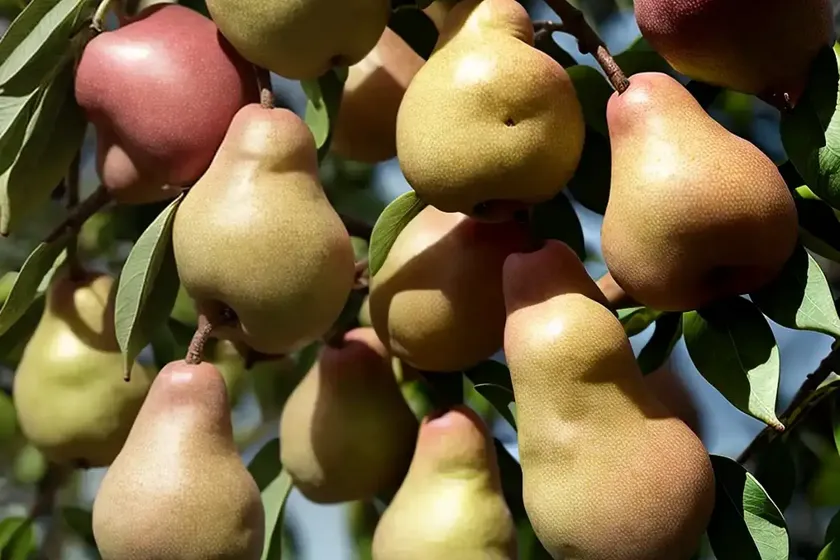
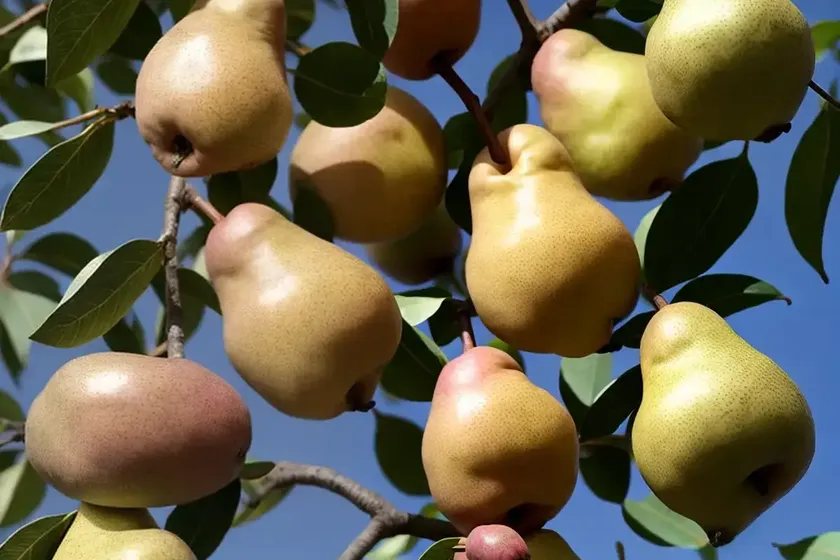
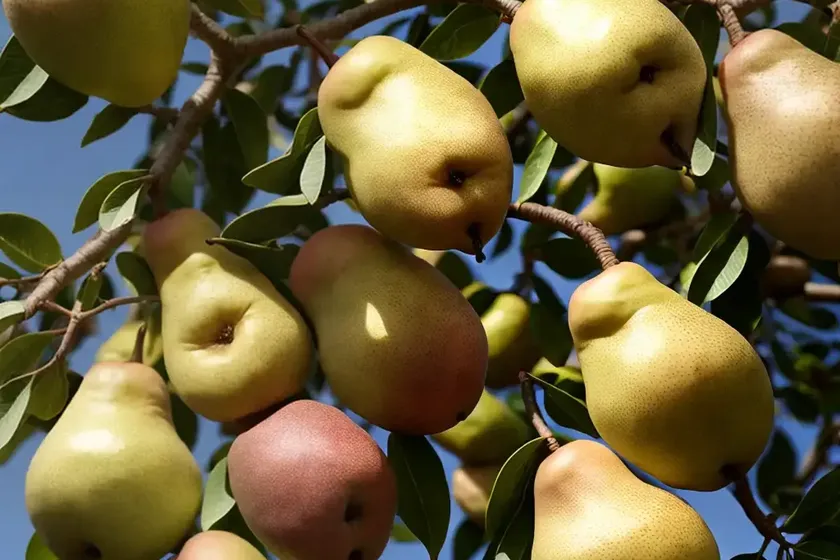
Pyrus pyrifolia ‘Shinseiki’, commonly known as Asian Pear or Shinseiki Pear, is a delightful fruit-bearing tree admired for its ornamental value and delicious, juicy fruits. As a plant scientist, I am excited to share comprehensive insights into the culture, uses, care, and fascinating aspects of this exceptional plant species.
What is Pyrus pyrifolia ‘Shinseiki’?
Pyrus pyrifolia ‘Shinseiki’ is a variety of Asian Pear that belongs to the Rosaceae family. This deciduous tree is native to East Asia, specifically China, Japan, and Korea, and is widely cultivated for its flavorful and crisp fruits. The name “Shinseiki” translates to “new century” in Japanese, signifying the modern aspect of this cultivar.
Key Takeaways – Pyrus pyrifolia ‘Shinseiki’ (Asian Pear)
Culture
- Origin: East Asia, including China, Japan, and Korea
- Botanical Name: Pyrus pyrifolia ‘Shinseiki’
- Common Name: Asian Pear, Shinseiki Pear
- Cultivar History: Evolved in Japan
Uses
- Culinary Uses: Fresh consumption, salads, desserts, and preserves
- Ornamental Value: Beautiful spring blossoms
Water
- Irrigation: Regular watering, especially during fruit development
- Watering Schedule: Adequate water during dry spells
Sunlight
- Light Requirements: Full sun for optimal fruit production
- Sun Exposure: Well-lit areas with direct sunlight
Fertilizer
- Fertilizer Type: Balanced NPK fertilizer
- Fertilization Period: Early spring and late fall
Soil
- Soil Type: Well-draining loamy soil
- Soil pH: Slightly acidic to neutral (pH 6.0-7.0)
Pruning
- Pruning Schedule: Winter dormancy for shaping and maintenance
- Training: Establishing a strong central leader
Propagation
- Propagation Methods: Grafting and budding techniques
- Best Time for Propagation: Late winter to early spring
Container Popularity
- Suitability: Grown in containers for limited spaces
- Container Size: Large pots for root development
Common Diseases
- Fire Blight: Bacterial disease affecting blossoms and branches
- Pear Scab: Fungal infection leading to fruit and leaf lesions
Disease Diagnosis
- Symptoms: Wilting blossoms, blackened twigs, and fruit spots
- Preventive Measures: Early detection and removal of infected parts
Common Pests
- Codling Moth: Damaging larvae tunneling into fruits
- Pear Psylla: Sap-feeding insects causing leaf curling
Botanist’s Tips
- Pollination: Consider cross-pollination for improved fruit set
- Harvest Time: Pick fruits when they attain a yellow-green hue
- Tree Maintenance: Regularly monitor for pests and diseases
Fun Facts
- Flowering Period: Spring blooms attracting pollinators
- Fruiting Habits: Abundant yields in favorable growing conditions
Cultivating the Asian Pear – Care and Requirements
Water
The Asian Pear tree, like many fruit-bearing plants, demands adequate water for healthy growth and bountiful fruit production. Regular irrigation is essential, particularly during the crucial stages of fruit development. Ensuring consistent moisture levels in the soil contributes to the overall health of the tree and the quality of its fruits.
Sunlight
Optimal sunlight exposure is pivotal for the successful cultivation of Pyrus pyrifolia ‘Shinseiki’. Placing the tree in a location with abundant sunlight ensures vigorous growth and prolific fruit bearing. Adequate light also promotes the development of flavorful and succulent fruits, enhancing the overall quality of the harvest.
Fertilizer
To support the vitality of the Asian Pear tree, it is imperative to provide balanced nutrition through appropriate fertilization. Applying a balanced NPK fertilizer in early spring and late fall fortifies the tree with essential nutrients, fostering robust growth and aiding in the production of high-quality fruits.
Soil
The quality of the soil directly impacts the growth and fruiting capabilities of Pyrus pyrifolia ‘Shinseiki’. Well-draining loamy soil enriched with organic matter creates an optimal foundation for the tree’s roots to thrive. Maintaining slightly acidic to neutral soil pH levels within the range of 6.0-7.0 facilitates efficient nutrient uptake and overall plant health.
Pruning
Implementing a systematic pruning schedule during the tree’s winter dormancy is crucial for shaping and maintaining the structure of the Asian Pear tree. By carefully training the tree and removing any dead or diseased branches, a strong central leader can be established, contributing to the tree’s long-term health and productivity.
Propagation
Grafting and budding stand as the primary methods for the propagation of Pyrus pyrifolia ‘Shinseiki’. Undertaking these techniques during late winter to early spring allows for successful establishment and development of new trees, preserving the desired characteristics and traits of the parent plant.
Container Popularity
The Asian Pear tree’s adaptability to container cultivation makes it an attractive option for individuals with limited outdoor space. Growing Pyrus pyrifolia ‘Shinseiki’ in spacious containers not only enables its flourishing in diverse environments but also adds an aesthetically pleasing element to patios, balconies, and small gardens.
Exploring the Uses of the Asian Pear
The culinary versatility of Asian Pears makes them highly sought after for various applications, ranging from fresh consumption to the creation of delectable dishes and preserves. The juicy and crisp nature of the fruits, coupled with their subtly sweet flavor, makes them an excellent addition to salads, desserts, and numerous culinary creations. Additionally, the tree’s captivating spring blossoms contribute to its ornamental value, enhancing the visual appeal of gardens and landscapes.
Addressing Disease and Pest Management
The cultivation of Pyrus pyrifolia ‘Shinseiki’ necessitates diligence in disease diagnosis and the implementation of effective pest control strategies to safeguard the tree’s well-being and preserve the quality of its fruits.
Common Diseases
Fire Blight, a bacterial disease, poses a significant threat to the blossoms and branches of the Asian Pear tree, potentially leading to extensive damage if left unaddressed. Additionally, Pear Scab, a fungal infection causing fruit and leaf lesions, requires proactive management to prevent adverse effects on the tree’s health and fruit yield.
Disease Diagnosis
Recognizing the early symptoms of diseases such as wilting blossoms, blackened twigs, and fruit spots is crucial for the timely intervention and mitigation of potential threats. Through vigilant monitoring and prompt action in removing infected plant parts, the impact of diseases can be minimized, preserving the overall vitality of the tree.
Common Pests
The presence of pests such as Codling Moth and Pear Psylla necessitates vigilant monitoring and proactive measures to curtail their detrimental impact on the Asian Pear tree. The damaging activities of these pests, if unchecked, can lead to compromised fruit quality and diminished tree health.
Embracing Botanist’s Tips and Fun Facts
The cultivation of Pyrus pyrifolia ‘Shinseiki’ is further enriched by incorporating the insights and guidelines offered by botanists, ensuring optimal tree care and enhancing the overall growing experience.
Botanist’s Tips
- Pollination: Considering cross-pollination with compatible varieties can significantly enhance fruit set and yield.
- Harvest Time: Fruits should be harvested when they attain a yellow-green hue, indicating peak ripeness.
- Tree Maintenance: Regular monitoring for pests and diseases is instrumental in preserving the tree’s health and productivity.
Fun Facts
- The captivating spring blooms of the Asian Pear tree attract an array of pollinators, contributing to the ecological diversity of its surroundings.
- The tree exhibits abundant fruiting habits under favorable conditions, yielding a profusion of delectable fruits for culinary enjoyment.
Exploring External Resources
For a comprehensive understanding of Pyrus pyrifolia ‘Shinseiki’ and its cultivation, detailed resources and extensive information can be accessed through the following links:
- American Society of Plant Biologists
- The Royal Horticultural Society
- Crop Science Society of America
- Plant Physiology Online
Conclusion
Pyrus pyrifolia ‘Shinseiki’, the Asian Pear, stands as a remarkable fruit-bearing tree favored for its delicious fruits and exquisite ornamental value. Nurturing and cultivating this exceptional plant species demands a thorough understanding of its culture, care requirements, and the management of potential challenges posed by diseases and pests. With a commitment to providing optimal water, sunlight, and nutrition, coupled with systematic pruning and propagation, the Asian Pear tree can flourish, offering a bounty of delightful fruits and captivating beauty.
As a plant scientist, I am dedicated to advancing the knowledge and appreciation of plants, and I trust that this in-depth exploration of Pyrus pyrifolia ‘Shinseiki’ serves as a valuable resource for enthusiasts and horticultural enthusiasts alike, inspiring the successful cultivation and enjoyment of this remarkable fruit-bearing tree.
Keywords: Pyrus pyrifolia ‘Shinseiki’ cultivar, Asian Pear Shinseiki variety, Pyrus pyrifolia description, Shinseiki pear tree, Asian Pear characteristics, Pyrus pyrifolia Shinseiki plant care, Asian Pear tree growth, Pyrus pyrifolia Shinseiki origin, Asian Pear Shinseiki cultivar, Pyrus pyrifolia Shinseiki disease resistance, Asian Pear Shinseiki harvest time, Pyrus pyrifolia Shinseiki pollination, Asian Pear Shinseiki taste, Pyrus pyrifolia Shinseiki uses, Asian Pear Shinseiki planting tips, Pyrus pyrifolia Shinseiki pruning techniques, Asian Pear Shinseiki fertilizer requirements, Pyrus pyrifolia Shinseiki pests and diseases, Asian Pear Shinseiki climate requirements, Pyrus pyrifolia Shinseiki growth rate, Asian Pear Shinseiki fruiting season, Pyrus pyrifolia Shinseiki tree size, Asian Pear Shinseiki fruit characteristics, Pyrus pyrifolia Shinseiki cultivar history, Asian Pear Shinseiki tree lifespan, Pyrus pyrifolia Shinseiki propagation methods, Asian Pear Shinseiki storage tips, Pyrus pyrifolia Shinseiki root system, Asian Pear Shinseiki nutritional value, Pyrus pyrifolia Shinseiki fruit ripening process, Asian Pear Shinseiki culinary uses, Pyrus pyrifolia Shinseiki landscape design, Asian Pear Shinseiki companion plants, Pyrus pyrifolia Shinseiki fruit quality, Asian Pear Shinseiki flowering period, Pyrus pyrifolia Shinseiki tree maintenance, Asian Pear Shinseiki fruiting habits, Pyrus pyrifolia Shinseiki hardiness zone, Asian Pear Shinseiki tree lifespan, Pyrus pyrifolia Shinseiki cross-pollination, Asian Pear Shinseiki fruit set, Pyrus pyrifolia Shinseiki grafting techniques, Asian Pear Shinseiki disease resistance, Pyrus pyrifolia Shinseiki pruning schedule, Asian Pear Shinseiki ornamental value, Pyrus pyrifolia Shinseiki common problems, Asian Pear Shinseiki rootstock options, Pyrus pyrifolia Shinseiki tree form, Asian Pear Shinseiki pest control, Pyrus pyrifolia Shinseiki invasive species control


