Pyrus Communis ‘Red Sensation Bartlett’ (European Pear)
The Pyrus communis ‘Red Sensation Bartlett’ or the European Pear is a popular fruit-bearing tree known for its sweet and succulent pears. As a plant.
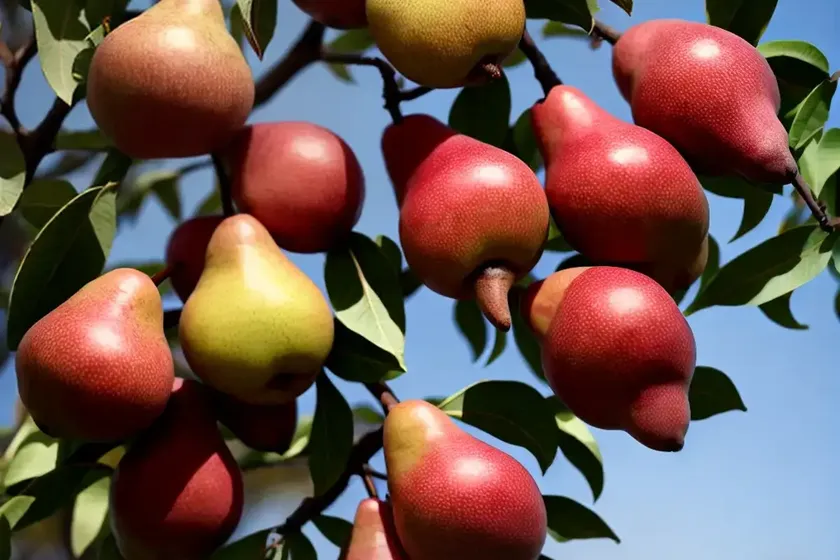
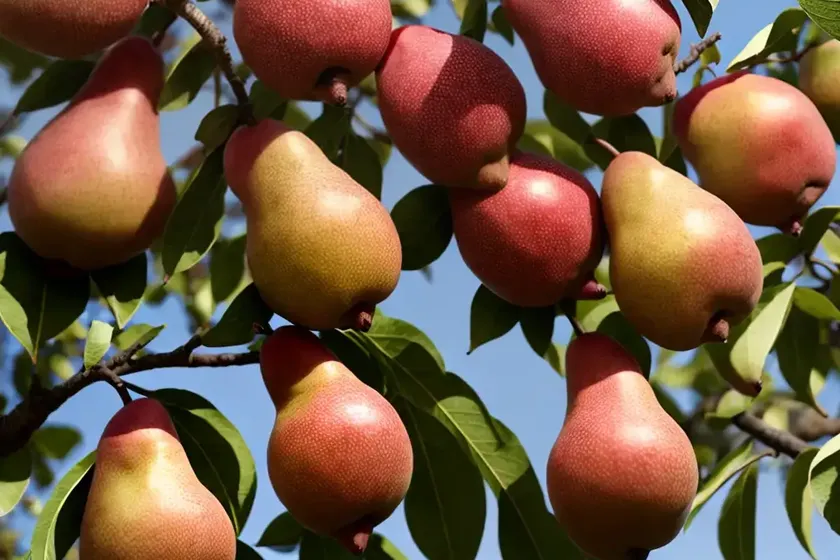
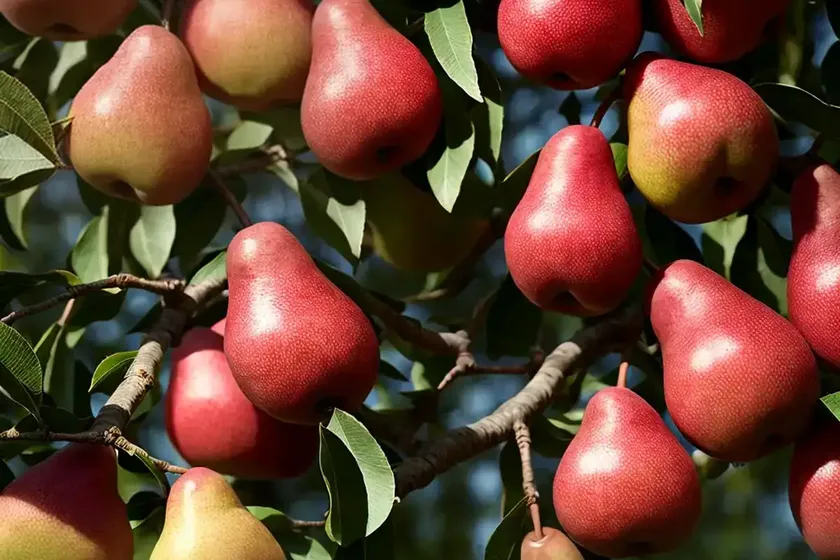
The Pyrus communis ‘Red Sensation Bartlett’ or the European Pear is a popular fruit-bearing tree known for its sweet and succulent pears. As a plant scientist with a passion for horticulture and botany, I am excited to share a detailed plant care guide for this fascinating species. In this comprehensive guide, we will explore the cultural practices, uses, and essential care tips for growing and maintaining the Pyrus communis ‘Red Sensation Bartlett’. Whether you are a seasoned gardener or a novice enthusiast, this guide will equip you with the knowledge and skills necessary to cultivate and enjoy the bountiful harvests of European Pears.
What is Pyrus communis ‘Red Sensation Bartlett’ (European Pear)?
The Pyrus communis ‘Red Sensation Bartlett’ is a variety of European Pear tree prized for its exceptional fruit quality and ornamental value. This cultivar is renowned for producing delectable and aromatic pears with a distinct red blush over a yellow-green background, adding visual appeal to orchards and gardens.
Key Takeaways – Pyrus communis ‘Red Sensation Bartlett’ (European Pear)
Before delving into the specifics of caring for the Pyrus communis ‘Red Sensation Bartlett’, let’s take a brief look at some key aspects of this remarkable plant.
- Culture
-
The European Pear tree is appreciated for its cultural significance, both as a fruit-bearing tree and an ornamental specimen. Its cultivation has been honed through generations, resulting in diverse varieties tailored to different climate and soil conditions.
-
Uses
-
The primary use of the Pyrus communis ‘Red Sensation Bartlett’ is the production of flavorful and juicy pears. Additionally, the tree is valued for its aesthetic appeal, making it a sought-after choice for landscaping and home orchards.
-
Water
-
Adequate water supply is crucial for the growth and development of European Pear trees. However, proper irrigation practices are essential to prevent water-related stress and diseases.
-
Sunlight
-
European Pear trees thrive in full sun, requiring at least 6-8 hours of direct sunlight daily for optimal growth and fruit production.
-
Fertilizer
-
Providing the right balance of nutrients is essential for the health and productivity of Pyrus communis ‘Red Sensation Bartlett’. Appropriate fertilization can contribute to robust growth and abundant fruit set.
-
Soil
-
The choice of soil and its composition significantly impacts the growth and overall health of European Pear trees. Understanding soil requirements is essential for successful cultivation.
-
Pruning
-
Pruning plays a critical role in shaping the tree, promoting air circulation, and enhancing fruit quality. Knowledge of proper pruning techniques is imperative for the maintenance of European Pear trees.
-
Propagation
-
Understanding propagation methods is essential for expanding pear orchards and preserving desirable traits. Proper techniques can ensure successful establishment of new trees.
-
Container
-
Growing European Pear trees in containers is a viable option for individuals with limited space. However, specific considerations must be made to accommodate the tree’s requirements in a confined environment.
-
Popularity
-
The Red Sensation Bartlett Pear, known for its flavorful and visually appealing fruit, has gained popularity among fruit enthusiasts, commercial growers, and home gardeners.
-
Common Diseases
-
Like all plants, European Pear trees are susceptible to various diseases, and preemptive measures are crucial to prevent and manage these issues effectively.
-
Common Pests
- Understanding the common pests that affect Pyrus communis ‘Red Sensation Bartlett’ is essential for implementing pest control measures and maintaining tree health.
Now, let’s delve deeper into each of these aspects, providing detailed insights and practical tips for the care and cultivation of the Pyrus communis ‘Red Sensation Bartlett’.
Culture of Pyrus communis ‘Red Sensation Bartlett’ (European Pear)
Growing Conditions
European Pear trees thrive under specific environmental conditions, and understanding these requirements is crucial for their successful cultivation. The following factors are essential considerations when cultivating Pyrus communis ‘Red Sensation Bartlett’:
- Climate and Hardiness Zones
-
European Pear trees are suited to temperate climates, with specific hardiness zones determining their adaptability to different regions. The Red Sensation Bartlett Pear is known for its tolerance to a range of climates, making it a versatile choice for many growers. Understanding the hardiness zone recommendations is imperative for successful cultivation in various geographical areas.
-
Soil Requirements
-
Well-drained, fertile soil is ideal for European Pear trees, with a preference for loamy or sandy loam soil types. The soil should have good aeration and water retention capabilities, providing an optimal environment for root development and nutrient uptake.
-
Watering Needs
- Adequate water supply is crucial for the establishment and growth of European Pear trees. While they are relatively drought-tolerant once established, consistent and sufficient irrigation is essential, particularly during periods of low rainfall and fruit development.
Uses of Pyrus communis ‘Red Sensation Bartlett’
The European Pear holds significant cultural and utilitarian value, serving multiple purposes that contribute to its appeal in orchards and landscapes. The primary uses of the Pyrus communis ‘Red Sensation Bartlett’ include:
- Fruit Production
-
The Red Sensation Bartlett Pear is renowned for its delectable, sweet, and juicy pears, making it a favored choice for fresh consumption, culinary applications, and commercial production. The distinct red blush over the fruit’s skin makes it visually appealing, enhancing its desirability.
-
Ornamental Beauty
- Beyond its edible fruits, European Pear trees add aesthetic value to gardens and orchards, particularly during the blooming season when they bear delicate white blossoms. The tree’s attractive foliage and graceful growth habit make it an appealing ornamental specimen in diverse landscapes.
These uses, combined with the tree’s adaptability to different growing conditions, contribute to the widespread popularity and cultivation of Pyrus communis ‘Red Sensation Bartlett’ in numerous regions.
Watering European Pear Trees
Proper watering is essential for the healthy growth and development of European Pear trees. Understanding the tree’s water requirements and implementing appropriate irrigation practices are key to promoting optimal growth and fruit production.
Watering Guidelines
- Establishment Phase
-
Newly planted Pyrus communis ‘Red Sensation Bartlett’ trees require regular and consistent watering to aid in root establishment. During the first year, supplemental irrigation is crucial to ensure that the young tree receives sufficient moisture for robust growth.
-
Mature Trees
-
Once established, European Pear trees exhibit moderate drought tolerance; however, consistent watering is still necessary, especially during dry spells and hot summer months. Deep and infrequent watering is preferred over frequent shallow watering, as it encourages the development of a deep and robust root system.
-
Watering Frequency
-
During periods of active growth, including the flowering and fruit development stages, European Pear trees benefit from regular watering. While the frequency may vary based on climate and soil conditions, a general guideline is to provide 1-1.5 inches of water per week during the growing season.
-
Irrigation Methods
- Drip irrigation, soaker hoses, or watering by hand are effective methods for providing targeted and efficient irrigation to European Pear trees. These methods allow for controlled water distribution, minimizing water wastage and promoting uniform moisture levels in the root zone.
By adhering to appropriate watering practices, growers can maintain the vigor and productivity of Pyrus communis ‘Red Sensation Bartlett’ while minimizing the risk of water-related stress and associated disorders.
Sunlight Requirements for European Pear Trees
Sunlight is a critical factor influencing the growth, flowering, and fruiting of European Pear trees. Adequate sun exposure is essential for optimizing photosynthesis, ensuring healthy fruit development, and maintaining overall tree vitality.
Sun Exposure Preferences
- Full Sun
-
European Pear trees thrive in full sun, requiring at least 6-8 hours of direct sunlight daily for optimal growth and fruit production. Adequate exposure to sunlight promotes vigorous vegetative growth, enhances the tree’s ability to produce energy through photosynthesis, and contributes to the formation of high-quality fruits.
-
Partial Shade Considerations
- While European Pear trees prefer full sun conditions, they can tolerate partial shade, especially in regions with intense summer heat. In such cases, it is essential to ensure that the tree still receives a significant amount of sunlight to support its physiological processes and fruiting capabilities.
Encouraging Sunlight Penetration
- Pruning
-
Proper pruning of European Pear trees is instrumental in promoting sunlight penetration to the inner canopy, ensuring that a healthy balance of light reaches the developing fruit clusters. Selective thinning of branches and strategic pruning can optimize light exposure and air circulation, contributing to the overall health and productivity of the tree.
-
Canopy Management
- Maintaining an open and well-spaced canopy structure allows for the penetration of sunlight to lower and inner branches. This approach prevents shading and encourages uniform fruit ripening, ultimately enhancing the quality and quantity of the harvest.
Maximizing sun exposure and implementing appropriate canopy management practices are essential for optimizing the growth and fruiting potential of Pyrus communis ‘Red Sensation Bartlett’.
Fertilizing European Pear Trees
Fertilization plays a crucial role in supplying essential nutrients to European Pear trees, supporting their growth, fruiting capacity, and overall health. By understanding the nutritional requirements of Pyrus communis ‘Red Sensation Bartlett’ and implementing appropriate fertilization practices, growers can ensure vigorous growth and abundant harvests.
Nutrient Requirements
- Macronutrients
-
European Pear trees require a balanced supply of macronutrients, including nitrogen (N), phosphorus (P), and potassium (K), to support their physiological processes and fruit development. Providing these primary nutrients in appropriate proportions is essential for sustaining robust growth and promoting fruit set.
-
Micronutrients
- In addition to macronutrients, European Pear trees benefit from the uptake of essential micronutrients such as iron, zinc, manganese, and others. These micronutrients play vital roles in enzyme activation, photosynthesis, and overall metabolic functions within the plant.
Fertilization Guidelines
- Soil Testing
-
Conducting a soil test is a valuable first step in determining the existing nutrient levels and pH of the soil. This information guides the formulation of a targeted fertilization plan tailored to the specific needs of Pyrus communis ‘Red Sensation Bartlett’ and the soil conditions.
-
Balanced Fertilizer Application
-
Based on the results of the soil test, selecting a balanced fertilizer with the appropriate NPK ratio is essential for meeting the tree’s nutritional requirements. Timing and method of application are equally important to ensure efficient nutrient uptake and utilization.
-
Seasonal Fertilization
- European Pear trees benefit from seasonal applications of fertilizer, with emphasis on providing nutrients before the growing season and during key developmental stages. Fertilizing in early spring and again in late spring or early summer supports the tree’s vegetative growth and fruit set.
By adhering to proper fertilization practices and addressing the specific nutrient needs of Pyrus communis ‘Red Sensation Bartlett’, growers can optimize the tree’s performance and ensure the production of high-quality fruits.
Soil Requirements for European Pear Trees
The choice of soil and its composition significantly impacts the growth and overall health of European Pear trees. Understanding the soil requirements and providing an optimal growing medium is imperative for successful cultivation and sustained productivity.
Ideal Soil Characteristics
- Well-Drained Soil
-
European Pear trees thrive in well-drained soil that allows excess water to percolate freely, preventing waterlogging and root suffocation. Adequate drainage is critical for maintaining healthy root systems and preventing water-related disorders.
-
Fertile Soil
-
Fertile soil rich in organic matter provides the necessary nutrients and supports the vigorous growth of Pyrus communis ‘Red Sensation Bartlett’. Soil fertility contributes to robust vegetative development, proper fruit formation, and overall tree vigor.
-
pH Range
-
The ideal pH range for European Pear trees is slightly acidic to neutral, typically between 6.0 and 7.5. Maintaining the appropriate soil pH facilitates optimal nutrient uptake and supports the tree’s metabolic processes.
-
Soil Texture
- Loamy or sandy loam soil with good structure and adequate aeration promotes healthy root development and facilitates nutrient and water uptake. Soil with proper texture encourages the establishment of a strong and expansive root system.
Soil Preparation and Amendment
- Soil Testing
-
Conducting a soil test is essential to assess the existing soil characteristics, including nutrient levels, pH, and overall suitability for European Pear cultivation. The results of the soil test guide the necessary soil amendments and adjustments to create an optimal growing environment.
-
Organic Matter Addition
-
Incorporating organic matter such as well-rotted compost, aged manure, or organic mulches into the soil enhances its fertility and structure. Organic amendments improve soil texture, moisture retention, and nutrient availability, benefiting the overall health of Pyrus communis ‘Red Sensation Bartlett’.
-
Drainage Considerations
- Addressing drainage issues, if present, is crucial for preventing waterlogging and ensuring proper aeration in the root zone. Implementing measures to improve soil drainage, such as raised beds or subsoil drainage systems, can mitigate water-related challenges.
By understanding the soil requirements of European Pear trees and implementing appropriate soil preparation and management practices, growers can establish a conducive growing environment for Pyrus communis ‘Red Sensation Bartlett’ and promote its long-term health and productivity.
Pruning European Pear Trees
Proper pruning is essential for the maintenance and management of European Pear trees, contributing to improved fruit quality, canopy structure, and overall tree vigor. Understanding the principles of pruning and implementing targeted techniques are crucial for the successful cultivation of Pyrus communis ‘Red Sensation Bartlett’.
Pruning Objectives
- Canopy Management
-
Pruning is instrumental in shaping and controlling the canopy of European Pear trees, promoting a balanced and open structure that allows for adequate sunlight penetration, air circulation, and optimal fruit development.
-
Deadwood Removal
-
Removing dead, diseased, or damaged branches through pruning prevents the spread of diseases, enhances the tree’s appearance, and promotes overall tree health.
-
Thinning and Training
- Selective thinning of branches and training the tree’s growth through pruning helps maintain a desirable shape, encourages fruit production, and facilitates ease of maintenance.
Pruning Best Practices
- Timing
-
Pruning European Pear trees is typically conducted during the dormant season, preferably in late winter or early spring before the onset of new growth. Pruning during this period minimizes stress on the tree and reduces the risk of pest and disease infestations.
-
Techniques
-
Using sharp, sterile pruning tools, such as pruning shears and pruning saws, is essential for making clean and precise cuts. Proper pruning techniques, including thinning cuts, heading cuts, and removal of water sprouts, contribute to the tree’s overall health and productivity.
-
Disease Management
-
Pruning practices aimed at removing diseased or infected wood help mitigate the spread of pathogens and improve the tree’s resilience against diseases. Sanitizing pruning tools between cuts is imperative to prevent disease transmission.
-
Training Young Trees
- Training young European Pear trees through selective pruning establishes a strong and well-balanced framework, setting the foundation for future growth and fruit production.
By adhering to appropriate pruning practices and understanding the specific requirements of Pyrus communis ‘Red Sensation Bartlett’, growers can effectively manage the tree’s growth, enhance fruit quality, and promote long-term tree health.
Propagation Methods for European Pear Trees
Understanding the various propagation methods for European Pear trees is essential for expanding orchards, preserving desirable traits, and ensuring the availability of genetically diverse and healthy trees. By exploring different propagation techniques, growers can propagate Pyrus communis ‘Red Sensation Bartlett’ effectively and sustainably.
Propagation Techniques
- Grafting
-
Grafting is one of the most common and reliable methods used to propagate European Pear trees, allowing growers to combine desired rootstocks with compatible scion varieties. Techniques such as whip grafting, cleft grafting, and budding are employed to create grafted pear trees with specific characteristics.
-
Seed Propagation
-
While less commonly used in commercial settings, seed propagation can be employed to grow European Pear trees from seeds. However, this method may result in genetic variability and requires careful selection and breeding to ensure desirable traits in the offspring.
-
Tissue Culture
-
Tissue culture propagation enables the cloning of elite or disease-free plants, producing genetically identical copies of the parent tree. This method allows for the rapid multiplication of desirable cultivars and the preservation of valuable genetic material.
-
Air Layering
- Air layering offers an alternative method of propagating European Pear trees, particularly for home gardeners seeking to establish new trees from existing specimens. This technique involves encouraging the growth of roots on a branch while it is still attached to the parent tree, ultimately yielding a rooted plant that can be separated and transplanted.
By mastering the various propagation techniques suitable for Pyrus communis ‘Red Sensation Bartlett’, growers can expand their orchards, maintain genetic diversity, and ensure the availability of high-quality trees for future cultivation.
Container Cultivation of European Pear Trees
Growing European Pear trees in containers presents an attractive option for individuals with limited space, allowing them to enjoy the beauty and bounty of these fruit-bearing trees in a confined environment. By understanding the unique considerations associated with container cultivation, growers can successfully grow Pyrus communis ‘Red Sensation Bartlett’ in containers.
Container Selection and Preparation
- Size and Depth
-
Selecting adequately sized containers with sufficient depth and volume is essential for accommodating the root system of European Pear trees. Large containers allow for ample root expansion and contribute to the overall vigor of the tree.
-
Drainage
-
Ensuring proper drainage in containers is crucial for preventing waterlogged soil and root suffocation. Choosing containers with adequate drainage holes or incorporating supplemental drainage features is imperative for maintaining healthy root systems.
-
Growing Medium
- Employing a well-draining and nutrient-rich growing medium suitable for container cultivation is essential. A balanced mix of high-quality potting soil, organic matter, and perlite or coarse sand promotes healthy root development and provides essential nutrients for the tree.
Maintenance Considerations
- Watering and Fertilization
-
Container-grown European Pear trees require regular watering to maintain optimal soil moisture levels, particularly during periods of active growth and fruit development. Additionally, providing balanced fertilization to supplement nutrient uptake is essential for sustaining tree health.
-
Root Pruning and Repotting
-
Periodic root pruning and repotting are necessary for managing the root system, preventing root congestion, and promoting the overall vitality of the tree. Additionally, repotting allows for the replenishment of growing medium and ensures sufficient space for continued root growth.
-
Sunlight and Air Circulation
- Positioning the container in a location that receives adequate sunlight and provides good air circulation is essential for promoting healthy growth and fruit production. Optimizing environmental conditions within the container supports the tree’s overall vigor and productivity.
Cultivation Advantages
- Space and Mobility
- Growing European Pear trees in containers offers flexibility and mobility, allowing individuals with limited garden space to cultivate these fruit-bearing trees


