Pyrus Communis ‘Moonglow’ (European Pear)
Pyrus communis ‘Moonglow’, commonly known as the European Pear, is a popular fruit-bearing tree cultivated for its delectable fruits and ornamental value..
Introduction
Pyrus communis ‘Moonglow’, commonly known as the European Pear, is a popular fruit-bearing tree cultivated for its delectable fruits and ornamental value. This cultivar, known for its exceptional fruit quality, disease resistance, and adaptability, has garnered an esteemed status among fruit growers and horticulturists. In this comprehensive guide, we will delve into the various aspects of cultivating and caring for Pyrus communis ‘Moonglow’, from its cultural requirements to common diseases and pests, and provide valuable insights for successful cultivation.
Key Takeaways – Pyrus communis ‘Moonglow’ (European Pear)
Before we embark on understanding the intricacies of growing Pyrus communis ‘Moonglow’, let’s explore the key takeaways that will be covered in this guide:
- Understanding the culture and uses of Pyrus communis ‘Moonglow’
- Exploring the key considerations for watering, sunlight, fertilizer, and soil requirements
- Learning the art of pruning and propagation for European Pear trees
- Discussing the popular methods for cultivation in containers
- Identifying common diseases and pests, along with effective diagnosis and treatment
- Unveiling botanist’s tips and fun facts about Pyrus communis ‘Moonglow’
- Providing access to valuable external resources for further exploration
What is Pyrus communis ‘Moonglow’ (European Pear)?
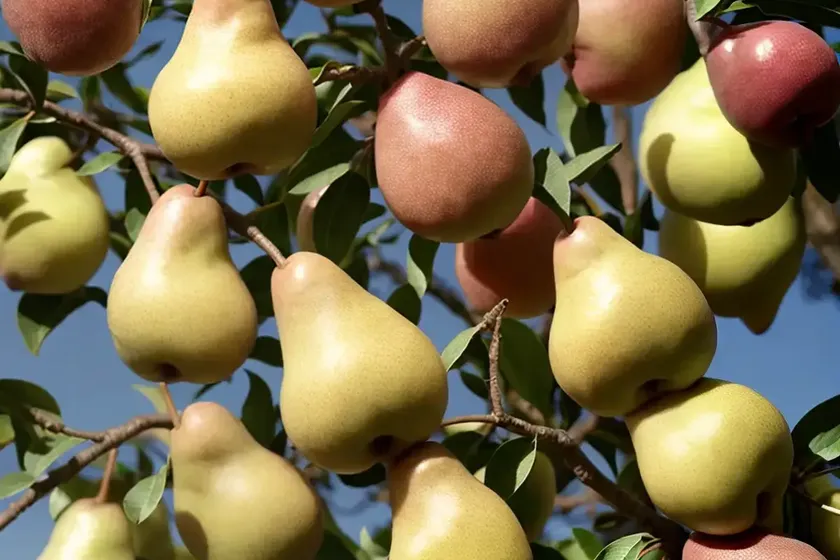
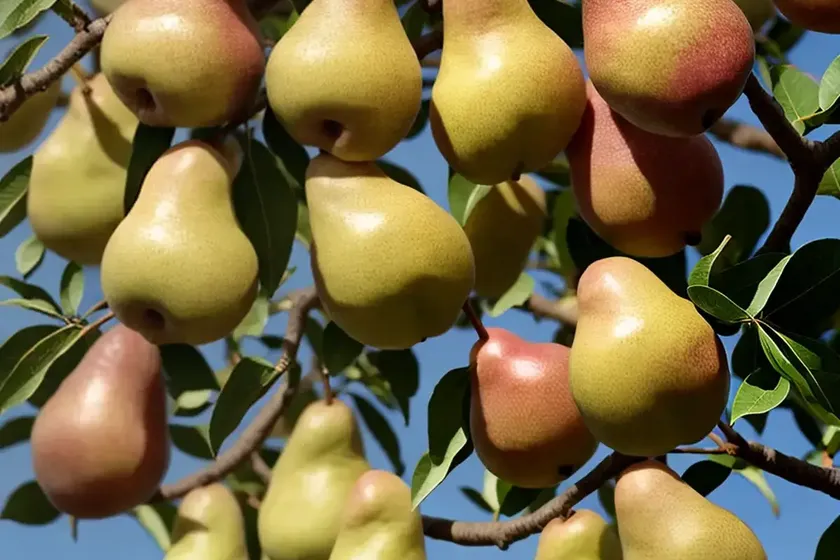
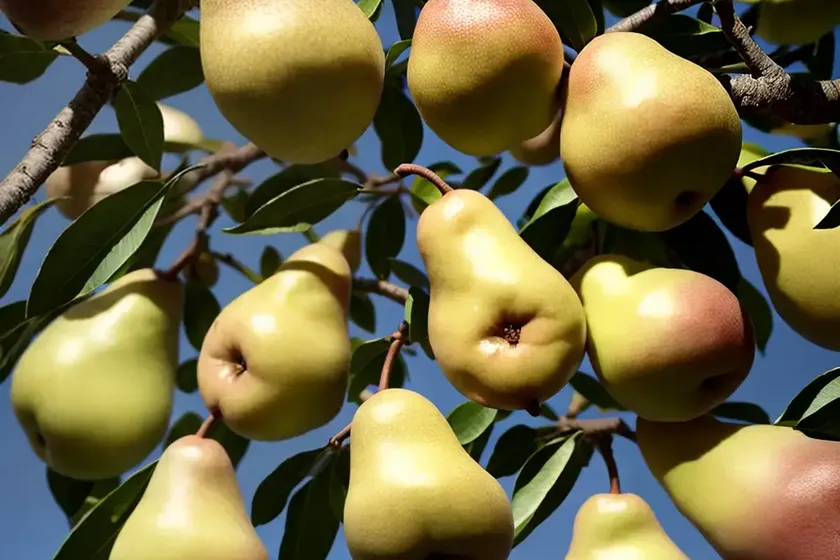
Pyrus communis, commonly known as the European Pear, belongs to the Rosaceae family and is native to Eurasia. ‘Moonglow’ is a specific cultivar of Pyrus communis, prized for its sweet and juicy fruits, vigorous growth, and attractive appearance. The tree bears white flowers in spring, followed by an abundant yield of medium to large-sized pears with a smooth, golden-yellow skin and excellent flavor characteristics.
Cultivation of Pyrus communis ‘Moonglow’
- Genus: Pyrus
- Species: P. communis
- Common Name: European Pear
- Cultivar: ‘Moonglow’
The ‘Moonglow’ variety of European Pear exhibits remarkable adaptability to various climatic and soil conditions, making it an ideal choice for orchard cultivation and home gardens. With proper care and attention, this cultivar can thrive and bear fruit for several decades, delighting growers with its bountiful harvests.
Culture
Uses
Pyrus communis ‘Moonglow’ serves a dual purpose, effectively combining ornamental value with delectable fruits. The following are among the primary uses of this European Pear cultivar:
– Ornamental Display: The tree adds aesthetic appeal to landscapes with its abundant, white blossoms in spring and lush, green foliage in summer.
– Fruit Production: ‘Moonglow’ is primarily grown for its juicy, flavorful pears, suitable for fresh consumption, preservation, and culinary applications such as pear tarts, jams, and desserts.
Water
Proper watering is crucial for the healthy growth and fruit development of Pyrus communis ‘Moonglow’. The tree requires regular irrigation, especially during the establishment phase and dry periods, to ensure optimal moisture levels in the root zone.
-
Establishment Phase: Newly planted trees should be watered generously to promote root establishment and early growth. Provide supplemental irrigation as needed, especially during hot and dry weather.
-
Mature Trees: Once established, ‘Moonglow’ pears benefit from deep, infrequent watering to encourage deep root development and drought tolerance. Monitor soil moisture regularly and water when the top few inches of soil feel dry.
Sunlight
European Pear trees thrive in full sunlight, which is essential for maximizing fruit production and maintaining overall vigor. When selecting a planting site for Pyrus communis ‘Moonglow’, ensure that it receives ample sunlight throughout the day.
-
Optimal Sun Exposure: Aim to plant the tree in a location with at least 6-8 hours of direct sunlight daily. Adequate sun exposure promotes strong growth, flowering, and fruiting.
-
Shade Tolerance: While ‘Moonglow’ prefers full sun, it can tolerate partial shade, especially in regions with intense afternoon sun or hot summers. However, fruit production may be somewhat reduced in shaded conditions.
Fertilizer
Appropriate fertilization is essential for supplying essential nutrients to Pyrus communis ‘Moonglow’, promoting vigorous growth, and enhancing fruit quality. A balanced fertilization regimen tailored to the tree’s nutritional requirements can significantly impact its overall health and productivity.
-
Spring Application: Apply a complete, slow-release, balanced fertilizer in early spring before the onset of new growth. Use a formulation with an N-P-K ratio of 10-10-10 or similar, following the manufacturer’s recommendations for dosage.
-
Avoid Excessive Nitrogen: While nitrogen is crucial for vegetative growth, excessive nitrogen can lead to excessive foliage at the expense of fruit production. Focus on balanced fertilization to support both growth and fruiting.
-
Soil Testing: Periodic soil testing can provide valuable insights into the tree’s nutrient needs, enabling targeted fertilization based on deficiencies or imbalances identified.
Soil
Pyrus communis ‘Moonglow’ thrives in well-drained, fertile soil with a slightly acidic to neutral pH range. The following considerations are essential for ensuring optimal soil conditions for European Pear cultivation:
-
Drainage: Ensure that the planting site offers good drainage to prevent waterlogging, which can lead to root rot and other moisture-related issues. Avoid planting in low-lying or compacted soil.
-
Soil Amendment: Incorporate organic matter such as compost or well-rotted manure when preparing the planting site or top-dressing the soil. Organic amendments improve soil structure, fertility, and moisture retention.
-
pH Level: Aim for a soil pH in the range of 6.0-6.5, which is conducive to nutrient uptake and overall tree health. Conduct a soil test to determine the pH and make adjustments if necessary using appropriate amendments.
Pruning
Pruning is an essential cultural practice for shaping the growth of Pyrus communis ‘Moonglow’, promoting fruit production, and maintaining overall tree health. Proper pruning techniques can help achieve an open canopy, improve light penetration, and remove diseased or damaged wood.
-
Timing: Conduct major pruning during late winter to early spring while the tree is dormant. Pruning during this period minimizes stress and promotes rapid wound healing as new growth emerges.
-
Objective: Focus on removing dead, diseased, or crossing branches, along with any water sprouts or suckers emerging from the base of the tree. Encourage a balanced framework with well-spaced scaffold branches.
-
Tools: Use sharp, sterilized pruning tools such as hand pruners, loppers, and pruning saws to make clean cuts without causing unnecessary damage to the wood. Disinfect tools between cuts, especially when dealing with diseased wood.
Propagation
Propagating Pyrus communis ‘Moonglow’ involves various methods, each suited to different circumstances and preferences. Whether growers seek to expand their orchard, share the cultivar with fellow enthusiasts, or experiment with rootstock combinations, propagation offers an exciting avenue for multiplying the European Pear’s presence.
-
Grafting: Common techniques such as whip and tongue grafting or cleft grafting can be employed to propagate ‘Moonglow’ onto suitable rootstocks, imparting desired characteristics and adaptability to the resulting tree.
-
Layering: Air layering or simple layering can be utilized to encourage roots to form on a parent branch, creating a new, self-sustaining tree connected to the original specimen until it is ready for independent growth.
-
Seed Propagation: While seed propagation is possible, it may result in variability in fruit quality and characteristics due to genetic recombination. As such, asexual propagation methods are more commonly employed to maintain the cultivar’s consistency.
Container Cultivation
Popularity
Cultivating Pyrus communis ‘Moonglow’ in containers has gained popularity among urban gardeners, enthusiasts with limited space, and those seeking to enhance their outdoor living areas with fruit-bearing specimens in pots or tubs.
-
Space Efficiency: Container cultivation allows growers to utilize patios, balconies, and small gardens to introduce the beauty and productivity of ‘Moonglow’ pears without requiring extensive land or orchard space.
-
Ornamental Appeal: The striking appearance of the tree in bloom and the developing fruits adds visual interest and charm to outdoor spaces, making it a popular choice for container gardening.
Common Diseases
While Pyrus communis ‘Moonglow’ is generally resistant to many common diseases affecting pear trees, there are certain fungal, bacterial, and viral pathogens that may pose a risk to its health and productivity. Understanding these diseases, their symptoms, and appropriate management strategies is essential to safeguarding the tree’s well-being.
Disease Diagnosis
Early detection and accurate diagnosis of diseases affecting ‘Moonglow’ pears are critical for implementing timely interventions and preventing the spread of pathogens. The following are some common diseases that can affect European Pear trees:
- Fire Blight (Erwinia amylovora): Characterized by wilting, blackening of blossoms and shoots, and the formation of shepherd’s crook-shaped stems, fire blight is a serious bacterial disease that can devastate pear orchards if left unchecked.
- Pear Scab (Venturia pirina): This fungal disease causes dark, scab-like lesions on leaves and fruit, leading to defoliation and reduced fruit quality if not managed effectively.
- European Pear Rust (Gymnosporangium sabinae): Affecting leaves and fruit, this fungal disease manifests as yellow-orange spots and distortions, potentially impacting the tree’s overall vigor.
- Crown Rot: Excessive soil moisture or poor drainage can lead to crown rot, causing symptoms such as wilting, dieback, and cankers near the base of the trunk.
Common Pests
European Pear trees are susceptible to a range of pests that can compromise their health and productivity. Identifying and understanding the behaviors of these pests is instrumental in implementing effective pest management practices to minimize damage and maintain tree vitality.
- Pear Psylla (Cacopsylla pyri): These small, jumping insects feed on sap and excrete honeydew, leading to sooty mold growth and potential weakening of the tree if infestations are severe.
- Codling Moth (Cydia pomonella): The larvae of this moth species tunnel into developing fruits, causing internal damage and increased susceptibility to secondary infections.
- Pear Slug (Caliroa cerasi): The slug-like larvae of this sawfly species feed on foliage, leaving behind skeletonized leaves and compromising the tree’s ability to photosynthesize effectively.
- Scale Insects: Various scale species can infest European Pear trees, causing physical damage through feeding and potentially transmitting diseases if present in high numbers.
Botanist’s Tips
As botanists and horticulturists dedicated to the preservation and promotion of plant diversity, we are pleased to share some insightful tips on cultivating and caring for Pyrus communis ‘Moonglow’:
- Pollination: While ‘Moonglow’ pears are partially self-fertile, cross-pollination with a compatible pear variety can enhance fruit set and yield. Consider planting a different pear tree nearby to optimize pollination outcomes.
- Seasonal Maintenance: Regular monitoring, maintenance, and corrective actions throughout the growing season can preemptively address potential issues such as pests, diseases, and nutrient imbalances, ensuring the tree’s sustained health.
- Harvesting: To determine the optimal time for harvesting ‘Moonglow’ pears, conduct fruit maturity tests such as checking for color change, texture, and flavor development. Harvest fruits carefully to avoid bruising or damage.
Fun Facts
As we celebrate the allure and productivity of Pyrus communis ‘Moonglow’, here are some intriguing and delightful fun facts about this exceptional European Pear cultivar:
- Historical Legacy: European Pears have a rich historical heritage, dating back to ancient times, with numerous renowned cultivars celebrated for their unique flavors and qualities.
- Longevity: Properly cared for ‘Moonglow’ pear trees can bear fruit for several decades, rewarding growers with a consistent harvest of luscious, golden pears.
- Blossom Beauty: The white blossoms of ‘Moonglow’ in spring emit a delicate, sweet fragrance and attract pollinators, contributing to the tree’s ornamental appeal.
Links to External Resources
For further exploration of European Pear cultivation, care, and horticultural insights, we recommend the following external resources:
- University of California Agriculture and Natural Resources – Pear Growing in California
- Royal Horticultural Society – Pears: Planting, Growing, and Harvesting
In conclusion, Pyrus communis ‘Moonglow’ stands as a testament to the enduring appeal and productivity of European Pear trees, captivating growers with its alluring blossoms and delectable fruits. With diligent care, strategic cultivation practices, and a deep appreciation for its botanical wonders, ‘Moonglow’ pears will continue to flourish and enrich orchards, gardens, and palates for generations to come.


