Pyrus Communis ‘Comice’ (European Pear)
As a plant scientist deeply passionate about understanding and cultivating various species of plants, I am thrilled to expound on the fascinating world of.
Introduction
As a plant scientist deeply passionate about understanding and cultivating various species of plants, I am thrilled to expound on the fascinating world of Pyrus communis ‘Comice,’ more commonly known as the European Pear ‘Comice.’ This article aims to provide a comprehensive guide to understanding, growing, and nurturing this beautiful species. From its cultural requirements to common diseases and pests, I will meticulously delve into various aspects associated with this wonderful fruit-bearing tree.
What is Pyrus communis ‘Comice’?
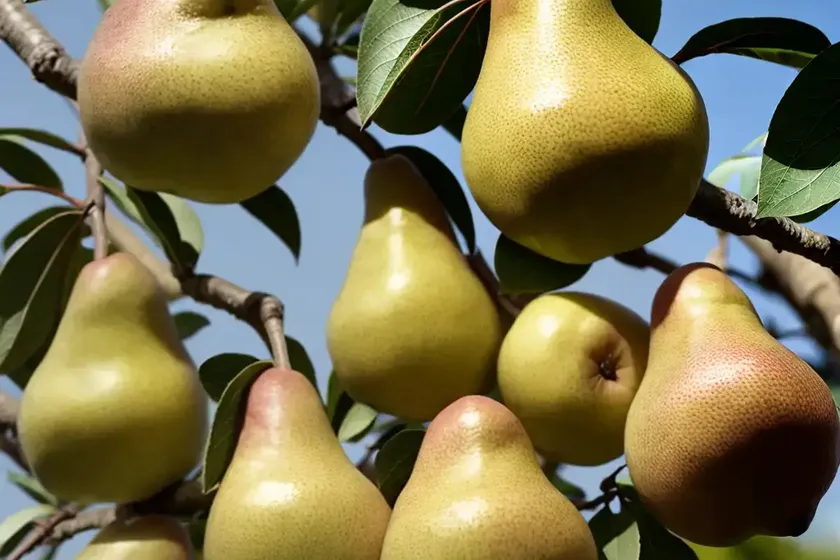
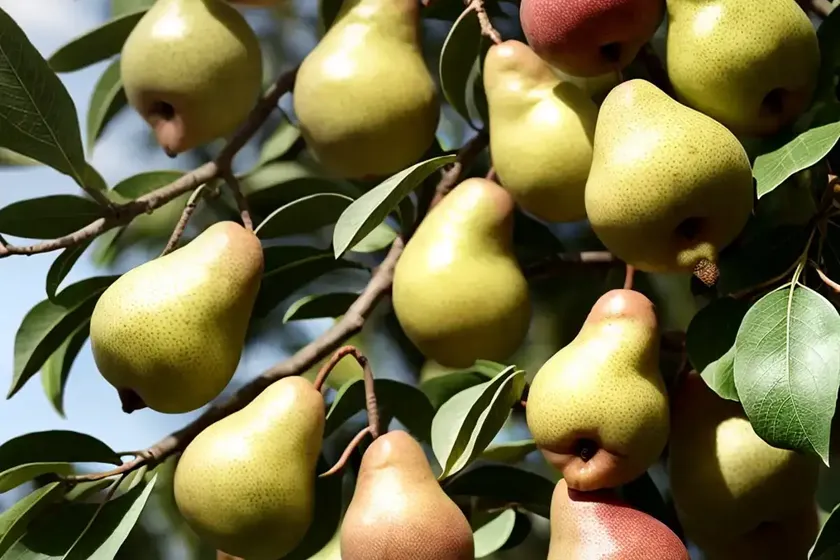
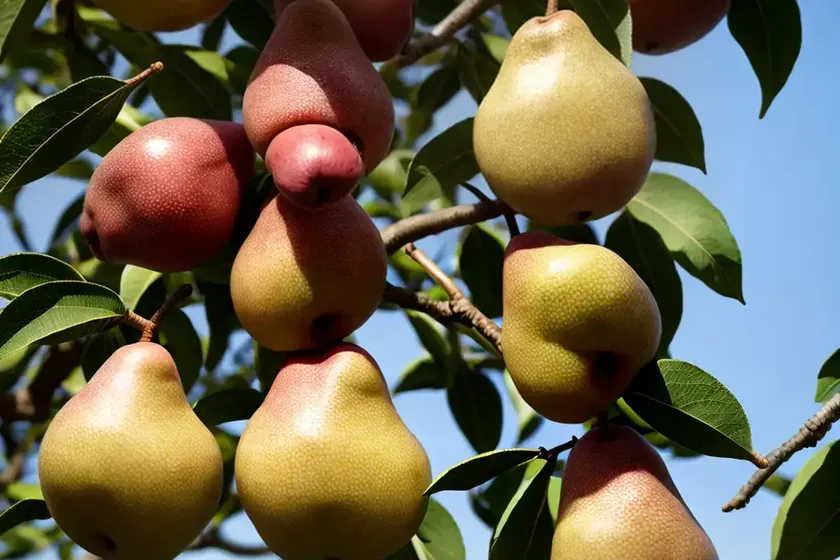
Pyrus communis ‘Comice’ is a notable variety of European Pear, renowned for its exceptional flavor, juicy texture, and distinctively sweet taste. The Comice variety is highly valued for both fresh consumption and culinary purposes, making it a sought-after addition to orchards, gardens, and commercial fruit production.
Key Takeaways – Pyrus communis ‘Comice’ (European Pear)
Pyrus communis ‘Comice’ boasts a myriad of characteristics and requirements that are essential for its optimal growth and fruit production. Here are the key takeaways that we will explore in detail throughout this comprehensive guide:
- Culture
- Uses
- Water
- Sunlight
- Fertilizer
- Soil
- Pruning
- Propagation
- Container Popularity
- Container Common Diseases
- Disease Diagnosis
- Common Pests
- Botanist’s Tips
- Fun Facts
- Links to External Resources
Now, let’s immerse ourselves in understanding and nurturing Pyrus communis ‘Comice.’
Culture
Cultivating Pyrus communis ‘Comice’ requires an understanding of its cultural preferences to ensure optimal growth and fruit development. Let’s explore the critical cultural aspects associated with this European Pear variety.
Uses
The European Pear ‘Comice’ finds utility in various applications, including:
- Fresh consumption
- Culinary purposes
- Artisanal products such as jams and preserves
Its sweet and flavorful characteristics make it a desirable option for both home gardens and commercial fruit production.
Water
Watering Requirements: Pyrus communis ‘Comice’ necessitates adequate watering, especially during dry periods and the fruit development stage. Proper irrigation is crucial to prevent water stress, which can negatively impact fruit quality and yield. A consistent watering schedule, ensuring the soil remains moist but not waterlogged, is essential for the tree’s overall health and fruit production.
Soil Moisture: While the tree requires regular watering, it is imperative to monitor soil moisture levels to avoid overwatering, which can lead to root rot and other detrimental conditions. Mulching the base of the tree can aid in retaining soil moisture and regulating temperature fluctuations.
Sunlight
Sun Exposure: For robust growth and optimal fruiting, Pyrus communis ‘Comice’ thrives in full sunlight. Adequate sunlight exposure is crucial for enhancing fruit quality, as it contributes to the development of sugars and the overall flavor profile of the pears.
Shading: While the tree benefits from ample sunlight, providing some protection during intense heat waves can be beneficial, especially in regions with scorching summers. This can be achieved through strategically placed shade cloth or by planting companion plants that offer natural shading without obstructing sunlight entirely.
Fertilizer
Nutrient Requirements: European Pear ‘Comice’ benefits from a balanced fertilizer application, particularly nitrogen, phosphorus, and potassium. A soil test can provide valuable insights into the tree’s specific nutrient needs, guiding the appropriate fertilizer formulation and application frequency.
Organic Amendments: Incorporating organic matter such as well-rotted compost or aged manure into the soil can enhance its fertility and structure, promoting overall tree vigor and fruit quality. Additionally, organic amendments contribute to the long-term health of the soil and its microbial activity, fostering a favorable environment for the tree’s root system.
Soil
Soil Composition: Pyrus communis ‘Comice’ thrives in well-draining, loamy soils with a slightly acidic to neutral pH range. Ensuring proper soil drainage is paramount, as waterlogged conditions can lead to root suffocation and susceptibility to diseases. Amending heavy clay soils with organic matter can improve drainage and soil structure, creating a conducive environment for the tree’s roots to establish and thrive.
Soil pH: Conducting a soil pH test is essential to ascertain the acidity or alkalinity of the soil. European Pear ‘Comice’ prefers a slightly acidic to neutral pH range, ideally between 6.0 and 7.0. pH adjustments can be made using appropriate soil amendments to create an optimal growing environment for the tree.
Pruning
Pruning Techniques: Pruning plays a pivotal role in shaping the structure of the European Pear ‘Comice,’ promoting adequate airflow and sunlight penetration within the canopy, and managing fruit-bearing wood. Key pruning objectives include:
-
Training Young Trees: Establishing a strong framework and encouraging uniform branching.
-
Thinning: Removing overcrowded and crossing branches to enhance light penetration and air circulation, ultimately contributing to better fruit quality and disease prevention.
-
Height Management: Controlling the tree’s height and overall size to facilitate ease of maintenance and harvest.
Pruning Schedule: Conducting annual pruning during the dormant season, preferably in late winter or early spring, is recommended for European Pear ‘Comice.’ This timing allows for minimal stress on the tree and provides a clear view of its structure and potential pruning requirements.
Propagation
Propagation Methods: Pyrus communis ‘Comice’ can be propagated through various techniques, including:
-
Grafting: Utilizing compatible pear rootstocks and scion wood from desirable ‘Comice’ cultivars.
-
Cuttings: Employing hardwood cuttings for propagation under controlled environmental conditions, promoting root development and subsequent transplanting.
-
Tissue Culture: Utilizing tissue culture methods to propagate disease-free and genetically identical clones of the desired ‘Comice’ variety.
Container Popularity
Container Cultivation: While European Pear ‘Comice’ is traditionally grown in orchards and gardens, it can also thrive in large containers with proper care and maintenance. Container cultivation is especially suited for urban or space-constrained environments, offering the opportunity to grow this exceptional variety in diverse settings.
Container Size: Selecting a spacious container with adequate drainage holes is essential to accommodate the tree’s root system and provide space for healthy growth. Consideration should also be given to the eventual size of the tree and its ability to flourish in the chosen container.
Container Common Diseases
Disease Management: Cultivating Pyrus communis ‘Comice’ in containers necessitates vigilant disease management to mitigate common issues, including:
-
Root Rot: Ensuring proper drainage and soil moisture control to prevent waterlogging and subsequent root rot.
-
Powdery Mildew: Implementing preventive measures such as regular monitoring, proper spacing, and adequate airflow to reduce the risk of powdery mildew infestations, which can be exacerbated in container environments.
Disease Diagnosis
Symptom Recognition: Monitoring the tree for telltale signs of diseases, including leaf spots, abnormal growth patterns, and fruit deformities, is essential for early disease diagnosis. Prompt identification and treatment can prevent the spread of diseases and minimize their impact on tree health and fruit production.
Professional Consultation: In cases of uncertain or severe symptoms, seeking guidance from horticultural professionals or plant pathologists can aid in accurate disease diagnosis and the implementation of targeted management strategies.
Common Pests
Pest Identification: European Pear ‘Comice’ is susceptible to various pests, including:
-
Pear Psylla (Cacopsylla pyri): These sap-feeding insects can cause damage to leaves and lead to reduced vigor in infested trees.
-
Codling Moth (Cydia pomonella): The larvae of codling moths can bore into fruits, causing internal damage and compromising fruit quality.
-
Pear Slug (Caliroa cerasi): These voracious feeders can defoliate trees if left uncontrolled, impacting overall tree health and vigor.
Pest Control
Integrated Pest Management (IPM): Employing an integrated approach to pest management, which incorporates biological control, cultural practices, and targeted pesticide applications, can effectively mitigate pest pressures while minimizing overall environmental impact.
Beneficial Insects: Enhancing the presence of beneficial insects, such as predatory mites and parasitic wasps, can aid in controlling pest populations naturally, contributing to a balanced and sustainable orchard ecosystem.
Botanist’s Tips
As a dedicated plant scientist, I have gathered invaluable insights and tips for successfully nurturing Pyrus communis ‘Comice.’ Here are some botanist-approved recommendations:
-
Soil Amendment: Incorporating organic matter into the soil offers long-term benefits, enhancing soil fertility and microbial activity essential for tree vigor.
-
Pruning Vigilance: Regular and targeted pruning promotes healthy growth, fruit development, and disease prevention, making it an indispensable practice for ‘Comice’ pear tree care.
-
Integrated Pest Management: Embracing a proactive and holistic approach to pest management fosters a balanced and thriving orchard ecosystem, minimizing reliance on chemical interventions.
Fun Facts
Delving into the world of Pyrus communis ‘Comice’ yields a treasure trove of fascinating and delightful facts. Here are some fun and captivating tidbits about this remarkable European Pear variety:
-
Royal Recognition: ‘Comice’ pears have garnered royal acclaim, earning a place on the menu at Britain’s royal palaces and delighting distinguished palates.
-
Artisanal Delicacy: The exceptional flavor and texture of ‘Comice’ pears have made them a favored choice for artisanal products, including delectable pear-based pastries and preserves.
-
Floral Beauty: Apart from its delectable fruit, the ‘Comice’ pear tree showcases stunning blossoms in spring, adding ornamental charm to gardens and orchards.
Links to External Resources
To further expand your knowledge and expertise in cultivating Pyrus communis ‘Comice,’ I highly recommend exploring the following external resources:
- United States Department of Agriculture (USDA) – Pyrus communis
- Purdue University Horticulture – Pear Cultivars
- National Pear Breeding Program – Cornell University
- University of California Agriculture & Natural Resources – Comice Pears
- Integrated Pest Management for Pears – University of California
In conclusion, Pyrus communis ‘Comice’ stands as a testament to the sheer diversity and bounty of nature, captivating enthusiasts and discerning palates with its delectable fruits and ornamental allure. By understanding and embracing the cultural nuances, disease management strategies, and horticultural best practices associated with ‘Comice’ pears, we can embark on a rewarding journey of fostering orchard resilience and savoring the unparalleled joys of homegrown harvests. Whether gracing urban gardens, expansive orchards, or culinary creations, the European Pear ‘Comice’ continues to captivate and inspire, perpetuating its legacy as a cherished and esteemed variety in the world of horticulture.


