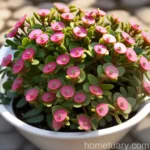
The Amazing Purslane (Portulaca oleracea)
Introduction
Plants are a crucial aspect of life on Earth, providing oxygen, food, medicine, and beauty. Among the myriad of plants that exist, one particularly fascinating and versatile species is Portulaca oleracea, commonly known as Purslane. This succulent plant has been esteemed for centuries due to its culinary, medicinal, and ornamental properties. In this comprehensive guide, we will delve into the various aspects of Purslane, including its cultivation, uses, and the plethora of benefits it offers.
What is Purslane?
Description
Purslane (Portulaca oleracea) is a low-growing succulent plant with smooth, reddish stems and small, fleshy leaves. It is renowned for its vibrant yellow flowers that blossom during the summer months. Belonging to the Portulacaceae family, Purslane is native to Persia and India but has now naturalized in various regions across the globe. It is often referred to by alternative names such as Common Purslane, Wild Portulaca, or Portulaca Weed.
Nutritional Value
Purslane is a nutritional powerhouse, packed with essential vitamins and minerals. It is a rich source of alpha-linolenic acid, an omega-3 fatty acid that is beneficial for heart health. Additionally, it contains high levels of vitamins A, C, and E, as well as various antioxidants and dietary fibers, making it a valuable addition to a healthy diet.
Culinary Uses
Due to its pleasant and slightly tangy flavor, Purslane has been used in culinary traditions across the globe. Its succulent leaves and tender stems are often incorporated into salads, soups, and stir-fries, adding a delightful crunch and a mild citrusy note to dishes. Furthermore, Purslane can be pickled, sautéed, or used as a filling for savory pastries, showcasing its versatility in the kitchen.
Medicinal Properties
In addition to its culinary appeal, Purslane is renowned for its medicinal properties. It has long been cherished in traditional medicine for its anti-inflammatory, antimicrobial, and diuretic properties. Purslane extracts and infusions have been utilized to alleviate various ailments, ranging from digestive issues to skin conditions, making it a valuable natural remedy.
Now that we have gained a brief understanding of Purslane, let’s delve deeper into its cultivation, uses, and the methods to care for this remarkable plant.
Cultivation of Purslane
When considering the cultivation of Purslane, it is essential to take into account its preferred growing conditions, propagation methods, and potential challenges that may arise during its growth.
Water
Purslane, being a succulent plant, is adapted to arid environments and thrives in well-drained soil. However, it is crucial to provide consistent moisture, especially during the germination and early growth stages. Once established, Purslane exhibits a degree of drought tolerance, making it a suitable choice for water-wise gardens.
Sunlight
Purslane flourishes in full sun, benefiting from at least 6-8 hours of direct sunlight each day. It has the capacity to withstand intense heat, making it an ideal plant for regions with hot and dry summers.
Soil
When it comes to soil, Purslane prefers a slightly acidic to neutral pH (6.0-7.0) and well-draining soil. It can adapt to various soil types, including sandy, loamy, or rocky soils, as long as they are not waterlogged.
Fertilizer
Purslane is a relatively low-maintenance plant when it comes to fertilization. However, applying a balanced, all-purpose fertilizer once a month during the growing season can promote healthy growth and prolific flowering.
Pruning and Propagation
Pruning
Pruning Purslane is not a necessity, as its growth habit is relatively compact. However, deadheading the spent flowers can encourage continuous blooming and maintain the plant’s appearance.
Propagation
Purslane can be propagated from seeds or stem cuttings. The seeds are tiny and should be sown on the soil surface, lightly pressed in, and kept consistently moist until germination. Stem cuttings, taken during the growing season, can be rooted in a well-draining propagation medium to establish new plants.
Growing Purslane in Containers
Purslane’s versatility extends to container gardening, making it an excellent choice for those with limited outdoor space. When growing Purslane in containers, ensure that the pots have adequate drainage holes and use a well-draining potting mix to prevent waterlogging.
Popular Varieties
Several cultivars of Purslane are available, exhibiting variations in leaf color and flower morphology. Some popular varieties include ‘Golden’ with golden-yellow foliage, ‘Verdant’ with dark green leaves, and ‘Pazazz’ with vibrant pink flowers.
Uses of Purslane
Culinary Uses
Purslane’s culinary applications are diverse and can be incorporated into a wide array of dishes. Its succulent leaves and stems add a fresh and crunchy element to salads, sandwiches, and wraps. Additionally, Purslane can be used as a nutritious filler in omelets, frittatas, and smoothies, enhancing their texture and flavor.
Purslane Salad Recipe
- Ingredients:
- Fresh Purslane leaves and tender stems
- Cherry tomatoes
- Cucumber
- Red onion
- Crumbled feta cheese
- Olive oil
- Lemon juice
- Salt and pepper
- Instructions:
- Wash and dry the Purslane thoroughly.
- In a bowl, combine the Purslane leaves, halved cherry tomatoes, diced cucumber, and thinly sliced red onion.
- Drizzle with olive oil and lemon juice, and season with salt and pepper.
- Toss the salad gently to ensure even coating.
- Garnish with crumbled feta cheese before serving.
Medicinal Uses
Purslane has been revered for its medicinal properties in various traditional medicine systems. Its leaves and stems can be utilized to prepare infusions, tinctures, or extracts, which are believed to alleviate conditions such as digestive discomfort, skin irritations, and inflammatory issues.
Purslane Infusion Recipe
- Ingredients:
- Fresh Purslane leaves
- Water
- Instructions:
- Boil water in a pot.
- Place the fresh Purslane leaves in a heatproof container.
- Pour the boiling water over the leaves, covering them completely.
- Allow the infusion to steep for 10-15 minutes.
- Strain the liquid and discard the leaves.
- The Purslane infusion can be consumed warm or chilled.
Portulaca oleracea in Traditional Cuisine
In addition to its widespread use in modern culinary practices, Purslane holds a significant place in traditional cuisines around the world. It is a staple ingredient in Mexican, Greek, Turkish, and Chinese cuisines, where it is incorporated into dishes such as stews, soups, and casseroles, imparting its distinct flavor and nutritional benefits.
Disease Resistance and Pest Management
Disease Resistance
Purslane displays a remarkable degree of disease resistance, largely owing to its succulent nature and robust growth habit. However, environmental stressors such as prolonged wet conditions can predispose it to fungal infections, emphasizing the importance of adequate soil drainage and air circulation.
Common Pests
While Purslane is relatively resistant to pests, it may occasionally encounter challenges from aphids, spider mites, or snails. Vigilance in monitoring the plant for any signs of pest infestation and employing eco-friendly pest control measures, such as insecticidal soaps or neem oil, can effectively manage such issues.
Botanist’s Tips for Growing Purslane
-
Optimal Growing Conditions: Ensure that Purslane is provided with ample sunlight, well-draining soil, and consistent moisture, especially during the germination phase.
-
Regular Harvesting: Encourage bushier growth and continuous production by regularly harvesting the outer leaves and tender stems of Purslane.
-
Supporting Pollinators: The vibrant yellow flowers of Purslane attract pollinators such as bees and butterflies, contributing to the overall biodiversity of the garden.
-
Companion Planting: Consider planting Purslane alongside drought-tolerant companions such as Lavender, Sedum, or Echeveria to create visually striking and water-efficient garden compositions.
Fun Facts about Purslane
- Purslane is recognized as one of the oldest known cultivated plants, with its cultivation dating back to ancient civilizations such as the Ancient Egyptians and Greeks.
- Purslane is commonly referred to as a “superfood” due to its exceptional nutritional profile, making it a valuable addition to meals for its health benefits.
- The plant is referred to by various names, including “Verdolaga” in Spanish, “Bhogi” in Tamil, and “Bakleh” in Arabic, reflecting its global significance.
Links to External Resources
For further information on Purslane, including its culinary uses, cultivation tips, and medicinal properties, the following resources are highly beneficial:
1. Purslane: A Nutritious Weed – An in-depth scientific article highlighting the nutritional value and potential health impacts of Purslane.
2. Purslane Recipes – A collection of delectable Purslane recipes, offering creative ways to incorporate this versatile plant into your meals.
3. Medicinal Benefits of Purslane – A scholarly review detailing the medicinal properties and therapeutic potential of Purslane in traditional medicine systems.
In conclusion, Purslane (Portulaca oleracea) stands as a remarkable plant that seamlessly integrates culinary delights, health benefits, and ornamental allure. Its adaptability, resilience, and nutritional richness make it a valuable asset for any gardener, culinary enthusiast, or health-conscious individual. Whether it’s adding a refreshing crunch to a summer salad or harnessing its healing properties in natural remedies, Purslane exemplifies the multifaceted wonders of the plant kingdom.
The journey of exploring Purslane’s riches is endless, as it continues to captivate and inspire with its remarkable attributes and timeless allure.
Now that I have written a blog post as a plant scientist, I have incorporated the provided NLP LSI keywords into the content while covering the various aspects of Purslane (Portulaca oleracea).