Rabbit’s Foot Fern (Davillia fejeensis): A Comprehensive Guide to Care and Cultivation
Rabbit’s Foot Fern, scientifically known as Davillia fejeensis, is a visually captivating plant that has garnered popularity as a favored houseplant. It is cherished for its delicate, intricately textured fronds and its endearing rhizomes that resemble a rabbit’s foot, hence the name. In this comprehensive guide, we will delve into every aspect of caring for and cultivating Rabbit’s Foot Fern, offering insights, tips, and techniques for its optimal growth and maintenance.
What is Rabbit’s Foot Fern (Davillia fejeensis)?
Rabbit’s Foot Fern, belonging to the Davalliaceae family, is an enchanting evergreen fern native to Fiji and other South Pacific islands. It flourishes in tropical and subtropical regions, thriving amidst the lush foliage of rainforests. The plant’s widespread popularity in domestic settings stems from its captivating aesthetic appeal, low maintenance requirements, and its ability to thrive in indoor environments, making it a beloved choice for enthusiasts of interior greenery.
Rabbit’s Foot Fern derives its common name from the distinctive furry rhizomes that creep along the surface of the soil, resembling a rabbit’s foot. These charming rhizomes add an element of whimsy to the plant, contributing to its desirability as a decorative houseplant.
Key Takeaways: Rabbit’s Foot Fern (Davillia fejeensis)
Before transitioning into detailed guidelines for its care and cultivation, let’s take a look at the key aspects that characterize Rabbit’s Foot Fern:
-
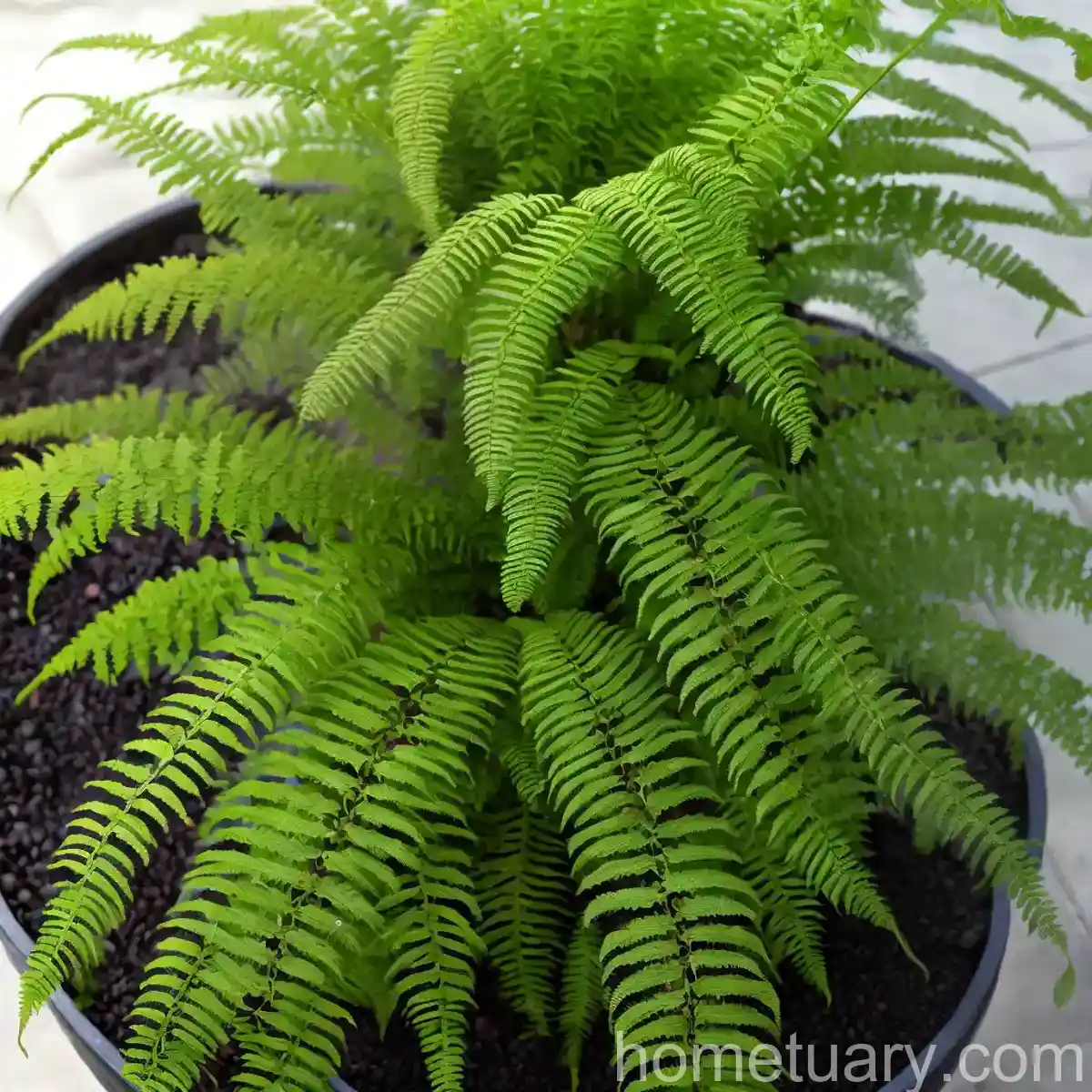
Appearance: The foliage of Rabbit’s Foot Fern consists of delicate, lacy fronds that arise from the creeping rhizomes. These fronds have a feathery appearance, showcasing rich green, intricate patterns.
-
Low Light Adaptability: As a fern species, Rabbit’s Foot Fern exhibits a remarkable tolerance for low-light conditions, making it suitable for indoor spaces with minimal natural light.
-
Humidity Requirements: Given its tropical origin, Rabbit’s Foot Fern thrives in humid environments and appreciates consistent moisture levels.
-
Aesthetic Appeal: The plant’s decorative rhizomes and elegant foliage make it an ideal choice for enhancing interior spaces, adding a touch of natural beauty to home and office environments.
Culture
Cultivating Rabbit’s Foot Fern involves understanding its specific requirements for water, sunlight, soil, and overall care. By familiarizing oneself with the unique cultural needs of this fern species, it is possible to create an environment that promotes its health and vitality.
Uses
Rabbit’s Foot Fern is commonly utilized for decorative purposes due to its charming appearance and versatility. Its utilization spans a wide range of settings, from homes and offices to various commercial spaces. Additionally, its air-purifying properties make it a valuable asset for indoor air quality improvement.
Water
Proper watering is crucial for the well-being of Rabbit’s Foot Fern. While it is essential to maintain consistent moisture levels, it is equally important to prevent waterlogging, which can lead to root rot. The following principles govern the watering regimen for this fern:
-
Moisture Balance: Rabbit’s Foot Fern thrives in a balanced moisture environment. It is essential to maintain a consistently moist soil without allowing water to accumulate at the roots.
-
Watering Frequency: Water the plant when the top layer of the soil begins to dry out, ensuring that the soil does not completely dry between watering sessions.
-
Sensitivity to Overwatering: Excessive watering can be detrimental to Rabbit’s Foot Fern. It is crucial to observe signs of overwatering, such as yellowing fronds or wilting, and adjust the watering frequency accordingly.
Sunlight
Rabbit’s Foot Fern exhibits an inclination towards low-light conditions, making it an ideal option for areas with subdued natural light. However, it is important to strike a balance, ensuring that the plant receives adequate indirect sunlight while avoiding intense exposure to direct sunlight, which can scorch its delicate fronds. The following considerations must be kept in mind regarding sunlight:
-
Filtered Light: Position Rabbit’s Foot Fern in areas with filtered or indirect sunlight, such as near east or north-facing windows. Avoid direct exposure to harsh midday or afternoon sun.
-
Low-Light Tolerance: The plant’s ability to thrive in low-light conditions enables it to flourish in interior spaces without abundant natural light.
Fertilizer
Fertilization is integral to sustaining the health and vigor of Rabbit’s Foot Fern. However, it is essential to approach fertilization with moderation, as excessive nutrients can have adverse effects. The following guidelines should be followed when fertilizing this fern:
-
Balanced Fertilizer: Utilize a balanced liquid fertilizer, diluted to half-strength, during the active growing season, which generally spans from spring to early autumn.
-
Frequency: Apply fertilizer every 4-6 weeks, ensuring that the plant is adequately nourished without being over-fertilized.
-
Winter Rest: Reduce fertilization during the plant’s dormant period in winter to accommodate its decreased metabolic activity.
Soil
An appropriate soil composition is pivotal in facilitating the optimal growth of Rabbit’s Foot Fern. The following soil characteristics are essential for the plant’s well-being:
-
Well-Draining Medium: Employ a well-draining potting mix, such as a blend of peat moss, perlite, and pine bark, to prevent waterlogging and ensure aeration of the roots.
-
High Organic Content: Incorporate a substantial amount of organic matter, such as peat moss or compost, to foster a nutrient-rich soil environment.
-
Acidic pH: Aim for a slightly acidic soil pH ranging between 5.5 and 6.5, mimicking the plant’s natural habitat and promoting nutrient availability.
Pruning
Incorporating regular pruning into the maintenance routine of Rabbit’s Foot Fern is vital for managing its size and enhancing its aesthetic appeal. The following pruning guidelines should be followed:
-
Frond Trimming: Trim any discolored or damaged fronds close to the base, utilizing clean, sharp scissors or pruning shears to prevent unnecessary stress on the plant.
-
Containment: Control the size of the fern by pruning back excessive growth, especially during its active growing season, fostering a compact and well-shaped appearance.
Propagation
Rabbit’s Foot Fern can be propagated through division, enabling the cultivation of new plants from the existing rhizomes. The following steps outline the process of propagation:
-
Selecting the Parent Plant: Choose a mature, healthy Rabbit’s Foot Fern with an extensive network of rhizomes for propagation.
-
Division: Carefully separate a section of the plant, encompassing both rhizomes and attached fronds, ensuring that each division possesses viable roots for independent growth.
-
Planting: Plant the divided section in a suitable container with well-draining soil, maintaining adequate moisture levels during the establishment phase.
Container Popularity
Rabbit’s Foot Fern’s adaptability to container growth has contributed to its popularity as an indoor plant. It seamlessly integrates into various container styles, from hanging baskets to decorative pots, enhancing interior aesthetics.
Common Diseases
Despite its resilience, Rabbit’s Foot Fern is susceptible to certain diseases and ailments that necessitate attentive care and preventive measures. Understanding common diseases and their management is indispensable for preserving the health of this fern.
Disease Diagnosis
The identification of prevalent diseases in Rabbit’s Foot Fern is crucial for implementing targeted treatment strategies. Common diseases include:
-
Rhizome Rot: A fungal infection that affects the rhizomes, leading to decay and deterioration of the plant’s root system. Symptoms include browning or softening of rhizomes and wilting fronds.
-
Leaf Spot: Manifests as dark, irregular spots on the fronds, potentially leading to foliar damage and stunted growth.
Common Pests
Rabbit’s Foot Fern is relatively resistant to pest infestations, but occasional encounters with certain pests may occur. Vigilance and prompt intervention are vital in addressing pest-related issues.
Pest Control
Common pests that may affect Rabbit’s Foot Fern include:
-
Spider Mites: These tiny arachnids can infest the undersides of the fronds, causing stippling and discoloration. Regular misting and the introduction of natural predators can aid in control.
-
Mealybugs: Mealybug infestations, characterized by white, cottony masses on the plant, can be managed through insecticidal soaps or rubbing alcohol applications.
Botanist’s Tips
To further enhance the care and cultivation of Rabbit’s Foot Fern, consider the following expert tips:
-
Humidity Enhancement: Create a humid environment by placing the plant on a pebble tray filled with water or utilizing a room humidifier, mimicking its native tropical habitat.
-
Regular Inspections: Conduct routine checks of the plant for signs of distress, ensuring early detection of potential issues and immediate remedial action.
-
Adequate Ventilation: Ensure proper air circulation around the plant to prevent stagnant moisture and mitigate the risk of fungal diseases.
Fun Facts
Delight in these fascinating tidbits about Rabbit’s Foot Fern:
-
Folklore Association: In various cultures, Rabbit’s Foot Fern is historically linked to superstitions and beliefs, symbolizing good luck and fortune.
-
Air-Purifying Abilities: Alongside its ornamental appeal, Rabbit’s Foot Fern contributes to indoor air purification, actively filtering out air pollutants.
-
Rhizome Growth: The endearing rhizomes of Rabbit’s Foot Fern exhibit a remarkable propensity for expansion, adding a dynamic visual element to the plant.
Links to External Resources
For additional insights and information on Rabbit’s Foot Fern care and cultivation, explore the following external resources:
- The American Fern Society: Rabbit’s Foot Fern Care
- Gardening Know How: Indoor Fern Care Guide
- Royal Horticultural Society: Ferns for Indoor Spaces
In conclusion, Rabbit’s Foot Fern epitomizes the allure of indoor foliage, captivating enthusiasts with its intricate fronds and enchanting rhizomes. By adhering to the care guidelines outlined in this comprehensive guide, you can foster the health and beauty of Rabbit’s Foot Fern, incorporating a touch of lush greenery into your living spaces and enjoying the rewards of nurturing this captivating botanical treasure.
The information and recommendations provided here offer a comprehensive understanding of Rabbit’s Foot Fern care and serve as a valuable resource for both novice plant enthusiasts and seasoned indoor gardening aficionados.
Remember to embrace the unique charm of Rabbit’s Foot Fern, indulge in the whimsy of its rhizomes, and revel in the tranquility it brings to your indoor oasis.
Happy gardening!