Plant Profile: Raspberry (Rubus idaeus ‘Taylor’)
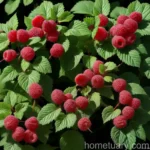
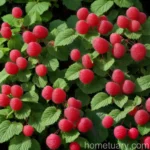
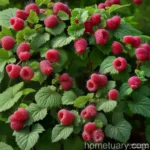
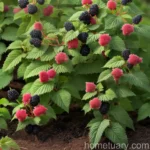
Raspberry, scientifically known as Rubus idaeus ‘Taylor’, is a widely cultivated fruit-bearing plant known for its delicious, sweet berries. As a plant scientist, I will delve into the key aspects of raspberry cultivation and care, including its culture, uses, water and sunlight requirements, fertilizer needs, soil preferences, pruning techniques, propagation methods, and common pests and diseases. In this comprehensive guide, we will explore the nuances of growing and maintaining healthy raspberry plants, ideal for both gardeners and commercial farmers.
What is Raspberry (Rubus idaeus ‘Taylor’)?
Raspberry (Rubus idaeus) is a deciduous perennial shrub from the Rosaceae family. It is renowned for producing delectable, red berries that are consumed fresh, in jams, jellies, and various culinary delights. Among the plethora of raspberry varieties, Rubus idaeus ‘Taylor’ stands out for its exceptional attributes and desirability among growers.
Key Takeaways – Raspberry (Rubus idaeus ‘Taylor’)
- Raspberry Varieties: A diverse range of raspberry varieties are available, each with distinct characteristics and growing requirements. Rubus idaeus ‘Taylor’ is a notable cultivar esteemed for its particular traits and suitability for cultivation.
- Raspberry Plant Care: Providing adequate care and attention to raspberry plants is crucial for ensuring healthy growth and optimal fruit production.
- Growing Raspberries: Understanding the essential factors for successful raspberry cultivation, such as soil, water, sunlight, and pruning, is integral for a thriving harvest.
- Raspberry Pruning Techniques: Proper pruning techniques play a pivotal role in maintaining the health and productivity of raspberry plants.
- Raspberry Plant Diseases: Awareness of common diseases and their prevention is essential to protect raspberry plants from potential threats.
- Raspberry Pests and Control: Identifying and managing pest infestations is vital to safeguard raspberry plants and ensure bountiful yields.
Now, let’s venture into the specific aspects of raspberry (Rubus idaeus ‘Taylor’) cultivation and care.
Culture
Uses
Raspberry (Rubus idaeus ‘Taylor’) is primarily grown for its flavorful fruits, that are appreciated for their distinct sweetness and versatility in culinary applications. The berries can be consumed fresh, used in baking, preserves, or processed into jams, jellies, and juices. Additionally, raspberries are valued for their nutritional content, providing essential vitamins, minerals, and antioxidants.
Water
Appropriate watering is fundamental for the growth and development of raspberry plants. Adequate moisture is crucial, particularly during the growing season and fruiting period. Consistent, deep watering is essential to ensure the establishment of a healthy root system and to support optimal fruit production. A general guideline for raspberry water requirements is to provide 1-2 inches of water per week, accounting for rainfall and soil drainage.
Sunlight
Raspberry plants thrive in full sun, requiring a minimum of 6-8 hours of direct sunlight per day for robust growth and abundant fruiting. Adequate sunlight exposure promotes photosynthesis, enhancing the production of sugars and the development of flavorful berries. Selecting a well-lit location for planting raspberry (Rubus idaeus ‘Taylor’) is vital to maximize its potential.
Fertilizer
Fertilization is essential to provide raspberry plants with the necessary nutrients for vigorous growth and fruit production. A balanced fertilizer with a higher nitrogen content in the early stages and a shift to higher phosphorus and potassium levels during flowering and fruiting stages is recommended. Organic fertilizers, such as compost or well-rotted manure, are beneficial for enhancing soil fertility and supporting the overall health of raspberry plants.
Soil
Raspberry (Rubus idaeus ‘Taylor’) thrives in well-draining, slightly acidic soil with a pH range of 5.5-6.5. Loamy soils rich in organic matter are highly favorable for raspberry cultivation, promoting good drainage and healthy root development. Conducting a soil test can provide valuable insights into the soil composition, allowing for necessary amendments to create an optimal growing environment for raspberry plants.
Pruning
Pruning is a critical aspect of raspberry plant management, influencing plant vigor, fruit quality, and disease control. Proper pruning techniques are essential to maintain an open canopy structure, facilitate airflow, and remove diseased or damaged canes. Additionally, timely pruning promotes the development of new, productive canes and ensures the longevity of raspberry plants.
Key aspects of raspberry pruning include:
-
Annual Pruning: Conducting annual pruning during the dormant season (late winter or early spring) is essential to remove old, non-productive canes and encourage the growth of new canes.
-
Thinning Canes: Thinning the canes to maintain an optimal density within the raspberry patch, allowing for improved sunlight penetration and airflow.
-
Pruning Height: Cutting back the canes to a suitable height, typically around 4-5 feet, facilitates ease of maintenance and harvesting.
-
Removal of Suckers: Eliminating unwanted suckers that emerge from the base of the raspberry plants to prevent overcrowding and competition for resources.
Propagation
Raspberry (Rubus idaeus ‘Taylor’) can be propagated through various methods, including division, tip layering, and root cuttings. Propagation enables the multiplication of desired raspberry cultivars and the establishment of new plantings. Here are brief overviews of the primary propagation techniques for raspberry plants:
-
Division: Dividing the root system of established raspberry plants to create new plants, ensuring that each division possesses healthy roots and shoots.
-
Tip Layering: Encouraging the flexible, young shoots of raspberry plants to root while still attached to the parent plant, and subsequently detaching them to establish independent plants.
-
Root Cuttings: Taking sections of the raspberry plant’s roots and encouraging their growth in a suitable growing medium to develop into new plants. Root cuttings are particularly effective for propagating raspberry plants with specific characteristics and traits.
Container Popularity
Raspberry (Rubus idaeus ‘Taylor’) is well-suited for container cultivation, allowing individuals with limited garden space to enjoy the pleasures of growing fresh raspberries. Container-grown raspberries thrive with proper care, providing the opportunity for urban and suburban gardeners to cultivate these delectable fruits on balconies, patios, and other confined spaces.
Container Common Diseases
When growing raspberry (Rubus idaeus ‘Taylor’) in containers, certain diseases may pose a risk to the plants, impacting their health and productivity. Common diseases associated with container-grown raspberries include:
-
Powdery Mildew: A fungal disease that manifests as a powdery, white coating on the leaves, affecting plant vigor and fruit development.
-
Anthracnose: Causing dark lesions on the canes and foliage, anthracnose can weaken raspberry plants and reduce their overall vitality.
-
Botrytis Fruit Rot: Also known as gray mold, this fungal disease leads to the decay of ripe berries, diminishing the quality of the harvest.
Disease Diagnosis
Early detection and accurate diagnosis of diseases are essential for implementing timely management strategies to protect raspberry plants. Monitoring the plants for unusual symptoms, such as spotted leaves, wilting, or abnormal growth, can aid in identifying potential diseases. Additionally, consulting with local horticultural experts or utilizing diagnostic services can provide valuable insights into specific disease issues and suitable treatment options for afflicted raspberry plants.
Common Pests
Raspberry plants are susceptible to various pests that can adversely affect their growth and fruiting. Some common pests that pose a threat to raspberry (Rubus idaeus ‘Taylor’) include:
-
Raspberry Beetle: Feeding on the blossoms and developing fruits, raspberry beetles can cause significant damage to the yield if left unchecked.
-
Spider Mites: These tiny arachnids can infest raspberry plants, causing stippled leaves and a decline in overall plant health.
-
Japanese Beetles: Known for their voracious appetite, Japanese beetles can devour raspberry leaves and flowers, leading to defoliation and reduced fruiting.
Botanist’s Tips
As a botanist, here are some valuable tips for successful raspberry (Rubus idaeus ‘Taylor’) cultivation:
-
Regular Monitoring: Routinely monitoring raspberry plants for signs of disease, pest infestations, and nutrient deficiencies is crucial for prompt intervention and fostering plant health.
-
Proper Soil Preparation: Ensuring the soil is well-drained, rich in organic matter, and at an optimal pH level is essential for establishing a conducive growing environment for raspberry plants.
-
Balanced Fertilization: Providing a balanced, nutrient-rich fertilizer regimen supports vigorous growth and robust fruiting in raspberry plants.
-
Appropriate Pruning: Adhering to proper pruning practices, including annual cane removal and maintenance of an open canopy, is essential for maximizing fruit production and managing disease risks.
Fun Facts
- The raspberry is not a true berry but an aggregate fruit, composed of numerous smaller fruits called drupelets.
- Raspberries are rich in antioxidants, particularly ellagic acid, contributing to their potential health benefits.
- The term “raspberry” is derived from the Old French word “raspe,” which refers to a sweet rose-colored wine.
Links to External Resources
To further expand your knowledge on cultivating and caring for raspberry (Rubus idaeus ‘Taylor’), consider exploring the following external resources:
- Raspberry Planting Guide
- Raspberry Pest and Disease Management
- Pruning Raspberries
- Raspberry Nutrition and Health Benefits
- Container Gardening for Raspberries
By delving into these resources, you can gain valuable insights and guidance for optimizing the cultivation and care of raspberry (Rubus idaeus ‘Taylor’) in your garden or growing space.
In conclusion, the allure of raspberry (Rubus idaeus ‘Taylor’) lies in its delectable fruits, nutritional value, and adaptability to diverse growing conditions. By understanding the essential aspects of its culture, water and sunlight requirements, soil preferences, pruning techniques, propagation methods, and disease management, enthusiasts and growers can nurture thriving raspberry plants and relish the joys of a luscious harvest.
Remember, raspberries are not just a fruit; they are a delightful culmination of nature’s bounty, offering both sensory delight and nourishment for the body and soul.
Plant Name: “raspberry (Rubus idaeus ‘Taylor’)”